
Tag: pep tea australia
Best Green Tea for Weight Loss: Reddit’s Top Picks 2026
Reddit loves a shortcut. Search for the best green tea for weight loss Reddit threads and you'll see the same pattern again and again: one person swears green tea “worked”, another says it did nothing, and a third drops a study result with no context at all.
The problem usually isn't the tea. It's the confusion.
Some posts talk about brewed tea. Others are really talking about concentrated extracts. Some people are drinking low-grade bagged tea with breakfast and expecting supplement-like results. Others have stumbled onto the one form that makes the whole conversation more practical: matcha.
If you want a clear answer, you need two things. First, a realistic idea of what green tea can and can't do for weight management. Second, a way to separate forum folklore from advice that makes sense in daily Australian life.
Sorting Through the Reddit Tea Leaves
Reddit can be useful because it shows what real people try, what habits they stick to, and where they get stuck. It's often more honest than polished wellness marketing. But it also bundles together half-remembered studies, personal anecdotes, supplement advice, and café drink recommendations as if they all mean the same thing.
That's why best green tea for weight loss Reddit is a trickier search than it looks. Many threads compare apples with oranges. A capsule gets discussed next to a teabag. A sugary bottled “green tea” drink gets lumped in with plain sencha or matcha. Then readers are left wondering why their results feel underwhelming.
Why Reddit advice feels so mixed
A few patterns show up often:
- People confuse product types. Brewed green tea, powdered matcha, and green tea extract are not the same experience.
- Users report different routines. Someone drinking one weak cup at night is not following the same approach as someone using matcha before training.
- Taste affects consistency. If the tea is bitter, stale, or chalky, many won't maintain the habit.
If you use Reddit for research, it helps to get better at finding niche communities and older discussions instead of relying on whatever appears first. This guide on how to search for subreddits effectively is handy if you want to dig into tea, weight management, fitness, or Australian wellness threads with more intent.
Reddit is best used as a clue board, not a final verdict.
The practical lens that matters
Green tea isn't a magic fat-loss button on its own. It's a support habit. It may help a bit with metabolism, routine, energy, and drink choices, especially if it replaces higher-calorie beverages. But the type of green tea matters more than most threads admit.
That's where the conversation becomes much more useful. Once you stop asking “does green tea work?” and start asking “which green tea form gives me the most from a normal daily drink?”, the answer gets clearer.
The Science Behind Green Tea and Weight Management
Green tea gets its reputation from a small team of natural compounds working together, not from one miracle ingredient. The two names that matter most here are EGCG and caffeine.
Think of them as a metabolic support team. Caffeine gives the system a push. EGCG helps that push last longer by affecting the way the body handles norepinephrine, a hormone involved in breaking down fat.

What thermogenesis actually means
You'll often see the word thermogenesis in green tea discussions. In plain language, it means your body burning energy to produce heat. It's one of the reasons people connect green tea with metabolism support.
That doesn't mean you drink tea and suddenly melt body fat. It means certain compounds may help nudge the body toward using energy a bit more actively, especially when they're paired with movement and a generally organised routine.
The most useful numbers to know
One of the clearest practical points is timing. Clinical studies show that people can increase fat-burning potential by 17% when taking green tea extract before physical exercise, and daily consumption can contribute to an extra 75 to 100 calories per day even at rest, according to Foober's summary of green tea for weight loss.
That's why some people feel green tea “works best” when they use it around exercise instead of treating it like a random afternoon beverage.
A simple way to view it:
| Compound | Everyday role | Why people care |
|---|---|---|
| Caffeine | Helps with alertness and energy | May support exercise drive and thermogenesis |
| EGCG | A catechin found in green tea | Helps support fat oxidation pathways |
| Together | Work in synergy | More useful than either one in isolation |
What this means in real life
If you're walking the dog before work, heading to the gym after lunch, or trying to stop reaching for sugary drinks during the afternoon slump, green tea may fit well because it supports a routine you can repeat.
Practical rule: Green tea works better as a repeatable habit than as a one-off “fat burner”.
That's also why quality matters so much. Once you understand that the effect depends on the compounds you consume, the next question becomes obvious: which green tea gives you the most of them in a normal cup?
What Reddit Gets Right and Wrong About Green Tea
Reddit gets one big thing right. Green tea is not a magic solution. The more grounded posters usually say the same thing: if your sleep is poor, your meals are chaotic, and your total intake is too high, tea won't fix that.
That part is sensible.
Where the threads often go sideways is in the jump from “green tea may help” to “any green tea drink should deliver study-like results.” That's where expectations get distorted.
The extract versus beverage gap
A lot of Reddit comments cite research based on concentrated green tea extracts, sometimes around 500 mg daily, and then assume an ordinary mug of brewed tea will behave the same way. That's not how real-world use works.
Healthline notes this gap clearly in its discussion of green tea and weight loss. Threads often repeat extract-based findings without distinguishing them from brewed tea, while the beverage itself has a more modest effect of burning only 60 to 80 extra calories per day in those discussions, which leaves readers expecting more than a regular cup can deliver. You can read that context in Healthline's green tea and weight loss article.
What Reddit usually gets right
The strongest community advice tends to sound less exciting and more useful:
- Consistency matters. A daily habit beats a “detox week”.
- Unsweetened is the point. Loading green tea with sugar changes the whole equation.
- Exercise helps the tea help you. People often notice better results when tea is part of an active routine.
- Taste decides adherence. If you dread the flavour, you'll quit.
What Reddit often misses
The biggest blind spot is concentration. Not all green tea formats deliver the same amount of the compounds people are chasing.
A supermarket teabag can still be a decent choice over soft drink or juice. But if someone is searching for the best green tea for weight loss Reddit because they want the most practical benefit from a beverage, “any green tea” is too vague to be useful.
Community wisdom is helpful when it tells you what people can stick with. It becomes unhelpful when it skips the difference between a brewed drink and a concentrated extract.
That missing detail is exactly why matcha keeps showing up as the smarter answer.
Why Matcha Is the Smartest Choice for Weight Loss
Matcha changes the conversation because it solves the concentration problem better than standard brewed tea.
With regular green tea, you steep the leaves and throw them away. With matcha, the leaves are stone-ground into a fine powder and whisked into water, so you consume the whole leaf. That means you're not just extracting some compounds. You're taking in the lot.

The whole-leaf advantage
This is the reason matcha sits at the top of so many serious green tea discussions. According to this Australian matcha and green tea breakdown, matcha contains up to 137 times more antioxidants than standard brewed green teas because you consume 100% of the leaf, including its caffeine, amino acids, and catechins such as EGCG.
That doesn't mean every scoop of matcha guarantees weight loss. It means matcha gives you a far stronger nutritional delivery system than a standard infusion.
Why this matters more than hype
If brewed tea is the lighter version of the idea, matcha is the more complete one. It's the closest natural beverage format to the stronger effects people often expect after reading extract-based claims online.
Here's a quick comparison:
| Feature | Standard green tea | Matcha |
|---|---|---|
| How it's used | Leaves steeped, then discarded | Powder whisked and consumed |
| What you ingest | Partial extraction | Whole leaf |
| Compound density | Lower | Higher |
| Practical fit for weight goals | Supportive | More strategic |
For readers who want more detail on why whole-leaf powder matters, this piece on matcha tea powder as a powerhouse of antioxidants is a useful deep dive.
A grounded verdict
If someone asked me for the simplest answer to the Reddit question, it would be this:
- If you want a gentle daily tea habit, standard green tea can still support your routine.
- If you want the smartest beverage choice for weight management support, matcha is the stronger option.
- If your goal is realistic progress, matcha still works best alongside food quality, movement, and sleep.
That's why matcha isn't just trendy. It's logically the most efficient green tea format for people who want more from the cup itself.
Your Actionable Guide to Using Green Tea Effectively
Knowing that matcha is the strongest practical option is helpful. Knowing how to use it well is what makes the habit stick.

Start with a routine you'll actually keep
You don't need a perfect Japanese tea ceremony in your kitchen before 7 am. You need a repeatable pattern.
A practical matcha routine often looks like this:
- Use a small amount first. Start with 1 to 2 teaspoons of matcha powder. That amount lines up with a review noting participants commonly consumed around 2 to 4 g of matcha per day, equivalent to 1 to 2 teaspoons, in human studies discussed by In the Cove's review of matcha health benefits.
- Keep the water hot, not boiling. Very hot water can make matcha taste harsh.
- Whisk well. A fork works in a pinch if you don't have a bamboo whisk.
- Drink it plain first. Learn the flavour before turning it into a sweet café-style drink.
Timing makes a difference
Many people leave easy gains on the table. The synergy between caffeine and EGCG may increase fat-burning potential by up to 17% when consumed about 1.5 hours before a workout, according to Foober's guide on the best green tea for weight loss.
So if you train after work, don't have your matcha randomly at breakfast and hope for the same effect. Use it with some intention.
A pre-workout matcha can make more sense than an end-of-day cup, especially if your goal is metabolic support rather than a cosy ritual.
For easy ways to build that into daily life, this collection of matcha drink recipes for weight loss gives practical ideas without making things complicated.
A quick video can also help if you're more of a visual learner:
Simple ways to use matcha in Australia
You don't have to drink it the same way every day. Try:
- Morning bowl at home. Fast, unsweetened, and easy before work.
- Iced matcha after a walk. Great in warmer weather.
- Smoothie add-in. Handy if you already blend breakfast.
- Light matcha latte. Better kept low in sugar if weight management is the goal.
Common mistakes to avoid
- Adding lots of sweetener. That can undo the benefit of choosing tea in the first place.
- Buying poor-quality powder. If it tastes swampy and bitter, consistency will suffer.
- Expecting dramatic change from one serve. Matcha supports a system. It doesn't replace one.
Beyond the Tea Cup Exploring Kombucha
Weight management isn't only about what speeds metabolism a bit. It's also about the drinks you stop having.
That's where kombucha enters the picture. A properly fermented kombucha gives you a more interesting, adult-feeling alternative to sugary soft drinks or overly sweet mixers, and that swap can support a cleaner routine over time.

Why kombucha fits the same mindset
People who care about green tea for weight goals are usually trying to do a few things at once:
- Lower sugar intake
- Choose more functional drinks
- Support gut health
- Avoid the crash that comes with heavily sweetened beverages
Kombucha fits that broader lifestyle neatly when it's genuinely fermented and not dressed up like a health drink while behaving like cordial.
A useful complementary habit
Matcha and kombucha do different jobs. Matcha suits mornings, focus, and workout timing. Kombucha works well as a fridge staple when you want something fizzy without reverting to soft drink habits.
If you're interested in how fermentation, live cultures, and lower-sugar choices fit into a wellness routine, this guide on the benefits of kombucha is a practical read.
The smartest drink strategy usually isn't one hero beverage. It's having better options ready for different moments of the day.
Your Simple Green Tea Plan for Wellness
If you've made it this far, the answer to the Reddit question is much less messy.
Green tea can support weight management. It just needs honest expectations. A cup won't override everything else, but the right format can absolutely be a better choice than a weak, sugary, or inconsistent routine.
The simplest framework to remember
- Choose matcha first. It's the most efficient green tea format for people who want more from the drink itself.
- Use timing well. If exercise is part of your week, place your matcha before it rather than treating it as random background tea.
- Stay realistic. Green tea supports a healthy pattern. It doesn't replace that pattern.
- Upgrade your drink choices overall. Kombucha and unsweetened tea can help reduce reliance on sugar-heavy options.
One reason matcha stays at the top of this conversation is its thermogenic profile. A study in the American Journal of Clinical Nutrition found that consuming matcha can increase thermogenesis from a typical 8 to 10% to 35 to 43% of daily energy expenditure, as summarised in this article on matcha health benefits.
Build the tea habit into your full routine
Tea works best when it's part of a bigger system. That might mean walking most days, planning simple protein-rich meals, keeping sweet drinks out of the trolley, and having matcha or kombucha ready at home. If you want a practical way to organise the food side of that routine, this guide on using PlateBird for meal planning is worth a look.
A key lesson from Reddit is useful once you clean it up: people do best when they pick a habit they can repeat. For green tea, the repeatable, high-value option is matcha.
If you're ready to turn that knowledge into a daily ritual, explore Pep Tea for premium organic matcha and Australian-made sugar-free kombucha that fit naturally into a cleaner wellness routine.
Safe Sipping: Understanding Organic Green Tea Side Effects

If you're someone who starts the day with a warm mug of organic green tea, swaps coffee for matcha, or reaches for a kombucha in the afternoon, you're not alone. It's a simple ritual that feels healthy, grounding and a bit more intentional than many other drink choices.
But a fair question often sits in the background. Can a “good” drink still cause problems if you overdo it?
That's where a lot of confusion begins. People hear about caffeine, liver concerns, stomach upset, or iron absorption and end up wondering whether organic green tea side effects are something they should worry about. The short answer is yes, side effects can happen, but the bigger answer is much more reassuring. Generally, brewed green tea is well tolerated, and risks usually come down to dose, timing, individual sensitivity, and whether you're drinking tea or taking a concentrated extract.
Green tea doesn't need fear-based headlines. It needs context.
A sensible way to look at it is this. Organic green tea can absolutely be part of a healthy Australian lifestyle. You just need to know what “organic” does and doesn't mean, how caffeine adds up across your day, and why a supplement capsule is not the same thing as a cup of tea. Once those pieces click, it becomes much easier to enjoy your cuppa with confidence.
The Truth About 'Organic' and Side Effects
A lot of people assume organic means side-effect free. That sounds logical, but it isn't quite right.
Organic certification speaks to how the tea is grown and produced. It doesn't erase the tea plant's natural compounds. Green tea still contains caffeine and catechins whether it's organic or conventional, and those naturally occurring compounds are what drive most common side effects.
According to the NCCIH overview of green tea, the main side effects from green tea come from its natural compounds like caffeine and catechins, not from the organic label itself. That's the most useful starting point if you've been trying to work out whether organic green tea is “safer” in the sense of being symptom-free.
What the organic label actually tells you
Organic matters. It can reflect farming standards and may appeal to shoppers who want to avoid synthetic pesticide use. That's a valid preference.
In Australia, tea is still part of a regulated food and agricultural system, and the practical health guidance people need usually focuses on managing intake, not assuming an organic label removes all possible effects. If you'd like a simple explainer on this distinction, this guide on what organic green tea means is a helpful place to start.
Practical rule: Organic can change how a product is produced. It doesn't make caffeine disappear.
Where people get mixed up
The confusion usually comes from blending two different ideas:
- Farming method. Organic refers to production standards.
- Body response. Side effects depend more on the tea's inherent compounds and your own tolerance.
That's why two people can drink the same organic green tea and have very different experiences. One feels calm and clear-headed. Another feels a bit shaky if they drink it late or on an empty stomach.
A more accurate way to think about safety
A better question than “Is organic green tea safe?” is this:
- How much am I having?
- How sensitive am I to caffeine?
- Am I drinking brewed tea or taking an extract?
- Am I having it with food or on an empty stomach?
Those questions tell you far more than the word “organic” alone.
Caffeine Concerns Your Guide to Safe Green Tea Intake
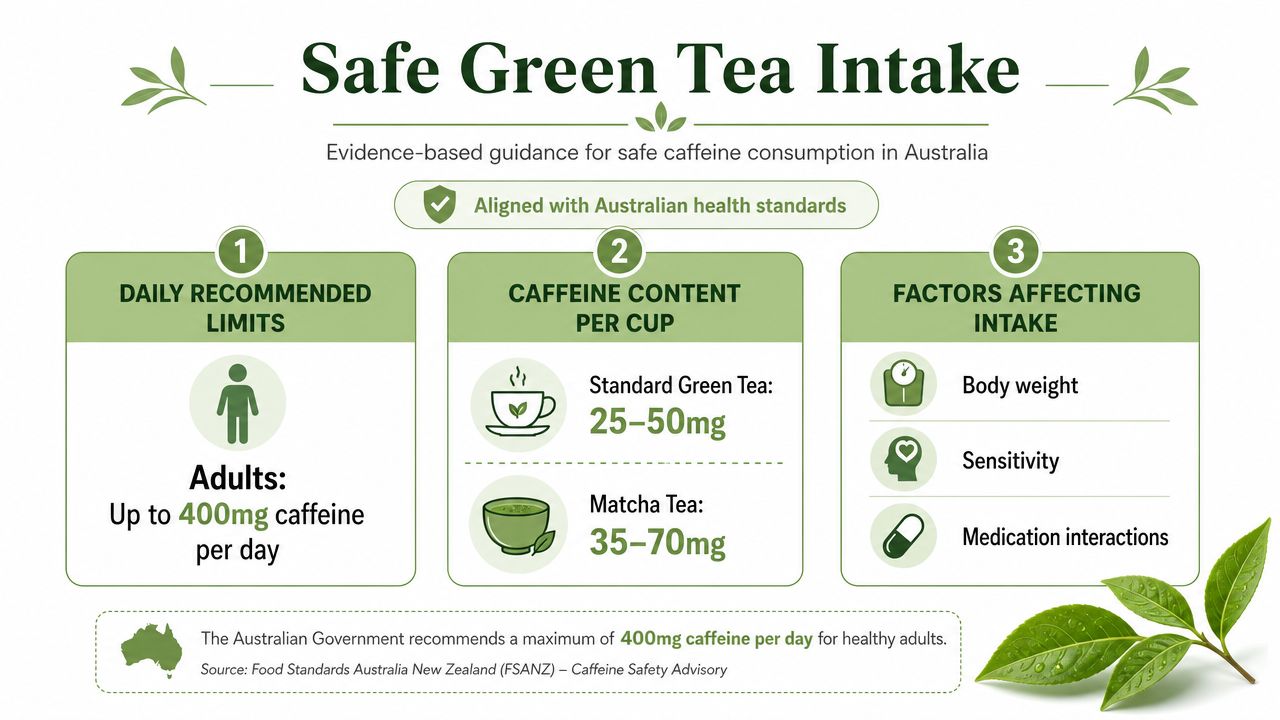
You have a couple of green teas during the day, sleep badly that night, and start wondering whether “organic” tea is somehow stronger or less safe. In practice, the question is usually much simpler. The main issue is your total caffeine intake, especially once tea is added to coffee, cola, energy drinks, pre-workout, or chocolate across the same day.
For healthy adults, Australian guidance focuses on keeping overall caffeine intake moderate. Brewed green tea is usually a fairly gentle source compared with coffee, but “gentle” does not mean caffeine-free. A cup here and there can feel fine. Several caffeinated drinks layered together can tip some people into feeling wired, restless, headachy, or short on sleep.
What that means in real life
A useful way to picture caffeine is as a running total, not a single drink judged in isolation. Green tea often plays a small part on its own, but the daily stack matters more than one cup.
A common pattern looks like this:
- coffee with breakfast
- green tea mid-morning
- matcha or kombucha in the afternoon
- pre-workout before exercise
- a cola later on
By the end of the day, symptoms may be blamed on the tea, even though the bigger issue is the combined stimulant load.
Caffeine content at a glance
| Beverage (approx. 250ml serving) | Typical caffeine (mg) |
|---|---|
| Standard green tea | 30 to 50 |
That range can still shift with brew time, water temperature, leaf amount, and whether you are drinking a delicate loose-leaf tea or a stronger style. If you want a clearer guide to how format and serving size change the numbers, this article on organic green tea caffeine is a helpful reference.
Who notices side effects sooner
Caffeine sensitivity is a bit like alcohol tolerance. Two people can have the same amount and get very different results. One feels pleasantly alert. Another gets a fluttery chest, sweaty palms, or the sense that their thoughts are racing.
You may notice side effects earlier if you:
- are sensitive to caffeine and feel “switched on” quickly
- drink green tea later in the day
- combine tea with coffee, energy drinks, or workout supplements
- have a smaller body size
- are pregnant, breastfeeding, or giving caffeinated drinks to children, where extra caution is sensible under Australian health advice
Some people also mistake a caffeine reaction for purely emotional stress. If your mind feels busy as well as your body, this guide on overthinking and anxiety may help you sort out what is stimulant-related and what is not.
A steady, sensible way to stay comfortable
You do not need to count every milligram to use green tea safely. Brewed green tea is suitable for many adults when it is part of a moderate day overall.
These habits help:
- Look at the full day. Tea may be the visible part, but coffee or pre-workout may be doing more of the heavy lifting.
- Keep caffeinated drinks earlier. Morning and early afternoon usually work better than evening.
- Adjust the brew. A lighter cup is often enough if you enjoy the ritual but want less stimulation.
- Pay attention to your own signs. Trouble sleeping, a jittery feeling, or palpitations are cues to cut back.
- Separate brewed tea from extracts. Ordinary cups are one thing. Concentrated products are a different risk category, which matters a lot in green tea conversations.
That last point is where many people get confused. A normal brewed tea and a high-dose extract may come from the same plant, but they do not behave the same way in the body.
Beyond Caffeine Gut Health Iron Absorption and Other Effects
Caffeine gets most of the headlines, but it isn't the only reason green tea can feel uncomfortable for some people.
A common example is the person who says, “Green tea makes me feel a bit queasy.” That doesn't always mean they need to avoid it completely. Often, it's more about timing, strength and stomach sensitivity than the tea itself.
Why it can upset your stomach
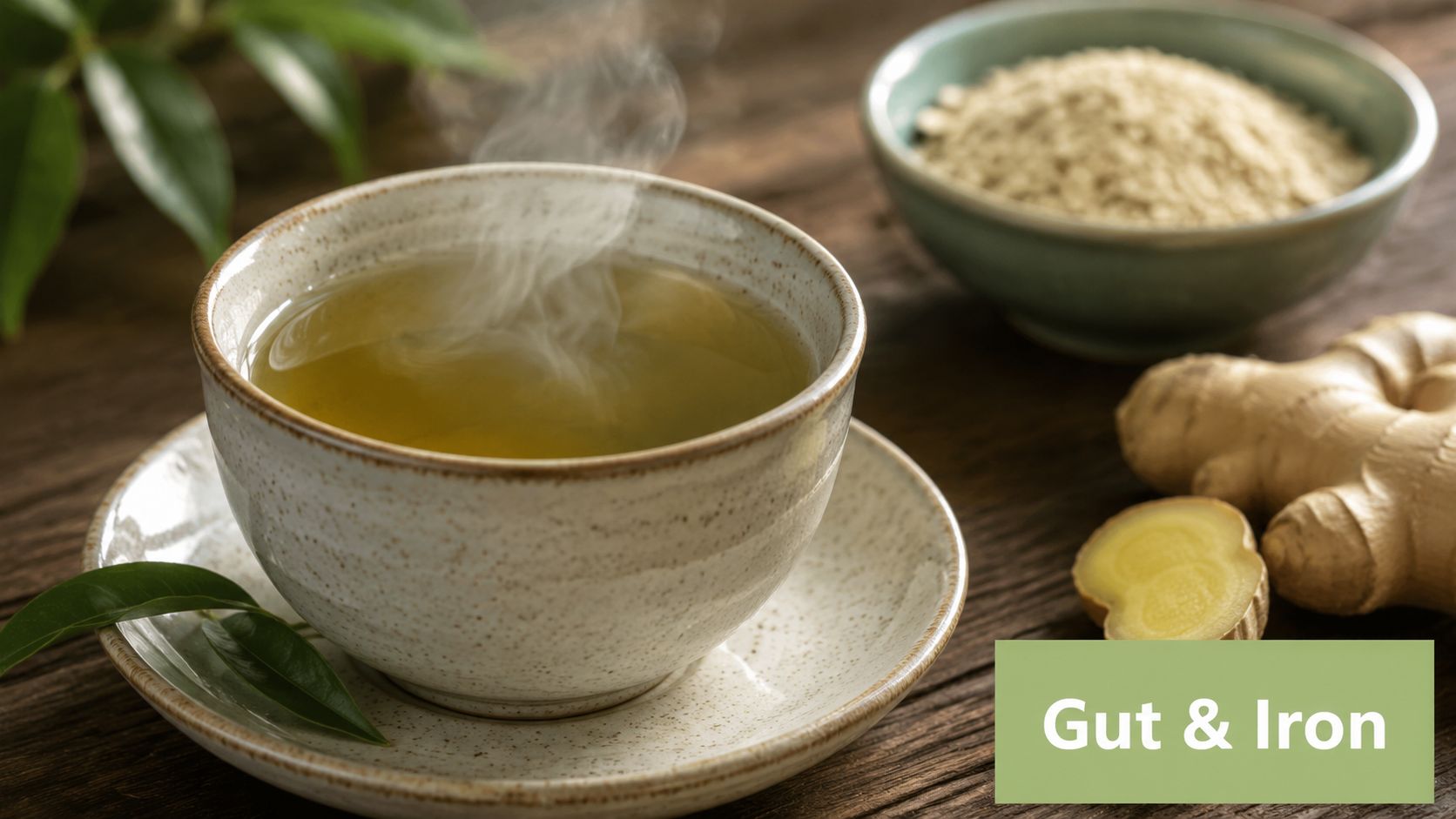
Green tea contains natural plant compounds that some people find a bit harsh, especially first thing in the morning or when they haven't eaten. The result can feel like nausea, mild cramping, reflux, or that hollow unsettled sensation that's hard to describe.
If that sounds familiar, try these adjustments:
- Have it after food rather than on an empty stomach
- Make it lighter by shortening the brew or using less tea
- Sip slowly instead of drinking it quickly
- Swap the timing from early morning to mid-morning
A lot of “tea intolerance” improves once people stop drinking it on an empty stomach.
If you're trying to settle your stomach more broadly, these natural ways to improve digestion are useful alongside simpler tea habits like eating first and choosing gentler serving times.
Iron absorption matters for some people more than others
Another point that's often missed is iron. Green tea can interfere with the absorption of non-haem iron, which is the kind found in plant foods.
This matters most if you:
- Follow a vegetarian or vegan diet
- Already have low iron
- Take iron supplements
- Are trying to be deliberate about iron-rich meals
That doesn't mean you need to give up tea. It usually means being smarter about when you drink it.
Easy ways to reduce the issue
A practical approach looks like this:
- drink tea between meals rather than with an iron-focused meal
- leave some time between tea and your iron supplement
- be extra mindful if your clinician has already told you your iron stores are low
This is one of those areas where timing does most of the work. People often assume side effects require major restriction, but a small adjustment in routine is often enough.
Other mild effects you may notice
Some drinkers also report things like:
- headaches when they overdo caffeine
- feeling a bit shaky
- mild reflux
- looser bowels if they're sensitive
None of these automatically mean green tea is a poor choice for you. They usually mean your body is giving feedback about dose, timing or tolerance.
Matcha Kombucha and Green Tea What's The Difference
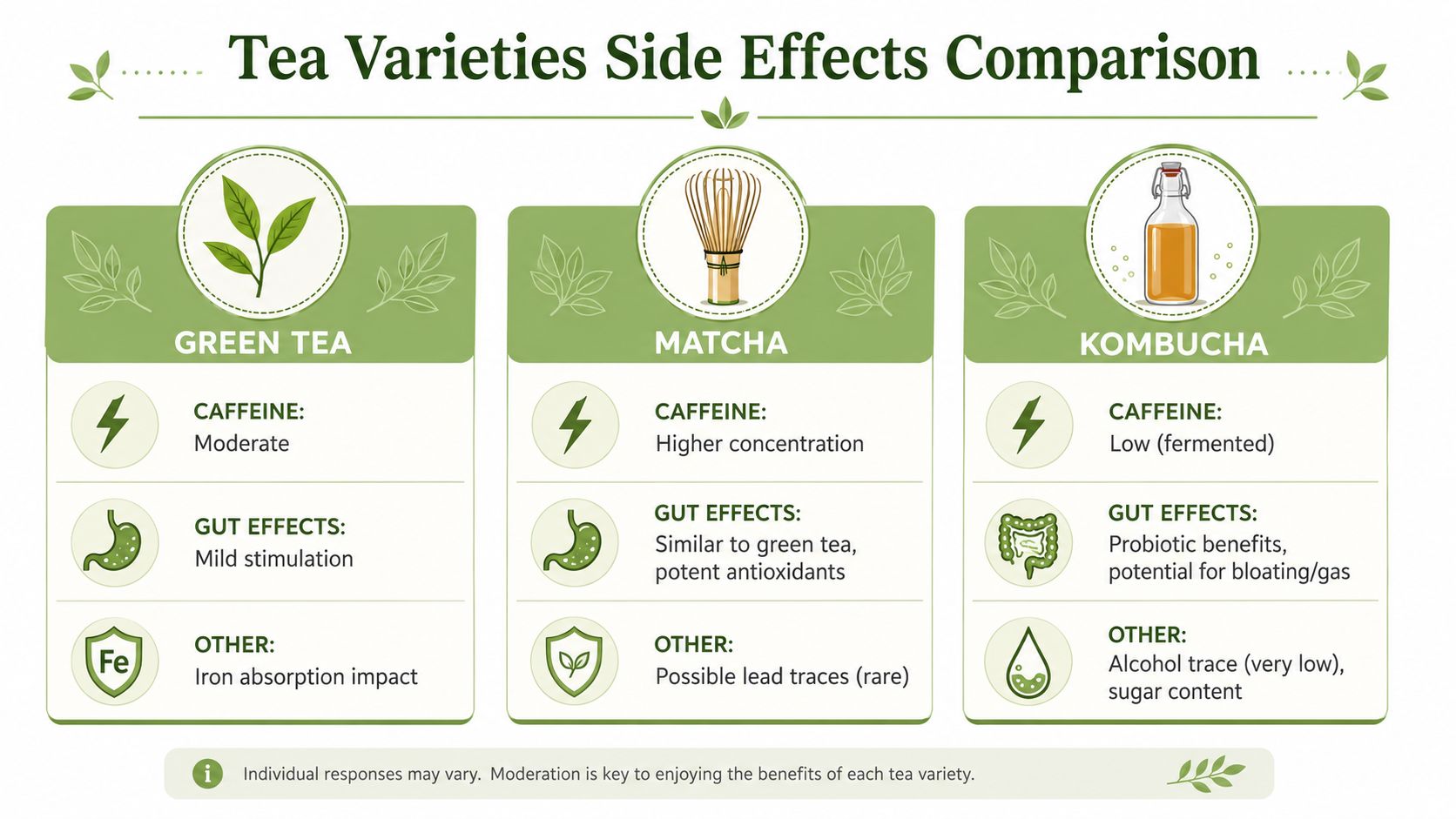
These drinks are related, but they don't behave exactly the same way in the body. That's where confusion often starts.
Someone says green tea feels fine, then they try matcha and feel more stimulated. Another person finds kombucha gentler but notices bloating if they drink it quickly. Those are different experiences because the products themselves are different.
Brewed green tea
Traditional brewed green tea is the most familiar starting point. You steep the leaves, drink the infusion, and leave the leaf behind.
That usually means a gentler overall exposure than products where more of the leaf material ends up in the final drink. This format is often the easiest to tolerate and the simplest place to judge personal caffeine sensitivity.
Matcha
Matcha is different because you consume the whole stone-ground tea leaf suspended in the drink. That changes the experience.
People often notice:
- a stronger lift
- more intensity if they drink it quickly
- greater chance of feeling it on an empty stomach
- better focus for some, but overstimulation for others
Matcha enthusiasts often talk about a smoother type of alertness. That may be part of why some people find it more balanced than coffee. Even so, it's still smart to treat it as a more concentrated tea experience than a standard brewed cup.
If you want a deeper comparison of formats, this guide on the difference between matcha, green tea and green tea drinks lays out the practical distinctions well.
Kombucha
Kombucha starts with tea, but fermentation changes the final product. The result is usually a drink that feels quite different from hot green tea or matcha.
People may choose kombucha because it can feel:
- lighter in caffeine
- more refreshing
- easier as an afternoon option
- interesting from a gut-health perspective
The main caution here is different. Instead of caffeine being the obvious issue, some people notice bloating, fizz sensitivity, or digestive movement, especially if they're new to fermented drinks.
Which one is most likely to cause side effects
There isn't one universal answer. It depends on the person and the situation.
A simple rule of thumb helps:
| Drink | Side effect pattern |
|---|---|
| Brewed green tea | Often the gentlest starting point |
| Matcha | More likely to feel stronger or more stimulating |
| Kombucha | More likely to affect digestion than sleep |
If you're deciding what suits you best, start with the format that matches your goal. Calm daily sipping usually points to brewed tea. A focused lift may point to matcha. A chilled fermented option may suit someone who wants something different from a hot caffeinated drink.
Supplements vs Sips Why Green Tea Extract Is a Different Story
You buy green tea for the same reason many Australians do. It feels like a simple, healthy choice. Then you spot a headline about liver injury and wonder whether your afternoon cup is suddenly a problem.
Usually, the concern is not about brewed tea. It is about green tea extract, a concentrated ingredient found in capsules, powders, weight-loss products, and some detox-style supplements. That distinction matters because the body handles a strong dose in a pill very differently from tea sipped slowly in a mug.
A useful comparison is food versus concentrate. Eating an orange is not the same as swallowing a high-dose citrus compound on an empty stomach. Green tea works in a similar way. A brewed cup gives you smaller amounts mixed with water and taken over time. An extract can deliver a much larger hit all at once.
That is why health authorities pay closer attention to supplements than to ordinary tea drinking. Health Canada has reviewed reports of rare, unpredictable liver injury linked to products containing green tea extract. Reviews of concentrated green tea preparations have also described problems such as nausea, stomach pain, diarrhoea, indigestion, and raised liver enzymes, as summarised by Vanderbilt Poison Control's review of green tea extract adverse effects.
The practical risk factors are fairly consistent:
- taking green tea extract on an empty stomach
- using high-dose supplement products
- combining it with other stimulant ingredients
- assuming an organic or natural label means the product is gentle
That last point causes a lot of confusion. Organic refers to how ingredients were grown and processed. It does not mean a concentrated extract is automatically safer for your liver, stomach, or heart. In other words, organic may change pesticide exposure. It does not cancel out dose-related side effects.
For brewed green tea drinkers, this should feel reassuring. In Australia, the everyday question is usually whether your tea intake suits your caffeine tolerance, iron status, and stomach, not whether a standard cup is acting like a supplement.
If you are looking at a capsule or powdered extract, use a different level of caution. Check the label for green tea extract or EGCG, avoid taking it while fasting, and speak with a GP or pharmacist if you have liver disease, take regular medicines, or notice symptoms such as dark urine, unusual fatigue, nausea, or pain under the right ribs. A tea bag and a high-dose extract may start from the same plant, but they do not behave the same way in the body.
Enjoying Green Tea Safely Tips and When to See a Doctor
You make a cup of organic green tea in the afternoon because it feels like a healthy choice. Then you notice a queasy stomach, a restless night, or a fluttery heartbeat and wonder whether the tea is the problem. In practice, the answer usually comes down to dose, timing, and the form you are drinking, not the word organic on the packet.
For brewed green tea, the safety basics are usually simple. Australian guidance on caffeine gives healthy adults a useful upper limit for total daily caffeine intake, and a regular cup of green tea is generally far below the caffeine hit of energy drinks or multiple coffees. That is why brewed green tea is a sensible everyday drink for many adults, as long as it agrees with your body.
Practical habits that make a difference
- Keep your total caffeine intake in view. Green tea still counts, especially if you also drink coffee, cola, pre-workout, or energy drinks.
- Have it with food if your stomach is sensitive. Tea can feel a bit harsh on an empty stomach, much like taking a vitamin when you have not eaten.
- Leave space around iron-rich meals or iron supplements. If low iron is a concern, timing matters.
- Notice which form you are having. A brewed cup, matcha, and kombucha can affect you differently.
- Pay attention to patterns. If the same symptoms show up each time, your body is giving you useful feedback.
If you get occasional fluttering, skipped beats, or a racing sensation and are unsure what deserves medical attention, these insights on heart rhythm concerns can help you judge when it is worth getting checked.
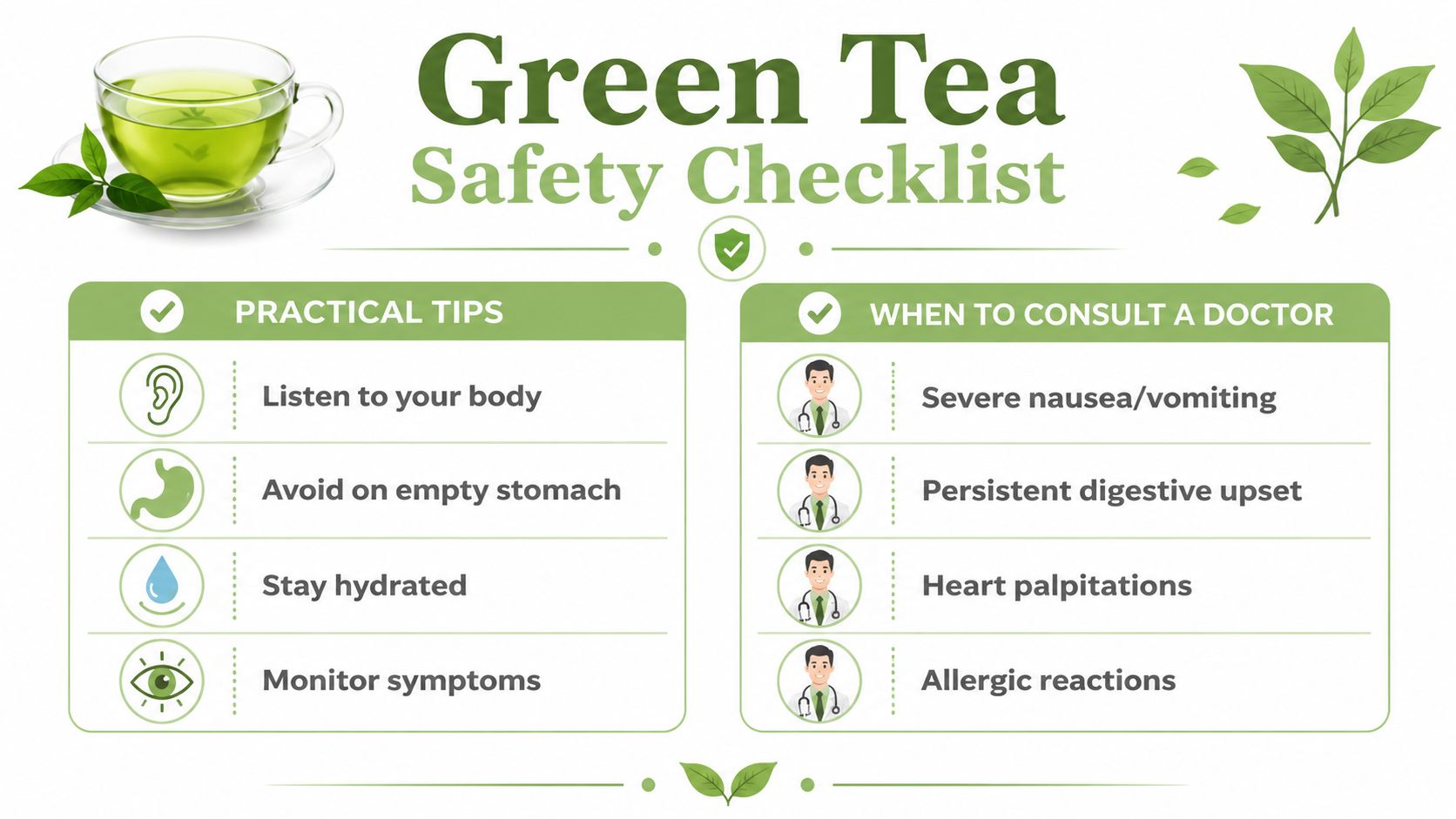
A quick visual summary can help if you want something easy to revisit later.
When it's worth checking with your doctor
Speak with a GP, pharmacist, or another qualified health professional if you have:
- persistent nausea or digestive upset
- heart palpitations
- trouble sleeping that clearly tracks with caffeine
- known iron deficiency
- a medical condition or medication that may interact with caffeine or supplements
- pregnancy-related questions about caffeine intake
- any reaction after using a green tea extract product
Symptoms that are strong, unusual, or keep returning deserve proper advice.
The main point is reassuring. Organic brewed green tea is safe for many people when used like a beverage, not a medicine. The higher-risk situation is concentrated extract products, especially if symptoms start after capsules, powders, or fasting use. If you know which form you are using and how your body responds, green tea can stay in your routine without unnecessary worry.
If you'd like to enjoy organic tea with more confidence, explore Pep Tea for premium organic matcha, Australian-brewed sugar-free kombucha, and practical education that helps you choose the right tea for your routine.
Caffeine in Matcha Latte: How It Compares

A typical matcha latte contains around 60 to 70 mg of caffeine, which is similar to a single espresso shot, but it often feels very different in the body. That’s because matcha brings caffeine together with L-theanine, a naturally occurring amino acid that many tea drinkers describe as producing calmer, steadier energy.
If you’re reading this with a warm green latte in hand, or you’re wondering whether matcha will wake you up the way coffee does, you’re asking the right question. People often hear that matcha has caffeine, then stop there. But the more useful question is not just how much caffeine is in matcha latte, but what kind of energy does it create.
That’s where matcha gets interesting. The number matters, of course. So does the scoop size, the grade, and the way the drink is made. But the main reason so many people swap their flat white for a matcha latte is the feeling that follows: alert, focused, and less rattled.
What’s Really Inside Your Favourite Green Latte
For a lot of people, a matcha latte starts as a simple habit. You whisk the powder, pour in warm milk, watch that bright green colour bloom, and take the first sip expecting something cosy but useful. Then, somewhere between your second mouthful and the start of your workday, the question pops up. How much caffeine is in this?
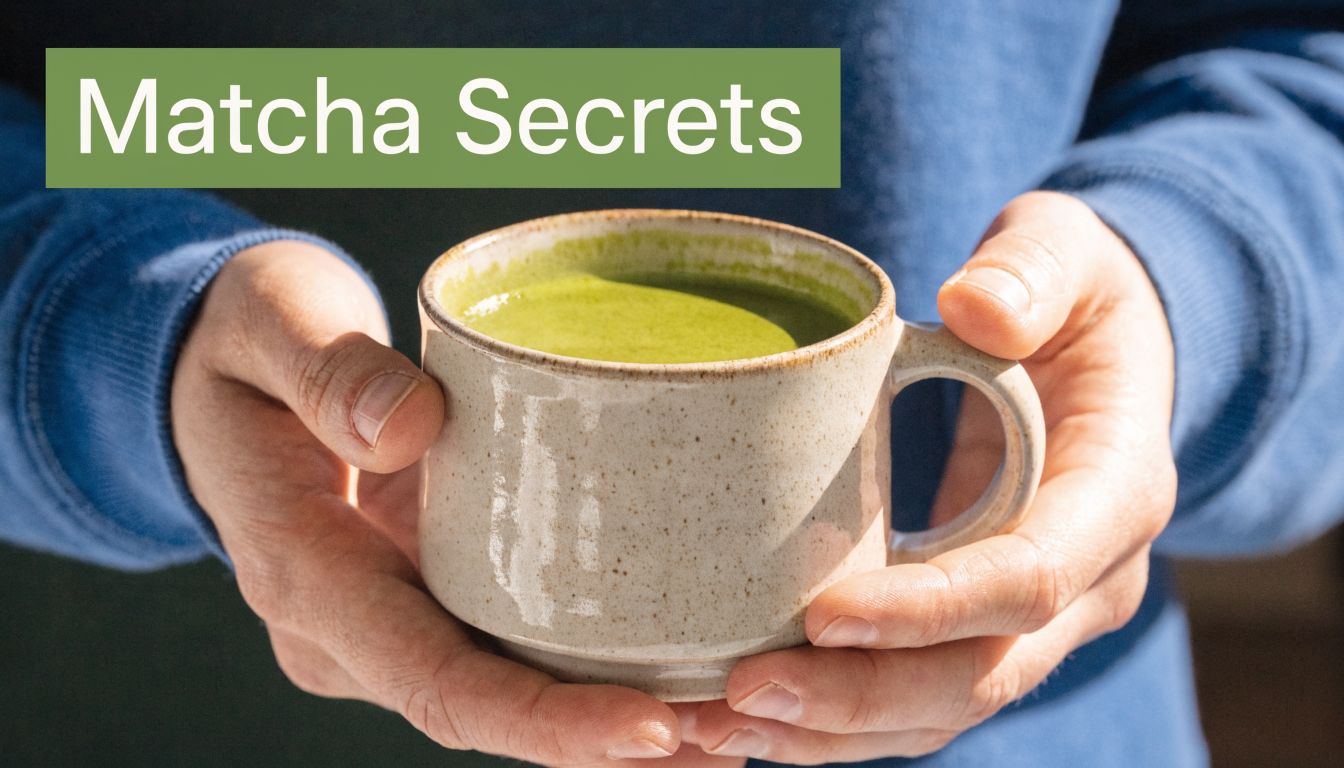
The short version is that matcha sits in a very comfortable middle ground. It’s not caffeine-free, and it’s not pretending to be. But it also isn’t just coffee in green clothing.
More than a trendy café drink
A matcha latte gives you caffeine from powdered green tea leaves that are whisked directly into water and milk. Because you consume the whole leaf, you’re getting a different experience from a standard brewed tea.
That’s why matcha often appeals to people who want energy without feeling pushed around by it. If you’re interested in the broader wellness side of green tea, this guide on how to unlock real green tea benefits is a useful companion read.
Matcha isn’t only about stimulation. For many people, it becomes part of a steadier morning rhythm.
Why people get confused
There are three common reasons readers feel unsure about caffeine in matcha latte:
- It’s tea, so people assume it must be low in caffeine. Matcha usually contains more caffeine than regular green tea because you consume the leaf itself.
- It feels smoother than coffee. That can make some people think it contains less caffeine than it has.
- Not every café uses the same amount of matcha powder. One latte can feel gentle, while another can feel surprisingly strong.
The confusion makes sense. Matcha is both simple and nuanced. It’s just powdered tea, yes. But once you look at serving size, preparation style, and L-theanine, the picture becomes much clearer.
How Much Caffeine is in a Typical Matcha Latte
If you want a direct answer, here it is. A standard matcha latte serving contains between 60 and 70 mg of caffeine, which is comparable to a single espresso shot at about 63 mg. An 8-ounce brewed coffee averages 95 mg, so matcha usually lands below a full cup of coffee while still delivering a noticeable lift, according to this breakdown of matcha latte caffeine content.
That single comparison already clears up a big misconception. Matcha is not “basically caffeine-free tea”. It has enough caffeine to matter.
Why matcha contains more caffeine than regular green tea
The key difference is how you consume it.
With regular green tea, the leaves steep in water and are then removed. With matcha, the leaves are stone-ground into a fine powder and whisked straight into the drink. You consume the entire leaf rather than only the brewed liquid.
That’s why matcha has a stronger caffeine profile than ordinary green tea. In the same source above, matcha is described as having a caffeine density of around 32 mg per gram, which helps explain why even a modest scoop can create a meaningful effect.
A quick comparison
| Drink | Typical caffeine amount |
|---|---|
| Matcha latte | 60 to 70 mg |
| Single espresso shot | About 63 mg |
| Brewed coffee, 8 oz | Average 95 mg |
This table helps answer the practical underlying question. Will a matcha latte wake me up? Yes, usually. Will it hit exactly like coffee? Not necessarily.
Practical rule: If one espresso feels fine for you, a standard matcha latte is usually in familiar territory.
What that means in daily life
For many drinkers, this places matcha in a sweet spot:
- Strong enough for a morning start
- Moderate enough for people who find coffee too intense
- Flexible enough to work as a late-morning or early-afternoon drink
If you’ve ever had a coffee that made your thoughts race faster than your to-do list, matcha can feel more organised. Not weaker. Just more even.
That’s the part numbers alone can’t capture. Two drinks can have similar caffeine amounts and still create very different experiences once they reach your body.
Why Not All Matcha Lattes Are Created Equal
Order a matcha latte at two different cafés and you might get two completely different caffeine experiences. One feels soft and steady. Another feels almost as punchy as coffee. That isn’t your imagination. It usually comes down to dose, preparation style, and grade.
According to this guide to how much caffeine is in a matcha latte, the caffeine in a matcha latte can range from 38 mg using 1 gram of powder to over 128 mg using 4 grams for a thick Koicha style. The same source notes that the U.S. FDA recommends a maximum daily caffeine intake of 400 mg for healthy adults, so two strong matcha lattes can get surprisingly close to that mark.
Scoop size changes everything
This is the biggest variable.
A lighter home-made latte with a small scoop can sit at the gentler end. A café that uses a generous hand, or offers an extra-strong serve, can push the caffeine much higher. Traditional preparation styles show this clearly:
- Usucha uses a lighter amount of powder and creates a thinner tea
- Koicha uses more powder and creates a thicker, more concentrated drink
If you’re trying to control caffeine in matcha latte, the amount of powder matters more than almost anything else.
Grade affects the experience too
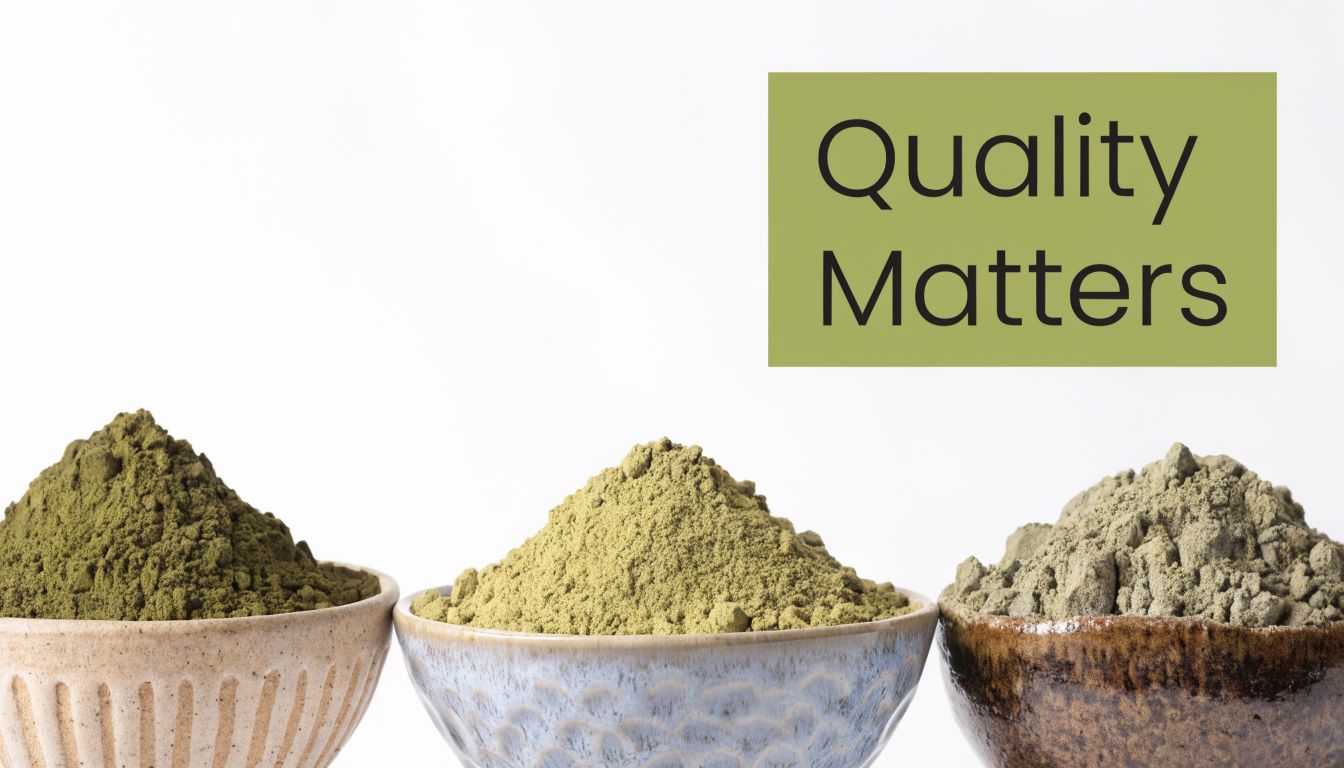
Not all matcha powders are interchangeable. Ceremonial and culinary grades are made for different purposes, and they can lead to different drinking experiences.
Culinary matcha is often chosen for smoothies, baking, or sweeter lattes. Ceremonial matcha is typically selected when flavour, texture, and the overall tea experience matter more. If you want a clear overview of those distinctions, this guide on different grades of matcha is a handy reference.
Milk changes texture, not total caffeine
People often assume a milkier latte must contain less caffeine. That’s not automatically true.
If the same amount of matcha powder goes into the cup, the total caffeine stays the same. More milk can soften the flavour and make the drink feel gentler, but it doesn’t remove caffeine. What changes is concentration per sip, not the total amount in the mug.
If you want a milder caffeine experience, use less matcha powder. Don’t rely on extra milk to do the job for you.
Sustained Energy Without the Jitters The L-Theanine Effect
Matcha, in fact, stops being just another caffeinated drink and becomes something more interesting. Two drinks can contain caffeine, but they don’t have to feel the same. Matcha’s personality comes from the company its caffeine keeps.

The key companion is L-theanine. According to this article on whether matcha latte has caffeine, the unique energy profile of matcha comes from its L-theanine-to-caffeine ratio. The same source notes that ceremonial grade matcha, made from shade-grown leaves, has higher concentrations of both compounds and delivers a different, often better, cognitive effect than the same amount of caffeine from lower-grade matcha. It also explains that the shade-growing process boosts both L-theanine and chlorophyll.
What calm energy actually feels like
“Calm alertness” can sound a bit fluffy until you’ve felt it yourself.
In real life, it often means:
- you feel switched on, but not edgy
- your concentration feels more settled
- your energy doesn’t arrive with the same harsh spike some people get from coffee
That doesn’t mean matcha is sleepy, weak, or muted. It means the stimulation can feel smoother and more anchored.
Why grade matters more than people expect
This is one of the most overlooked parts of the conversation. If two drinks contain similar caffeine, many people assume they’ll perform the same. But with matcha, grade changes the feel.
Ceremonial-grade matcha is usually prized for a softer taste, a cleaner finish, and a more refined energy profile. That matters if you drink matcha for focus, work, study, or a steady start to the day. If you’d like to explore a product made with that premium style in mind, this Uji matcha powder is a relevant example of the type of matcha many drinkers choose for a smoother daily ritual.
Here’s a helpful visual explainer if you’d like to see the topic discussed in a simple format.
Why shade-growing matters
Shade-growing changes the leaf before it ever becomes powder. That farming method is a big reason premium matcha feels different from standard powdered green tea.
For the person drinking it, this matters less as a farming trivia fact and more as a practical buying clue. If your goal is not just “caffeine” but focused, composed energy, the quality of the leaf matters.
The smartest way to think about matcha isn’t “How much caffeine can I get?” It’s “What kind of energy do I want from this cup?”
Matcha Latte vs Coffee Which Morning Ritual is Right for You
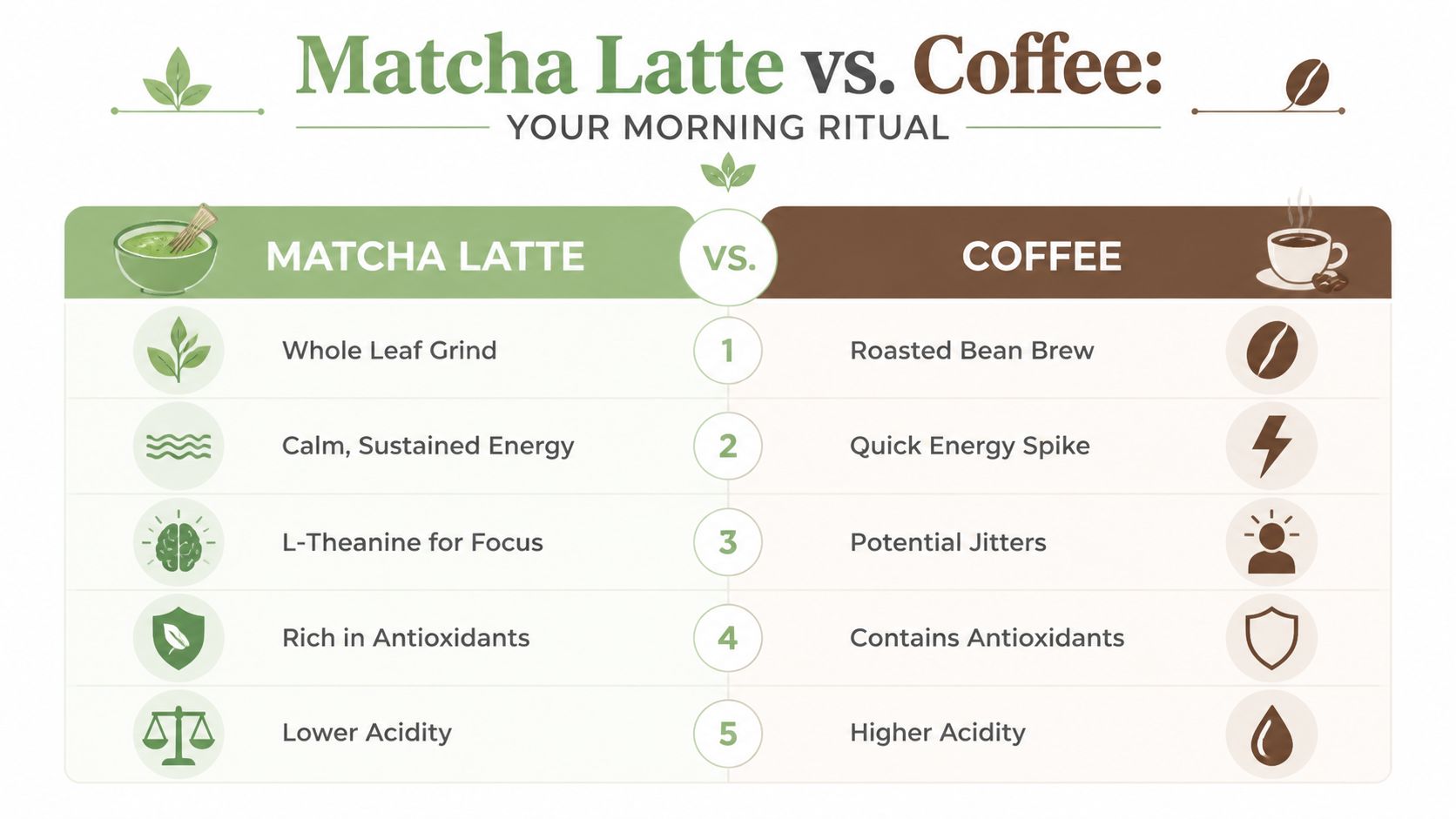
Coffee and matcha can both earn a place in a morning routine. They do different jobs for different people. If you love the speed and boldness of coffee, there’s nothing wrong with that. If you want a gentler ramp into the day, matcha often suits that role beautifully.
Side by side in daily life
| Matcha latte | Coffee | |
|---|---|---|
| Base ingredient | Whole leaf powder whisked into the drink | Brewed roasted beans |
| Energy feel | Smoother, more sustained for many drinkers | Faster, sharper lift |
| Focus style | Often described as calm and clear | Often described as direct and intense |
| Acidity | Commonly chosen by people seeking a gentler option | Can feel harsher for some drinkers |
| Ritual | Slower, whisked, more deliberate | Quick, familiar, highly flexible |
Choose matcha if this sounds like you
- You want steady focus for writing, studying, or desk work
- You enjoy the ritual of making a drink, not just grabbing one
- You find coffee a bit abrupt in the way it lands
Choose coffee if this sounds like you
Some people prefer the directness of coffee. It’s fast, familiar, and easy to prepare in many ways. If you’re building a better home coffee routine rather than replacing it, Brewssels' tips for home brewers are worth a read.
The better question isn’t which is healthier
The better question is: How do I want to feel after I drink it?
Coffee often shines when you want immediate alertness and a bolder flavour. Matcha often shines when you want focus with a little more composure. Some people even keep both in their week and use them differently. Coffee for early starts. Matcha for deep work, afternoons, or days when they want less friction in their nervous system.
How to Customise the Caffeine in Your Matcha Latte
The best part of making matcha at home is control. You don’t have to accept whatever scoop a café happens to use that day. You can build a latte that suits your morning, your tolerance, and your schedule.
If you want less caffeine
Start by reducing the amount of matcha powder, not by diluting the drink endlessly.
A few practical ways to bring the intensity down:
Use a smaller scoop
A lighter serve gives you a softer lift and a milder flavour.Make it later in the day with a gentler hand
Many people prefer a less concentrated afternoon latte.Choose a larger cup with more milk
This won’t reduce total caffeine if the powder amount stays the same, but it can make the drink feel softer and easier to sip slowly.
For a lighter afternoon cup, think of matcha as seasoning. A little less powder can completely change the mood of the drink.
If you want more lift
If you’re moving from coffee and want your latte to feel more substantial, there are cleaner ways to do that than adding sweeteners or syrups.
Try these adjustments:
- Increase the powder gradually so you can feel the difference without overshooting
- Use a high-quality matcha if you care about smoother focus, not just stronger flavour
- Keep the recipe simple so the tea stays central
A simple home method
Here’s a straightforward matcha latte routine that is generally effective:
- Sift your matcha powder into a bowl or mug
- Add a small amount of warm water
- Whisk until smooth
- Pour in your warmed milk of choice
- Taste before sweetening
This method gives you a clean base. From there, you can adjust the powder amount up or down depending on the result you want.
Match your drink to the moment
Different moments call for different matcha styles:
| Time of day | Best approach |
|---|---|
| Morning | A fuller serve for a stronger, focused start |
| Mid-morning | Standard latte strength |
| Afternoon | Lighter scoop for a softer lift |
| Evening | Many people prefer to skip it or make it very light |
The smartest routine is the one you can repeat comfortably. Matcha doesn’t need to be intense to be useful.
Finding Your Perfect Matcha Moment
The most helpful thing to remember is that caffeine in matcha latte isn’t a single fixed number or a one-size-fits-all experience. A typical cup sits in a moderate range, but the real story is how that caffeine behaves once it’s paired with L-theanine and shaped by the quality of the leaf.
That’s why matcha can feel so different from coffee even when the caffeine amount looks familiar on paper. The energy often feels steadier. The ritual feels calmer. And with a bit of practice, you can tailor the drink to suit your day instead of letting the drink dictate it.
Some people want a focused start before work. Others want a gentler afternoon pick-me-up. Matcha can do both, provided you choose the right powder, the right scoop, and the right moment.
If you’ve only thought about matcha as a green version of a café latte, there’s a lot more to enjoy. Done well, it becomes less about chasing stimulation and more about building a daily rhythm that feels good to live with.
Your Matcha Caffeine Questions Answered
Is it okay to drink a matcha latte every day
For many adults, a daily matcha latte can fit comfortably into a balanced routine. The main thing to watch is your total caffeine intake across the day, especially if you also drink coffee, energy drinks, cola, or pre-workout products.
Can milk reduce the caffeine in matcha latte
No. Milk changes flavour, body, and texture, but it doesn’t remove the caffeine already present in the matcha powder. If you want less caffeine, use less powder.
Who should be more careful with matcha caffeine
Anyone who is sensitive to caffeine should pay closer attention to scoop size and timing. The same goes for people who already consume several caffeinated drinks per day. If you know your body doesn’t love caffeine late in the day, matcha deserves the same respect as coffee.
When should I drink matcha if I’m worried about sleep
Earlier is usually better. Many people enjoy matcha in the morning or early afternoon and avoid it later on. Your own tolerance matters, so it’s worth paying attention to how your body responds rather than copying someone else’s routine.
How can I tell if I’m using too much matcha
If your latte tastes overly intense, feels heavier than you expected, or leaves you more stimulated than you wanted, the simplest fix is to reduce the powder next time. This is especially common for beginners.
Is there a guide to safe daily intake
If you want a more detailed look at serving amounts and sensible daily use, this article on how many cups of matcha tea powder are safe per day is a practical place to start.
If you’re ready to find a smoother kind of energy, explore Pep Tea for premium organic matcha and everyday tea rituals that feel good to come back to.
Matcha Bowl with Spout: Latte Perfection
You whisk the matcha carefully. The colour looks right. The foam finally sits on top in a soft green layer. Then you pour it into your mug and half of it runs down the outside of the bowl, onto the bench, and into that annoying puddle near the spoon.
If that sounds familiar, you’re not doing anything wrong. You’re just using the wrong vessel for the last part of the job.
A matcha bowl with spout fixes one of the most frustrating parts of making matcha at home or in a café. It helps you whisk properly, then pour cleanly. That sounds simple, but it changes the whole experience. Your latte looks better, your bench stays cleaner, and the texture you worked for makes it into the cup.
The Secret to a Spill-Free Matcha Latte
A lot of people assume the hard part of matcha is the whisking. It isn’t always. Often, the pour is where things fall apart.
You can make a smooth bowl of matcha, heat your milk well, and still end up with streaks down the side of your mug because a standard bowl has no clean pouring point. The liquid rolls over the rim wherever gravity sends it. That’s fine if you’re drinking straight from the bowl. It’s less fine when you’re topping an iced latte, filling a takeaway cup, or trying to keep service moving in a busy café.
The familiar home kitchen problem
At home, the mess is mostly annoying. You wipe the bench, rinse the bowl, and try again.
In hospitality, it becomes a workflow issue. Staff lose time. The presentation slips. Foam breaks while the person pouring slows down to avoid spills. A drink that should feel calm and polished starts to feel fiddly.
A good matcha pour should feel controlled from the first tilt, not like you’re hoping for the best.
Milk also matters here. If you’re building a latte, your poured matcha has to meet milk that’s still silky and in the right range. If you want a useful reference point for that side of the drink, this guide to ideal milk temperature for lattes gives practical context for getting the texture right.
The simple tool that changes the result
That’s where the spouted bowl comes in.
A matcha bowl with spout is designed for one specific problem. It lets you whisk in an open bowl, then pour with precision. No awkward tipping. No dribbling down the side. No sacrificing foam just to get the liquid into the cup.
For home enthusiasts, it makes your morning ritual neater and easier. For café owners, it turns a beautiful but messy drink into something more repeatable.
What Exactly Is a Matcha Bowl With Spout
You will often see this bowl called a katakuchi. In practical terms, it is a whisking bowl with a shaped pouring lip on one side, made to move matcha cleanly from bowl to cup.
That sounds like a small change. It is not.
A standard chawan is brilliant for preparing and drinking matcha in the bowl itself. A matcha bowl with spout keeps that open, whisk-friendly shape, then adds control at the moment many home baristas and café staff struggle with most. The pour.
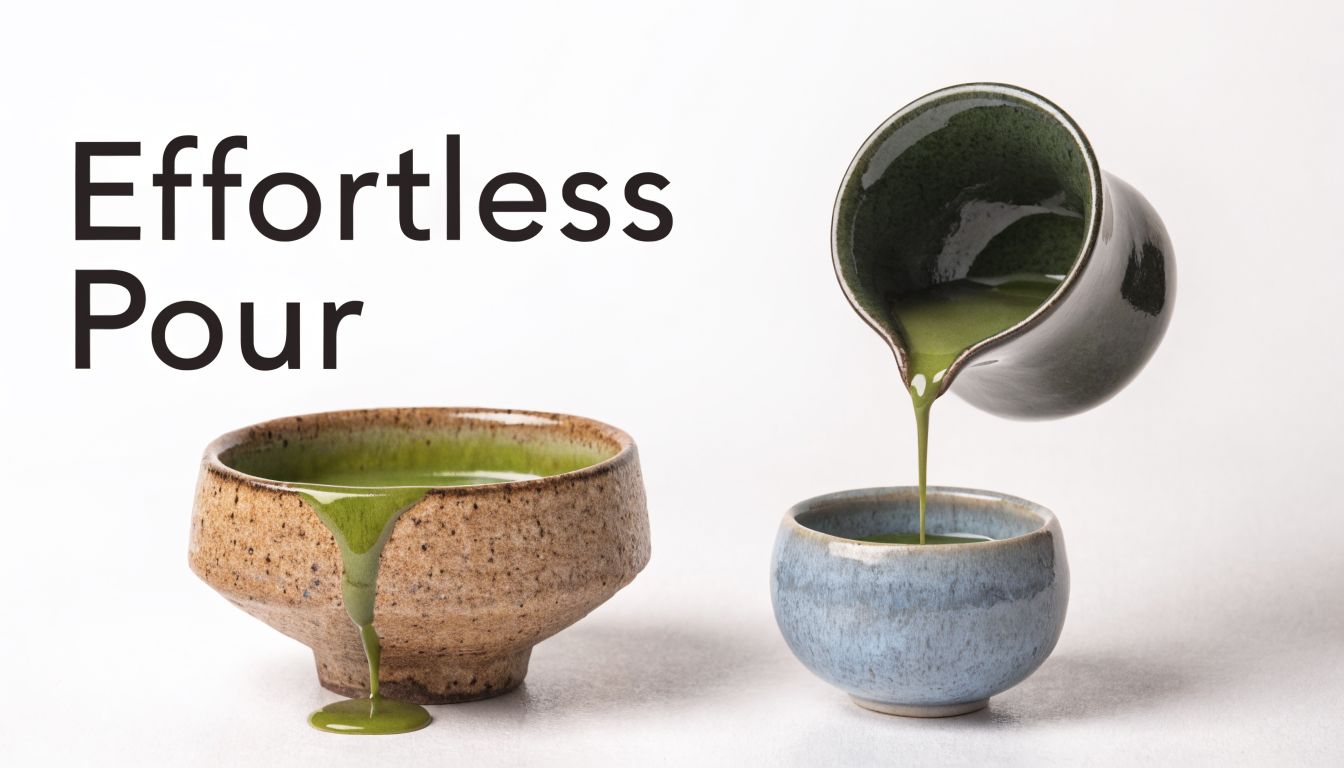
Built for whisking first, pouring second
The best way to understand a spouted matcha bowl is to start with the job matcha asks the bowl to do. You are not steeping leaves and waiting. You are combining very fine tea powder with water, breaking up small clumps, and whisking enough air into the surface to create a light foam.
That process works better in a bowl that gives the whisk room to move.
Harmony Leaf’s katakuchi product guide describes this style as a wide ceramic bowl with a rounded interior and a pouring lip. Those details matter because the curved base helps the chasen sweep through the liquid more freely, while the lip gives you a clear exit point when it is time to transfer the matcha into a mug, latte glass, or mixing vessel.
For an Australian café, that means fewer messy handoffs during service. For a home barista, it means your bench stays cleaner and your foam has a better chance of reaching the cup intact.
The shape explains the purpose
A spouted matcha bowl works like a mixing bowl with a proper pouring edge. The comparison is simple, but useful. A regular bowl can hold the liquid, yet it does not guide it well once you tilt it.
A good katakuchi usually includes:
- A broad opening so the whisk can move quickly without knocking the sides
- A curved interior so powder and water collect in the centre instead of hiding in corners
- Ceramic walls with some weight so the bowl feels steady in the hand during whisking
- A defined spout so the finished matcha lands where you intend
Each feature answers a specific problem. More room helps with whisk speed. A rounded base helps with consistency. A proper lip helps with transfer.
An old tea form adapted to modern service
The bowl itself sits within a much older tea tradition. Powdered tea was prepared in China during the Song Dynasty, and that style of tea preparation later influenced Japanese tea culture, including the development of the chawan, as outlined in this history of chawan and tea culture.
The spouted version reflects a modern need. Many people still enjoy matcha straight from the bowl, but cafés, home latte drinkers, and dessert makers often need to whisk in one vessel and pour into another. The katakuchi answers that exact workflow.
That is why this tool matters beyond definition. It is not only a ceramic bowl with a lip. It is a practical bridge between traditional matcha preparation and the cleaner, faster service expected in homes and cafés across Australia.
Why the Spout Is a Game Changer for Your Matcha
It is 8:15 on a Sydney breakfast rush. One person wants an iced strawberry matcha, another wants oat milk, and a third wants theirs extra strong. At home, the pressure looks different, but the problem is the same. You whisk a lovely bowl of matcha, then lose control in the last two seconds as it dribbles down the side of the bowl instead of into the cup.
That final pour decides more than people realise.
A spout improves three parts of the process at once. It gives you a cleaner line into the cup, helps protect the foam you just whisked, and saves time when you need to make more than one serve. For anyone building a reliable setup, whether that is a home station or a café bar, the right matcha tea whisk and bowl set makes the whole workflow easier to repeat.
Precision without the drips
The most obvious benefit is control.
A standard bowl often lets liquid spread along the rim before it drops. That spread turns into drips on the bench, streaks on the cup, and wasted matcha. A shaped spout brings the liquid into a narrower stream, so you can aim into a mug, a latte glass, or a bottle without the usual mess.
It works a bit like the difference between pouring from a saucepan and pouring from a milk jug. Both hold liquid. Only one is designed to send it where you want it to go.
That matters in a café where speed counts, but it also matters at home. Less wiping up means the ritual stays enjoyable instead of fiddly.
Better texture in the cup
Texture is the part many beginners miss.
Freshly whisked matcha has a delicate layer of fine foam across the top. If the pour comes out in a broad, uneven sheet, that foam breaks apart before it reaches the drink. A spout guides the liquid more cleanly, which gives the foam a better chance of staying intact as it moves from bowl to cup.
The bowl does not create good foam on its own. Your sift, water temperature, and whisking technique still do the heavy lifting. The spout protects that work during transfer.
If your matcha looks silky in the bowl but flatter in the glass, the weak point is often the pour rather than the whisk.
Faster service, fewer repeated motions
The speed benefit becomes clear once you make matcha regularly.
Ippodo Tea’s page on spouted chawan notes that some Mino-yaki styles are designed for whisking multiple servings and pouring with less loss, which offers a key operational advantage for cafés and busy home cooks alike: fewer repeated prep cycles, less waste around the rim, and more even portioning across drinks. You can see that product guidance on Ippodo’s site at https://ippodotea.com/.
For Australian cafés, that matters because matcha is no longer an occasional extra. It sits in the same service rhythm as coffee, chai, and iced drinks. A bowl that lets staff whisk, pour, and reset quickly helps keep quality steady during a rush.
Home baristas benefit too. If you are making two morning lattes, or one drink plus a matcha cream or syrup for dessert, a spouted bowl cuts down the stop-start feeling of the process. It is the same reason kitchens use pouring jugs for sauces and batters. Cleaner transfer improves consistency.
That crossover between beverage service and food presentation is easy to spot in other hospitality tools as well, including packaging choices covered in this paper ice cream cups buying guide.
Why this matters in real Australian use
In many Australian homes, matcha now sits beside the espresso machine rather than in a once-a-week tea drawer. In cafés, it has to perform under pressure, not just look good on a shelf.
A spouted bowl suits both settings because it solves a practical handoff problem. You whisk in one vessel and pour into another with less mess, better control, and more predictable results.
| Situation | Standard bowl | Spouted bowl |
|---|---|---|
| Home latte | Pour can spread across the rim | Cleaner line into the mug |
| Iced drinks | Harder to aim around ice | Better control into tall glass |
| Busy café service | More wiping and rework | Quicker, tidier portioning |
| Recipe prep | Tricky to divide neatly | Easier to pour into cups or jars |
For a tea drinker, that means better-looking matcha with less cleanup. For a café owner buying wholesale, it means a tool that supports consistency and pace during service.
The spout is small. Its effect on the workflow is not.
How to Choose the Right Spouted Matcha Bowl
Choosing a spouted matcha bowl is a bit like choosing milk jugs for café service. The right one makes the job easier every single day. The wrong one feels fine in your hand for ten seconds, then starts causing small frustrations with every whisk and pour.
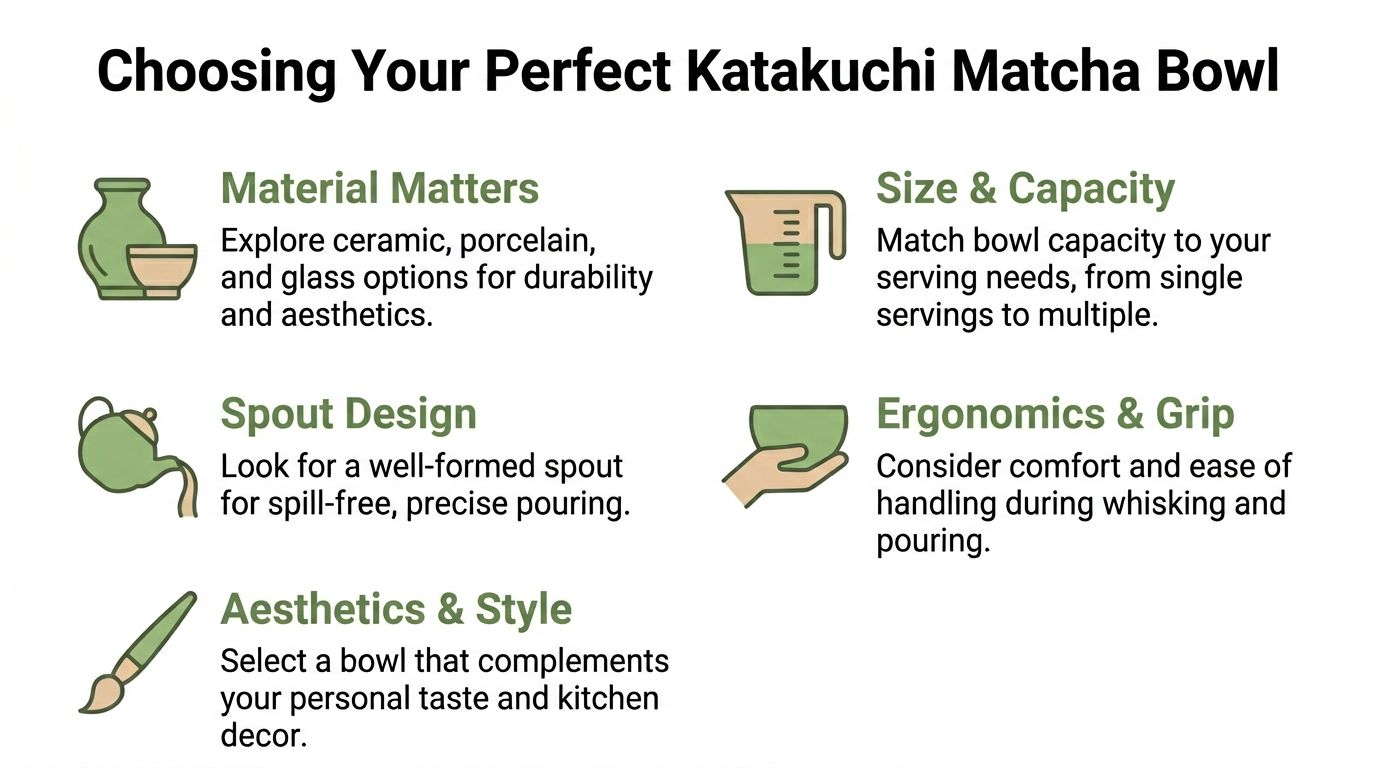
For an Australian home barista, that usually means finding a bowl that feels pleasant to use before work and pours neatly into the mug you already love. For a café owner or wholesale buyer, the question is broader. You need a bowl that helps staff repeat the same result during a busy service, with less waste and less bench cleanup.
Start with the job the bowl needs to do
A bowl for occasional straight matcha does not need the same capacity as one used for back-to-back iced lattes. If you mainly make one serve at home, a smaller bowl can feel more balanced and easier to store. If you prepare larger drinks, split pours, or recipe bases, more room in the bowl gives the whisk space to move and lowers the chance of splashing over the rim.
That is why capacity matters in a practical way, not just on a product label.
For many cafés, a bowl around 500 ml or larger is a sensible starting point because it leaves room for whisking and controlled pouring. For home use, smaller bowls often feel more comfortable, especially if you value a slower ritual and a lighter vessel.
Material changes how the bowl behaves
Material is not only about looks. It affects grip, heat, weight, and how confident the pour feels.
| Material | Best for | What to expect |
|---|---|---|
| Ceramic | Daily use at home or in cafés | Good heat retention, stable in the hand, forgiving to whisk in |
| Porcelain | Minimal, refined setups | Smoother finish, usually lighter, often a sharper visual style |
| Glass | Visual preparation and presentation | Attractive to watch, but can feel hotter, lighter, and less secure when wet |
Ceramic is usually the most practical all-round option. It has enough weight to stay steady while whisking, and it tends to feel more controlled during the pour. That balance matters if you are trying to reproduce café-quality matcha at home, or standardise service across staff in a venue.
Check the shape, not just the photos
A bowl can look beautiful online and still be awkward in use.
Start with the interior. A rounded base helps the chasen move freely, much like a curved mixing bowl helps a whisk catch everything instead of pushing ingredients into corners. You get fewer clumps stuck at the edges and a more even texture with less effort.
Then look closely at the spout. A well-formed spout should guide liquid into a narrow stream. If it looks shallow, uneven, or decorative rather than functional, you may get drips down the side of the bowl after each pour. That is annoying at home and costly in a café where tiny delays add up across a full shift.
What to test before you buy
A quick checklist helps separate a display piece from a working tool:
- Capacity: Enough room for your usual recipe without crowding the whisk.
- Rounded interior: Better whisk movement and less powder trapped around the edge.
- Defined spout: Cleaner stream, less dripping, and more accurate pouring into cups or glasses.
- Balanced weight: Comfortable to lift when full, not clumsy or too delicate.
- Grip: A finish that feels secure even with damp hands.
A useful comparison comes from serviceware buying in other parts of hospitality. This paper ice cream cups buying guide covers a different product, but the same buying logic applies. Capacity, handling, material, and real service conditions should shape the choice.
Match the bowl to the user
The best spouted bowl depends on who is using it and how often.
- Home barista: Choose comfort, a manageable size, and a spout that pours neatly into your usual cup or glass.
- Busy café: Choose durability, larger capacity, and a shape that different staff members can use consistently without retraining their pour every shift.
- Retail customer buying a gift: Choose a bowl that looks attractive but still has a rounded interior and a properly formed spout.
- Wholesale buyer for café supply: Choose pieces that support repeatable drink quality and efficient service, because those are the details venues notice after the first week of use.
If you want a practical benchmark for how the bowl fits into the full preparation setup, this matcha whisk and bowl set shows the core tools that work together.
Mastering Your Whisk and Pour Technique
Owning a good bowl helps, but technique is what turns the tool into a better drink.
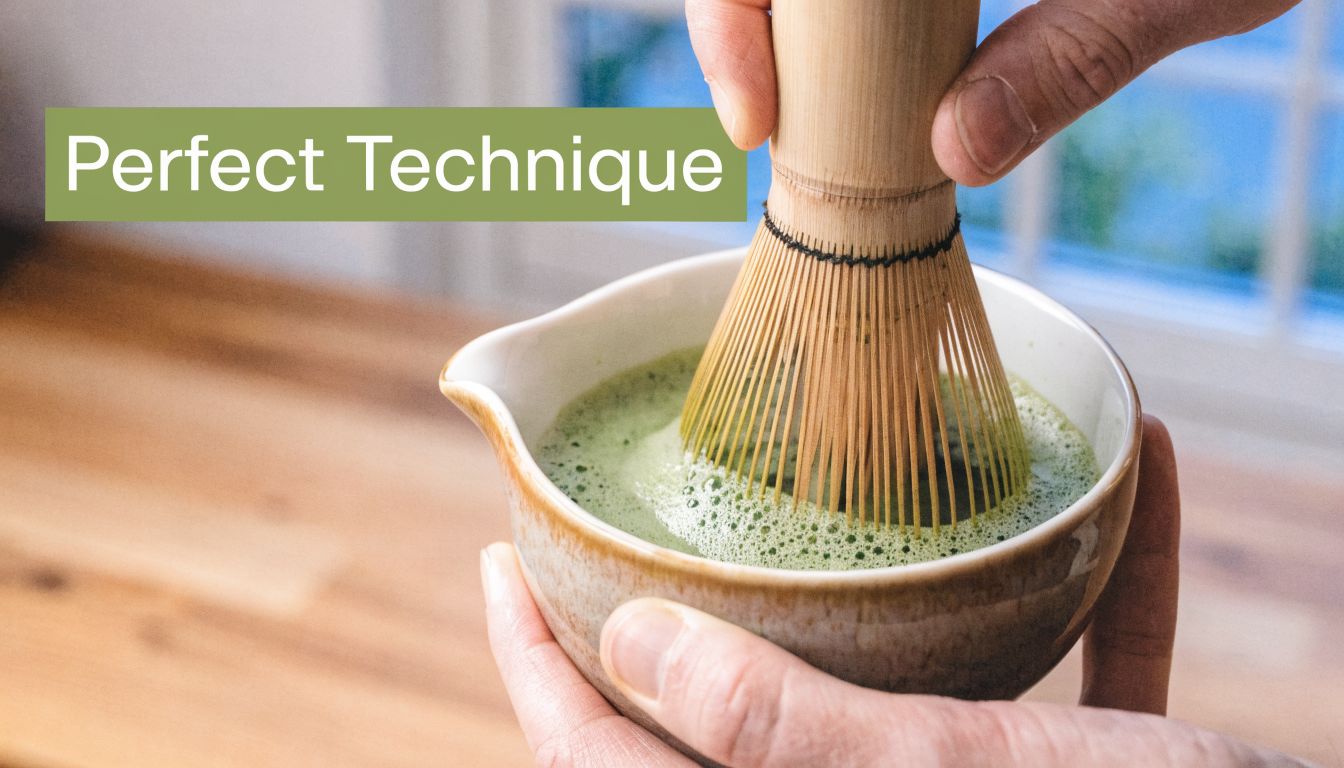
Step one with the bowl
Start by warming the bowl with hot water, then empty and dry it. A warmed bowl helps keep the preparation stable and makes whisking feel smoother.
Next, sift your matcha into the bowl if you can. Sifting isn’t fussy for the sake of it. It breaks up clumps before water hits the powder, which makes a smoother drink with less effort.
The whisking motion that works
Add a small amount of hot water and begin whisking with a chasen.
Don’t stir in circles like soup. Use a quick M or W motion with your wrist, keeping the whisk tips near the surface as the foam begins to build. The aim is a fine froth, not giant bubbles.
Small correction: If your whisk is scraping heavily at the base, you’re probably pressing too hard. Let the whisk move lightly and quickly.
A rounded bowl helps here because the whisk can travel freely. You’re less likely to get powder stuck in corners, and the movement feels more natural.
How to pour without collapsing the texture
Once the matcha is whisked, pause for a second. Let the surface settle just enough that you can see the pour.
Grip the bowl firmly with one hand and guide the spout toward the centre of your cup or glass. Tilt smoothly. Don’t jerk the bowl upward at the end. That sudden stop is what often causes the final drip.
For lattes, pour the matcha first or over the milk depending on the style you want. Either works, but the key is keeping the stream controlled.
A visual guide can help if you’re refining your hand motion:
A simple routine to repeat
- Warm the bowl so the preparation starts evenly.
- Sift the matcha to avoid stubborn lumps.
- Add water gradually rather than flooding the powder.
- Whisk fast with the wrist until the top looks fine and frothy.
- Pour from the spout in one smooth tilt instead of hesitating halfway.
If you want a practical latte method to pair with this bowl technique, this make matcha latte guide gives a simple reference for building the drink itself.
Creative Recipes Beyond the Traditional Tea
Saturday morning at home or the middle of a café rush, the same problem shows up fast. You need matcha that is smooth, evenly mixed, and easy to pour without green streaks across the bench. A spouted bowl helps with all three, which is why it suits both the home barista chasing café-quality drinks and venues that need speed without slipping on consistency.
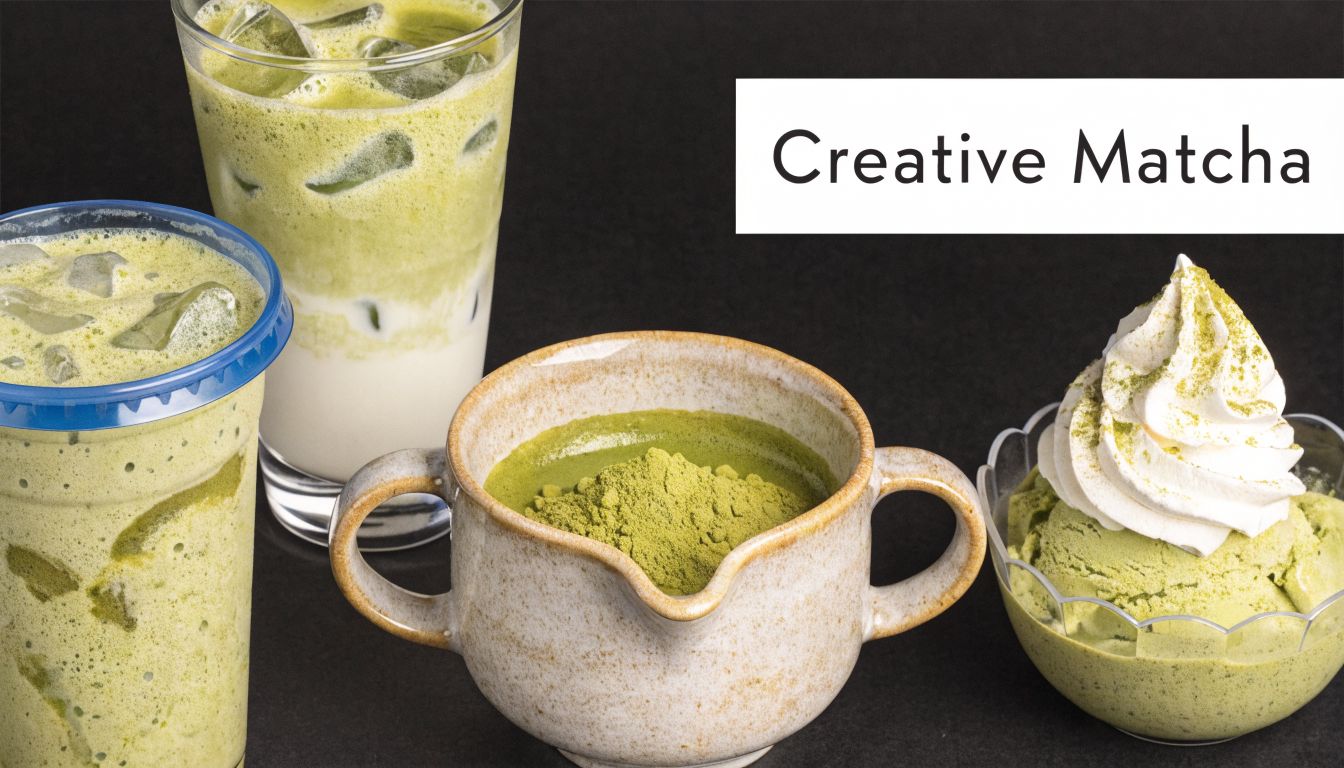
The useful part is not just the whisking. It is what happens after. Once your matcha is properly blended, the spout lets you place that liquid exactly where you want it, whether that is over ice, into a muffin mix, or across the top of sparkling kombucha for a layered special. For Australian cafés, that control means cleaner service and less waste. For home use, it means fewer failed pours and a result that looks far more polished.
Iced matcha latte
An iced latte shows the benefit straight away because ice cubes tend to interrupt the pour. A regular bowl often sends matcha around the cubes and onto the rim of the glass. A spout narrows the stream, so more of the matcha lands in the drink instead of on your hands.
Whisk the matcha with hot water until smooth and lightly frothy. Fill a glass with ice, add cold milk, then pour the matcha slowly over the top. If you want a distinct layered look, pour against the inside of the glass. If you want a more blended drink, pour into the centre and stir once.
Matcha pancake or muffin batter
This bowl is handy in the kitchen too, especially for small batches.
Start by whisking matcha with a little warm liquid to make a loose paste. That step matters because dry matcha dropped straight into batter often forms tiny green clumps, a bit like cocoa powder that refuses to mix in. Once smooth, pour it into your pancake or muffin batter and fold gently.
For pancakes, the spout helps you portion batter onto the pan with better control. For muffins, it makes filling cases neater, which is useful if you are baking for a market stall, a café cabinet, or just trying not to clean batter off the tray later.
Matcha kombucha spritzer
A kombucha spritzer gives matcha a brighter, more refreshing style. It works well for warm weather menus and for customers who want something lighter than a milk-based drink.
Whisk a small serve of matcha, let it cool slightly, then pour it into a glass with ice and chilled kombucha. The flavour changes depending on the base:
- Plain kombucha base: Keeps the matcha front and centre.
- Ginger kombucha: Adds a gentle kick.
- Citrus-leaning kombucha: Brings out the fresher green notes.
This kind of recipe also shows why the bowl matters for service. If you are trialling specials in a café, a controlled pour makes it easier to repeat the same look from one glass to the next. If you are making drinks at home, it makes creative matcha feel less fiddly.
A spouted matcha bowl is a mixing bowl, measuring helper, and pouring jug in one. That is the quiet reason it gets used so often. It earns space in the cupboard because it solves practical problems, not because it is decorative.
Caring For Your Spouted Matcha Bowl
A good bowl can last for years if you treat it gently. The basics are simple, but they make a real difference.
Daily care that keeps it looking good
Rinse the bowl soon after use. Matcha can leave a green tint if it dries onto the glaze, especially around the spout.
Wash with warm water and a soft sponge. If you use detergent, keep it mild and rinse well so no scent or residue lingers for the next bowl.
What to avoid
A few habits shorten the life of handmade ceramics.
- Don’t use abrasive scrubbers: They can mark the glaze and dull the surface.
- Don’t knock the spout against the sink: That edge is often the most vulnerable point.
- Don’t stack carelessly: The rim and pouring lip can chip if bowls rub together.
Dry the bowl fully before storing it. If it lives on an open shelf, give it enough space that you’re not bumping it every time you reach for a mug.
A matcha bowl with spout is a working tool, but it’s still ceramic. A bit of care keeps the pour clean and the bowl pleasant to use.
Elevate Your Matcha Ritual With the Right Tools
A matcha bowl with spout does more than make pouring tidy. It improves how matcha is whisked, transferred, and served. That matters whether you’re making one calm morning latte at home or building a sharper non-alcoholic menu in a busy Australian café.
The right bowl makes the whole process feel more natural. You whisk with confidence, pour with control, and waste less of the drink you’ve just prepared. That’s a small shift in equipment, but a big shift in results.
If you’re building out your setup, a dedicated collection of matcha tea accessories can help you pair the bowl with the right whisk and serving tools.
If you’re ready to put these techniques into practice, explore Pep Tea for organic matcha, brewing accessories, and café-friendly options that make it easier to create smooth, vibrant matcha at home or in service.