
Tag: matcha for weight loss
Best Green Tea for Weight Loss: Reddit’s Top Picks 2026
Reddit loves a shortcut. Search for the best green tea for weight loss Reddit threads and you'll see the same pattern again and again: one person swears green tea “worked”, another says it did nothing, and a third drops a study result with no context at all.
The problem usually isn't the tea. It's the confusion.
Some posts talk about brewed tea. Others are really talking about concentrated extracts. Some people are drinking low-grade bagged tea with breakfast and expecting supplement-like results. Others have stumbled onto the one form that makes the whole conversation more practical: matcha.
If you want a clear answer, you need two things. First, a realistic idea of what green tea can and can't do for weight management. Second, a way to separate forum folklore from advice that makes sense in daily Australian life.
Sorting Through the Reddit Tea Leaves
Reddit can be useful because it shows what real people try, what habits they stick to, and where they get stuck. It's often more honest than polished wellness marketing. But it also bundles together half-remembered studies, personal anecdotes, supplement advice, and café drink recommendations as if they all mean the same thing.
That's why best green tea for weight loss Reddit is a trickier search than it looks. Many threads compare apples with oranges. A capsule gets discussed next to a teabag. A sugary bottled “green tea” drink gets lumped in with plain sencha or matcha. Then readers are left wondering why their results feel underwhelming.
Why Reddit advice feels so mixed
A few patterns show up often:
- People confuse product types. Brewed green tea, powdered matcha, and green tea extract are not the same experience.
- Users report different routines. Someone drinking one weak cup at night is not following the same approach as someone using matcha before training.
- Taste affects consistency. If the tea is bitter, stale, or chalky, many won't maintain the habit.
If you use Reddit for research, it helps to get better at finding niche communities and older discussions instead of relying on whatever appears first. This guide on how to search for subreddits effectively is handy if you want to dig into tea, weight management, fitness, or Australian wellness threads with more intent.
Reddit is best used as a clue board, not a final verdict.
The practical lens that matters
Green tea isn't a magic fat-loss button on its own. It's a support habit. It may help a bit with metabolism, routine, energy, and drink choices, especially if it replaces higher-calorie beverages. But the type of green tea matters more than most threads admit.
That's where the conversation becomes much more useful. Once you stop asking “does green tea work?” and start asking “which green tea form gives me the most from a normal daily drink?”, the answer gets clearer.
The Science Behind Green Tea and Weight Management
Green tea gets its reputation from a small team of natural compounds working together, not from one miracle ingredient. The two names that matter most here are EGCG and caffeine.
Think of them as a metabolic support team. Caffeine gives the system a push. EGCG helps that push last longer by affecting the way the body handles norepinephrine, a hormone involved in breaking down fat.

What thermogenesis actually means
You'll often see the word thermogenesis in green tea discussions. In plain language, it means your body burning energy to produce heat. It's one of the reasons people connect green tea with metabolism support.
That doesn't mean you drink tea and suddenly melt body fat. It means certain compounds may help nudge the body toward using energy a bit more actively, especially when they're paired with movement and a generally organised routine.
The most useful numbers to know
One of the clearest practical points is timing. Clinical studies show that people can increase fat-burning potential by 17% when taking green tea extract before physical exercise, and daily consumption can contribute to an extra 75 to 100 calories per day even at rest, according to Foober's summary of green tea for weight loss.
That's why some people feel green tea “works best” when they use it around exercise instead of treating it like a random afternoon beverage.
A simple way to view it:
| Compound | Everyday role | Why people care |
|---|---|---|
| Caffeine | Helps with alertness and energy | May support exercise drive and thermogenesis |
| EGCG | A catechin found in green tea | Helps support fat oxidation pathways |
| Together | Work in synergy | More useful than either one in isolation |
What this means in real life
If you're walking the dog before work, heading to the gym after lunch, or trying to stop reaching for sugary drinks during the afternoon slump, green tea may fit well because it supports a routine you can repeat.
Practical rule: Green tea works better as a repeatable habit than as a one-off “fat burner”.
That's also why quality matters so much. Once you understand that the effect depends on the compounds you consume, the next question becomes obvious: which green tea gives you the most of them in a normal cup?
What Reddit Gets Right and Wrong About Green Tea
Reddit gets one big thing right. Green tea is not a magic solution. The more grounded posters usually say the same thing: if your sleep is poor, your meals are chaotic, and your total intake is too high, tea won't fix that.
That part is sensible.
Where the threads often go sideways is in the jump from “green tea may help” to “any green tea drink should deliver study-like results.” That's where expectations get distorted.
The extract versus beverage gap
A lot of Reddit comments cite research based on concentrated green tea extracts, sometimes around 500 mg daily, and then assume an ordinary mug of brewed tea will behave the same way. That's not how real-world use works.
Healthline notes this gap clearly in its discussion of green tea and weight loss. Threads often repeat extract-based findings without distinguishing them from brewed tea, while the beverage itself has a more modest effect of burning only 60 to 80 extra calories per day in those discussions, which leaves readers expecting more than a regular cup can deliver. You can read that context in Healthline's green tea and weight loss article.
What Reddit usually gets right
The strongest community advice tends to sound less exciting and more useful:
- Consistency matters. A daily habit beats a “detox week”.
- Unsweetened is the point. Loading green tea with sugar changes the whole equation.
- Exercise helps the tea help you. People often notice better results when tea is part of an active routine.
- Taste decides adherence. If you dread the flavour, you'll quit.
What Reddit often misses
The biggest blind spot is concentration. Not all green tea formats deliver the same amount of the compounds people are chasing.
A supermarket teabag can still be a decent choice over soft drink or juice. But if someone is searching for the best green tea for weight loss Reddit because they want the most practical benefit from a beverage, “any green tea” is too vague to be useful.
Community wisdom is helpful when it tells you what people can stick with. It becomes unhelpful when it skips the difference between a brewed drink and a concentrated extract.
That missing detail is exactly why matcha keeps showing up as the smarter answer.
Why Matcha Is the Smartest Choice for Weight Loss
Matcha changes the conversation because it solves the concentration problem better than standard brewed tea.
With regular green tea, you steep the leaves and throw them away. With matcha, the leaves are stone-ground into a fine powder and whisked into water, so you consume the whole leaf. That means you're not just extracting some compounds. You're taking in the lot.

The whole-leaf advantage
This is the reason matcha sits at the top of so many serious green tea discussions. According to this Australian matcha and green tea breakdown, matcha contains up to 137 times more antioxidants than standard brewed green teas because you consume 100% of the leaf, including its caffeine, amino acids, and catechins such as EGCG.
That doesn't mean every scoop of matcha guarantees weight loss. It means matcha gives you a far stronger nutritional delivery system than a standard infusion.
Why this matters more than hype
If brewed tea is the lighter version of the idea, matcha is the more complete one. It's the closest natural beverage format to the stronger effects people often expect after reading extract-based claims online.
Here's a quick comparison:
| Feature | Standard green tea | Matcha |
|---|---|---|
| How it's used | Leaves steeped, then discarded | Powder whisked and consumed |
| What you ingest | Partial extraction | Whole leaf |
| Compound density | Lower | Higher |
| Practical fit for weight goals | Supportive | More strategic |
For readers who want more detail on why whole-leaf powder matters, this piece on matcha tea powder as a powerhouse of antioxidants is a useful deep dive.
A grounded verdict
If someone asked me for the simplest answer to the Reddit question, it would be this:
- If you want a gentle daily tea habit, standard green tea can still support your routine.
- If you want the smartest beverage choice for weight management support, matcha is the stronger option.
- If your goal is realistic progress, matcha still works best alongside food quality, movement, and sleep.
That's why matcha isn't just trendy. It's logically the most efficient green tea format for people who want more from the cup itself.
Your Actionable Guide to Using Green Tea Effectively
Knowing that matcha is the strongest practical option is helpful. Knowing how to use it well is what makes the habit stick.

Start with a routine you'll actually keep
You don't need a perfect Japanese tea ceremony in your kitchen before 7 am. You need a repeatable pattern.
A practical matcha routine often looks like this:
- Use a small amount first. Start with 1 to 2 teaspoons of matcha powder. That amount lines up with a review noting participants commonly consumed around 2 to 4 g of matcha per day, equivalent to 1 to 2 teaspoons, in human studies discussed by In the Cove's review of matcha health benefits.
- Keep the water hot, not boiling. Very hot water can make matcha taste harsh.
- Whisk well. A fork works in a pinch if you don't have a bamboo whisk.
- Drink it plain first. Learn the flavour before turning it into a sweet café-style drink.
Timing makes a difference
Many people leave easy gains on the table. The synergy between caffeine and EGCG may increase fat-burning potential by up to 17% when consumed about 1.5 hours before a workout, according to Foober's guide on the best green tea for weight loss.
So if you train after work, don't have your matcha randomly at breakfast and hope for the same effect. Use it with some intention.
A pre-workout matcha can make more sense than an end-of-day cup, especially if your goal is metabolic support rather than a cosy ritual.
For easy ways to build that into daily life, this collection of matcha drink recipes for weight loss gives practical ideas without making things complicated.
A quick video can also help if you're more of a visual learner:
Simple ways to use matcha in Australia
You don't have to drink it the same way every day. Try:
- Morning bowl at home. Fast, unsweetened, and easy before work.
- Iced matcha after a walk. Great in warmer weather.
- Smoothie add-in. Handy if you already blend breakfast.
- Light matcha latte. Better kept low in sugar if weight management is the goal.
Common mistakes to avoid
- Adding lots of sweetener. That can undo the benefit of choosing tea in the first place.
- Buying poor-quality powder. If it tastes swampy and bitter, consistency will suffer.
- Expecting dramatic change from one serve. Matcha supports a system. It doesn't replace one.
Beyond the Tea Cup Exploring Kombucha
Weight management isn't only about what speeds metabolism a bit. It's also about the drinks you stop having.
That's where kombucha enters the picture. A properly fermented kombucha gives you a more interesting, adult-feeling alternative to sugary soft drinks or overly sweet mixers, and that swap can support a cleaner routine over time.

Why kombucha fits the same mindset
People who care about green tea for weight goals are usually trying to do a few things at once:
- Lower sugar intake
- Choose more functional drinks
- Support gut health
- Avoid the crash that comes with heavily sweetened beverages
Kombucha fits that broader lifestyle neatly when it's genuinely fermented and not dressed up like a health drink while behaving like cordial.
A useful complementary habit
Matcha and kombucha do different jobs. Matcha suits mornings, focus, and workout timing. Kombucha works well as a fridge staple when you want something fizzy without reverting to soft drink habits.
If you're interested in how fermentation, live cultures, and lower-sugar choices fit into a wellness routine, this guide on the benefits of kombucha is a practical read.
The smartest drink strategy usually isn't one hero beverage. It's having better options ready for different moments of the day.
Your Simple Green Tea Plan for Wellness
If you've made it this far, the answer to the Reddit question is much less messy.
Green tea can support weight management. It just needs honest expectations. A cup won't override everything else, but the right format can absolutely be a better choice than a weak, sugary, or inconsistent routine.
The simplest framework to remember
- Choose matcha first. It's the most efficient green tea format for people who want more from the drink itself.
- Use timing well. If exercise is part of your week, place your matcha before it rather than treating it as random background tea.
- Stay realistic. Green tea supports a healthy pattern. It doesn't replace that pattern.
- Upgrade your drink choices overall. Kombucha and unsweetened tea can help reduce reliance on sugar-heavy options.
One reason matcha stays at the top of this conversation is its thermogenic profile. A study in the American Journal of Clinical Nutrition found that consuming matcha can increase thermogenesis from a typical 8 to 10% to 35 to 43% of daily energy expenditure, as summarised in this article on matcha health benefits.
Build the tea habit into your full routine
Tea works best when it's part of a bigger system. That might mean walking most days, planning simple protein-rich meals, keeping sweet drinks out of the trolley, and having matcha or kombucha ready at home. If you want a practical way to organise the food side of that routine, this guide on using PlateBird for meal planning is worth a look.
A key lesson from Reddit is useful once you clean it up: people do best when they pick a habit they can repeat. For green tea, the repeatable, high-value option is matcha.
If you're ready to turn that knowledge into a daily ritual, explore Pep Tea for premium organic matcha and Australian-made sugar-free kombucha that fit naturally into a cleaner wellness routine.
Best Green Tea for Weight Loss in Hindi: 2026 Guide

If you've searched for the best green tea for weight loss in Hindi, you've probably seen the same advice repeated again and again. Pick any brand. Drink it twice a day. Watch the fat disappear.
That advice isn't honest.
Green tea can play a useful role in a healthy routine, but it isn't a shortcut. What matters most isn't flashy packaging or a random “top 10” list. It's tea quality, EGCG content, how you drink it, and what else you're doing with food, movement, sleep, and stress.
This guide takes a clearer approach. Instead of another brand list, it explains why some green teas are far more worthwhile than others, why matcha stands out, and how to use tea in a practical way that supports wellness without overpromising.
The Honest Truth About Green Tea and Weight Loss
A lot of Hindi-language content treats green tea like a fat-loss trick. That's the first myth to drop.
Apollo Hospitals notes that “there is no solid scientific evidence that green tea consumption significantly reduces excess body weight in obese people,” and it should be seen as a supportive tool alongside diet and exercise, not a standalone solution.
That single point clears up a lot of confusion. If you're drinking green tea but still eating in a calorie surplus, sleeping poorly, and barely moving, tea won't rescue the situation. If you're already building better habits, green tea may support the process.
What people often get wrong
Many readers assume “healthy drink” automatically means “weight-loss drink”. It doesn't.
Green tea sits in a more realistic category:
- It may support appetite awareness for some people
- It may replace sugary drinks if you normally reach for juice, soft drink, or sweet café beverages
- It may fit well before exercise or between meals
- It doesn't melt fat on its own
Green tea works best when it supports habits that already make sense.
That's also why some people benefit from broader support, not just a pantry change. If someone is dealing with persistent weight concerns, medical factors, or appetite regulation issues, structured care such as ProMD Health integrated wellness care can be more useful than relying on one drink.
A better way to think about it
Instead of asking, “Which tea burns the most fat?” ask these questions:
- Am I using tea to replace something less healthy?
- Am I choosing a high-quality tea with meaningful active compounds?
- Am I pairing it with exercise and sensible eating?
- Am I expecting support, not miracles?
That mindset is far more helpful than chasing hype. It also makes the phrase best green tea for weight loss in Hindi much more straightforward to answer. The best choice isn't the loudest brand. It's the tea that gives you real quality and fits into a routine you are able to maintain.
How Green Tea Actually Supports Your Metabolism
Green tea helps through a small metabolic nudge, not a dramatic body transformation. The two key players are catechins, especially EGCG, and caffeine.
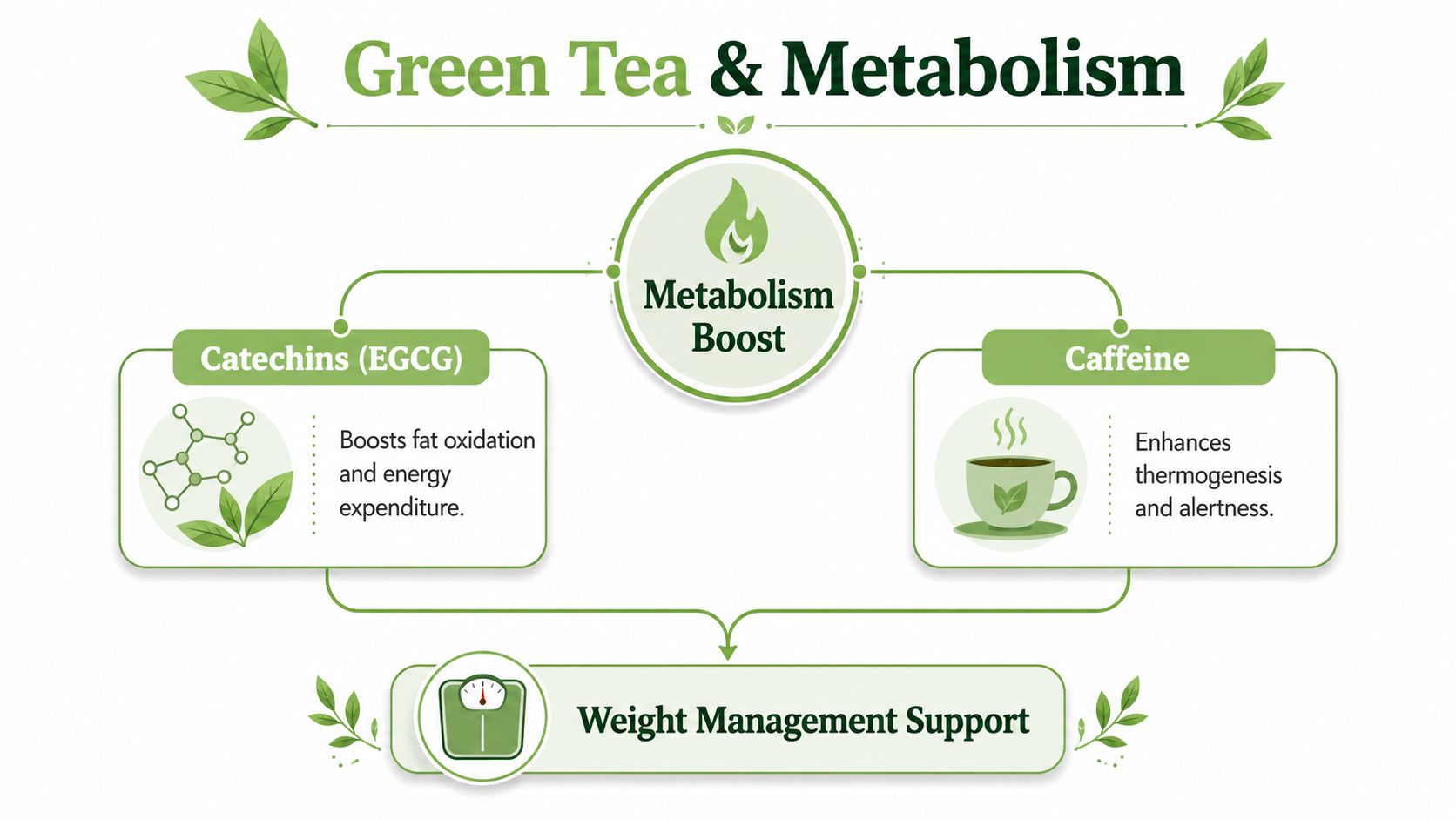
The simple version of the science
Think of your metabolism as your body's energy engine. Green tea doesn't replace the engine. It just gives it a gentle push.
EGCG is a catechin found in green tea. It's linked with fat oxidation, which means your body becomes a bit better at using fat for energy. Caffeine adds a mild stimulant effect, which can support thermogenesis, meaning the body uses energy to produce heat.
Together, those compounds may help with:
- Fat use during activity
- A slight lift in energy expenditure
- Better focus before a walk or workout
- Replacing higher-calorie beverages
What the evidence actually says
A Cochrane review discussed by CHOICE found that green tea preparations cause only modest weight loss, but a secondary analysis found that regular consumption over 12 weeks was linked to 1.3 kg greater weight loss than non-consumers. That's useful, but it also shows the effect is not huge.
People often expect green tea to do the heavy lifting. It won't. The effect is better described as incremental.
Practical rule: Green tea can support momentum. It doesn't create momentum from nothing.
Why that still matters
Small effects aren't useless. They're useful when they stack with other good habits.
For example, green tea may help if you:
- Drink it before exercise and feel more switched on
- Swap it for sweet milk tea or packaged drinks
- Use it as part of an organised morning routine
- Pair it with better food choices and consistent movement
If you're looking at the bigger picture, it also helps to learn about evidence-based metabolic foods so tea becomes one part of a sensible pattern, not the whole plan.
The takeaway
Green tea supports metabolism through EGCG and caffeine, but the support is modest. That's not bad news. It's just realistic news. Once you accept that, you can stop looking for magic and start choosing tea more intelligently.
Why Not All Green Teas Are Created Equal
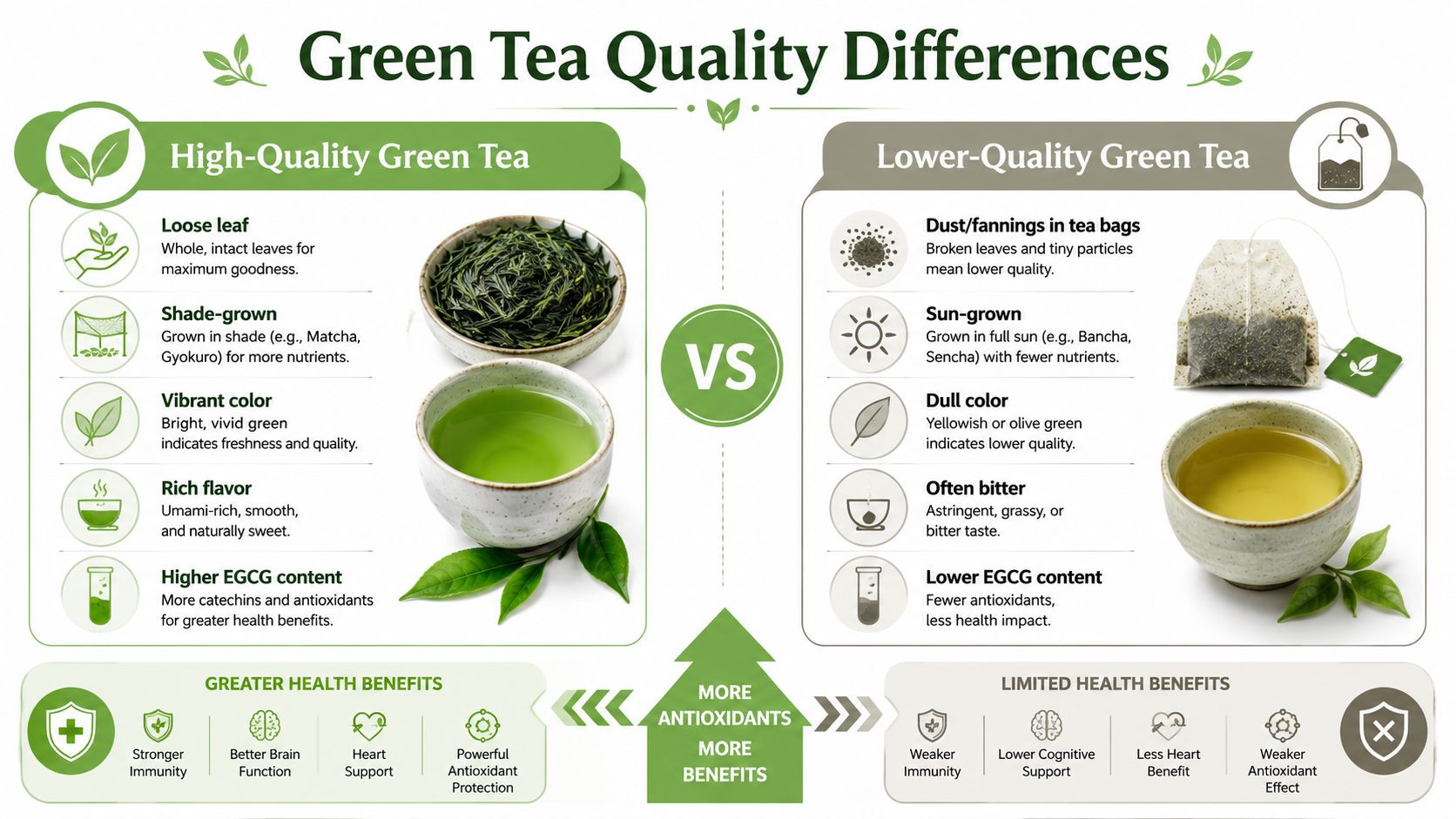
Most articles answering “which brand is best?” skip the most important detail. Not all green tea delivers the same amount of useful compounds.
That's why one person drinks cheap tea bags and notices nothing, while another chooses a better product and has a very different experience.
EGCG content matters more than branding
A key point from Lybrate's discussion is that the effectiveness of green tea for weight loss hinges on its EGCG concentration, which varies dramatically between products. It also notes that studies show 200–300mg of EGCG per serving is needed for a metabolic boost, and low-grade tea bags often don't reach that level.
So when readers ask for the best green tea for weight loss in Hindi, the better question is this: what kind of green tea gives me a worthwhile amount of EGCG?
Green Tea Formats Compared
| Feature | Standard Tea Bags | Loose-Leaf Tea | High-Grade Matcha |
|---|---|---|---|
| Leaf quality | Often lower-grade particles or dust | Better whole-leaf integrity | Finely stone-ground whole leaf |
| Flavour | Can taste flat or bitter | Fresher and more layered | Rich, vibrant, full-bodied |
| Nutrient access | Limited to what infuses into water | Better infusion potential | You consume the whole leaf |
| EGCG potential | Often lower | Moderate to good | Typically the strongest option |
| Best for | Convenience | Everyday tea drinkers | People prioritising potency and quality |
What to look for instead of a hypey label
A useful buying checklist looks like this:
- Leaf form: Whole leaf or powder usually tells you more than brand popularity.
- Colour: Dull, brownish-green tea often signals poorer freshness or handling.
- Processing: Careful processing helps preserve flavour and active compounds.
- Ingredient transparency: If a product leans on trendy add-ins but says little about the tea itself, be cautious.
If a tea is marketed for fat loss but tells you nothing about quality, that's a warning sign.
Cheap tea bags aren't always a bargain
A lower price can be fine if you want a light daily drink. But if your goal is metabolic support, quality becomes the key filter.
That's where many “best brand” lists fall apart. They compare names, flavours, and celebrity appeal, but they don't explain why one tea format may be more meaningful than another. Once you start judging tea by quality and EGCG potential, the conversation changes completely.
Spotlight on Matcha The Antioxidant Powerhouse
If standard green tea is a gentle wellness drink, matcha is the concentrated version. The reason is simple. With matcha, you consume the powdered leaf itself rather than just steeping leaves in water and discarding them.
That makes matcha especially interesting for readers who want the strongest green tea option in a practical daily form.
Why matcha stands out
Matcha is rich, vibrant, and more substantial than regular brewed green tea. Because it's a powder, every sip contains the leaf material itself. That's one reason it has become a favourite among people who want a cleaner pre-workout drink or a calmer alternative to coffee.
The most compelling point here comes from Pure Matcha's review of the evidence. It reports that high-grade organic matcha powder can increase fat-burning by 17% during exercise, largely due to its high EGCG concentration, which enhances thermogenesis and can block digestive enzymes when consumed 30 minutes before activity.
That's a very different claim from “drink tea and lose weight on the couch”. It ties the benefit to exercise, timing, and quality.
Matcha also suits real life
People often ask whether matcha is too intense, too grassy, or too hard to prepare. It doesn't have to be.
A good matcha offers:
- Smooth energy
- A more concentrated green tea experience
- Easy use in hot drinks, iced drinks, and smoothies
- A simple option before walking, gym work, or yoga
For readers who want to understand the broader nutritional appeal, this guide on matcha tea powder as a powerhouse of antioxidants gives helpful context.
Ceremonial or culinary
This is another point that often confuses people.
Ceremonial-grade matcha is usually chosen for drinking straight because the flavour is smoother and more refined. Culinary-grade matcha is often better for lattes, baking, smoothies, or recipes where other ingredients are involved.
If your main goal is a daily wellness drink, quality matters more than trendy packaging. Choose matcha that looks vibrant and tastes clean, not dull and harsh.
When seeking the “best” green tea in Hindi, matcha deserves a serious look. Not because it's fashionable, but because it solves the biggest problem in this category: weak tea with weak payoff.
Your Practical Guide to Using Green Tea and Matcha
Knowing what to buy is only half the job. The other half is using it in a way that fits your day.
When to drink it
Timing can make tea feel more useful.
Before exercise works well for many people. Matcha is especially popular here because it feels light, focused, and easy on the stomach. If you're using matcha in an exercise routine, the earlier research discussed above points to taking it 30 minutes before activity.
Between meals can also be helpful. Some people find a warm cup reduces the urge to snack mindlessly in the afternoon.
Earlier in the day is often best if you're sensitive to caffeine.
How to brew green tea properly
Poor brewing ruins a lot of green tea. If the water is too hot, the tea can turn harsh and bitter.
A simple approach:
- Heat water, but don't use boiling water straight away
- Steep briefly
- Taste and adjust next time
- Drink it plain if possible, especially if weight management is the goal
If you usually load green tea with sugar or honey, you may cancel out part of the benefit. Start with a milder tea and let your palate adjust.
How to make matcha without lumps
Matcha sounds fancy, but the method is easy.
- Sift the powder if it clumps
- Add a small amount of water first
- Whisk until smooth
- Top up with more water or unsweetened milk
A basic matcha latte works well with unsweetened milk and no syrup. If you want flavour, cinnamon can help without turning it into dessert.
For a more detailed routine, this article on the best way to drink green tea for weight loss is useful.
Easy ways to include it
Different routines suit different people:
- Morning swap: Replace a sugary café drink with plain green tea or a simple matcha.
- Pre-walk ritual: Have matcha before a brisk walk or training session.
- Smoothie add-in: Blend matcha into a low-sugar smoothie.
- Afternoon reset: Choose green tea instead of biscuits and another coffee.
A visual guide can help if you're new to prep techniques.
What not to do
Some habits undo the point:
- Don't treat tea like compensation for overeating
- Don't assume more is always better
- Don't buy poor-quality tea and expect premium results
- Don't ignore sleep, meals, and movement
The best green tea routine is the one you can repeat calmly, not the one that sounds extreme online.
Beyond Tea The Gut Health Link with Kombucha
Weight management isn't only about metabolism. Daily choices around digestion, cravings, and drink habits matter too.
That's where kombucha enters the picture in a different way from green tea. Kombucha is a fermented tea, and many people enjoy it as part of a gut-friendly routine. It isn't a fat-loss shortcut either, but it can be a smart replacement for sugary soft drinks or alcohol-heavy habits.
Why the swap matters
A lot of people focus on one “super drink” while ignoring the bigger issue. They still consume sweet beverages through the day.
Switching to kombucha can help because it offers:
- A more interesting alternative to soft drink
- A fermented tea option that fits wellness routines
- A refreshing choice for people trying to cut back on sugar-heavy drinks
- A social, alcohol-free option for cafés and home gatherings
Gut health and everyday habits
People often talk about the gut in overly complicated terms. In plain language, your digestive system influences how you feel day to day. When your routine is all over the place, food choices usually are too.
That doesn't mean kombucha solves weight issues. It means it can fit into a broader pattern that feels cleaner and easier to sustain.
A helpful drink is often the one that replaces a less helpful habit.
For readers interested in how fermented tea fits into this picture, this overview of the benefits of kombucha is a good starting point.
A sensible role for kombucha
Use kombucha as a complement, not a cure. If green tea or matcha supports focus and routine, kombucha can support the other side of the equation by giving you a more satisfying alternative to sugary drinks.
That combination makes more sense than chasing single-product promises.
Frequently Asked Questions About Green Tea
Can I lose weight by drinking green tea alone
Probably not in any meaningful way. The evidence discussed earlier shows green tea is better seen as a supportive tool, not a standalone solution. If there's no improvement in diet, movement, or overall routine, results are likely to be disappointing.
Which is better for weight management, green tea or matcha
If you're choosing based on potency and leaf use, matcha usually has the stronger case because you consume the whole powdered leaf. Standard green tea can still be a good choice, especially if you want something lighter and simpler.
How many cups should I drink
There isn't one perfect number for everyone. It depends on the product, how strong it is, and how you respond to caffeine. A practical approach is to start modestly and pay attention to sleep, digestion, and overall comfort.
Can I drink green tea at night
You can, but many people do better having it earlier in the day because of the caffeine content. If evening tea affects your sleep, shift it to morning or afternoon.
What should Hindi-speaking buyers look for first
Look beyond “best brand” lists. Focus on:
- Tea format
- Quality
- Freshness
- Ingredient transparency
- Whether it fits your actual routine
Is a tea bag enough
Sometimes, yes, if your main goal is replacing a less healthy drink. But if you're specifically interested in metabolic support, low-grade tea bags are often not the strongest option. That's why quality becomes the deciding factor.
If you want a cleaner, more realistic way to build a tea routine, explore Pep Tea for premium organic matcha and sugar-free organic kombucha made with an Australian wellness mindset.
The Best Way to Drink Green Tea for Weight Loss
You've probably done this already. Swapped a sugary drink for green tea, felt quite virtuous for a week, then wondered why nothing much changed.
That's where most advice falls over. It tells you to drink green tea, but not which kind, how to prepare it, or when to drink it if your goal is fat loss support rather than just having a nice warm cuppa.
The best way to drink green tea for weight loss isn't random. It works better as a system. You choose the right tea, prepare it properly so you don't wreck the useful compounds, and time it in a way that fits your day, your training, and your appetite patterns. Done well, it becomes a practical routine that supports a balanced diet and regular movement. Done poorly, it's just flavoured hot water.
If you're already trying to eat a bit better, move more, and stay consistent, even small habits matter. A handy tool like a recipe calorie checker can help you spot where “healthy” meals are surprisingly heavier than expected, which makes your tea routine far more useful in the bigger picture.
More Than Just a Cuppa The Role of Green Tea in a Wellness Journey
Green tea sits in a sweet spot for a lot of Australians. It feels simple, natural, and easy to stick with. No complicated program. No expensive gimmick. Just a daily habit that can support the work you're already doing.
But there's a catch. Not all green tea habits are equally helpful.
Some people drink it with breakfast, some sip it late at night, some brew it with boiling water until it turns bitter, and others load it with sweeteners that work against their goal. Then they say green tea “didn't do anything”. Fair enough. If the routine isn't set up well, the results won't be either.
Why the details matter
Green tea contains compounds people often talk about for metabolism and fat oxidation support. What matters in real life is whether you're getting enough of them, preserving them during preparation, and using the drink at times that match your body's rhythms and your daily habits.
That's why the best way to drink green tea for weight loss isn't just “have more cups”. It's closer to this:
- Choose the strongest format for your goal: Matcha gives you the whole leaf, not just an infusion.
- Use the right water temperature: Too hot, and you can reduce the useful catechins you were trying to get.
- Build a timing rhythm: Morning, pre-exercise, and afternoon can all play different roles.
- Keep expectations realistic: Green tea can support progress, but it won't replace calorie awareness, decent sleep, or movement.
Green tea works best as a quiet helper. It's not a shortcut, but it can make a solid routine easier to maintain.
Think support, not magic
A better way to frame it is this. Green tea may help you stay more organised with energy, routine, and snacking patterns. That alone makes it useful. Then, when you match that with smart preparation and timing, it becomes more than a wellness trend.
For many people, that's the difference between dabbling and building a habit that lasts.
Choosing Your Champion Why Matcha is Your Weight Loss Powerhouse
If you're serious about getting the most from green tea, matcha is the clear standout.
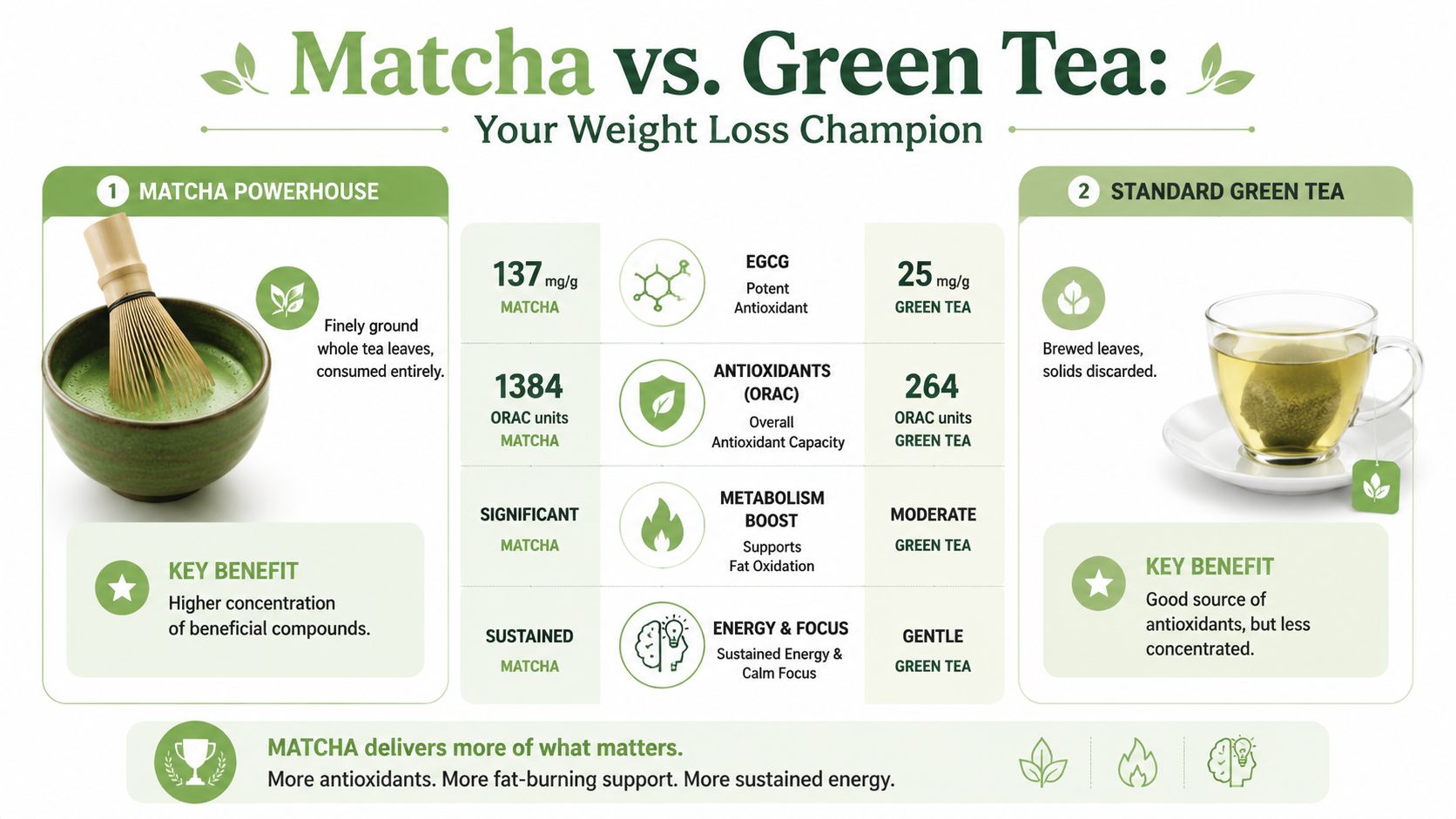
Regular green tea is brewed, then the leaves are removed. Matcha is different. The leaf is stone-ground into a fine powder and whisked into water, so you're drinking the whole thing. That one difference changes the whole conversation.
Whole-leaf drinking changes the payoff
When you drink standard brewed green tea, you're getting an extract from the leaf. Helpful, yes. But you're still leaving a lot behind.
With matcha, you consume the entire leaf. That means a more concentrated intake of the compounds that make green tea so interesting for weight loss support. This is the practical reason matcha often feels like the more strategic choice, not just the more fashionable one.
An Australian clinical study found that daily high-EGCg matcha led to an average weight loss of 2.9 kg over 12 weeks, and it outperformed regular green tea by 28% because full-leaf matcha delivered significantly more catechins per serving, according to this study summary on HealthyWomen.
Why matcha often fits real life better
The science matters, but so does the lived experience. Matcha is easy to build into a routine because it's flexible. You can drink it straight, iced, or as part of a lighter latte. It works before a walk, before a gym session, or mid-morning when you'd otherwise reach for another coffee and a snack.
Here's the simple comparison:
| Drink | How you consume it | Practical effect |
|---|---|---|
| Brewed green tea | Steeped leaves, then discarded | Lighter, gentler, less concentrated |
| Matcha | Whole powdered leaf whisked into water | More concentrated and better suited to a deliberate routine |
What to look for in a matcha
Not every green powder deserves your money. For everyday weight loss support, quality matters because taste affects consistency. If it tastes harsh, fishy, or overly bitter, it won't be consistently consumed.
Use these filters:
- Colour matters: A vibrant green usually signals fresher, better-handled tea.
- Texture matters too: Fine powder whisks more smoothly and feels better to drink.
- Start simple: If you're new, drink it with water before turning it into dessert in a mug.
- Choose a reliable source: Quality ceremonial-grade options, such as Uji matcha powder, make it easier to enjoy the ritual consistently.
Bottom line: If your goal is the best way to drink green tea for weight loss, matcha gives you the strongest starting point because it delivers the whole leaf.
That doesn't mean regular green tea is useless. It just means matcha is the sharper tool.
The Ritual of Preparation Unlocking Green Tea's Potential
Preparation can quietly make or break your results.
A lot of people buy good tea, then pour boiling water over it and wonder why it tastes bitter. That same mistake can also reduce the compounds they were hoping to keep. If you want the best way to drink green tea for weight loss, your brewing method needs to be part of the plan, not an afterthought.
The non-negotiable rule
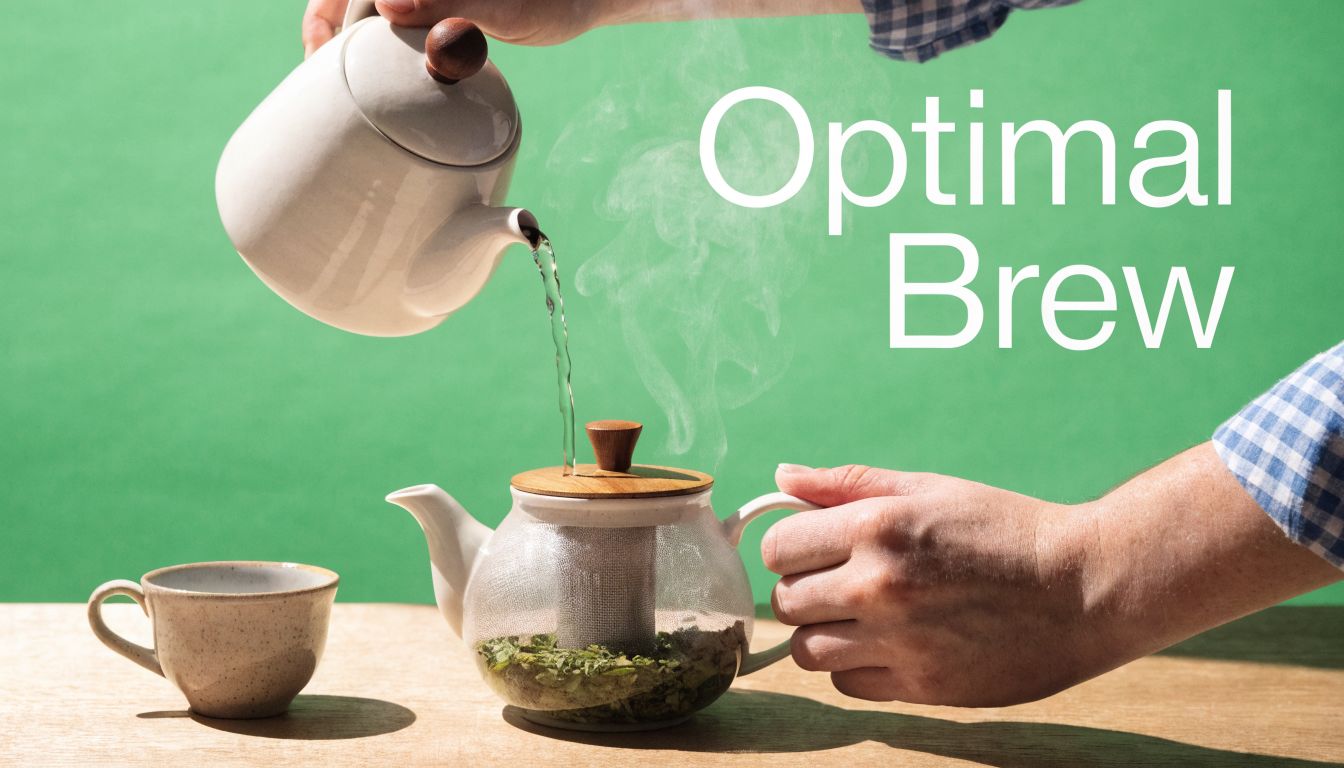
To maximise EGCG bioavailability by 40%, green tea should be prepared at 75 to 85°C for 2 to 3 minutes, and hotter temperatures can degrade up to 25% of the beneficial catechins, as outlined in Healthline's review of green tea and weight loss.
That sounds technical, but the practical message is dead simple. Don't use boiling water.
If you want a more controlled setup at home, especially if you drink tea often, this guide to instant boiling water taps is useful for thinking through hot water convenience and temperature control.
How to make brewed green tea properly
If you're using loose-leaf green tea or tea bags, keep it clean and restrained.
- Heat water, then let it cool slightly if it has reached a full boil.
- Aim for 75 to 85°C rather than a rolling boil.
- Steep for 2 to 3 minutes.
- Remove the leaves or bag promptly so it doesn't turn sharp and over-extracted.
A lighter, cleaner cup is usually the sign you've done it right.
Practical rule: If your green tea tastes aggressively bitter, your water was probably too hot, your steep was too long, or both.
How to prepare matcha for the best result
Matcha is less about steeping and more about suspension. You're whisking powder into water so you drink the leaf.
A reliable basic method looks like this:
- Sift the powder first: This helps avoid lumps.
- Use a small amount of warm water: Start with a splash to make a paste.
- Whisk briskly: A zig-zag motion gives a smoother finish.
- Top up with more water: Keep it pleasant and easy to drink, not overly thick.
For a visual walkthrough, this short guide on how to whisk matcha is handy if you want better texture without guesswork.
A quick demonstration helps too:
Don't turn a good drink into a milkshake
If weight loss is your focus, keep additions modest. A heavily sweetened café-style matcha can drift far from the point. A small amount of milk is one thing. A syrupy, oversized drink is another.
The ritual works best when it's simple, repeatable, and pleasant enough to become automatic.
Strategic Timing When to Drink Green Tea for a Metabolic Boost
A smart tea routine isn't only about what's in the cup. Timing changes the job the cup can do.
Drink it at the right time and green tea can support training, appetite control, and steady energy. Drink it randomly and you lose much of that structure. For many people, timing is the missing piece that makes the habit finally feel useful.
A simple daily blueprint
Research shows that consuming EGCG and caffeine from green tea 90 minutes before exercise produces a statistically significant increase in fat oxidation during the workout, and 2 to 3 cups daily appears to be the sweet spot for both benefits and long-term adherence, according to this timing guide on Simple Loose Leaf.
That gives us a practical rhythm rather than random sipping.

The three moments that make the most sense
Mid-morning after breakfast
This is a great slot if you don't love caffeine on an empty stomach. You've eaten, your day is underway, and a cup of green tea or matcha can help create a clean break between breakfast and mindless snacking.
It also suits people who otherwise chain coffees through the morning.
Before exercise
This is the most strategic slot if fat oxidation support is your main goal. If your training is planned, try having your green tea well before the session rather than chugging it in the car park outside the gym.
Walking, cycling, strength work, and even a solid beach walk all count. The point is to pair the tea with movement, not to treat it like a substitute for movement.
Mid-afternoon between meals
Green tea excels for people who get the 3 pm wobble. You're not necessarily hungry, but you want something. A well-timed iced green tea or matcha can help keep the day steady without pushing you toward biscuits, vending machine snacks, or a second dessert-coffee.
For many people, the best cup isn't the earliest one. It's the one that stops the next unnecessary snack.
What a practical day can look like
| Time | Best use | Why it works |
|---|---|---|
| Mid-morning | First cup after breakfast | Supports a steadier start |
| Before training | Matcha or green tea ahead of exercise | Best fit for fat oxidation support |
| Afternoon | Light cup between meals | Helps maintain routine and energy |
If you're also working on movement, this resource on fitness for metabolic well-being gives useful broader context on how exercise supports the same goal from another angle.
Keep it doable
The best schedule is the one you'll repeat. If you hate early mornings, don't force dawn matcha. If you train after work, place your tea around that. A useful routine should feel organised, not exhausting.
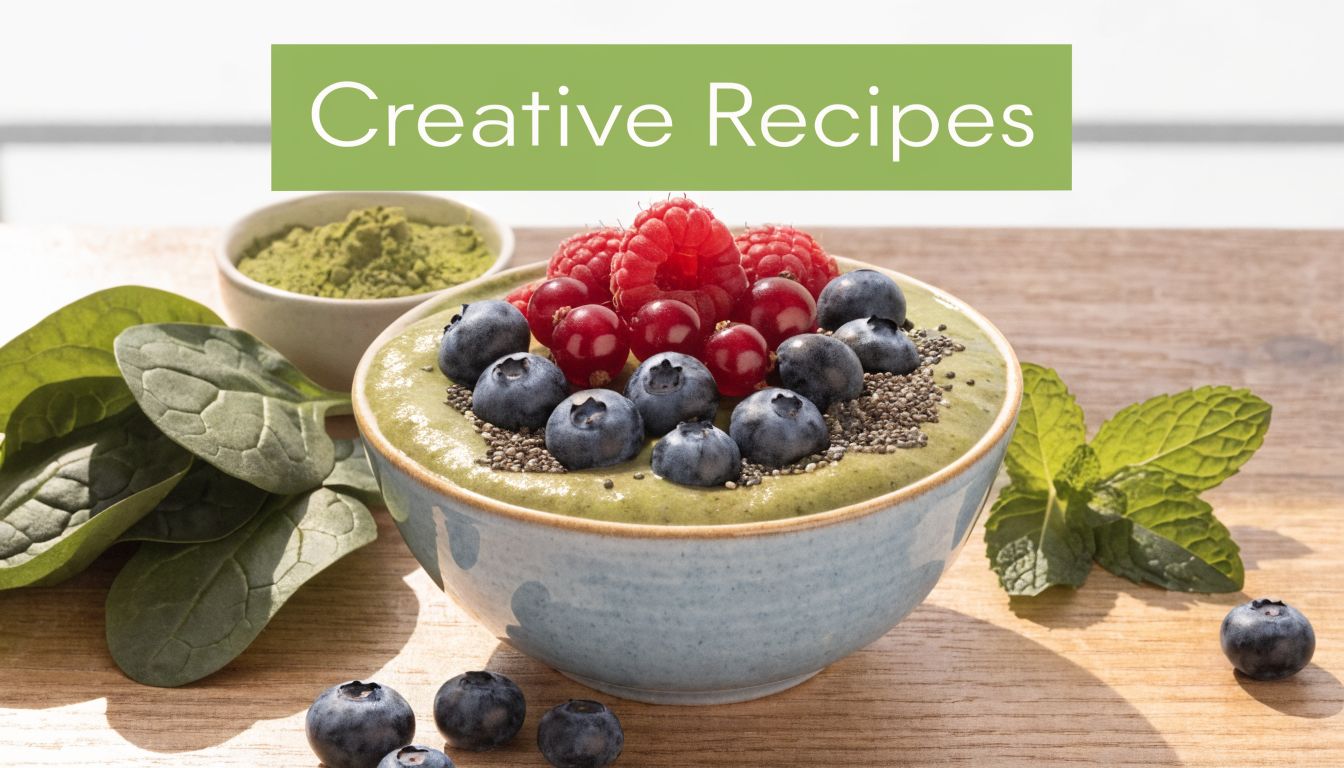
Beyond the Brew Creative Recipes to Keep You Motivated
Even the best routine can go stale if every cup feels like homework.
That's why enjoyment matters. If you like the taste and the ritual, you'll stick with it. If every drink feels medicinal, you'll drift back to whatever's easiest. The best way to drink green tea for weight loss has to be sustainable enough for real life, including hot Australian afternoons and busy workdays.
Iced matcha for warm days
A cold matcha is one of the easiest ways to keep the habit going through summer.
Shake or whisk matcha with a little warm water first so it dissolves properly. Then pour it over ice and top with cold water. If you like a softer flavour, add a splash of unsweetened milk.
The result is clean, grassy, refreshing, and far lighter than many takeaway drinks.
A lighter matcha latte that still feels comforting
A matcha latte doesn't have to become a dessert.
Try this approach:
- Start with whisked matcha: Smooth it with a small amount of warm water first.
- Use unsweetened milk or a dairy-free option: Oat, almond, or regular milk can all work.
- Keep sweetness optional: If you use anything, use a small amount.
- Watch the portion: Bigger isn't automatically better.
This version works well when you want something cosy without turning your tea habit into a sugar delivery system.
A smoothie option for busy mornings
If breakfast is rushed, a matcha smoothie can be practical. Blend matcha with yoghurt or a dairy-free base, some fruit, and ice. Keep the ingredient list short. The goal is convenience and routine, not building a café menu in your blender.
A simple flavour combo often works best. Banana softens matcha's grassy edge. Berries add brightness. The tea stays noticeable without becoming overwhelming.
A good recipe should make consistency easier. If it takes too long or uses half the pantry, most people won't repeat it.
One recipe doesn't suit every day
Some days call for a straight whisked matcha. Some days you want iced. Some days you want it folded into a snack or smoothie. That variation can keep the routine enjoyable without changing the core habit.
If you want more ideas that stay aligned with your goal, these matcha drink recipes for weight loss give you a few practical options to rotate through.
Smart Sipping Dosage Safety and Realistic Expectations
At this stage, a lot of people either overdo it or give up too early.
Green tea can support weight loss, but it's still caffeinated, and more isn't automatically better. Chasing extreme intake usually leads to one of two outcomes. You feel rubbish, or you get sick of the whole routine and stop.
How much is sensible
A good working range is 2 to 3 cups a day, or the matcha equivalent. That's enough to build a meaningful habit without making your day revolve around tea.
If you're caffeine-sensitive, start lower. One properly made cup at the right time is better than several cups that leave you feeling edgy, hungry, or flat later on.
Here are the signs your dose probably suits you:
- You feel steady, not wired: Calm alertness is the aim.
- Sleep remains solid: If sleep drops off, your timing or amount needs adjusting.
- You can stay consistent: The best routine is the one you can repeat for weeks, not days.
- Your appetite stays manageable: Tea should support your routine, not replace proper meals.
The evening tea question
The old rule says no caffeine after 3 pm. Real life is a bit more nuanced.
Emerging research suggests the L-theanine in premium matcha at 20 to 40 mg per cup may help mitigate cortisol spikes, and one study reported 12% higher nocturnal fat oxidation without disrupting sleep, as discussed in this Holland & Barrett article on green tea for weight loss.
That doesn't mean everyone should start drinking matcha at night. It means the blanket rule isn't perfect for every person.
A sensible way to test your tolerance
| If you're this kind of drinker | Better approach |
|---|---|
| Very caffeine-sensitive | Keep green tea earlier in the day |
| Moderately tolerant | Trial a lighter afternoon serve |
| Generally fine with caffeine | You may tolerate later matcha, but test it honestly |
Sleep still matters more than squeezing in one extra cup. If a later serve leaves you restless, it isn't helping your weight loss effort.
Keep your expectations grounded
Green tea isn't a magic fix. It won't cancel out oversized portions, regular takeaway meals, poor sleep, or zero movement. What it can do is support a well-run routine. It may help with structure, better drink choices, pre-workout rhythm, and consistency.
That's plenty. Sustainable progress usually comes from habits like these.
If you'd like to put this into practice with high-quality organic options, explore Pep Tea for premium matcha and sugar-free organic kombucha made for everyday Australian wellness routines.
7 Best Matcha Recipes for Weight Loss in 2026
Why do so many matcha recipes for weight loss sound healthy on paper, then leave you hungry, jittery, or reaching for something sweet an hour later?
The problem usually is not matcha itself. It is the recipe design around it. A useful weight-loss recipe needs to do two jobs at once. It should support a calorie-conscious routine, and it should also feel satisfying enough to repeat in real life.
That is where premium organic matcha stands out. Good matcha naturally contains catechins such as EGCG and also L-Theanine, a combination people often turn to for steadier energy and a calmer, more focused feeling than coffee alone. At PepTea, we like to treat matcha as one part of a balanced framework, not a magic ingredient.
The framework matters. High-protein breakfasts can help you stay full longer. Low-GI drink bases can make energy feel more even. Savoury recipes and smarter snacks can reduce the cycle of drinking calories, then hunting for biscuits or pastries later. Matcha works a bit like a strong supporting actor here. It brings its own benefits, but the full result depends on what you pair it with.
Australia's weight and nutrition picture also explains why simple wellness habits matter. The Australian Bureau of Statistics National Health Survey 2022 reports that overweight and obesity remain common among Australian adults. That helps explain the growing interest in practical recipes that are easy to make at home and easier to stick with than extreme plans.
You will notice that this list is not just a collection of green drinks. Each recipe uses matcha with a specific structure, such as protein for fullness, lower-sugar ingredients for better balance, or lighter replacements for higher-calorie cafe habits. If you are already improving your routine, it also helps to pair drinks with sensible snack choices like these low-sugar weight loss snacks.
1. Matcha Green Tea Smoothie Bowl
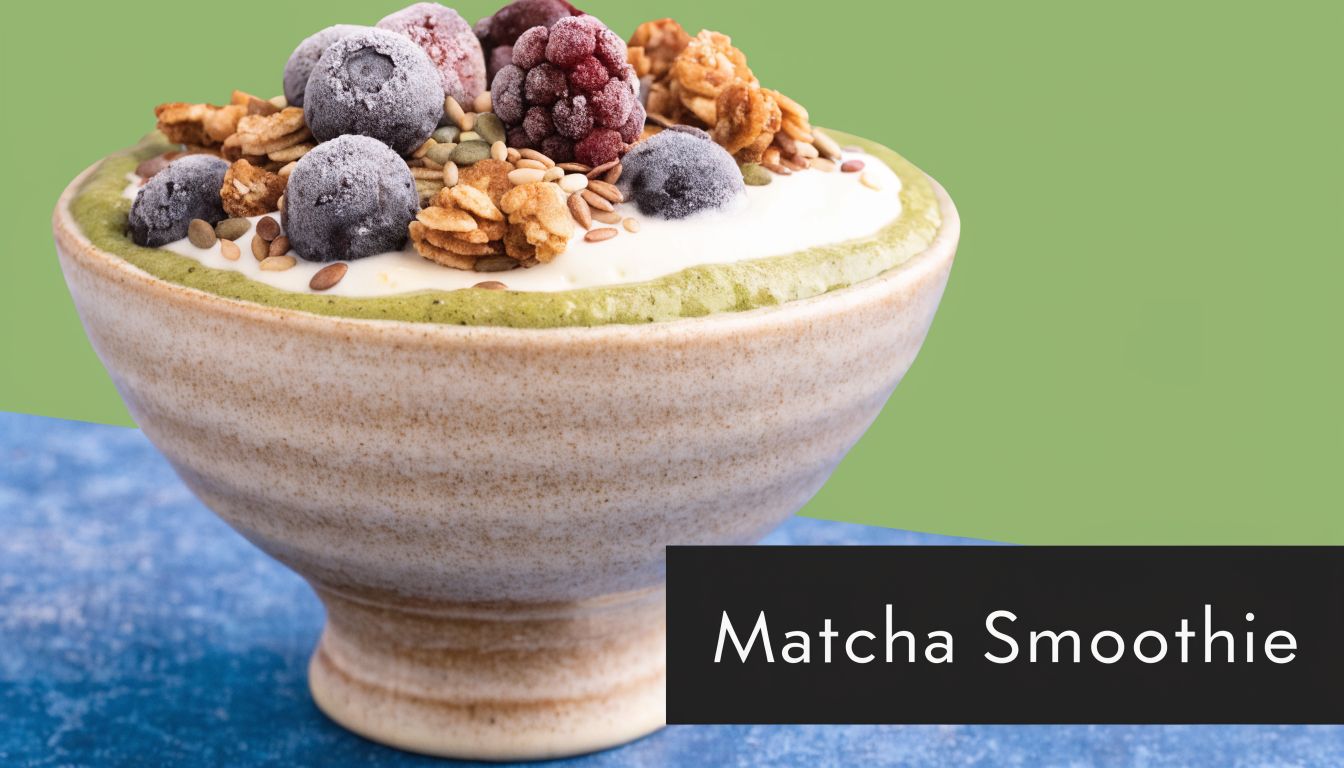
What if your matcha breakfast could do more than taste healthy? A well-built smoothie bowl can pair premium organic matcha's EGCG and L-Theanine with protein and lower-GI ingredients, so the bowl works harder for fullness, steadier energy, and fewer snack cravings later.
A smoothie bowl helps because it feels like a real meal. You eat it with a spoon, you notice the texture, and you are less likely to rush through it the way people often do with sweet drinks. That matters for weight loss. Matcha can support the routine, but the recipe structure carries much of the result.
At PepTea, we like this bowl because it is simple to balance. Start with Greek yoghurt for protein, frozen berries for fibre and natural sweetness, and a splash of unsweetened almond milk to blend. Then add 1 to 2 grams of premium matcha, whisked first with a little warm water so it blends smoothly instead of forming green lumps.
The goal is not to make the bowl as light as possible. The goal is to make it satisfying enough so that breakfast lasts.
That is where the pairing gets interesting. Matcha brings concentrated green tea compounds, while Greek yoghurt slows the meal down and helps keep you full. Berries are usually a smarter fruit base than juices or sweetened smoothie packs because they keep the sugar load lower. It works like building a steady campfire instead of tossing in paper that flares fast and disappears.
If you want a simple framework, use this:
- Protein base: Greek yoghurt or a high-protein unsweetened yoghurt
- Matcha prep: Whisk matcha with warm water first for a smoother texture
- Low-GI fruit: Frozen berries over banana-heavy blends
- Measured toppings: Chia, pumpkin seeds, and a small spoonful of granola
- Extra sweetness only if needed: Cinnamon or vanilla before honey
Practical rule: Toppings should add texture, not turn breakfast into dessert.
Many smoothie bowls go off track at the finish line. Nut butter, honey, granola, coconut flakes, and dried fruit can stack up quickly. A better approach is to choose one crunchy topping and one seed topping, then stop there.
If you are still learning how matcha supports everyday wellness, our guide to matcha and kombucha benefits for balanced energy and wellness explains why premium matcha quality makes such a difference.
This bowl also adapts well to real life. After a morning walk, it can feel light but still grounding. On a busy workday, it gives you a breakfast framework that is easy to repeat, and repeatable habits usually beat complicated healthy recipes every time.
2. Matcha Kombucha Detox Elixir
Could one light, fizzy drink support a weight-loss routine better than a sugary afternoon pick-me-up?
It can, if you build it with the right framework. A matcha kombucha elixir works best when it combines premium organic matcha, which is naturally rich in EGCG and L-Theanine, with a low-sugar kombucha and fresh, sharp flavours like ginger or citrus. That combination gives you a drink that feels refreshing, but still fits the bigger goal of steadier energy and better appetite control.
At Pep Tea, we like this recipe because it brings together two habits people already enjoy, then tightens the structure so it supports wellness more clearly. The key is not the word "detox." The key is choosing ingredients that stay light, low in added sugar, and easy to repeat.
Why the pairing makes sense
Premium matcha and kombucha play different roles. Matcha contributes the concentrated green tea compounds people often look for in wellness routines, especially EGCG, while L-Theanine helps give matcha its calmer, more level feel compared with a jittery energy drink. Kombucha adds acidity, sparkle, and a fermented base that makes the drink more interesting without needing syrup or juice.
That matters for weight loss because recipe structure changes the outcome. If the drink becomes a sweet mocktail, it works against you. If it stays crisp and low GI, it can replace higher-sugar drinks and help keep your routine more consistent.
A good way to picture it is this. Matcha is the anchor, kombucha is the lift, and ginger or lemon acts like a brightness switch that wakes up the whole glass without adding much sugar.
For a simple home version, whisk matcha with a small amount of warm water first so it blends smoothly. Let it cool for a minute, pour it over ice, then top with unsweetened or low-sugar kombucha. Add a few slices of fresh ginger or a squeeze of lemon or lime.
If you want an even cleaner result, start with high-quality latte matcha powder for smooth everyday drinks. Better matcha usually tastes less harsh, which means you are less likely to cover it up with sweeteners.
If you want to understand the overlap between these two ingredients a bit more, Pep Tea breaks it down in this guide to green tea benefits of matcha and kombucha.
A practical use case is the late afternoon slump. This drink can replace a second coffee or a sweet snack while still feeling enjoyable, and that swap often matters more than chasing fancy wellness claims. Consistent, lower-sugar choices tend to do more for real-world weight management than complicated recipes people only make once.
3. Matcha Protein Latte Iced or Hot
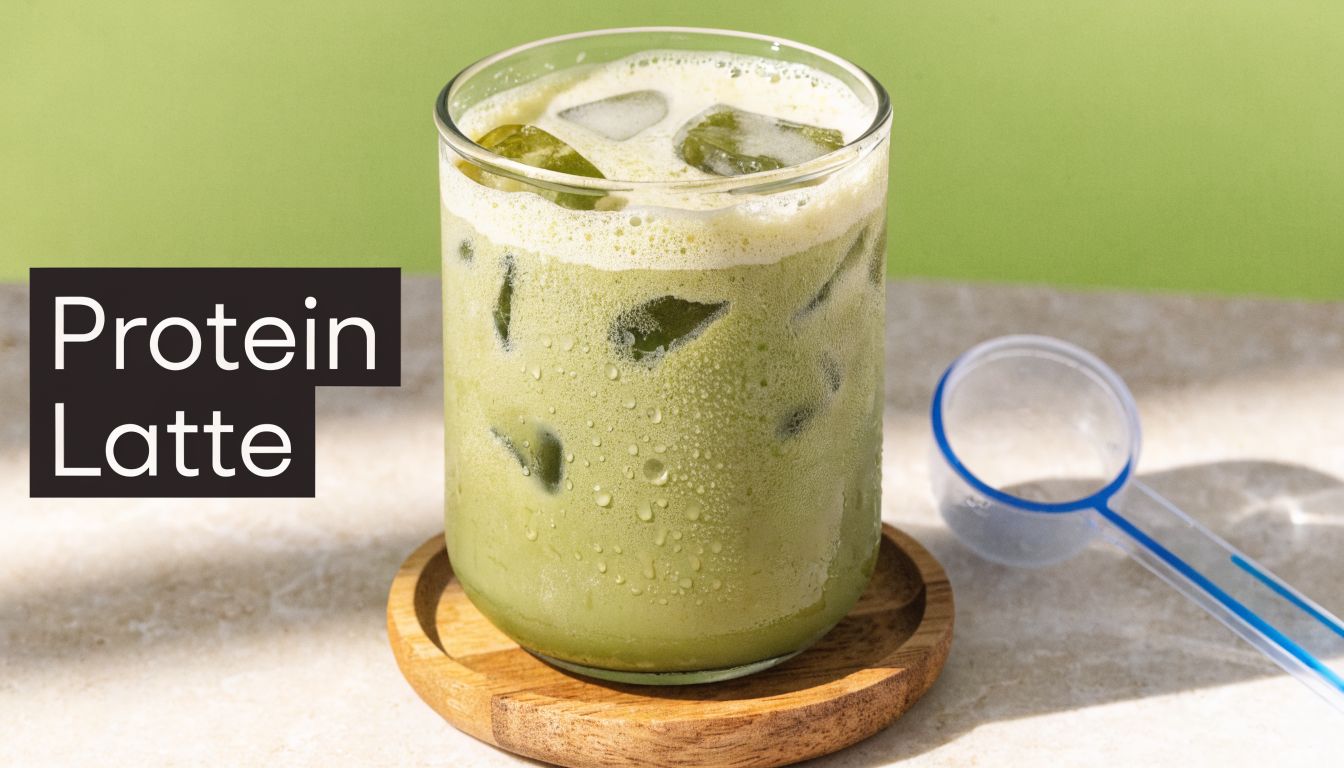
Want a matcha recipe that feels comforting like a latte, but works harder for weight-loss goals than a standard café order?
A protein matcha latte stands out because it combines two useful ideas in one cup. Premium organic matcha brings compounds people often look for in wellness routines, especially EGCG and L-Theanine. A high-protein, low-sugar latte framework then changes how satisfying that drink feels, which can make it easier to stay full and avoid the usual muffin-or-biscuit follow-up.
That pairing is an advantage here. Matcha gives you the tea benefits. Protein gives the drink structure, almost like turning a light snack into a more complete mini-meal.
A simple home version uses 3g matcha, 200ml unsweetened almond milk, and 20 to 25g unflavoured or lightly flavoured protein powder. Pea protein works well if you want a dairy-free option, while whey often gives a creamier finish. The key is keeping the recipe low GI and low in added sugar, so the latte supports steadier energy instead of tasting healthy but acting like dessert.
Why this recipe works so well in real life
Many people do not struggle because they lack recipes. They struggle because their healthy options are not filling enough to repeat. This one solves that problem better than plain matcha or a sweet café latte.
Matcha and protein also need a little technique to work well together. If you stir everything into cold milk at once, the powder can clump and the texture turns chalky. Whisk the matcha first with a small amount of warm water, then shake or blend it with the milk and protein. That one extra step usually gives a much smoother drink.
A few easy upgrades help:
- Use unsweetened milk: This keeps the drink lighter and lowers unnecessary sugar.
- Add cinnamon or vanilla: These soften grassy notes without relying on syrups.
- Choose better matcha for lattes: A cleaner-tasting powder means less need to mask bitterness. Pep Tea's latte matcha powder for smooth protein lattes is made for this style of everyday drink.
Hot works well when you want something cosy and slow. Iced is useful when you need a quick breakfast or post-walk drink in warm weather.
If you run a café or notice menu trends, protein matcha lattes have also become more common because they fit what many health-conscious customers want. Pep Tea has seen growing interest from venues adding organic matcha to high-protein drinks, which lines up with the broader shift toward lower-sugar, functional café options.
For weight loss, that practical repeatability matters. The best recipe is often the one you will stick with three times a week.
4. Matcha Green Tea Intermittent Fasting Drink
Could the simplest matcha recipe be one of the most useful for weight loss?
During a fasting window, plain whisked matcha gives you a small ritual without turning into a full snack or latte. That matters because fasting often breaks down less from true hunger and more from friction, boredom, or the urge to have something comforting in your hands. A warm cup of matcha can meet that need while keeping the drink minimal.
The basic formula is just matcha and hot water. Some people add a tiny pinch of sea salt for taste, especially if they want a smoother savoury edge, but the core strength of this recipe is how little it asks from your body.
Keep it simple during a fasting window
In such a simple drink, quality matters. With no milk, sweetener, or protein to soften harsh notes, you taste the powder clearly. A premium organic matcha with naturally higher EGCG and a gentler L-Theanine-rich profile is easier to drink plain, which makes the habit easier to repeat.
That synergy is the main advantage here. High-protein, low-GI recipes work well later in the day when you want staying power. During the fasting window, this stripped-back version gives you matcha's focused, steady feel without adding the heavier ingredients designed for meals. It fills a different role in the overall framework.
A plain serving of matcha is very light, so many people use it as a simple fasting-friendly option when they want something warm and purposeful.
A plain cup of matcha can feel small, but small rituals often keep bigger habits on track.
Use water that is hot, not boiling. Boiling water can flatten the sweeter, softer notes and pull forward bitterness. Whisk the matcha with a small amount of water first, then add the rest, until the surface looks lightly frothy. Sip slowly. Matcha works better here as a steady companion than a quick shot.
A few moments when this drink tends to work especially well:
- Early morning: for clear-headed energy before your first meal
- Mid-fast: when habit or boredom starts feeling like hunger
- Busy travel or work days: when simple choices are easier to keep consistent
It is a quiet recipe, but quiet recipes often last. If your goal is sustainable fat loss, the best matcha drink is not the fanciest one. It is the one that fits the job you need it to do.
5. Matcha Energy Balls with Kombucha Reduction
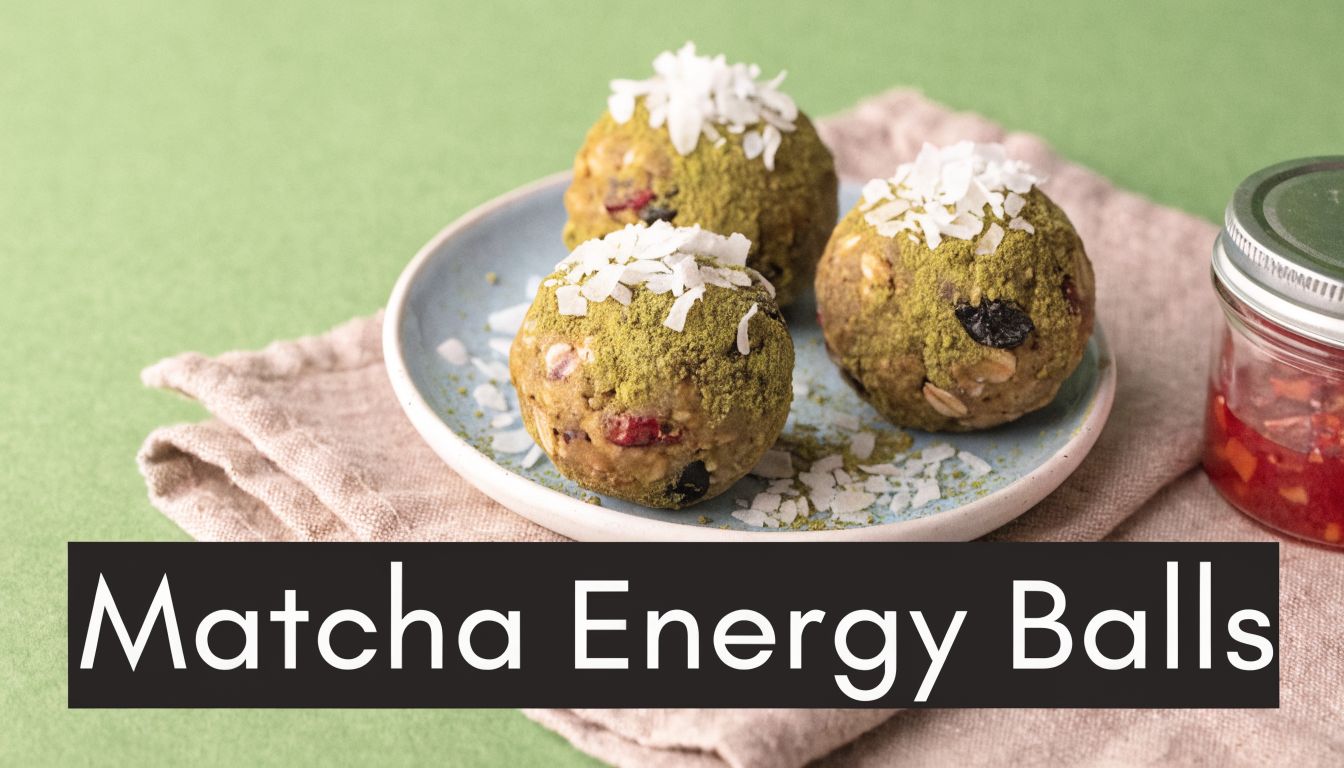
What if your weight-loss matcha recipe needed to fit in your bag, not your blender?
Matcha energy balls solve a very practical problem. Many people do fine at breakfast, then lose momentum when the afternoon snack gap hits. A small, planned snack with protein, fibre, and a lower-GI base can steady that moment far better than a random sweet bite. Add premium organic matcha, and the recipe starts doing more than most snack balls do. You get the pairing this article keeps coming back to. Matcha's naturally occurring EGCG and L-Theanine, plus a framework that slows the rush-and-crash cycle.
A reliable base is simple. Use almond meal or finely ground almonds, unsweetened coconut, a spoonful of quality matcha, and just enough binder to hold everything together. If you want a tangy twist, reduce kombucha gently on the stove until it thickens slightly, then add a small amount to the mix. Too much makes the mixture sticky and pushes the sugar load up, so restraint matters here.
The goal is portioned support, not a dessert in disguise.
That distinction helps with weight loss. High-protein, low-GI recipes work like slower-burning fuel. They release energy more steadily, which can make it easier to stay consistent between meals. Matcha fits neatly into that structure because it adds a focused, steady feel without needing syrups or heavy sweeteners. If you are still comparing powders, this guide to the best green tea for weight loss can help you choose a matcha that tastes smooth enough to use often.
A few details make a big difference:
- Use a fine almond crumb: A smoother texture holds together better and gives a more even bite.
- Mix matcha with the dry ingredients first: This prevents green clumps and spreads the flavour evenly.
- Chill before the final roll: Soft mixture is easier to shape, but a short chill helps the balls set neatly.
- Keep the kombucha reduction modest: You want brightness, not a wet mixture that falls apart.
These work well in a lunchbox, desk drawer, or gym bag. That flexibility matters. A wellness routine only lasts when it still works on ordinary days, and recipes like this make matcha feel less like a project and more like a habit you can keep.
6. Matcha Metabolism-Boosting Water Infusion
What if the simplest weight-loss-friendly matcha recipe is the one that makes plain water easier to finish?
A cold matcha water infusion is useful for people who want the benefits of premium organic matcha without another full snack or calorie-heavy drink. It gives hydration more interest, and it lets matcha's natural EGCG and L-Theanine stay in the routine in a very light format. That pairing matters here. High-quality matcha can support a steadier, more focused feel, while the recipe itself stays low in sugar and easy to fit around high-protein, low-GI meals.
Light, simple, and easy to repeat
The method is straightforward. Add about 1 teaspoon of matcha to a bottle or jug of cold water, whisk or shake well, then add lemon, lime, cucumber, or a few mint leaves. If the texture feels grassy or a little grainy at first, stir again after a minute or strain it before drinking. Matcha is a whole powdered leaf, so a little settling is normal.
This drink works like a bridge between meals, not a meal on its own. That distinction helps. A water infusion will not keep you full for hours, but it can make it easier to stay hydrated and keep your matcha habit consistent without reaching for sweet bottled drinks.
Some people also like adding a small splash of apple cider vinegar. If you enjoy the taste and it suits your digestion, that can fit into the mix. If not, skip it. The useful part of this recipe is its simplicity, not forcing extra ingredients into your bottle.
One useful habit: Make a jug in the morning and leave it somewhere visible. People usually drink what is already within reach.
Quality matters more in a recipe this minimal because there is nowhere for a rough, bitter powder to hide. If you want a smoother option for lighter drinks, Pep Tea explains what to look for in this guide to the best green tea for weight loss.
This is an especially practical option on hot days, after a walk, or during long work-from-home stretches when hydration slips down the priority list.
7. Matcha Superfood Salad Dressing
What if your salad dressing could do more than add flavour?
This recipe works well for weight loss because it brings two helpful pieces together. Premium organic matcha contributes EGCG and L-Theanine, while the dressing framework keeps the meal grounded with protein, healthy fats, and a lower glycaemic load. That combination matters. A salad is much easier to stay consistent with when it feels satisfying instead of sparse.
A creamy matcha dressing made with Greek yoghurt, tahini, lemon juice, and garlic gives vegetables more staying power. Greek yoghurt adds protein. Tahini slows the meal down a little, so the salad feels steady rather than fleeting. Matcha adds a clean, earthy note that pairs especially well with spinach, kale, cucumber, avocado, edamame, or grilled chicken.
The easiest way to understand this recipe is to picture it as a support layer for the whole bowl. The greens bring volume. The protein helps with fullness. The dressing ties everything together and gives matcha a practical job outside the mug.
Matcha beyond sweet recipes
Savoury matcha can surprise people at first. If you have only had it in lattes or smoothies, a salad dressing may sound unusual. But the grassy character of good matcha behaves a lot like a fresh herb here. It brightens the dressing rather than taking it over.
A few small steps make the texture much better:
- Whisk the matcha first. Mix it with a spoonful of warm water so it blends smoothly instead of leaving green specks.
- Add the creamy ingredients next. Stir in Greek yoghurt and tahini until the dressing looks even.
- Season last. Add lemon juice, garlic, salt, and pepper a little at a time, then taste and adjust.
If the flavour feels too strong on the first try, use a little less matcha and a bit more lemon. If it tastes flat, the issue is usually seasoning, not the matcha itself.
This dressing is especially useful for lunches that need to feel light but still complete. Use it on a salad with chicken, tofu, salmon, or boiled eggs for a high-protein, lower-GI meal structure. That is the essential advantage here. Matcha is not acting alone. It works alongside ingredients that help keep energy and appetite on a steadier track.
7-Item Matcha Weight-Loss Recipe Comparison
| Item | 🔄 Implementation Complexity | 💡 Resource Requirements | ⚡ Preparation Speed | 📊 Expected Outcomes | ⭐ Ideal Use Cases / Key Advantages |
|---|---|---|---|---|---|
| Matcha Green Tea Smoothie Bowl | Medium, blending + toppings, basic technique | Moderate, ceremonial matcha, yogurt/milk, frozen fruit, granola | Fast, 5–10 minutes | Sustained satiety, antioxidant intake; 250–350 kcal | Ideal breakfast/pre-workout; high satiety, customizable, visually appealing |
| Matcha Kombucha Detox Elixir | Medium–High, requires quality kombucha sourcing or brewing | Moderate, raw kombucha, matcha, ginger, lemon (premium ingredients) | Moderate, quick assembly if kombucha ready | Supports gut health, probiotics, modest metabolic boost; ~30–50 kcal/8oz | Ideal for detox programs and gut-focused routines; synergistic probio+EGCG benefits |
| Matcha Protein Latte (Iced/Hot) | Low, simple whisking and mixing with protein powder | Low, matcha, milk alternative, protein powder | Very fast, 2–5 minutes | High satiety and muscle support; meal-replacement potential (120–180 kcal) | Ideal on-the-go meal replacement and fitness transitions; reduces high-calorie coffee drinks |
| Matcha Green Tea Intermittent Fasting Drink | Low, minimal ingredients, strict no-additive prep | Minimal, ceremonial matcha, hot water, optional pinch of sea salt | Very fast, near-instant | Maintains fasting state, mental clarity, appetite suppression; 0–5 kcal | Ideal for IF/keto/biohacking; preserves autophagy and energy without calories |
| Matcha Energy Balls with Kombucha Reduction | Medium, no-bake assembly + kombucha reduction step | Moderate, nuts, coconut, kombucha, matcha, food processor | Moderate, 20–30 minutes prep + chill time | Portable, portion-controlled energy; ~50–80 kcal/ball with probiotics | Ideal as grab-and-go snack or pre-workout; whole-food sweet replacement, no refined sugar |
| Matcha Metabolism-Boosting Water Infusion | Low (hands-off), simple prep but long cold-brew time | Minimal, matcha, water, citrus/cucumber; pitcher for batch brew | Slow brew, 8–12 hours extraction, then ready all day | Enhances hydration and thermogenesis (3–8% calorie burn boost); 0 kcal | Ideal for all-day hydration and weight-loss challenges; low-cost batch prep for sustained boost |
| Matcha Superfood Salad Dressing | Low–Medium, whisking technique to emulsify yogurt/tahini | Moderate, matcha, Greek yogurt (or swap), tahini, lemon, garlic | Fast, 5–10 minutes; batchable 5–7 days | Increases salad satiety and nutrient absorption; ~80–120 kcal/2 tbsp | Ideal for making salads more satisfying and protein-rich; enhances EGCG absorption with healthy fats |
Start Your Matcha Wellness Journey Today
What makes matcha recipes for weight loss work long term. Fancy ingredients, or a recipe you can repeat without effort?
The answer is usually repeatability. The strongest recipe is the one that fits into real life on a Monday morning, survives a busy week, and still tastes good a month later. That is why the recipes in this guide follow simple frameworks with a clear purpose. A high-protein latte can replace a sugary café drink. A low-GI smoothie bowl can keep you full for longer. A plain fasting drink can support focus without turning into a snack. A savoury dressing can make a nutrient-dense meal more satisfying.
Quality matters because matcha is the whole leaf, finely ground. You are not steeping it and throwing the leaves away. You are drinking all of it. Premium organic matcha usually gives you a smoother taste, a gentler finish, and a composition people often look for in wellness routines, including naturally occurring EGCG and L-Theanine. That pairing is part of what makes matcha different from many quick-energy drinks. EGCG is the catechin people associate with matcha's metabolic benefits, while L-Theanine helps create a calmer, steadier feel. In practice, that means the recipe framework and the powder need to work together. High-quality matcha plus protein, fibre, and lower-GI ingredients often creates a result that feels more stable and sustainable than sweet, low-satiety options.
That is a significant shift.
Instead of chasing vague “fat-burning” promises, it helps to build a routine around appetite control, steady energy, and meals that leave you satisfied. A smoothie bowl with protein and seeds works like a slower-burning log on a fire compared with a sugary breakfast that flares up and disappears. A matcha latte with protein can turn an afternoon slump into a more controlled reset. Small design choices in a recipe can change how full, focused, and consistent you feel.
If you'd like to organise those meals more intentionally, this guide on how to meal plan for weight loss is a practical next step.
At Pep Tea, we care about making this feel simple and doable. We offer organic Japanese matcha and Australian-brewed sugar-free organic kombucha, and both fit naturally into the recipe structures above. You do not need to change everything at once. Start with one recipe that suits your routine, repeat it until it feels easy, then add another. That is how a wellness habit sticks.
If you're ready to try matcha in a way that feels simple and sustainable, explore Pep Tea for organic matcha, sugar-free kombucha, and everyday recipe inspiration suited for Australian lifestyles.
Best Green Tea Capsules for Weight Loss: A 2026 AU Guide
If you're looking at green tea capsules because you want a simple, natural push with weight management, that's a fair question. Many individuals aren't chasing a miracle. They want something practical that fits a busy week, doesn't feel extreme, and won't undo their efforts with food, exercise, and sleep.
Green tea capsules do have a place. Some extracts are concentrated, some are poorly labelled, and some are much better than others. But capsules also raise a bigger question. Is isolating one compound the best long-term strategy, or does a whole-food tea ritual give you broader support that feels easier to stick with?
Searching for a Natural Edge in Weight Wellness
A lot of Australians start in the same place. You're standing in the supplement aisle, or comparing bottles online, and nearly every label seems to promise metabolism support, fat burning, or appetite help. Green tea capsules often sound more trustworthy than louder weight loss products because green tea already has a healthy reputation.
That instinct makes sense. Green tea is familiar, plant-based, and less intimidating than heavily marketed stimulants. But the label can still be confusing. One bottle lists total extract, another lists catechins, another mentions EGCG, and another hides everything inside a “blend”.
Finding a capsule is not the primary challenge. The difficulty lies in determining if the supplement is high-quality, whether it suits your specific needs, and if it supports habits you can realistically maintain.
Good weight wellness usually comes from stacking small decisions that you can repeat, not from finding one heroic product.
That wider view matters. Weight support is rarely just about one supplement. It's usually tied to movement, sleep, meal quality, stress, and consistency. If you want a thoughtful read on improving health span through lifestyle choices, that broader lens is worth your time.
Understanding Green Tea's Link to Weight Management
Green tea gets linked with weight management because it contains catechins, a group of natural plant compounds. The one you'll see most often on labels is EGCG, short for epigallocatechin gallate. If you've ever wondered why some products list EGCG in milligrams instead of just saying “green tea extract”, this is the reason. EGCG is one of the main compounds people are trying to measure.
What EGCG is thought to do
In simple terms, green tea compounds may help your body use energy a bit more efficiently. You'll often hear words like thermogenesis and fat oxidation. They sound technical, but the core idea is straightforward.
- Thermogenesis means your body is producing heat as it uses energy.
- Fat oxidation means your body is using fat as a fuel source.
- Metabolic support means those processes may get a gentle nudge, especially when green tea is paired with healthy habits.
That doesn't turn green tea into a magic pill. It means the compounds may support processes your body already has.
What one clinical trial found
A 2015 randomised controlled trial involving women with central obesity found that a high dose of green tea extract, 856.8 mg EGCG daily, taken for 12 weeks, led to a statistically significant weight loss of 1.1 kg, plus reductions in BMI and waist circumference, with no side effects reported.
That result is useful for two reasons. First, it shows why researchers focus on specific EGCG amounts rather than vague extract claims. Second, it reinforces that the effect is modest, not dramatic. That's exactly how green tea should be viewed. As support, not rescue.
Why labels can be misleading
Two bottles can both say “green tea”, but deliver very different amounts of the compounds people care about. One might contain a concentrated extract. Another might contain a lower-strength powder with a much smaller active dose.
If you want a broader look at how green tea differs from matcha and why that matters nutritionally, this guide on the benefits of matcha green tea is a helpful companion.
Practical rule: If a label doesn't clearly tell you how much EGCG you're getting, it's hard to judge whether the product is likely to be meaningful.
How to Choose the Best Green Tea Capsules in Australia
If you're comparing the best green tea capsules for weight loss, don't start with branding. Start with the label. The most important question is not “How many capsules are in the bottle?” It's “What exactly is in each serve?”
A useful market comparison found that some higher-strength products available in Australia, such as Zenwise, provide 363 mg of EGCG per 725 mg serving, while some other local brands average 240 mg. The key lesson from that comparison is simple. Check the EGCG amount itself, not just the total extract on the front of the bottle, as noted in this Australian-market comparison of green tea extracts.
| Feature | What to Look For | Red Flag |
|---|---|---|
| EGCG content | A clearly stated EGCG amount per serve | Only “green tea extract” listed with no EGCG detail |
| Standardisation | A label that explains the extract is standardised | Vague wording with no active compound breakdown |
| Serving size | A practical daily serve you can understand easily | Tiny print or confusing multi-capsule maths |
| Caffeine | Transparent caffeine information, especially if you're sensitive | No mention of caffeine at all |
| Purity | Clear manufacturing and quality details | Buzzwords without any testing or compliance detail |
| Ingredients | Short, readable ingredient list | “Proprietary blend” or filler-heavy formula |
Read the active ingredient panel first
Many shoppers make the same mistake. They look at the biggest number on the bottle. A capsule can sound impressive because it contains hundreds of milligrams of “extract”, but that doesn't tell you how much EGCG is inside it.
A stronger label usually gives you more than one layer of information:
- Total extract amount
- Catechin or polyphenol detail
- EGCG amount
- Caffeine amount
If those details are missing, you're buying with very little context.
Watch for the wording that hides the truth
“Proprietary blend” is one of the least helpful phrases in the supplement world. It can make a formula sound advanced while telling you almost nothing. If a company won't disclose the key active amount, you can't compare it properly with another product.
Also be careful with labels that lean hard on vague phrases such as natural metabolism support or antioxidant complex but don't explain the actual dose.
Think about your own tolerance
A capsule that looks strong on paper may not suit you if you're sensitive to caffeine or if concentrated extracts tend to upset your stomach. That doesn't mean the product is bad. It means the “best” option is always partly personal.
Some people do fine with capsules taken alongside food. Others notice they feel edgy, nauseous, or too wired. A good product should be transparent enough that you can predict that risk before you buy.
The best label is the one that lets you make an informed decision without guessing.
A quick buyer checklist
Before you buy, ask these questions:
- Does the label state EGCG in milligrams?
- Is the extract standardised, or is it just loosely described?
- Can you see the caffeine content?
- Are the other ingredients minimal and clearly named?
- Does the brand give you confidence about quality and compliance in Australia?
That checklist won't guarantee results, but it will help you avoid weak or opaque products.
A Word of Caution Safety and Side Effects
Green tea is natural. Concentrated green tea extract is still something to treat carefully.
Capsules can be more intense than a normal cup of tea because they deliver a concentrated amount in a small serve. For some people, that's convenient. For others, it's where problems start. The most common issues are fairly predictable: jitteriness, sleep disruption, nausea, or a generally unsettled stomach. If you already react strongly to coffee, pre-workouts, or energy drinks, it makes sense to be cautious here too.
When extra care makes sense
Some readers should slow down and get professional advice before trying any green tea extract capsule.
- If you take regular medication, ask your GP or pharmacist whether a green tea extract could interfere.
- If you have a history of liver concerns, don't assume a herbal product is automatically low risk.
- If you're pregnant, breastfeeding, or highly caffeine sensitive, a capsule may be less suitable than a gentler food-based option.
A safer way to approach extracts
Start with the smallest sensible serve on the label, not the most aggressive routine you can tolerate. Take it with food unless the packaging clearly advises otherwise. Stop if you feel unwell.
If a supplement makes you feel shaky, nauseous, or off, that's useful feedback. You don't need to “push through” because it's marketed as natural.
This is also where whole-food forms of tea often feel easier. A cup or bowl of tea gives you a more gradual experience. The ritual slows you down, and the dose is easier to manage than swallowing a concentrated extract and hoping it suits you.
Beyond the Capsule The Case for Whole-Food Matcha
Capsules isolate. Matcha nourishes more broadly.
That's the biggest shift in perspective. A green tea capsule usually focuses attention on one target compound, often EGCG. Matcha is different because it's the whole tea leaf, finely stone-ground into powder. When you drink it, you're consuming the leaf itself rather than an isolated extract.
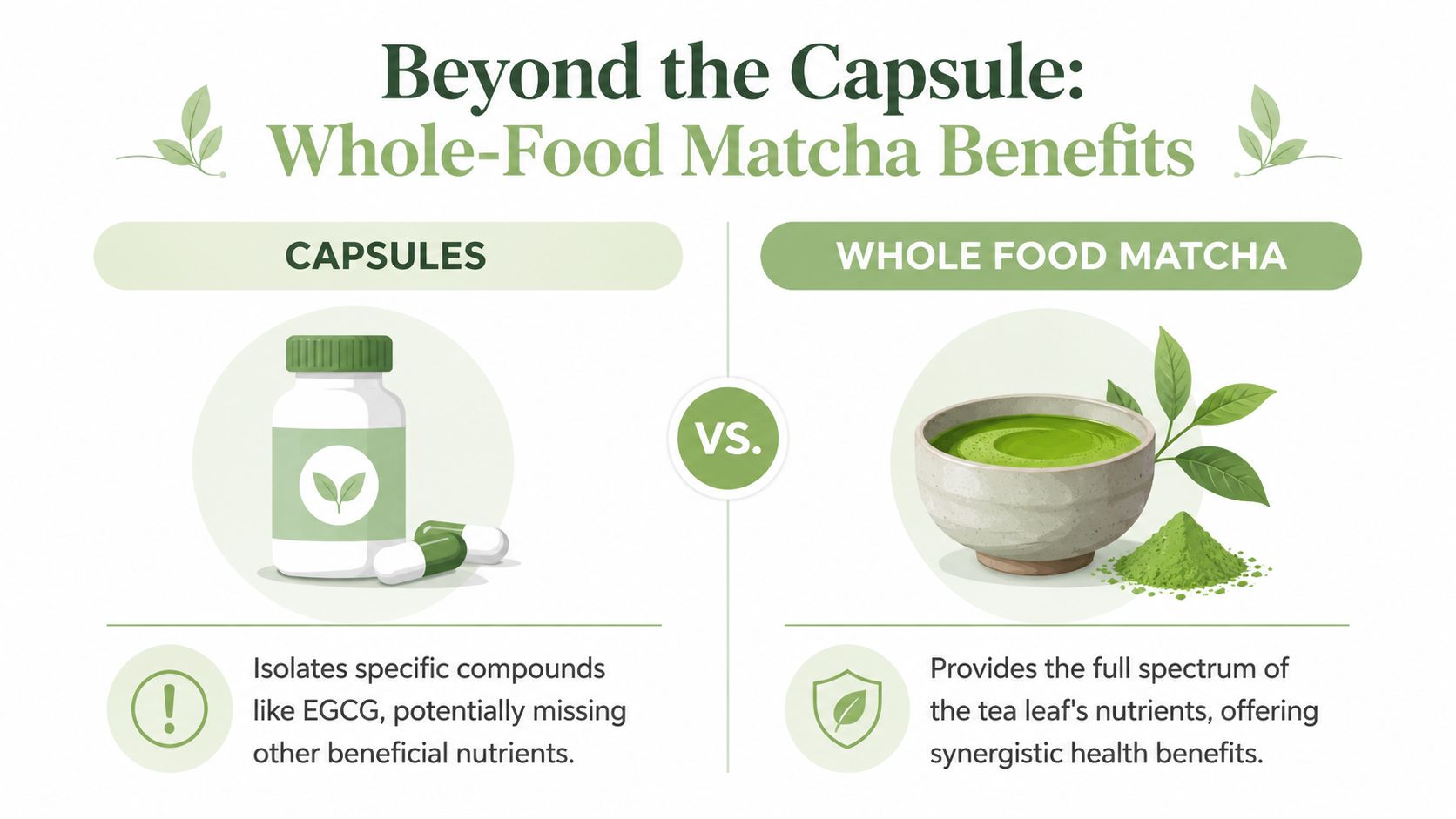
Why whole-food form matters
A capsule can be useful if your only goal is concentrated intake. But a whole-food approach offers a wider nutritional picture.
With matcha, you're not just chasing EGCG. You're also getting naturally occurring compounds that help shape the overall experience, including L-theanine. That matters because many people want energy support without feeling overstimulated.
Here's the practical difference:
- A capsule is often about dose concentration
- Matcha is about compound synergy
- A tea ritual supports daily consistency
- Whole-food intake tends to feel more connected to meals, hydration, and routine
The calm-focus factor
One reason matcha has such loyal followers is that it feels different from harsher stimulants. Many tea drinkers describe it as cleaner and steadier. That's one reason whole-leaf green tea traditions have lasted so long. The experience isn't just about “fat burning”. It's about alertness, satisfaction, and rhythm.
This can matter more than people expect. Weight wellness gets easier when your routine feels good enough to repeat. If your support tool feels clinical, inconvenient, or irritating on the stomach, you're less likely to stick with it.
Matcha fits a long-game mindset
The best green tea capsules for weight loss may help some people. But “best” depends on what problem you're trying to solve.
If you want the most concentrated extract, capsules may win that comparison. If you want a habit that supports energy, focus, mindful eating, and a more enjoyable relationship with wellness, whole-food matcha is often the stronger option.
A good starting point is understanding exactly what matcha powder is and how it differs from standard green tea products.
Whole-food choices often do more than deliver an active compound. They help build a routine that people can live with.
Your Daily Wellness Ritual with Matcha and Kombucha
Many individuals do not struggle because they lack information. They struggle because their day gets busy, cravings hit, and healthy choices need to be simple. That's where a tea-based ritual can help.
A capsule asks for compliance. A ritual invites participation.

Morning
Start the day with matcha instead of reaching straight for something harsher or sweeter. Whisked matcha gives you a deliberate pause before the day speeds up. That small action can shape what happens next. You're more likely to eat breakfast mindfully, less likely to chase quick sugar, and more likely to notice your hunger properly.
Some people prefer it straight. Others like it as an iced matcha or a lighter latte. If you want ideas you can use during the week, these matcha drink recipes for weight loss make the habit feel more practical.
Afternoon
The afternoon slump is where many routines fall apart. Energy dips, concentration drops, and sugary snacks start looking reasonable. A chilled kombucha can be a smart swap here because it gives you flavour, fizz, and a more intentional break from the desk or kitchen bench.
For many people, that matters as much as the ingredients. Replacing a soft drink or mindless snack with something refreshing can change the pattern of the whole afternoon.
Why this pairing works well
Matcha and kombucha do different jobs in a routine.
- Matcha in the morning suits focus and a steady start.
- Kombucha in the afternoon can replace sweeter drinks and make healthier choices feel less restrictive.
- Together, they support a more food-based, habit-friendly approach.
This doesn't need to become a strict protocol. Keep it simple. Use the parts that make your day easier.
A wellness ritual works best when it feels enjoyable enough to keep doing on ordinary Tuesdays, not just on highly motivated Mondays.
Frequently Asked Questions
| Question | Answer |
|---|---|
| Are green tea capsules better than drinking green tea? | Not automatically. Capsules can offer concentrated EGCG, but whole-food tea can be easier to tolerate and easier to build into a long-term routine. |
| What should I check on a capsule label first? | Start with the stated EGCG amount. Then look for standardisation, caffeine details, and clear ingredient disclosure. |
| Do green tea capsules work on their own? | It's better to think of them as support, not a standalone fix. Habits around food, movement, sleep, and consistency still do the heavy lifting. |
| Is matcha a good alternative if I don't want capsules? | Yes. Matcha gives you the whole tea leaf rather than an isolated extract, which many people prefer for a broader wellness approach. |
| Can green tea capsules cause side effects? | They can. Some people notice jitters, stomach upset, or sleep issues, especially with concentrated products or if they're caffeine sensitive. |
| Is kombucha useful in a weight wellness routine? | It can be a practical replacement for sugary drinks and can make healthier choices feel more satisfying. The main benefit is often behavioural and routine-based. |
If you'd rather build a sustainable tea ritual than rely only on capsules, explore Pep Tea for premium organic matcha and Australian-brewed sugar-free kombucha. It's a simple place to start if you want clean energy, better daily habits, and a more whole-food approach to wellness.
Easy & Delicious Matcha Drink Recipes for Weight Loss
Sip Your Way to a Healthier You
Looking for effective matcha drink recipes for weight loss that don't taste like a compromise? You're in the right place. Plenty of so-called healthy drinks are packed with syrups, fruit juice concentrates, or café add-ons that push them away from your goals. We prefer a simpler approach. Start with premium organic matcha, keep sugar low, and build drinks that feel satisfying enough to replace less helpful habits.
That matters because weight loss usually isn't about finding one magic ingredient. It's about making better choices easier to repeat. Matcha can fit beautifully into that routine, especially before a walk, as a lighter breakfast base, or as an afternoon swap for a sugary iced drink. A helpful look at common diet myths from Venus Health Co. also reinforces that steady habits beat extreme fixes every time.
At PepTea, we love showing people how to use matcha in real life. Not just as a pretty latte, but as part of a wellness routine that supports appetite control, clean energy, and better drink choices. Here are seven matcha drink recipes for weight loss that are easy to make, genuinely enjoyable, and simple to work into an Australian day.
1. Matcha Green Tea Detox Latte with Kombucha
If your usual afternoon drink leaves you sleepy or snacky an hour later, this is a much better trade. A matcha kombucha latte gives you the earthy depth of matcha, the lift of tea, and the bright tang of a living fermented drink, without leaning on heavy sweeteners.
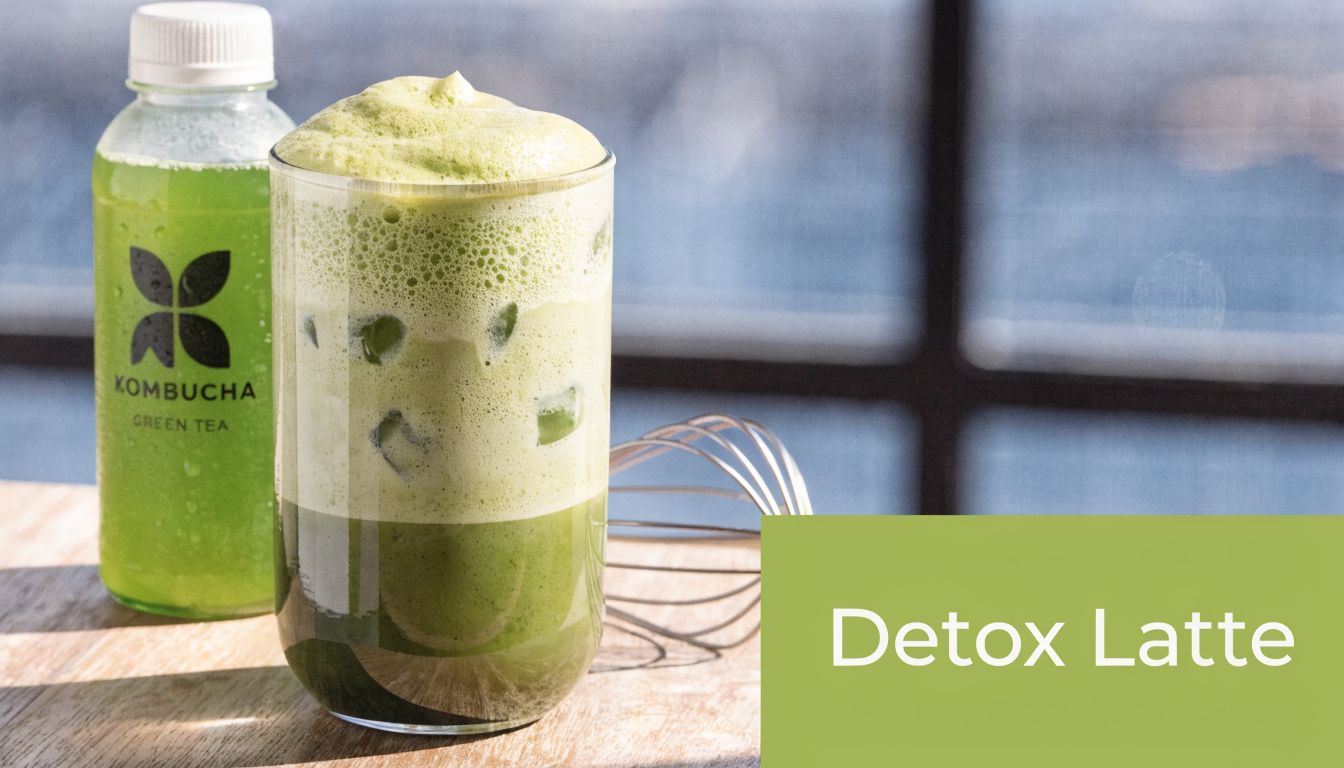
Whisk 1 to 1.5 teaspoons of matcha with a small splash of warm water until smooth. Let it cool slightly, then add ice, a little unsweetened almond milk, and a pour of sugar-free kombucha. The result is creamy, lightly tart, and far more interesting than a standard iced latte.
Why this one works well
One reason matcha is so useful in wellness routines is that it can support exercise benefits when used intelligently. In a randomised controlled trial, participants who consumed matcha before a brisk walk had fat oxidation rise from 0.31 ± 0.10 g/min to 0.35 ± 0.11 g/min, with a lower respiratory exchange ratio, according to the 2018 matcha and brisk walking study indexed on PubMed. That doesn't turn a drink into a shortcut, but it does make matcha a smart pre-walk option.
Kombucha brings a different strength to the glass. At PepTea, we like it here because it adds flavour complexity and can make a “detox latte” feel refreshing rather than heavy. If you're interested in choosing a stronger tea base, our guide to the best green tea for weight loss is a good place to compare options.
Practical rule: Add kombucha only after the matcha has cooled a little, so the drink stays lively and fresh.
You'll often see this style of drink work well in a real routine like this:
- Before a walk: Have it before a lunchtime stroll or gym session when you want light energy.
- As a café swap: Replace a sweet iced beverage with something cleaner and more filling.
- During a reset week: Use it in the afternoon when sugar cravings usually kick in.
2. Matcha Protein Smoothie Bowl
Some matcha drink recipes for weight loss work best because they help you stay full, not because they feel “light”. This is one of them. A matcha protein smoothie bowl can act like breakfast, a post-training meal, or a late-morning buffer that stops random snacking.
Start with 1 teaspoon of matcha whisked with a little warm water. Blend it with unsweetened milk, protein powder, a handful of spinach, and ice. If you want the bowl version, keep it thick and top with a few berries and chia rather than pouring in granola by the handful.
Here's the visual style that many enthusiasts enjoy with this one:
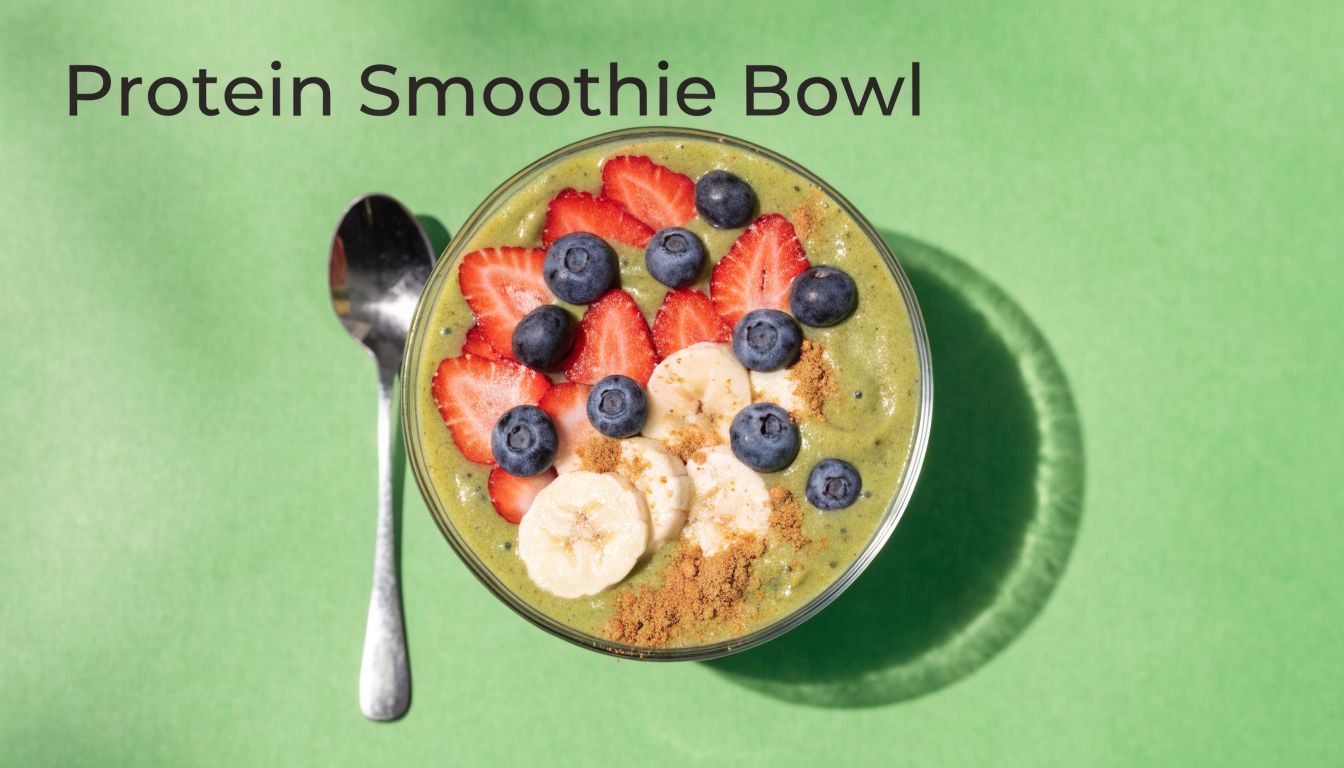
A better breakfast for busy mornings
This recipe is popular for one simple reason. It gives you structure. When breakfast includes matcha plus protein, you're not relying on sheer willpower to get through the morning.
A typical matcha smoothie formula recommended in Australian wellness content uses around 1 teaspoon of matcha, 200ml coconut milk, and 20g protein powder, with servings benchmarked at 250 to 300 kcal by dietitians mentioned in the 2025 matcha recipe article from Boba Bar. The exact ingredients can vary, but the principle holds up well. Keep it protein-forward, low in added sugar, and easy to repeat.
A smoothie bowl is only helpful if it stays balanced. Fruit is great. Dessert-level toppings aren't.
A few practical tweaks make a big difference:
- Whisk first: Dissolve the matcha before blending so you don't get green clumps.
- Choose plain protein: Unflavoured or lightly flavoured powders usually keep sugar lower.
- Use fibre wisely: Chia, spinach, or oats can make the bowl more satisfying.
If you'd like a quick visual guide before trying your own version, this video shows the general method well.
This one suits real life beautifully. Gym-goers use it after training, office workers batch it for weekdays, and parents often like it because it feels more substantial than a plain cup of tea.
3. Iced Matcha Citrus Fat-Burner
This is the sharp, refreshing one. If creamy drinks aren't your thing, an iced citrus matcha is one of the easiest ways to make matcha feel bright and drinkable, especially in warm weather.
Make a smooth matcha paste first with a little room-temperature water. Add ice, a squeeze of fresh lemon or lime, and top with sparkling water. The flavour is clean, lightly bitter, and much closer to a spritz than a latte.

Best time to drink it
This recipe shines before movement. If you like walking, light cycling, or a quick training session after work, it feels energising without being heavy in your stomach. It also works well for people who want a low-sugar drink during an afternoon slump.
For a smoother result, technique matters more than fancy ingredients. Our step-by-step guide on making matcha tea is useful if you're still getting used to whisking and want to avoid clumps.
Use a straw if you add lots of citrus. It helps reduce contact with your teeth.
This is also a smart social drink. In cafés, it can sit on a menu as a non-alcoholic option that still feels grown-up. At home, it's the kind of drink you can pour into a nice glass and look forward to, which matters more than people think when they're trying to build lasting habits.
4. Matcha Kombucha Ginger Metabolism Shot
Not everyone wants a full latte or smoothie. Some people just want something quick, punchy, and easy to take before training or before a meal. That's where a small metabolism shot works well.
Whisk ½ teaspoon of matcha with a tablespoon of warm water, then stir in a little sugar-free kombucha and fresh ginger juice. Drink it in one or two sips, then follow with water. It's sharp, spicy, and very effective at waking up your palate.
Small serve, strong flavour
This one isn't about volume. It's about concentration and routine. If you're someone who forgets to finish large drinks, a shot glass version can be much easier to stick with.
The matcha gives it a steady tea-based lift. The ginger makes it feel active and warming. The kombucha rounds out the shot with acidity and a fermented edge that keeps it from tasting flat.
A few people we often think about with this recipe:
- Personal trainers: Easy to suggest before a morning session.
- Busy professionals: Quick enough to make before commuting.
- Home wellness fans: A simple ritual that feels more intentional than grabbing another coffee.
Keep the kombucha chilled and add it last. The flavour stays brighter that way.
If ginger is new to you, start small. A little goes a long way, and the best recipe is the one you'll keep making.
5. Matcha Coconut MCT Oil Weight Loss Latte
This one is especially popular with people who prefer lower-carb mornings. A matcha coconut latte with MCT oil can feel rich and satisfying, which is useful if you're trying to avoid grazing between breakfast and lunch.
Whisk 1 to 1.5 teaspoons of matcha with warm water, add unsweetened almond or coconut milk, then blend with a spoonful of MCT oil until silky. A pinch of cinnamon or sea salt can soften the earthy notes and make it feel more café-like.
Why it suits low-carb routines
Some drinks help with weight loss because they replace something less useful. This is a good example. Instead of a sweet muffin-and-coffee breakfast that disappears fast, you get a creamy drink that feels substantial.
The fats in the recipe slow the pace of the drink and make it feel satisfying. Matcha adds calm focus, so the whole experience feels steadier than a sugary breakfast shake. If you're following keto, easing into fasting, or just trying to cut back on morning snacking, that's a real advantage.
Try these adjustments to make it easier on your stomach:
- Start with less MCT oil: If you're new to it, begin with a smaller amount.
- Blend properly: A quick stir won't create the same creamy texture.
- Keep it unsweetened: Vanilla essence or cinnamon usually does enough.
This latte often suits people doing school drop-off, desk work, or long morning meetings. It travels well in an insulated cup and doesn't feel like diet food, which is half the battle.
6. Matcha Green Tea Intermittent Fasting Elixir
If you're fasting, the biggest challenge usually isn't motivation. It's managing that patch of hunger when focus drops and snacks start looking persuasive. A simple matcha elixir can help make that window more manageable.
Use 1 to 1.5 teaspoons of matcha with hot water around 70°C and whisk until frothy. That's it, or close to it. Some people add a squeeze of lemon, but the plain version is often best if you want a cleaner fasting drink.
A simple drink for the fasting window
The appeal here is its simplicity. You're not building a full meal. You're making a low-fuss drink that can support appetite control and give your brain something to hold onto during a fasting stretch.
Because matcha is so concentrated, it feels more present than regular green tea. The flavour is stronger, the ritual is slower, and many people find that enough to break the mental loop of wanting to eat just because it's time.
Sip it slowly, not mindlessly. The slower pace often helps more than people expect.
If you're using timed eating, a planner can help you stay consistent. These intermittent fasting tools from BodyBuddy are a practical place to map your window.
This recipe fits well for early office hours, a quiet mid-morning at home, or the late part of a fasting window when hunger usually gets louder. If you're caffeine-sensitive, have it after you've been awake a while rather than immediately on rising.
7. Matcha Kombucha Detox Cleanse Blend
This is the most “reset” style drink on the list. It combines fresh whisked matcha with kombucha, and you can keep it plain or add a little lemon and ginger depending on your taste.
To make it, whisk about 1.5 teaspoons of matcha with warm water, let it cool slightly, then combine with chilled kombucha over ice. If you want more bite, add a small squeeze of lemon and a little ginger.
Why this blend feels so supportive
A 2022 study in mice found that 1.0% dietary matcha supplementation over 8 weeks mitigated several obesity-related markers and also influenced gut microbiota and bile acid profiles, according to the Food Science and Nutrition matcha study available on PMC. Animal research doesn't equal a guaranteed human result, but it adds useful background for why matcha keeps showing up in conversations about metabolism and gut health.
That makes this blend especially interesting because kombucha also belongs in that everyday gut-health space. At PepTea, we love pairing good matcha with a clean, low-sugar kombucha because the drink feels functional without becoming complicated. Our Apple Pomegranate sugar-free organic kombucha works especially nicely here if you want a fruitier finish.
If you're using this as part of a short reset, keep the rest of the day simple too. Whole foods and enough water matter more than making the drink stronger.
A few natural ways people use this blend:
- Morning reset: As a lighter start after a weekend of heavier eating.
- Pre-dinner ritual: To replace a soft drink or sweet mocktail.
- Wellness week support: As one repeatable habit during a broader clean-up of meals.
7 Matcha Weight-Loss Recipes Compared
| Item | 🔄 Implementation Complexity | Resources (ingredients & storage) | ⚡ Prep & Efficiency | 📊 Expected Outcomes | ⭐ Key Advantages |
|---|---|---|---|---|---|
| Matcha Green Tea Detox Latte with Kombucha | Moderate, whisk + blend; timing to preserve live cultures | Organic matcha, sugar-free kombucha, milk (optional), whisk/blender, chilled storage | Moderate prep (5–10 min); sustained energy, probiotic uptake within hours | Supports liver & gut health, modest fat oxidation, improved nutrient absorption | Dual metabolism + gut support; organic & sugar-free; versatile (💡 add plant milk for creaminess) |
| Matcha Protein Smoothie Bowl | Moderate, whisk matcha then blend with protein and toppings | Matcha, plant-based protein (25–30g), blender, unsweetened milk, fruits/greens | Moderate prep (5–10 min); high satiety and thermic effect | Muscle preservation, extended fullness, supports caloric deficit | High-protein, nutrient-dense, customizable (💡 use unflavoured protein powder) |
| Iced Matcha Citrus Fat-Burner | Low, sift matcha, make paste, combine with citrus & sparkling water | Matcha, fresh citrus juice, sparkling water, sieve/stirrer, ice | Quick prep (<5 min); zero/near-zero calories; immediate refreshment | Enhances fat oxidation during activity, hydrates; less filling | Very low calorie and cost-effective; refreshing for hot climates (💡 use a straw to protect enamel) |
| Matcha Kombucha Ginger Metabolism Shot | Moderate, precise small-volume prep, fresh ginger juice required | Matcha, raw kombucha, fresh ginger (juicer), shot glasses; prepare fresh daily | Very quick to consume; rapid absorption and onset | Fast metabolic activation and appetite suppression; digestive stimulation | High nutrient density per ml; portable and potent (💡 follow with water) |
| Matcha Coconut MCT Oil Weight Loss Latte | Moderate, emulsify MCT oil with milk; blender recommended | Matcha, high-quality MCT oil, unsweetened almond/coconut milk, blender | Moderate prep (blend 30–60s); calorie-dense but sustained energy | Promotes ketone production, extended satiety, cognitive clarity | Ketogenic-friendly and appetite-suppressing; supports fat-adapted energy (💡 start with 1 tbsp MCT) |
| Matcha Green Tea Intermittent Fasting Elixir | Low, simple whisking; strict no-addition discipline to preserve fast | Matcha, hot water, whisk/frother; minimal storage needs | Very quick prep (<3 min); near-zero calories; preserves fasting benefits | Appetite suppression, mental clarity, supports autophagy/metabolic flexibility | Maintains fasting state with mental focus; cost-effective (💡 avoid additives if fasting) |
| Matcha Kombucha Detox Cleanse Blend | Moderate, daily protocol for 3–7 days; consistent preparation & monitoring | Matcha, raw kombucha, optional lemon/ginger, refrigeration, high water intake | Daily prep (5–10 min); requires protocol commitment; not immediate weight loss | Improved digestion, possible short-term (2–4kg) water loss, clearer skin, variable results | Holistic detox support across liver & gut pathways; suits short-term resets (💡 increase water, monitor symptoms) |
Start Your Matcha Wellness Journey Today
Now you have seven practical and delicious matcha drink recipes for weight loss that you can use. That is the important part. A recipe only helps if it fits your day, suits your taste, and replaces something less supportive.
Some of these drinks work best as a lighter breakfast. Some are ideal before a walk or gym session. Others are there for the moments when you'd normally reach for a sugary iced drink, a second coffee, or a snack that doesn't really satisfy you. That flexibility is one of matcha's biggest strengths.
The other key is quality. Good matcha tastes smoother, mixes better, and makes it much easier to keep your recipe simple. You don't need to bury it under syrups or heaps of sweetener. At PepTea, we're big believers in starting with premium organic matcha and building from there. The flavour is cleaner, the ritual feels better, and the drink usually needs fewer extras.
It's also worth keeping your expectations realistic. Matcha can support a healthy routine. It may help with appetite control, exercise habits, and replacing high-sugar drinks. But it works best alongside the basics people already know matter, like regular movement, enough sleep, balanced meals, and consistency over time.
If you're just getting started, pick one recipe rather than trying all seven at once. The iced citrus version is great if you want something refreshing. The protein smoothie bowl is excellent if mornings are where your routine usually falls apart. The kombucha blends are ideal if you want something lively and less sweet than typical café drinks.
The best matcha drink recipes for weight loss are the ones you'll keep making next week, not just today. Start simple, notice how you feel, and adjust from there. If you're ready to upgrade your tea ritual, explore our ceremonial and culinary grade organic matcha and discover how good a wellness drink can taste.
If you're ready to make these recipes with better ingredients, explore Pep Tea for premium organic matcha and sugar-free organic kombucha made for everyday Australian wellness. Whether you're mixing a morning latte, a fasting-friendly tea, or a refreshing kombucha blend, we're here to help you keep it simple, flavourful, and genuinely useful.
The Best Green Tea For Weight Loss in Australia for 2026

If you're looking for a natural way to support your weight management goals, the world of green tea can feel overwhelming. But the search for the best green tea for weight loss in Australia often leads back to one standout: premium organic Matcha.
The reason is simple. With Matcha, you consume the entire stone-ground leaf, not just a watery infusion. This means you get a far higher concentration of the metabolism-supporting compounds that make green tea so effective.
Finding the Best Green Tea for Your Weight Loss Journey
Welcome to a practical guide for using green tea to support your health goals. As more and more Aussies look for natural, effective ways to enhance their wellness routines, it's important to cut through the noise and focus on what actually works.
We'll get into the science behind key compounds like EGCG and caffeine, and how they can genuinely assist with metabolism and fat oxidation. Of course, tea alone isn't a silver bullet. A sustainable approach to weight management starts with the fundamentals, like understanding how to count calories for sustainable weight loss. Think of the right tea as a powerful tool to complement your efforts, not a replacement for them.

Why the Right Tea Matters
Not all green teas are created equal, especially when it comes to supporting your body. The concentration of active ingredients varies dramatically between a high-quality powder and a generic teabag, which is why your choice of product is critical for seeing any real results.
Here in Australia, where wellness is a growing priority for many, people are turning to organic green teas for that extra edge. It’s not just wishful thinking; the science backs it up. One notable study found that daily consumption of high-EGCG matcha—very similar to our premium organic blend at PepTea—led to noticeable weight loss over 12 weeks when combined with moderate exercise.
The secret is Matcha’s superior catechin profile. At up to 137mg of EGCG per gram, it can outperform standard steeped green tea by as much as three times. This makes it a clear standout for anyone serious about their weight management goals.
To make things clearer, here’s a quick rundown of the main players in the green tea world and how they stack up for supporting a wellness journey.
Quick Comparison of Teas for Weight Management
| Tea Type | Key Compound (EGCG) | Best For | PepTea Option |
|---|---|---|---|
| Organic Matcha | Very High | Maximising metabolism and focused energy. | Ceremonial Grade Matcha |
| Sencha (Steeped) | Moderate | A daily antioxidant-rich beverage. | Green tea base in our kombucha. |
| Standard Teabags | Low to Moderate | Convenience and a gentle introduction. | N/A |
| Sugar-Free Kombucha | Low (from tea base) | Supporting gut health and reducing sugar intake. | Organic Sugar-Free Kombucha |
This table shows exactly why our focus at PepTea is on premium Japanese organic Matcha and authentic, Australian-brewed sugar-free Kombucha. They offer distinct and powerful benefits that fit perfectly into a modern, holistic approach to health. It's all about making an informed choice that works for your lifestyle.
Why Organic Matcha Is a Metabolic Powerhouse
When weight management is the goal, the kind of green tea you reach for genuinely matters. While most teas come with benefits, organic matcha operates in a different league entirely for supporting your metabolism. It all comes down to a simple, powerful difference in how you drink it.
With regular green tea, you steep the leaves and then toss them out. With matcha, you’re consuming the entire stone-ground leaf. This means you get 100% of the nutritional firepower, including a far more concentrated dose of the compounds that count.
The Power of EGCG and Caffeine Synergy
The star player in green tea is a catechin called Epigallocatechin gallate (EGCG). It's a powerhouse antioxidant that’s been strongly linked to firing up your metabolism and increasing fat oxidation. Because you’re drinking the whole leaf, a single serve of matcha can deliver up to ten times the EGCG of a standard cup of steeped green tea.
But EGCG doesn’t work in isolation. Matcha’s real magic lies in its unique synergy of EGCG and caffeine. This combination gives you a clean, sustained energy boost without the jittery highs and crashing lows that coffee can bring on. It’s the perfect fuel for powering through a workout or just an active day.
This isn’t just about feeling more energetic. It translates into a real metabolic edge. The pairing helps increase thermogenesis—your body's rate of burning calories to create heat—effectively turning your system into a more efficient fat-burning engine.
This metabolic advantage is particularly relevant for many Australians. Studies have shown that daily consumption of organic matcha, mirroring the antioxidant levels in PepTea's products, may lead to a reduction in waist circumference and weight drop over several weeks. You can explore the full research on green tea catechins and their effects.
Why Organic and Ceremonial Grade Matter
Not all matcha is created equal. The quality and origin of the powder have a direct impact on its potency and, by extension, its effectiveness for managing weight.
- Vibrant Colour: High-quality, ceremonial-grade matcha has a brilliant, almost electric green colour. If it looks dull, murky, or yellowish, it’s likely a lower-grade product with fewer antioxidants.
- Purity: Choosing a certified organic product is non-negotiable. It’s your guarantee that the matcha is free from pesticides and other contaminants, so you’re only putting clean, pure goodness into your body.
- Authenticity: Sourcing from its traditional home in Japan, like our premium selection at PepTea, ensures you're getting an authentic product grown and processed for maximum potency.
By opting for a premium, ceremonial-grade organic matcha, you’re making sure you get the highest possible concentration of EGCG and L-theanine. This purity turns it from just a tea into a reliable tool in your wellness arsenal. You can learn more about the amazing benefits of Matcha green tea in our detailed guide.
Ultimately, bringing a daily matcha ritual into your life is more than just enjoying a delicious drink. It's a strategic move to support your body's natural fat-burning processes. Whether you have it as a pre-workout shot or a morning latté, you’re fuelling your body with the best nature has to offer.
Matcha vs. Sencha vs. Bagged Tea: A Nuanced Comparison
To find the best green tea for weight loss, you need to look past the packaging and understand what's really happening inside your cup. While all green tea comes from the same plant, Camellia sinensis, the way it's grown, processed, and prepared creates a world of difference in its potency. Let’s break down the three main players: matcha, sencha, and standard bagged tea.
Sencha is what most people picture when they think of green tea. It’s made by steeping whole or partial leaves in hot water, which infuses the water with flavour and some of the tea's antioxidants. It’s a fantastic, healthy beverage. No argument there.
The catch is that steeping is an inefficient delivery system. You’re essentially making a light broth, and the vast majority of the valuable compounds—including much of the fat-fighting EGCG—remain locked inside the leaves, which you then discard.
From Good, to Better, to Best
Standard bagged green tea is a step down from loose-leaf sencha. It often uses the dust and fannings—smaller, broken leaf particles—left over from processing higher-grade teas. This can lead to a more bitter flavour and a lower concentration of key nutrients. While it's convenient, it’s the least potent option if you're looking for real wellness benefits.
This is where organic matcha completely changes the game.
With matcha, you aren't steeping anything. You are consuming the entire, stone-ground leaf, whisked into a suspension. Think of it as the difference between boiling a carrot and drinking the water versus eating the whole carrot. This whole-leaf consumption is precisely what makes matcha such a powerhouse for weight management.
This decision tree helps visualise how matcha’s unique properties deliver on specific goals like weight management and energy.

As you can see, the path to both sustainable weight management and clean, focused energy leads directly to matcha, highlighting its powerful dual-action benefits.
The L-theanine Advantage for Weight Management
Another crucial differentiator is L-theanine, an amino acid that is especially abundant in high-quality, shade-grown matcha. L-theanine is the compound responsible for that feeling of calm, focused alertness—the very opposite of the jitters you get from coffee. It works in perfect harmony with caffeine to provide a smooth, sustained energy lift without the eventual crash.
This has very practical implications for weight loss. The calm focus it promotes can be a massive help in managing stress-related or emotional eating. When you feel balanced and centered, you're far less likely to reach for unhealthy snacks. While other green teas contain L-theanine, the concentration in premium matcha is significantly higher, making this benefit far more pronounced.
When you choose a premium organic matcha, you're not just buying a tea; you're investing in a more concentrated and effective tool for your wellness journey. The superior EGCG and L-theanine content delivers value that steeped teas simply cannot match.
To put this all into perspective, a side-by-side comparison makes the differences impossible to ignore.
Detailed Nutrient and Benefit Breakdown Matcha vs Other Green Teas
The table below breaks down exactly what you're getting—and what you're missing—with each type of green tea. The numbers reveal a clear winner for anyone focused on metabolic support.
| Feature | Organic Matcha (e.g., PepTea Ceremonial) | Sencha (Loose Leaf) | Standard Bagged Green Tea |
|---|---|---|---|
| EGCG Content | Very High (up to 137x more than some green teas) | Moderate | Low to Moderate |
| Antioxidant Access | 100% (whole leaf consumed) | 10-20% (from infusion only) | 5-10% (from infusion only) |
| Caffeine Level | Higher (35-70mg per serving) | Lower (20-30mg per cup) | Low (15-25mg per cup) |
| L-theanine Effect | Strong (calm, focused energy) | Mild | Minimal |
| Preparation | Whisked into water or milk | Steeped in hot water | Steeped in hot water |
| Primary Benefit | Maximising metabolism, focus, and fat oxidation support. | Daily antioxidant intake and hydration. | Convenience for a mild green tea flavour. |
The data speaks for itself. For anyone serious about using green tea to support their weight loss goals, the evidence points overwhelmingly towards a high-quality, organic matcha. It delivers the highest possible concentration of the active compounds needed to support your metabolism, energy, and focus in a way no steeped tea ever could.
The Role of Sugar-Free Kombucha in Weight Management
While matcha often gets the spotlight for its metabolism-supporting credentials, a smart weight management plan runs much deeper than a single ingredient. One of the most overlooked pieces of the puzzle is gut health, and this is where an authentically fermented drink like kombucha becomes a powerful ally. It offers a different, yet complementary, approach to supporting your wellness goals.
Many people don’t realise our own proudly Australian-brewed PepTea Kombucha starts with the very same high-quality organic green tea you’d find in a premium blend. Through a careful fermentation process right here in the Hunter Valley, NSW, we culture billions of beneficial live probiotics, creating a living drink that still holds onto some of the tea’s natural antioxidant properties.
Gut Health and Its Link to Weight
Your gut microbiome—that community of trillions of bacteria in your digestive tract—plays a surprisingly big role in how your body handles weight. A balanced microbiome is linked to better digestion, less inflammation, and even more efficient metabolic function. When your gut is happy, the whole system just runs better.
The live probiotics in a properly brewed kombucha help to nourish and diversify these good bacteria. This is crucial for optimising how you absorb nutrients and maintaining the delicate internal balance a healthy metabolism depends on.
Choosing a truly fermented, sugar-free kombucha is vital. Many commercial brands are little more than fizzy soft drinks loaded with sugar, which actively works against your weight management efforts by causing blood sugar spikes and adding empty calories.
Kombucha as a Smart Swap
One of the most practical ways sugar-free kombucha supports weight management is simply by being a satisfying, healthy substitute for other drinks. Its natural fizz and complex flavour make it a fantastic alternative to sugary soft drinks, juices, and even that evening glass of wine.
Think about these moments:
- The 3 PM Slump: Instead of reaching for a sugary energy drink, a chilled glass of our Ginger Kombucha gives you a refreshing lift without the inevitable sugar crash.
- The Evening Unwind: Swapping a glass of wine or beer for a sophisticated, bubbly kombucha can save you hundreds of calories over a week, all without feeling like you’re missing out.
- A Healthy Mixer: Our Lime & Ginger flavour is brilliant on its own or as a zesty, sugar-free base for non-alcoholic cocktails at your next get-together.
Each of these is a small, easy decision that chips away at your overall calorie and sugar intake—the cornerstone of any sustainable weight management plan. By making these smarter choices consistently, you can make significant progress without feeling deprived.
The Perfect Complement to Matcha
Think of matcha and kombucha as two sides of the same wellness coin. While matcha works directly on your metabolism with its high EGCG and caffeine content, sugar-free kombucha works indirectly by fostering a healthy gut and helping you cut down on sugar. As you'll see when you read more about our move to zero-sugar kombucha, this dual approach creates a far more robust foundation for reaching your goals.
By bringing both into your daily routine, you get a powerful, two-pronged strategy. You have the direct metabolic support from your morning matcha, and the gut-friendly, sugar-slashing benefits of kombucha throughout the day. It’s a balanced and delicious way to support your body from the inside out.
Integrating Green Tea into Your Daily Routine for Success
Knowing the science behind green tea is one thing. Turning that knowledge into real, lasting results is another. The key is consistency.
The real progress happens when you build small, enjoyable rituals into your day. This isn’t about a complete life overhaul. It's about smart adjustments that feel natural, not like another chore on your to-do list. Let's look at a few practical ways to make it happen.
Your Morning Matcha Ritual
The morning sets the tone for the entire day, which makes it the perfect time to bring in matcha. A simple morning ritual can easily replace less healthy habits, like a sugary café latté, giving you a clean, focused start.
Here are a few ways to get started:
- The Pre-Workout Shot: For a clean energy surge before exercise, nothing beats a quick shot of ceremonial matcha. Just whisk half a teaspoon of our Organic Ceremonial Grade Matcha with a bit of hot (not boiling) water. That blend of caffeine and L-theanine gives you focused energy and can enhance fat oxidation during your workout.
- The Creamy Morning Latté: Ditch the expensive, sugar-loaded café lattés and make your own at home. Whisk one teaspoon of matcha into a paste with a splash of hot water, then pour over steamed milk. It’s a comforting, powerful way to start your day.
- The Smoothie Boost: Just add a teaspoon of culinary-grade matcha to your morning smoothie. It works beautifully with ingredients like banana, spinach, and a scoop of protein powder for a breakfast that's packed with nutrients and keeps you feeling full for hours.
For a truly holistic approach, pairing your green tea routine with consistent physical activity—supported by a personalized strength training app—helps you build sustainable habits and see real progress.
Beating the Afternoon Slump and Cravings
That 3 p.m. slump is when cravings for sugary snacks and drinks tend to hit hardest. This is exactly where our Australian-brewed, sugar-free kombucha comes in.
It offers that satisfyingly fizzy and flavourful lift, but without the sugar that can completely derail your goals.
Swapping just one sugary soft drink or juice for a bottle of PepTea Kombucha each day is a simple but powerful change. It significantly cuts your weekly sugar and calorie intake, supports a healthy gut, and helps you get a handle on cravings.
An ice-cold glass of our Ginger or Lime & Ginger Kombucha can crush those afternoon sugar urges while delivering a dose of beneficial probiotics. It’s a smart swap that feels like a treat.
Simple Tips for the Perfect Bowl of Matcha
Brewing a great bowl of matcha is a mindful ritual in itself. It’s much simpler than it looks and is the secret to getting that smooth, lump-free cup every single time.
- Sift the Powder: Always use a small sifter to break up any clumps in the matcha. This one step is the key to a silky-smooth texture.
- Add Hot Water: Pour a small amount of hot water—around 80°C, never boiling—over the sifted powder. Water that's too hot will make the matcha taste bitter.
- Whisk Vigorously: Using a bamboo whisk (a chasen), whisk quickly in a 'W' or 'M' pattern until a fine, delicate foam appears on the surface.
Creating these small habits is what makes all the difference. Whether it’s that morning matcha or an afternoon kombucha, finding what you genuinely enjoy is what makes a wellness journey sustainable.
How to Choose a High-Quality Green Tea Product
The real-world benefits you expect from green tea are entirely dependent on its quality. To find the best green tea for your weight management goals, you have to know how to spot a premium product and, just as importantly, how to sidestep a poor one. This is about becoming a savvy buyer, making sure the product you choose actually delivers.

When it comes to matcha, what you see—and taste—tells you everything. Low-grade matcha is often a dull, yellowish-green and carries a bitter taste, a dead giveaway that it lacks the rich concentration of antioxidants and L-theanine you’re after.
What to Look for in a Premium Matcha
A truly high-quality matcha has distinct characteristics that are easy to spot once you know what to look for. Use your senses; they are the best guide to a product that will genuinely support your health journey.
- Vibrant Green Colour: Authentic, high-grade matcha should have a brilliant, almost electric green hue. This isn't just for show; it's a direct result of the shade-growing process, which boosts chlorophyll and antioxidant levels.
- Fine, Silky Texture: Rub a pinch of premium matcha between your fingers. It should feel incredibly fine and silky, almost like eyeshadow. A gritty or coarse texture is a red flag, signalling a lower-quality powder made from older leaves or even stems.
- Sweet, Umami Flavour: Top-tier matcha has a complex flavour profile that's slightly sweet with a rich, savoury "umami" finish. It should be smooth and pleasant, never overwhelmingly bitter or astringent. You can discover more about telling different grades apart in our detailed guide.
A 'Certified Organic' label is your most important guarantee of purity. It ensures your tea is free from harmful pesticides and chemicals, allowing you to enjoy its benefits without any unwanted additives. At PepTea, all our products are certified organic for this very reason.
How to Select a Quality Kombucha
Choosing the right kombucha is just as critical, especially when weight management is a priority. The market is flooded with options, but many are closer to sugary soft drinks than the healthy fermented beverage they claim to be.
For kombucha, the label is your best friend. Look for these key phrases to ensure you're getting an authentic, beneficial product:
- "Sugar-Free" or "Zero Sugar": This is non-negotiable. Many brands add sugar after fermentation, which just adds empty calories and can completely negate the health benefits.
- "Brewed in Australia": Supporting local is great, but this often means a fresher product that hasn't spent weeks in transit. Our PepTea Kombucha is proudly brewed right here in the Hunter Valley, NSW.
- "Contains Live Cultures" or "Raw & Unpasteurised": Pasteurisation kills the beneficial live probiotics that support gut health. An authentic kombucha should be a living drink, period.
By using these simple checks, you can confidently select products like our authentic Japanese Matcha and HACCP-accredited kombucha. You’ll be choosing quality that empowers your wellness journey from the inside out.
Frequently Asked Questions About Green Tea and Weight Management
Once you start looking seriously at green tea for weight management, a few practical questions always come up. It's one thing to know the science, but it’s another to fit it into your daily life. Let's clear up some of the most common queries we hear from our community.
How Much Green Tea Should I Drink for Weight Loss?
There isn't a single magic number, but the research points to a consistent range. Most studies showing real benefits used an amount equal to about 2–4 cups of standard green tea per day.
If you're using a more concentrated source like matcha, this translates to roughly 1–2 servings (or 1-2 teaspoons of powder). The key here is consistency, not sheer volume. Choosing a high-EGCG option, like our organic Matcha, means you can get meaningful support from smaller, regular amounts. We usually suggest starting with one serving a day and seeing how your body feels.
Is It Okay to Drink Green Tea on an Empty Stomach?
This really comes down to your personal sensitivity. Green tea contains compounds called tannins, and in a potent form like matcha, they can sometimes cause a bit of stomach upset if there's nothing else in there.
Our general advice is to have it with or after a meal, especially when you’re just starting. A matcha latté, made with your milk of choice, is often much gentler than straight tea on an empty stomach. The best rule is simple: listen to your body. If you feel perfectly fine, it’s generally considered safe.
Will Green Tea Interfere With My Sleep?
Green tea does have caffeine, but usually less than you’d find in a standard cup of coffee. One of the standout features of matcha is its high level of L-theanine, an amino acid that encourages a state of calm focus and can buffer some of caffeine's less desirable, jittery side effects.
That said, everyone’s caffeine sensitivity is different. To play it safe, we recommend enjoying your caffeinated green teas (like matcha) before 2 PM. This gives your body plenty of time to process the caffeine so it doesn't disrupt your sleep. For a satisfying and healthy evening drink, our sugar-free PepTea Kombucha is an excellent caffeine-free choice.
Is Hot or Cold Green Tea Better for Weight Loss?
Both hot and cold preparations will deliver the weight management support you're looking for. The key compounds, especially EGCG, are stable and effective regardless of whether the water is hot or cold.
Some evidence hints that hot water might slightly improve the absorption of catechins, but the difference is pretty minor in the grand scheme of things. The most important factor is simply drinking it consistently. The best green tea for weight loss is the one you'll actually enjoy and drink every single day, so choose whichever method you prefer.
Ready to discover the power of premium organic tea? Explore the PepTea difference and find the perfect addition to your wellness routine by visiting our online store.