
Tag: healthy drinks
The Best Way to Drink Green Tea for Weight Loss
You've probably done this already. Swapped a sugary drink for green tea, felt quite virtuous for a week, then wondered why nothing much changed.
That's where most advice falls over. It tells you to drink green tea, but not which kind, how to prepare it, or when to drink it if your goal is fat loss support rather than just having a nice warm cuppa.
The best way to drink green tea for weight loss isn't random. It works better as a system. You choose the right tea, prepare it properly so you don't wreck the useful compounds, and time it in a way that fits your day, your training, and your appetite patterns. Done well, it becomes a practical routine that supports a balanced diet and regular movement. Done poorly, it's just flavoured hot water.
If you're already trying to eat a bit better, move more, and stay consistent, even small habits matter. A handy tool like a recipe calorie checker can help you spot where “healthy” meals are surprisingly heavier than expected, which makes your tea routine far more useful in the bigger picture.
More Than Just a Cuppa The Role of Green Tea in a Wellness Journey
Green tea sits in a sweet spot for a lot of Australians. It feels simple, natural, and easy to stick with. No complicated program. No expensive gimmick. Just a daily habit that can support the work you're already doing.
But there's a catch. Not all green tea habits are equally helpful.
Some people drink it with breakfast, some sip it late at night, some brew it with boiling water until it turns bitter, and others load it with sweeteners that work against their goal. Then they say green tea “didn't do anything”. Fair enough. If the routine isn't set up well, the results won't be either.
Why the details matter
Green tea contains compounds people often talk about for metabolism and fat oxidation support. What matters in real life is whether you're getting enough of them, preserving them during preparation, and using the drink at times that match your body's rhythms and your daily habits.
That's why the best way to drink green tea for weight loss isn't just “have more cups”. It's closer to this:
- Choose the strongest format for your goal: Matcha gives you the whole leaf, not just an infusion.
- Use the right water temperature: Too hot, and you can reduce the useful catechins you were trying to get.
- Build a timing rhythm: Morning, pre-exercise, and afternoon can all play different roles.
- Keep expectations realistic: Green tea can support progress, but it won't replace calorie awareness, decent sleep, or movement.
Green tea works best as a quiet helper. It's not a shortcut, but it can make a solid routine easier to maintain.
Think support, not magic
A better way to frame it is this. Green tea may help you stay more organised with energy, routine, and snacking patterns. That alone makes it useful. Then, when you match that with smart preparation and timing, it becomes more than a wellness trend.
For many people, that's the difference between dabbling and building a habit that lasts.
Choosing Your Champion Why Matcha is Your Weight Loss Powerhouse
If you're serious about getting the most from green tea, matcha is the clear standout.
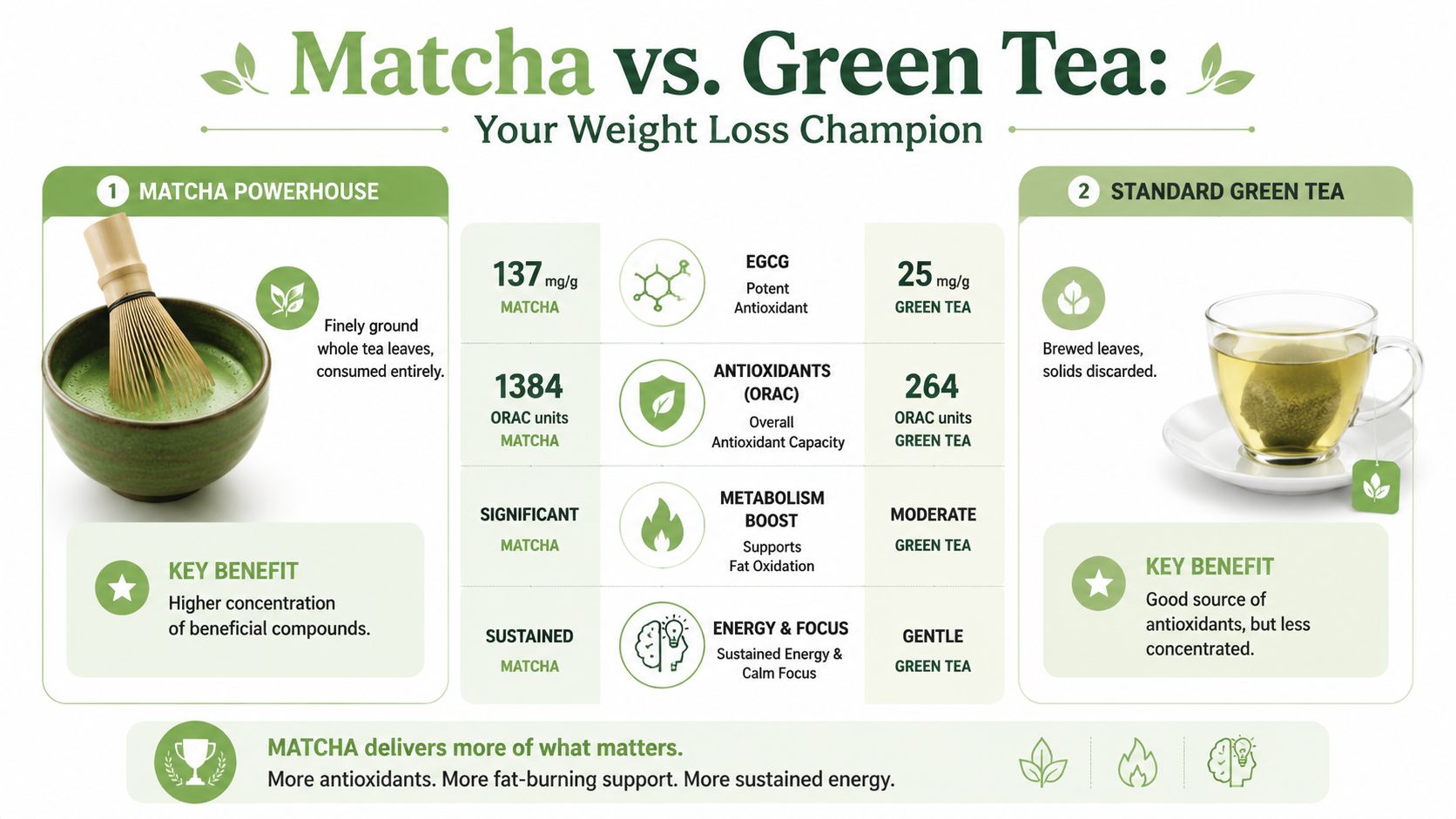
Regular green tea is brewed, then the leaves are removed. Matcha is different. The leaf is stone-ground into a fine powder and whisked into water, so you're drinking the whole thing. That one difference changes the whole conversation.
Whole-leaf drinking changes the payoff
When you drink standard brewed green tea, you're getting an extract from the leaf. Helpful, yes. But you're still leaving a lot behind.
With matcha, you consume the entire leaf. That means a more concentrated intake of the compounds that make green tea so interesting for weight loss support. This is the practical reason matcha often feels like the more strategic choice, not just the more fashionable one.
An Australian clinical study found that daily high-EGCg matcha led to an average weight loss of 2.9 kg over 12 weeks, and it outperformed regular green tea by 28% because full-leaf matcha delivered significantly more catechins per serving, according to this study summary on HealthyWomen.
Why matcha often fits real life better
The science matters, but so does the lived experience. Matcha is easy to build into a routine because it's flexible. You can drink it straight, iced, or as part of a lighter latte. It works before a walk, before a gym session, or mid-morning when you'd otherwise reach for another coffee and a snack.
Here's the simple comparison:
| Drink | How you consume it | Practical effect |
|---|---|---|
| Brewed green tea | Steeped leaves, then discarded | Lighter, gentler, less concentrated |
| Matcha | Whole powdered leaf whisked into water | More concentrated and better suited to a deliberate routine |
What to look for in a matcha
Not every green powder deserves your money. For everyday weight loss support, quality matters because taste affects consistency. If it tastes harsh, fishy, or overly bitter, it won't be consistently consumed.
Use these filters:
- Colour matters: A vibrant green usually signals fresher, better-handled tea.
- Texture matters too: Fine powder whisks more smoothly and feels better to drink.
- Start simple: If you're new, drink it with water before turning it into dessert in a mug.
- Choose a reliable source: Quality ceremonial-grade options, such as Uji matcha powder, make it easier to enjoy the ritual consistently.
Bottom line: If your goal is the best way to drink green tea for weight loss, matcha gives you the strongest starting point because it delivers the whole leaf.
That doesn't mean regular green tea is useless. It just means matcha is the sharper tool.
The Ritual of Preparation Unlocking Green Tea's Potential
Preparation can quietly make or break your results.
A lot of people buy good tea, then pour boiling water over it and wonder why it tastes bitter. That same mistake can also reduce the compounds they were hoping to keep. If you want the best way to drink green tea for weight loss, your brewing method needs to be part of the plan, not an afterthought.
The non-negotiable rule
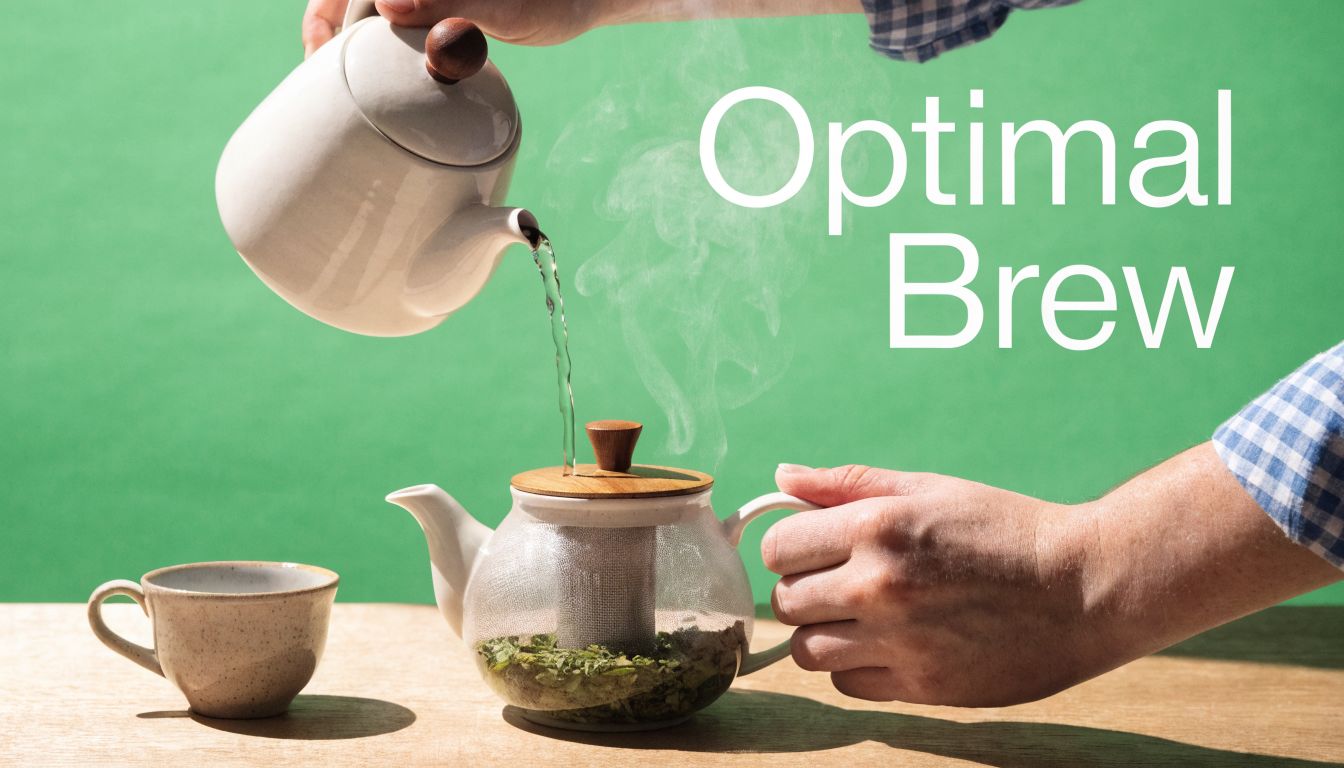
To maximise EGCG bioavailability by 40%, green tea should be prepared at 75 to 85°C for 2 to 3 minutes, and hotter temperatures can degrade up to 25% of the beneficial catechins, as outlined in Healthline's review of green tea and weight loss.
That sounds technical, but the practical message is dead simple. Don't use boiling water.
If you want a more controlled setup at home, especially if you drink tea often, this guide to instant boiling water taps is useful for thinking through hot water convenience and temperature control.
How to make brewed green tea properly
If you're using loose-leaf green tea or tea bags, keep it clean and restrained.
- Heat water, then let it cool slightly if it has reached a full boil.
- Aim for 75 to 85°C rather than a rolling boil.
- Steep for 2 to 3 minutes.
- Remove the leaves or bag promptly so it doesn't turn sharp and over-extracted.
A lighter, cleaner cup is usually the sign you've done it right.
Practical rule: If your green tea tastes aggressively bitter, your water was probably too hot, your steep was too long, or both.
How to prepare matcha for the best result
Matcha is less about steeping and more about suspension. You're whisking powder into water so you drink the leaf.
A reliable basic method looks like this:
- Sift the powder first: This helps avoid lumps.
- Use a small amount of warm water: Start with a splash to make a paste.
- Whisk briskly: A zig-zag motion gives a smoother finish.
- Top up with more water: Keep it pleasant and easy to drink, not overly thick.
For a visual walkthrough, this short guide on how to whisk matcha is handy if you want better texture without guesswork.
A quick demonstration helps too:
Don't turn a good drink into a milkshake
If weight loss is your focus, keep additions modest. A heavily sweetened café-style matcha can drift far from the point. A small amount of milk is one thing. A syrupy, oversized drink is another.
The ritual works best when it's simple, repeatable, and pleasant enough to become automatic.
Strategic Timing When to Drink Green Tea for a Metabolic Boost
A smart tea routine isn't only about what's in the cup. Timing changes the job the cup can do.
Drink it at the right time and green tea can support training, appetite control, and steady energy. Drink it randomly and you lose much of that structure. For many people, timing is the missing piece that makes the habit finally feel useful.
A simple daily blueprint
Research shows that consuming EGCG and caffeine from green tea 90 minutes before exercise produces a statistically significant increase in fat oxidation during the workout, and 2 to 3 cups daily appears to be the sweet spot for both benefits and long-term adherence, according to this timing guide on Simple Loose Leaf.
That gives us a practical rhythm rather than random sipping.

The three moments that make the most sense
Mid-morning after breakfast
This is a great slot if you don't love caffeine on an empty stomach. You've eaten, your day is underway, and a cup of green tea or matcha can help create a clean break between breakfast and mindless snacking.
It also suits people who otherwise chain coffees through the morning.
Before exercise
This is the most strategic slot if fat oxidation support is your main goal. If your training is planned, try having your green tea well before the session rather than chugging it in the car park outside the gym.
Walking, cycling, strength work, and even a solid beach walk all count. The point is to pair the tea with movement, not to treat it like a substitute for movement.
Mid-afternoon between meals
Green tea excels for people who get the 3 pm wobble. You're not necessarily hungry, but you want something. A well-timed iced green tea or matcha can help keep the day steady without pushing you toward biscuits, vending machine snacks, or a second dessert-coffee.
For many people, the best cup isn't the earliest one. It's the one that stops the next unnecessary snack.
What a practical day can look like
| Time | Best use | Why it works |
|---|---|---|
| Mid-morning | First cup after breakfast | Supports a steadier start |
| Before training | Matcha or green tea ahead of exercise | Best fit for fat oxidation support |
| Afternoon | Light cup between meals | Helps maintain routine and energy |
If you're also working on movement, this resource on fitness for metabolic well-being gives useful broader context on how exercise supports the same goal from another angle.
Keep it doable
The best schedule is the one you'll repeat. If you hate early mornings, don't force dawn matcha. If you train after work, place your tea around that. A useful routine should feel organised, not exhausting.
Beyond the Brew Creative Recipes to Keep You Motivated
Even the best routine can go stale if every cup feels like homework.
That's why enjoyment matters. If you like the taste and the ritual, you'll stick with it. If every drink feels medicinal, you'll drift back to whatever's easiest. The best way to drink green tea for weight loss has to be sustainable enough for real life, including hot Australian afternoons and busy workdays.
Iced matcha for warm days
A cold matcha is one of the easiest ways to keep the habit going through summer.
Shake or whisk matcha with a little warm water first so it dissolves properly. Then pour it over ice and top with cold water. If you like a softer flavour, add a splash of unsweetened milk.
The result is clean, grassy, refreshing, and far lighter than many takeaway drinks.
A lighter matcha latte that still feels comforting
A matcha latte doesn't have to become a dessert.
Try this approach:
- Start with whisked matcha: Smooth it with a small amount of warm water first.
- Use unsweetened milk or a dairy-free option: Oat, almond, or regular milk can all work.
- Keep sweetness optional: If you use anything, use a small amount.
- Watch the portion: Bigger isn't automatically better.
This version works well when you want something cosy without turning your tea habit into a sugar delivery system.
A smoothie option for busy mornings
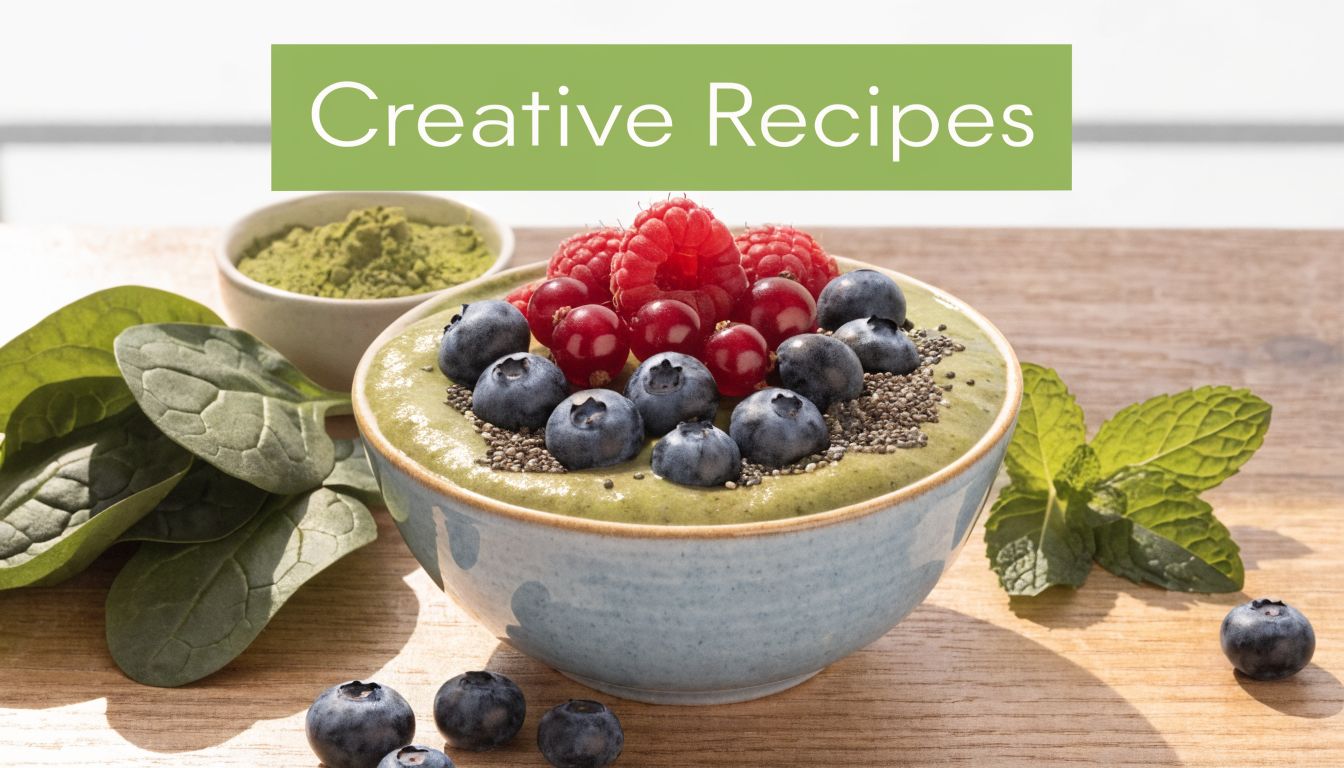
If breakfast is rushed, a matcha smoothie can be practical. Blend matcha with yoghurt or a dairy-free base, some fruit, and ice. Keep the ingredient list short. The goal is convenience and routine, not building a café menu in your blender.
A simple flavour combo often works best. Banana softens matcha's grassy edge. Berries add brightness. The tea stays noticeable without becoming overwhelming.
A good recipe should make consistency easier. If it takes too long or uses half the pantry, most people won't repeat it.
One recipe doesn't suit every day
Some days call for a straight whisked matcha. Some days you want iced. Some days you want it folded into a snack or smoothie. That variation can keep the routine enjoyable without changing the core habit.
If you want more ideas that stay aligned with your goal, these matcha drink recipes for weight loss give you a few practical options to rotate through.
Smart Sipping Dosage Safety and Realistic Expectations
At this stage, a lot of people either overdo it or give up too early.
Green tea can support weight loss, but it's still caffeinated, and more isn't automatically better. Chasing extreme intake usually leads to one of two outcomes. You feel rubbish, or you get sick of the whole routine and stop.
How much is sensible
A good working range is 2 to 3 cups a day, or the matcha equivalent. That's enough to build a meaningful habit without making your day revolve around tea.
If you're caffeine-sensitive, start lower. One properly made cup at the right time is better than several cups that leave you feeling edgy, hungry, or flat later on.
Here are the signs your dose probably suits you:
- You feel steady, not wired: Calm alertness is the aim.
- Sleep remains solid: If sleep drops off, your timing or amount needs adjusting.
- You can stay consistent: The best routine is the one you can repeat for weeks, not days.
- Your appetite stays manageable: Tea should support your routine, not replace proper meals.
The evening tea question
The old rule says no caffeine after 3 pm. Real life is a bit more nuanced.
Emerging research suggests the L-theanine in premium matcha at 20 to 40 mg per cup may help mitigate cortisol spikes, and one study reported 12% higher nocturnal fat oxidation without disrupting sleep, as discussed in this Holland & Barrett article on green tea for weight loss.
That doesn't mean everyone should start drinking matcha at night. It means the blanket rule isn't perfect for every person.
A sensible way to test your tolerance
| If you're this kind of drinker | Better approach |
|---|---|
| Very caffeine-sensitive | Keep green tea earlier in the day |
| Moderately tolerant | Trial a lighter afternoon serve |
| Generally fine with caffeine | You may tolerate later matcha, but test it honestly |
Sleep still matters more than squeezing in one extra cup. If a later serve leaves you restless, it isn't helping your weight loss effort.
Keep your expectations grounded
Green tea isn't a magic fix. It won't cancel out oversized portions, regular takeaway meals, poor sleep, or zero movement. What it can do is support a well-run routine. It may help with structure, better drink choices, pre-workout rhythm, and consistency.
That's plenty. Sustainable progress usually comes from habits like these.
If you'd like to put this into practice with high-quality organic options, explore Pep Tea for premium matcha and sugar-free organic kombucha made for everyday Australian wellness routines.