
Tag: matcha recipes for weight loss
7 Best Matcha Recipes for Weight Loss in 2026
Why do so many matcha recipes for weight loss sound healthy on paper, then leave you hungry, jittery, or reaching for something sweet an hour later?
The problem usually is not matcha itself. It is the recipe design around it. A useful weight-loss recipe needs to do two jobs at once. It should support a calorie-conscious routine, and it should also feel satisfying enough to repeat in real life.
That is where premium organic matcha stands out. Good matcha naturally contains catechins such as EGCG and also L-Theanine, a combination people often turn to for steadier energy and a calmer, more focused feeling than coffee alone. At PepTea, we like to treat matcha as one part of a balanced framework, not a magic ingredient.
The framework matters. High-protein breakfasts can help you stay full longer. Low-GI drink bases can make energy feel more even. Savoury recipes and smarter snacks can reduce the cycle of drinking calories, then hunting for biscuits or pastries later. Matcha works a bit like a strong supporting actor here. It brings its own benefits, but the full result depends on what you pair it with.
Australia's weight and nutrition picture also explains why simple wellness habits matter. The Australian Bureau of Statistics National Health Survey 2022 reports that overweight and obesity remain common among Australian adults. That helps explain the growing interest in practical recipes that are easy to make at home and easier to stick with than extreme plans.
You will notice that this list is not just a collection of green drinks. Each recipe uses matcha with a specific structure, such as protein for fullness, lower-sugar ingredients for better balance, or lighter replacements for higher-calorie cafe habits. If you are already improving your routine, it also helps to pair drinks with sensible snack choices like these low-sugar weight loss snacks.
1. Matcha Green Tea Smoothie Bowl
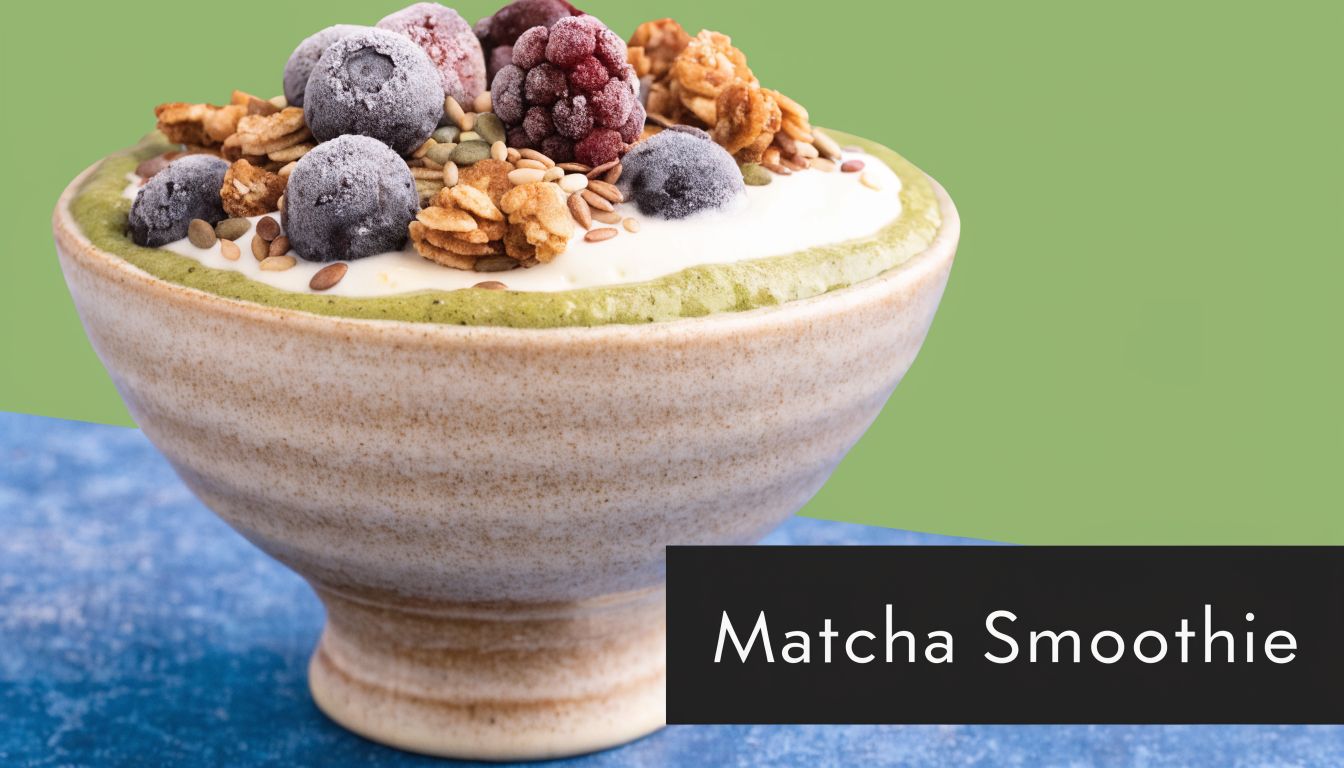
What if your matcha breakfast could do more than taste healthy? A well-built smoothie bowl can pair premium organic matcha's EGCG and L-Theanine with protein and lower-GI ingredients, so the bowl works harder for fullness, steadier energy, and fewer snack cravings later.
A smoothie bowl helps because it feels like a real meal. You eat it with a spoon, you notice the texture, and you are less likely to rush through it the way people often do with sweet drinks. That matters for weight loss. Matcha can support the routine, but the recipe structure carries much of the result.
At PepTea, we like this bowl because it is simple to balance. Start with Greek yoghurt for protein, frozen berries for fibre and natural sweetness, and a splash of unsweetened almond milk to blend. Then add 1 to 2 grams of premium matcha, whisked first with a little warm water so it blends smoothly instead of forming green lumps.
The goal is not to make the bowl as light as possible. The goal is to make it satisfying enough so that breakfast lasts.
That is where the pairing gets interesting. Matcha brings concentrated green tea compounds, while Greek yoghurt slows the meal down and helps keep you full. Berries are usually a smarter fruit base than juices or sweetened smoothie packs because they keep the sugar load lower. It works like building a steady campfire instead of tossing in paper that flares fast and disappears.
If you want a simple framework, use this:
- Protein base: Greek yoghurt or a high-protein unsweetened yoghurt
- Matcha prep: Whisk matcha with warm water first for a smoother texture
- Low-GI fruit: Frozen berries over banana-heavy blends
- Measured toppings: Chia, pumpkin seeds, and a small spoonful of granola
- Extra sweetness only if needed: Cinnamon or vanilla before honey
Practical rule: Toppings should add texture, not turn breakfast into dessert.
Many smoothie bowls go off track at the finish line. Nut butter, honey, granola, coconut flakes, and dried fruit can stack up quickly. A better approach is to choose one crunchy topping and one seed topping, then stop there.
If you are still learning how matcha supports everyday wellness, our guide to matcha and kombucha benefits for balanced energy and wellness explains why premium matcha quality makes such a difference.
This bowl also adapts well to real life. After a morning walk, it can feel light but still grounding. On a busy workday, it gives you a breakfast framework that is easy to repeat, and repeatable habits usually beat complicated healthy recipes every time.
2. Matcha Kombucha Detox Elixir
Could one light, fizzy drink support a weight-loss routine better than a sugary afternoon pick-me-up?
It can, if you build it with the right framework. A matcha kombucha elixir works best when it combines premium organic matcha, which is naturally rich in EGCG and L-Theanine, with a low-sugar kombucha and fresh, sharp flavours like ginger or citrus. That combination gives you a drink that feels refreshing, but still fits the bigger goal of steadier energy and better appetite control.
At Pep Tea, we like this recipe because it brings together two habits people already enjoy, then tightens the structure so it supports wellness more clearly. The key is not the word "detox." The key is choosing ingredients that stay light, low in added sugar, and easy to repeat.
Why the pairing makes sense
Premium matcha and kombucha play different roles. Matcha contributes the concentrated green tea compounds people often look for in wellness routines, especially EGCG, while L-Theanine helps give matcha its calmer, more level feel compared with a jittery energy drink. Kombucha adds acidity, sparkle, and a fermented base that makes the drink more interesting without needing syrup or juice.
That matters for weight loss because recipe structure changes the outcome. If the drink becomes a sweet mocktail, it works against you. If it stays crisp and low GI, it can replace higher-sugar drinks and help keep your routine more consistent.
A good way to picture it is this. Matcha is the anchor, kombucha is the lift, and ginger or lemon acts like a brightness switch that wakes up the whole glass without adding much sugar.
For a simple home version, whisk matcha with a small amount of warm water first so it blends smoothly. Let it cool for a minute, pour it over ice, then top with unsweetened or low-sugar kombucha. Add a few slices of fresh ginger or a squeeze of lemon or lime.
If you want an even cleaner result, start with high-quality latte matcha powder for smooth everyday drinks. Better matcha usually tastes less harsh, which means you are less likely to cover it up with sweeteners.
If you want to understand the overlap between these two ingredients a bit more, Pep Tea breaks it down in this guide to green tea benefits of matcha and kombucha.
A practical use case is the late afternoon slump. This drink can replace a second coffee or a sweet snack while still feeling enjoyable, and that swap often matters more than chasing fancy wellness claims. Consistent, lower-sugar choices tend to do more for real-world weight management than complicated recipes people only make once.
3. Matcha Protein Latte Iced or Hot
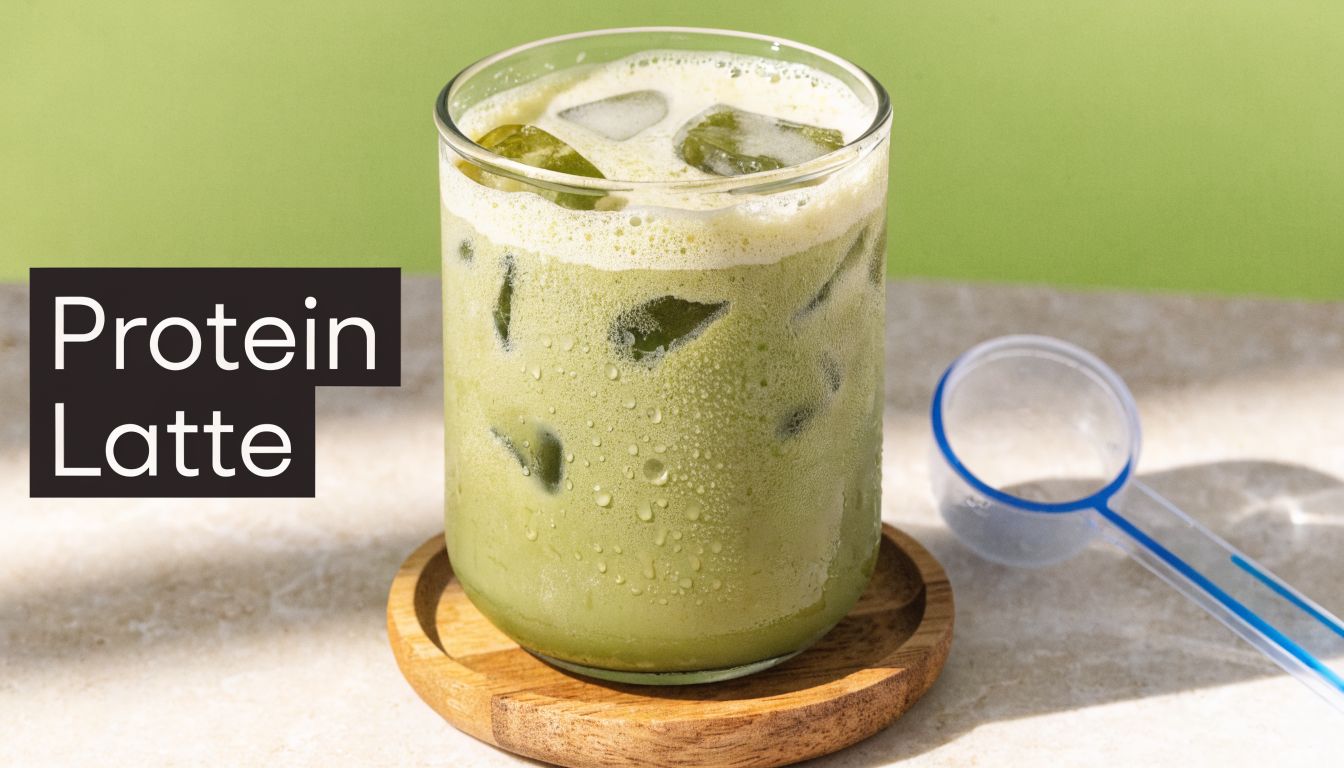
Want a matcha recipe that feels comforting like a latte, but works harder for weight-loss goals than a standard café order?
A protein matcha latte stands out because it combines two useful ideas in one cup. Premium organic matcha brings compounds people often look for in wellness routines, especially EGCG and L-Theanine. A high-protein, low-sugar latte framework then changes how satisfying that drink feels, which can make it easier to stay full and avoid the usual muffin-or-biscuit follow-up.
That pairing is an advantage here. Matcha gives you the tea benefits. Protein gives the drink structure, almost like turning a light snack into a more complete mini-meal.
A simple home version uses 3g matcha, 200ml unsweetened almond milk, and 20 to 25g unflavoured or lightly flavoured protein powder. Pea protein works well if you want a dairy-free option, while whey often gives a creamier finish. The key is keeping the recipe low GI and low in added sugar, so the latte supports steadier energy instead of tasting healthy but acting like dessert.
Why this recipe works so well in real life
Many people do not struggle because they lack recipes. They struggle because their healthy options are not filling enough to repeat. This one solves that problem better than plain matcha or a sweet café latte.
Matcha and protein also need a little technique to work well together. If you stir everything into cold milk at once, the powder can clump and the texture turns chalky. Whisk the matcha first with a small amount of warm water, then shake or blend it with the milk and protein. That one extra step usually gives a much smoother drink.
A few easy upgrades help:
- Use unsweetened milk: This keeps the drink lighter and lowers unnecessary sugar.
- Add cinnamon or vanilla: These soften grassy notes without relying on syrups.
- Choose better matcha for lattes: A cleaner-tasting powder means less need to mask bitterness. Pep Tea's latte matcha powder for smooth protein lattes is made for this style of everyday drink.
Hot works well when you want something cosy and slow. Iced is useful when you need a quick breakfast or post-walk drink in warm weather.
If you run a café or notice menu trends, protein matcha lattes have also become more common because they fit what many health-conscious customers want. Pep Tea has seen growing interest from venues adding organic matcha to high-protein drinks, which lines up with the broader shift toward lower-sugar, functional café options.
For weight loss, that practical repeatability matters. The best recipe is often the one you will stick with three times a week.
4. Matcha Green Tea Intermittent Fasting Drink
Could the simplest matcha recipe be one of the most useful for weight loss?
During a fasting window, plain whisked matcha gives you a small ritual without turning into a full snack or latte. That matters because fasting often breaks down less from true hunger and more from friction, boredom, or the urge to have something comforting in your hands. A warm cup of matcha can meet that need while keeping the drink minimal.
The basic formula is just matcha and hot water. Some people add a tiny pinch of sea salt for taste, especially if they want a smoother savoury edge, but the core strength of this recipe is how little it asks from your body.
Keep it simple during a fasting window
In such a simple drink, quality matters. With no milk, sweetener, or protein to soften harsh notes, you taste the powder clearly. A premium organic matcha with naturally higher EGCG and a gentler L-Theanine-rich profile is easier to drink plain, which makes the habit easier to repeat.
That synergy is the main advantage here. High-protein, low-GI recipes work well later in the day when you want staying power. During the fasting window, this stripped-back version gives you matcha's focused, steady feel without adding the heavier ingredients designed for meals. It fills a different role in the overall framework.
A plain serving of matcha is very light, so many people use it as a simple fasting-friendly option when they want something warm and purposeful.
A plain cup of matcha can feel small, but small rituals often keep bigger habits on track.
Use water that is hot, not boiling. Boiling water can flatten the sweeter, softer notes and pull forward bitterness. Whisk the matcha with a small amount of water first, then add the rest, until the surface looks lightly frothy. Sip slowly. Matcha works better here as a steady companion than a quick shot.
A few moments when this drink tends to work especially well:
- Early morning: for clear-headed energy before your first meal
- Mid-fast: when habit or boredom starts feeling like hunger
- Busy travel or work days: when simple choices are easier to keep consistent
It is a quiet recipe, but quiet recipes often last. If your goal is sustainable fat loss, the best matcha drink is not the fanciest one. It is the one that fits the job you need it to do.
5. Matcha Energy Balls with Kombucha Reduction
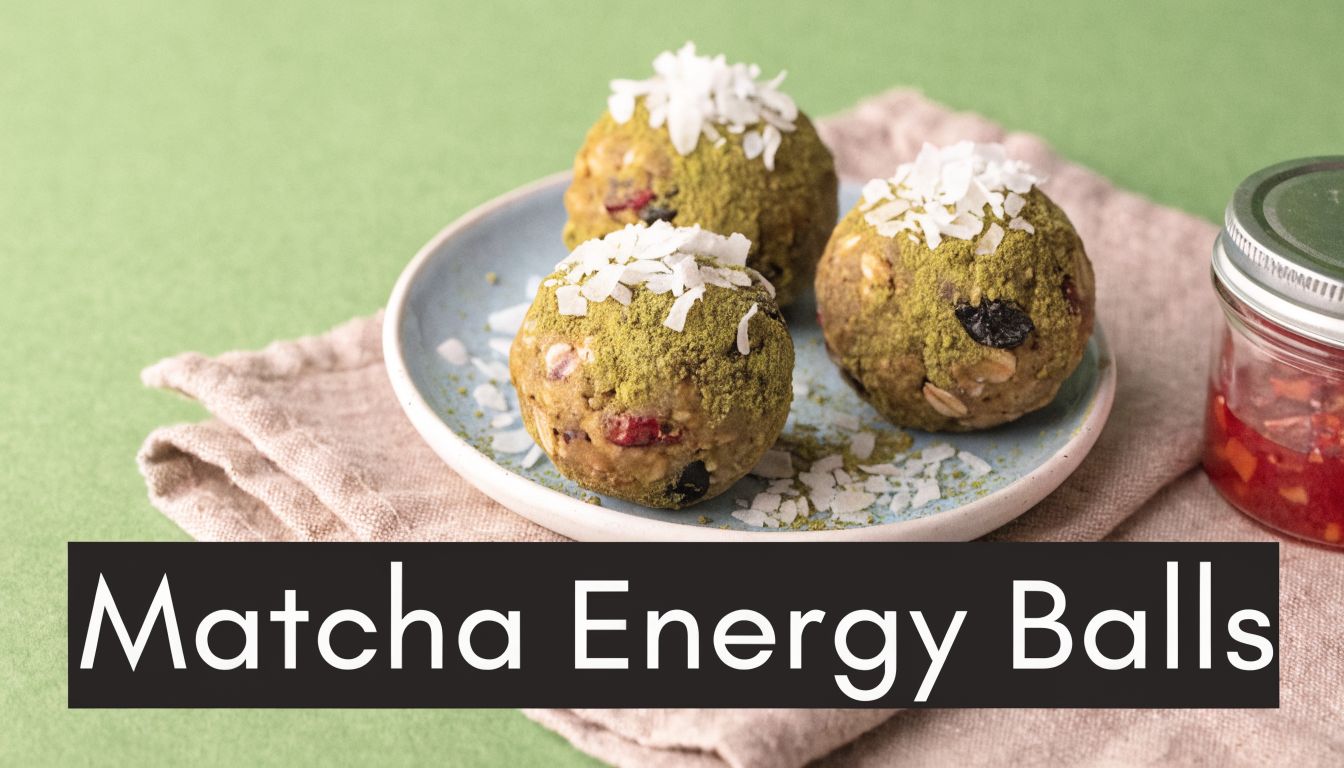
What if your weight-loss matcha recipe needed to fit in your bag, not your blender?
Matcha energy balls solve a very practical problem. Many people do fine at breakfast, then lose momentum when the afternoon snack gap hits. A small, planned snack with protein, fibre, and a lower-GI base can steady that moment far better than a random sweet bite. Add premium organic matcha, and the recipe starts doing more than most snack balls do. You get the pairing this article keeps coming back to. Matcha's naturally occurring EGCG and L-Theanine, plus a framework that slows the rush-and-crash cycle.
A reliable base is simple. Use almond meal or finely ground almonds, unsweetened coconut, a spoonful of quality matcha, and just enough binder to hold everything together. If you want a tangy twist, reduce kombucha gently on the stove until it thickens slightly, then add a small amount to the mix. Too much makes the mixture sticky and pushes the sugar load up, so restraint matters here.
The goal is portioned support, not a dessert in disguise.
That distinction helps with weight loss. High-protein, low-GI recipes work like slower-burning fuel. They release energy more steadily, which can make it easier to stay consistent between meals. Matcha fits neatly into that structure because it adds a focused, steady feel without needing syrups or heavy sweeteners. If you are still comparing powders, this guide to the best green tea for weight loss can help you choose a matcha that tastes smooth enough to use often.
A few details make a big difference:
- Use a fine almond crumb: A smoother texture holds together better and gives a more even bite.
- Mix matcha with the dry ingredients first: This prevents green clumps and spreads the flavour evenly.
- Chill before the final roll: Soft mixture is easier to shape, but a short chill helps the balls set neatly.
- Keep the kombucha reduction modest: You want brightness, not a wet mixture that falls apart.
These work well in a lunchbox, desk drawer, or gym bag. That flexibility matters. A wellness routine only lasts when it still works on ordinary days, and recipes like this make matcha feel less like a project and more like a habit you can keep.
6. Matcha Metabolism-Boosting Water Infusion
What if the simplest weight-loss-friendly matcha recipe is the one that makes plain water easier to finish?
A cold matcha water infusion is useful for people who want the benefits of premium organic matcha without another full snack or calorie-heavy drink. It gives hydration more interest, and it lets matcha's natural EGCG and L-Theanine stay in the routine in a very light format. That pairing matters here. High-quality matcha can support a steadier, more focused feel, while the recipe itself stays low in sugar and easy to fit around high-protein, low-GI meals.
Light, simple, and easy to repeat
The method is straightforward. Add about 1 teaspoon of matcha to a bottle or jug of cold water, whisk or shake well, then add lemon, lime, cucumber, or a few mint leaves. If the texture feels grassy or a little grainy at first, stir again after a minute or strain it before drinking. Matcha is a whole powdered leaf, so a little settling is normal.
This drink works like a bridge between meals, not a meal on its own. That distinction helps. A water infusion will not keep you full for hours, but it can make it easier to stay hydrated and keep your matcha habit consistent without reaching for sweet bottled drinks.
Some people also like adding a small splash of apple cider vinegar. If you enjoy the taste and it suits your digestion, that can fit into the mix. If not, skip it. The useful part of this recipe is its simplicity, not forcing extra ingredients into your bottle.
One useful habit: Make a jug in the morning and leave it somewhere visible. People usually drink what is already within reach.
Quality matters more in a recipe this minimal because there is nowhere for a rough, bitter powder to hide. If you want a smoother option for lighter drinks, Pep Tea explains what to look for in this guide to the best green tea for weight loss.
This is an especially practical option on hot days, after a walk, or during long work-from-home stretches when hydration slips down the priority list.
7. Matcha Superfood Salad Dressing
What if your salad dressing could do more than add flavour?
This recipe works well for weight loss because it brings two helpful pieces together. Premium organic matcha contributes EGCG and L-Theanine, while the dressing framework keeps the meal grounded with protein, healthy fats, and a lower glycaemic load. That combination matters. A salad is much easier to stay consistent with when it feels satisfying instead of sparse.
A creamy matcha dressing made with Greek yoghurt, tahini, lemon juice, and garlic gives vegetables more staying power. Greek yoghurt adds protein. Tahini slows the meal down a little, so the salad feels steady rather than fleeting. Matcha adds a clean, earthy note that pairs especially well with spinach, kale, cucumber, avocado, edamame, or grilled chicken.
The easiest way to understand this recipe is to picture it as a support layer for the whole bowl. The greens bring volume. The protein helps with fullness. The dressing ties everything together and gives matcha a practical job outside the mug.
Matcha beyond sweet recipes
Savoury matcha can surprise people at first. If you have only had it in lattes or smoothies, a salad dressing may sound unusual. But the grassy character of good matcha behaves a lot like a fresh herb here. It brightens the dressing rather than taking it over.
A few small steps make the texture much better:
- Whisk the matcha first. Mix it with a spoonful of warm water so it blends smoothly instead of leaving green specks.
- Add the creamy ingredients next. Stir in Greek yoghurt and tahini until the dressing looks even.
- Season last. Add lemon juice, garlic, salt, and pepper a little at a time, then taste and adjust.
If the flavour feels too strong on the first try, use a little less matcha and a bit more lemon. If it tastes flat, the issue is usually seasoning, not the matcha itself.
This dressing is especially useful for lunches that need to feel light but still complete. Use it on a salad with chicken, tofu, salmon, or boiled eggs for a high-protein, lower-GI meal structure. That is the essential advantage here. Matcha is not acting alone. It works alongside ingredients that help keep energy and appetite on a steadier track.
7-Item Matcha Weight-Loss Recipe Comparison
| Item | 🔄 Implementation Complexity | 💡 Resource Requirements | ⚡ Preparation Speed | 📊 Expected Outcomes | ⭐ Ideal Use Cases / Key Advantages |
|---|---|---|---|---|---|
| Matcha Green Tea Smoothie Bowl | Medium, blending + toppings, basic technique | Moderate, ceremonial matcha, yogurt/milk, frozen fruit, granola | Fast, 5–10 minutes | Sustained satiety, antioxidant intake; 250–350 kcal | Ideal breakfast/pre-workout; high satiety, customizable, visually appealing |
| Matcha Kombucha Detox Elixir | Medium–High, requires quality kombucha sourcing or brewing | Moderate, raw kombucha, matcha, ginger, lemon (premium ingredients) | Moderate, quick assembly if kombucha ready | Supports gut health, probiotics, modest metabolic boost; ~30–50 kcal/8oz | Ideal for detox programs and gut-focused routines; synergistic probio+EGCG benefits |
| Matcha Protein Latte (Iced/Hot) | Low, simple whisking and mixing with protein powder | Low, matcha, milk alternative, protein powder | Very fast, 2–5 minutes | High satiety and muscle support; meal-replacement potential (120–180 kcal) | Ideal on-the-go meal replacement and fitness transitions; reduces high-calorie coffee drinks |
| Matcha Green Tea Intermittent Fasting Drink | Low, minimal ingredients, strict no-additive prep | Minimal, ceremonial matcha, hot water, optional pinch of sea salt | Very fast, near-instant | Maintains fasting state, mental clarity, appetite suppression; 0–5 kcal | Ideal for IF/keto/biohacking; preserves autophagy and energy without calories |
| Matcha Energy Balls with Kombucha Reduction | Medium, no-bake assembly + kombucha reduction step | Moderate, nuts, coconut, kombucha, matcha, food processor | Moderate, 20–30 minutes prep + chill time | Portable, portion-controlled energy; ~50–80 kcal/ball with probiotics | Ideal as grab-and-go snack or pre-workout; whole-food sweet replacement, no refined sugar |
| Matcha Metabolism-Boosting Water Infusion | Low (hands-off), simple prep but long cold-brew time | Minimal, matcha, water, citrus/cucumber; pitcher for batch brew | Slow brew, 8–12 hours extraction, then ready all day | Enhances hydration and thermogenesis (3–8% calorie burn boost); 0 kcal | Ideal for all-day hydration and weight-loss challenges; low-cost batch prep for sustained boost |
| Matcha Superfood Salad Dressing | Low–Medium, whisking technique to emulsify yogurt/tahini | Moderate, matcha, Greek yogurt (or swap), tahini, lemon, garlic | Fast, 5–10 minutes; batchable 5–7 days | Increases salad satiety and nutrient absorption; ~80–120 kcal/2 tbsp | Ideal for making salads more satisfying and protein-rich; enhances EGCG absorption with healthy fats |
Start Your Matcha Wellness Journey Today
What makes matcha recipes for weight loss work long term. Fancy ingredients, or a recipe you can repeat without effort?
The answer is usually repeatability. The strongest recipe is the one that fits into real life on a Monday morning, survives a busy week, and still tastes good a month later. That is why the recipes in this guide follow simple frameworks with a clear purpose. A high-protein latte can replace a sugary café drink. A low-GI smoothie bowl can keep you full for longer. A plain fasting drink can support focus without turning into a snack. A savoury dressing can make a nutrient-dense meal more satisfying.
Quality matters because matcha is the whole leaf, finely ground. You are not steeping it and throwing the leaves away. You are drinking all of it. Premium organic matcha usually gives you a smoother taste, a gentler finish, and a composition people often look for in wellness routines, including naturally occurring EGCG and L-Theanine. That pairing is part of what makes matcha different from many quick-energy drinks. EGCG is the catechin people associate with matcha's metabolic benefits, while L-Theanine helps create a calmer, steadier feel. In practice, that means the recipe framework and the powder need to work together. High-quality matcha plus protein, fibre, and lower-GI ingredients often creates a result that feels more stable and sustainable than sweet, low-satiety options.
That is a significant shift.
Instead of chasing vague “fat-burning” promises, it helps to build a routine around appetite control, steady energy, and meals that leave you satisfied. A smoothie bowl with protein and seeds works like a slower-burning log on a fire compared with a sugary breakfast that flares up and disappears. A matcha latte with protein can turn an afternoon slump into a more controlled reset. Small design choices in a recipe can change how full, focused, and consistent you feel.
If you'd like to organise those meals more intentionally, this guide on how to meal plan for weight loss is a practical next step.
At Pep Tea, we care about making this feel simple and doable. We offer organic Japanese matcha and Australian-brewed sugar-free organic kombucha, and both fit naturally into the recipe structures above. You do not need to change everything at once. Start with one recipe that suits your routine, repeat it until it feels easy, then add another. That is how a wellness habit sticks.
If you're ready to try matcha in a way that feels simple and sustainable, explore Pep Tea for organic matcha, sugar-free kombucha, and everyday recipe inspiration suited for Australian lifestyles.