
Tag: ceremonial matcha
Matcha Tea Sifter: Smooth, Clump-Free Brews

You whisk. You pour. You take a sip. And instead of a smooth, vivid bowl of matcha, you get little green lumps, a sandy finish, and a drink that feels far less special than the powder you started with.
That’s one of the most common matcha frustrations I see. It happens to beginners, and it happens to café teams too. People often blame the whisk, the water, or their technique. Usually, the underlying issue started a few seconds earlier.
The fix is simple. Use a matcha tea sifter.
This tiny tool looks modest, but it changes almost everything about the cup in front of you. It helps your powder fall light and fluffy into the bowl, makes whisking easier, and gives your matcha a better chance to taste smooth, creamy, and balanced. If you’ve invested in quality powder, whether you drink it straight, make lattes, or build it into a café menu, sifting is one of the easiest ways to respect the tea.
The Secret to Lump-Free Matcha Begins Here
A lot of people have the same first matcha experience. They buy a beautiful tin of green powder, maybe inspired by a café latte they loved, and they expect the home version to feel calm, rich, and silky. Instead, the powder sticks together, floats in clumps, and turns the whole ritual into a small annoyance.
That moment matters because matcha is personal. You’re not just making a drink. You’re preparing something you’ve chosen for flavour, focus, and a better daily rhythm. When the texture is gritty, it’s disappointing in a way that feels bigger than it should.
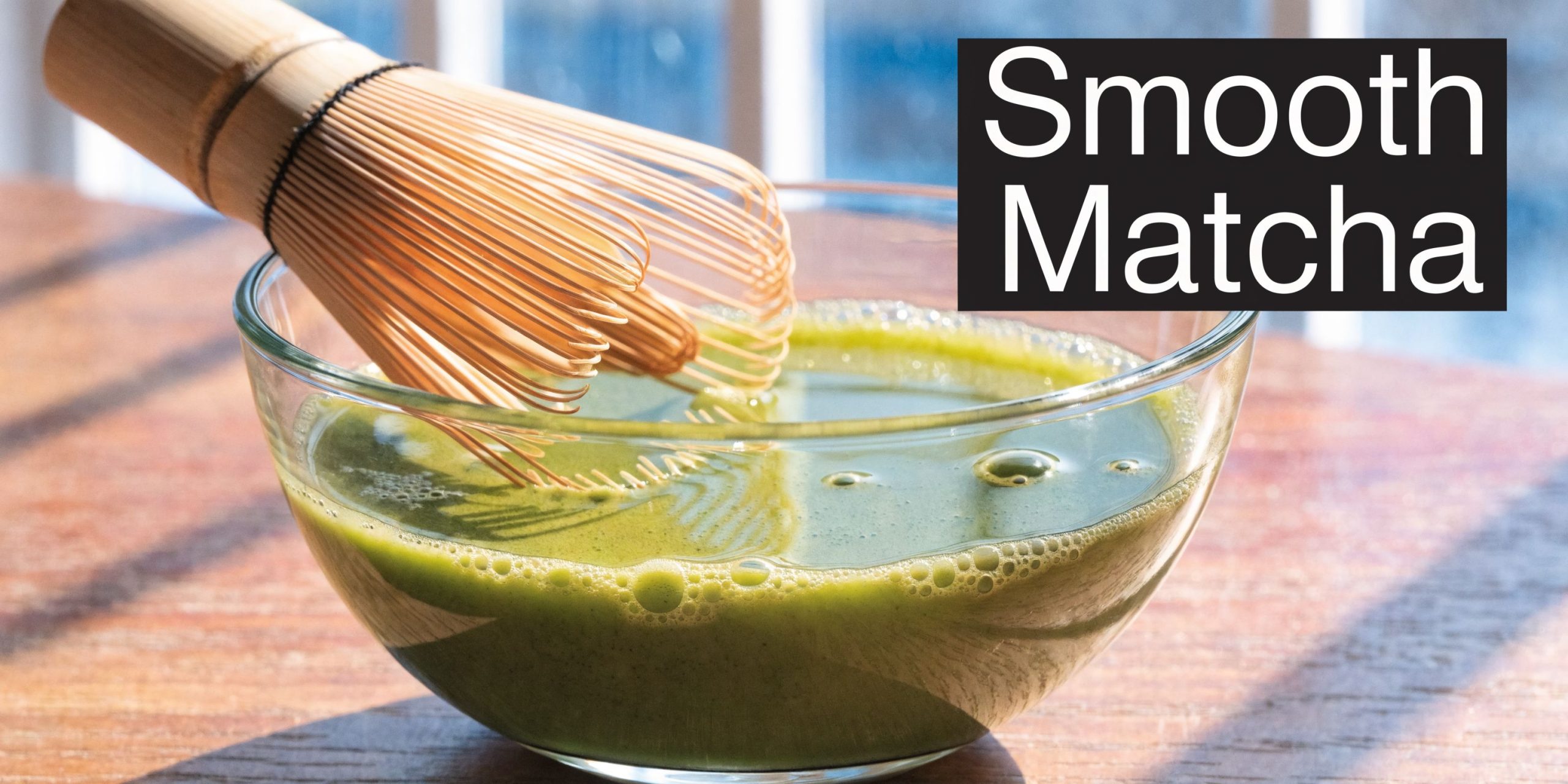
The small tool that changes the whole bowl
A matcha tea sifter is the quiet hero here. Before any water touches the powder, the sifter breaks up tiny compacted bits so the matcha lands in the bowl as a soft, even layer. That gives your whisk a fair chance to do its job.
If you’ve been exploring different grades and styles, it also helps to compare how preparation changes the experience across different powders. Looking at options such as high-quality matcha tea from Key West Coffee Company can be useful because it reminds you that quality and technique work together. Good powder still needs good handling.
A great whisk can’t fully rescue matcha that went into the bowl already clumped.
For beginners, that’s encouraging. It means you probably don’t need stronger wrists or a more complicated ritual. You just need one extra step that takes only moments and makes the rest of the process easier.
For café owners, the same lesson applies at scale. If the base isn’t smooth, the final drink won’t be either, no matter how polished your service is.
Why Sifting Matcha Powder Is Non-Negotiable
The first thing to know is that clumps don’t mean your matcha is poor quality. In fact, fine matcha often clumps precisely because it’s so delicate. The powder is extremely light, and it reacts quickly to moisture in the air and to static.
In Australian preparation settings, that matters even more. Humidity and storage conditions can make a fresh tin behave very differently from one day to the next.
What a matcha tea sifter does
The Japanese name for this tool is chakoshi. In practical terms, it’s a fine-mesh strainer designed to turn compressed powder back into a loose, airy mound before whisking begins.
According to this reference on a matcha tea sifter and tea strainer, a chakoshi in premium matcha preparation commonly uses mesh apertures finer than 10 microns, and matcha clumps formed by static and moisture can reach 50 to 100 microns. The same source notes that unsifted matcha can lead to a grainy texture with 20 to 30% reduced froth volume, because clumps reduce powder-water contact area by 40%. It also states that sifting can increase effective surface area by 3 to 5x, lifting extraction efficiency from 65% to 95% in a 2g/60ml brew.
Those numbers sound technical, but the takeaway is simple. When the powder is evenly dispersed, water can reach more of it quickly and consistently.
Why clumps create bigger problems than you think
A clump isn’t just a lump sitting in your bowl. It acts like a barrier.
Instead of each fine particle meeting water and whisk movement, parts of the powder stay trapped inside little packed pockets. That leads to a few familiar issues:
- Uneven mixing means some sips taste dull while others taste sharp or bitter.
- Poor suspension means sediment drops faster to the bottom.
- Weaker froth means the top of the bowl looks flat rather than lively.
- Less control means you keep whisking harder, which often makes the ritual feel frustrating.
Why this matters for premium matcha
The better the matcha, the more you want to protect what makes it special. If you’re working with a fine ceremonial powder, proper prep helps you taste the softness, sweetness, and savoury depth the producer intended. If you want to understand how grade affects preparation, our guide to https://peptea.com.au/different-grades-of-matcha/ is a helpful place to start.
It’s also useful to compare sift-friendly powders when learning. Browsing products such as Ceremonial Grade Matcha from AQEEK Coffee can help you notice how very fine powders benefit from careful handling.
Practical rule: If your matcha is worth buying, it’s worth sifting.
Improve Flavour, Texture, and Crema
People often think the matcha tea sifter is only about removing lumps. That’s true, but it’s only the beginning. Sifting changes how the drink feels, how it tastes, and how the foam forms on top.
Those three things are closely linked. Better particle distribution gives you better contact with water. Better contact gives you smoother whisking. Smoother whisking gives you a more balanced cup.
Texture starts before the whisk
Texture is often where the difference is first noticed.
When matcha falls through a fine mesh, it becomes light and even. That means your whisk meets a fluffy powder bed instead of stubborn little pebbles. The result is a bowl that feels softer across the tongue, with less graininess and less sludge left behind.
If your goal is a velvety usucha or a café-style latte base, this matters. A smooth base carries milk better, blends more cleanly, and leaves less sediment at the bottom of the cup.
Flavour becomes more balanced
Unsifted matcha doesn’t dissolve evenly. Some parts stay trapped in little clumps while others overexpose to water and agitation. That’s one reason a bowl can taste oddly bitter in one sip and flat in the next.
A more even powder bed supports a more even extraction. In plain language, the bowl tastes more coherent. You’re more likely to notice sweetness, savoury depth, and the gentle grassy freshness people chase in good matcha.
Foam and crema improve in a visible way
Here, the change becomes obvious, especially for café service. According to this reference on a matcha hand strainer, sifted matcha froths to 2 to 3x higher foam height, reaching 15 to 20mm, with microbubble stability lasting 4 to 6 minutes. The same source links that improvement to 30% improved L-theanine-caffeine synergy (1:2 ratio) and notes that unsifted matcha can produce a thinner, more bitter brew due to a 15% increase in polyphenol oxidation.
That sounds scientific, but the visual cue is easy to recognise. Sifted matcha tends to produce a finer, more even top layer. It looks creamy rather than bubbly and rough.
If you’re still working on your whisking motion, our guide to https://peptea.com.au/how-to-whisk-matcha/ pairs well with this step, because sifting and whisking work best together.
What this means in the cup
Here’s a simple perspective:
- Better texture makes the bowl feel luxurious, not chalky.
- Better flavour makes the tea feel composed, not scattered.
- Better crema makes the drink look alive and drink beautifully from the first sip.
Smooth matcha isn’t only a visual win. It changes the whole drinking experience.
For home drinkers, that means a more enjoyable ritual. For cafés, it means a more consistent product that looks good, tastes right, and holds up better on the pass.
How to Choose the Right Matcha Sifter
Not every sifter feels the same in use. Some are made for a single bowl on a quiet morning. Others are more practical for a busy café bench. The right choice depends on how much matcha you prepare, how often you make it, and whether hygiene and workflow need to meet commercial standards.
There’s also a growing Australian angle here. According to this video reference discussing the local market and tool selection, there has been a 35% rise in Australian searches for “organic matcha tools” since Q1 2025, alongside growing interest in sifters that align with FSANZ Code requirements for premium organic handling in hospitality settings: organic matcha tools in Australia.
The two common sifter styles
Many choose between a small handle-style strainer and a larger canister-style sifter.
The handle-style version is the classic choice for making one bowl at a time. You rest it over the chawan, add the powder, and press it through with a scoop or small spatula.
The canister style is built for batching. It’s more useful when you want to pre-sift a larger amount for service, recipe prep, or repeated drinks across a shift.
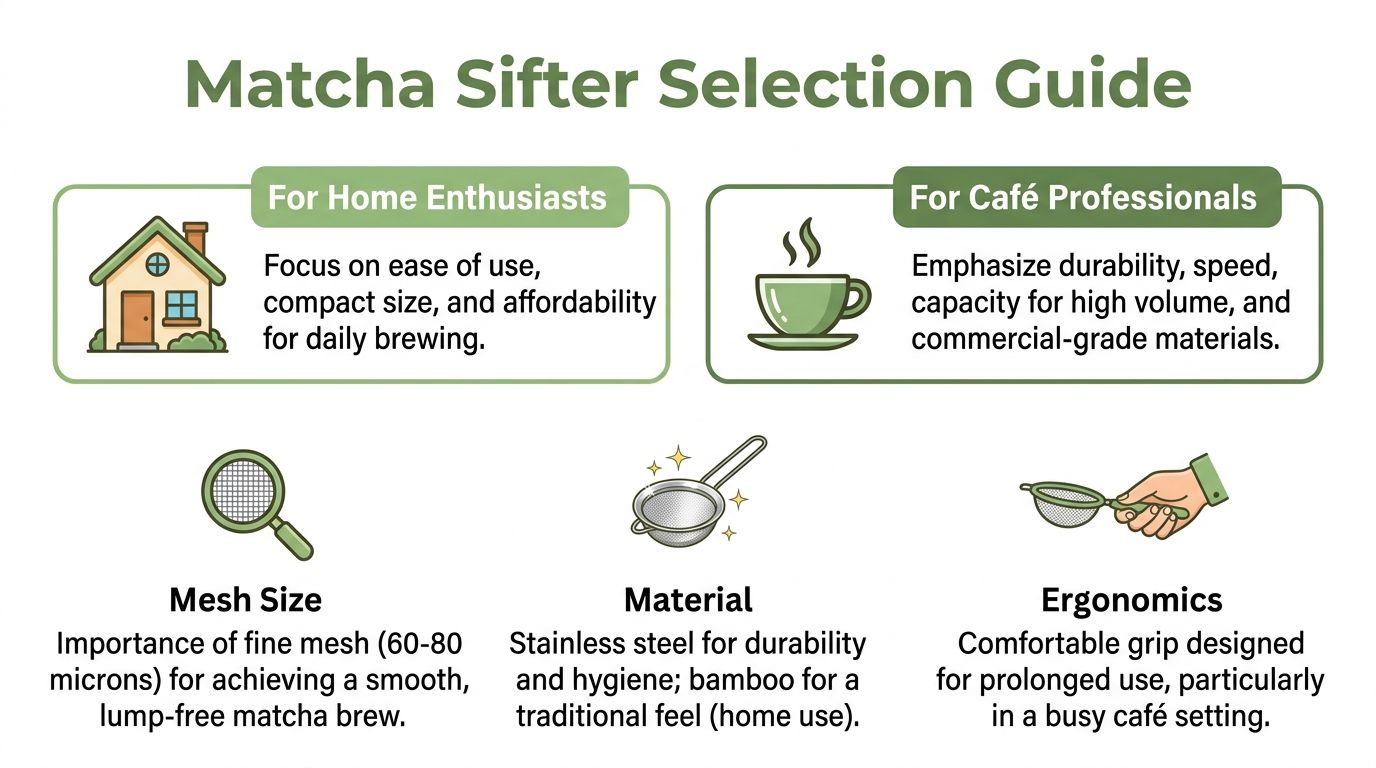
What to look for in the material and mesh
Food-grade stainless steel is usually the safest practical choice. It’s easy to clean, durable, and better suited to repeated use in a home kitchen or commercial setting.
A very fine mesh matters too. A generic kitchen sieve might work in a pinch, but it often isn’t designed for such fine powder. That’s why dedicated matcha tools feel easier and more predictable.
If you’re shopping as a beginner and want an all-in-one setup, the https://peptea.com.au/matcha-tea-set-australia/ page shows a full set format that includes the key preparation tools, including a sifter.
Matcha Sifter Comparison
| Sifter Type | Best For | Material | Pros | Cons |
|---|---|---|---|---|
| Handle-style strainer | Daily home use, single bowls, small latte prep | Usually stainless steel | Easy to store, simple to use, precise for one serve | Slower for batch work |
| Canister-style sifter | Café prep, repeated service, recipe batching | Usually stainless steel | Better for volume, tidier for larger prep | Takes more space, less nimble for one bowl |
| Bamboo-style traditional option | Home enthusiasts who value ritual and aesthetics | Bamboo or mixed materials | Traditional feel, visually appealing | Harder to sanitise well, less practical for commercial use |
| Generic kitchen sieve | Emergency substitute only | Varies | Easy to find | Mesh may be too coarse, less control, less tidy |
A simple buying checklist
- Choose stainless steel if you want durability and easier cleaning.
- Check the mesh and avoid anything that looks obviously coarse.
- Think about volume. One bowl at a time and café prep are different jobs.
- Consider ergonomics if you’ll use it repeatedly during service.
- Keep compliance in mind if you run a venue and need cleaner, more controlled tool choices.
One mention worth making here is practical rather than promotional. Pep Tea’s Japanese Matcha Set includes a sifter, which is useful for people who want the core tools together in one setup.
Your Step-by-Step Sifting Method
Sifting looks refined, but it’s very straightforward once you’ve done it once or twice. Many learn it in minutes.
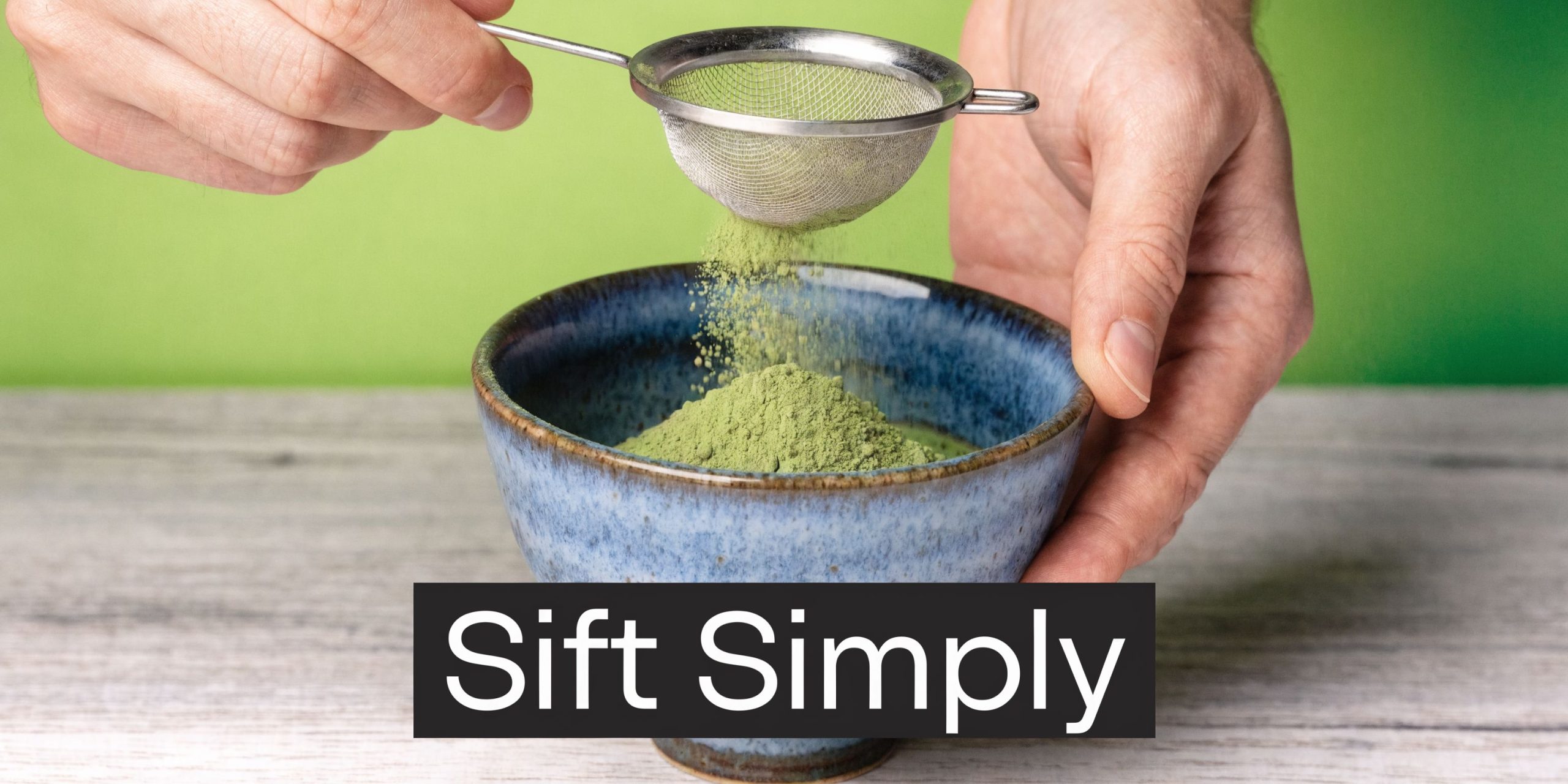
The easiest way to do it
Start with a completely dry bowl and a dry sifter. Moisture is the enemy at this stage, so even a few drops can make the powder catch.
Then follow this sequence:
Set the sifter over the bowl
Make sure it sits securely. You don’t want it wobbling while you work.Measure your matcha into the sifter
Use your bamboo scoop or measuring spoon and place the powder gently into the centre.Press lightly, don’t mash
Use the scoop, a small spoon, or a spatula to coax the powder through the mesh. Gentle circular movements work well.Tap only if needed
If a little powder clings to the mesh, a light tap can help. Don’t smack the sifter hard or you’ll create a puff of green dust.Whisk straight after sifting
Once the matcha is airy and loose in the bowl, add your water and whisk while it’s at its freshest.
Common beginner mistakes
A few tiny habits make the process much easier:
- Using a damp tool causes immediate sticking.
- Forcing the powder through too aggressively can compact it again.
- Sifting too far ahead can expose the powder to more air than necessary.
- Overfilling the sifter makes the process messier than it needs to be.
Keep the motion light. You’re fluffing the powder, not grinding it.
If seeing the movement helps, this short video shows the rhythm clearly:
How long should it take
Not long. Once your tools are within reach, sifting becomes one of the quickest parts of the ritual. It often saves time overall because whisking becomes easier and more predictable afterward.
For a café team, that’s good news. For a beginner, it’s even better. One small habit removes a lot of unnecessary frustration.
Troubleshooting and Advanced Tips for Cafés
Sometimes the problem isn’t your technique. It’s the room.
In parts of Australia, especially through humid periods in NSW and QLD, matcha can start clumping much faster than people expect. That’s why a method that worked perfectly on a cool dry day suddenly feels messy and stubborn in summer.
When humidity keeps ruining your prep
This Australian matcha reference notes that searches for matcha spike 42% in summer, and that matcha agglomeration can happen 3x faster in humidity above 70%. It also reports that home users can pre-chill sifters to -5°C for 10 minutes to cut clumping by 50%, while cafés handling larger amounts may use electric vibrating sieves for 100g batches: sifting matcha powder in humid conditions.
That’s useful because it gives us two practical paths. One for the home kitchen, and one for service.
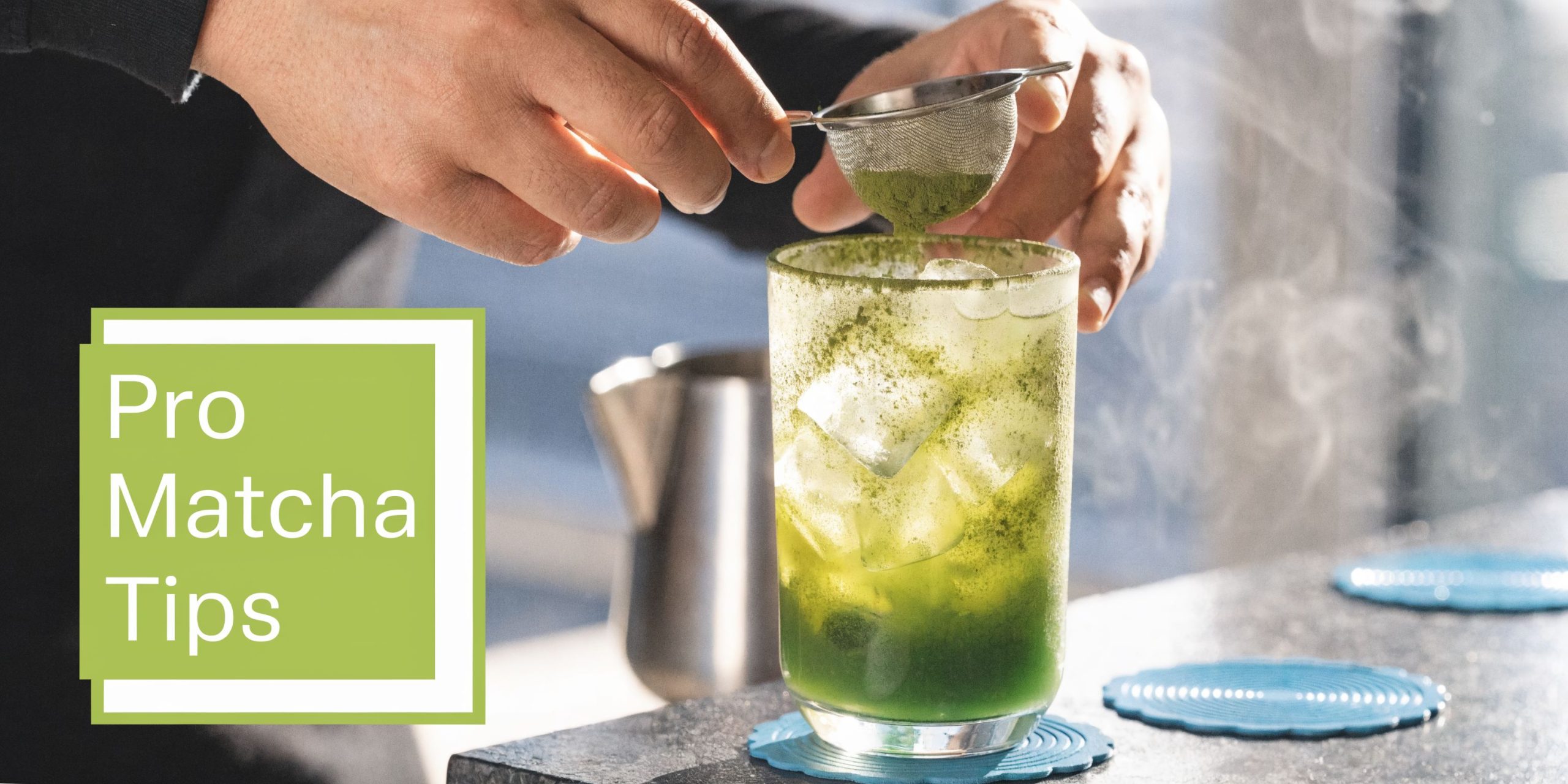
Quick fixes at home
If your matcha keeps clumping, try these:
- Sift just before use rather than preparing it well in advance.
- Keep tools dry and cool so moisture doesn’t catch on the mesh.
- Use a fine tea strainer temporarily if you don’t own a dedicated matcha tea sifter yet.
- Store your matcha tightly sealed and away from steam, sunlight, and heat.
A regular fine tea strainer can work as a stopgap, but it usually feels less tidy and less precise. It’s a practical substitute, not a long-term matcha ritual tool.
Workflow tips for cafés
For hospitality teams, speed matters, but consistency matters more. A rushed bowl with lumps isn’t saving time if the drink comes back or pours poorly into milk.
Try a workflow like this:
- Assign one dry prep zone for matcha only.
- Pre-portion small service amounts instead of exposing a larger container repeatedly.
- Use batch sifting tools only when turnover justifies it.
- Train every staff member the same way so texture stays consistent across shifts.
In a café, the best sifting method is the one staff will repeat accurately during a busy service.
That’s true whether you’re serving straight matcha, iced lattes, or using matcha as part of a non-alcoholic menu.
Caring for Your Tools and Your Tea
A good matcha tea sifter doesn’t need complicated care. It needs clean, gentle care.
Rinse metal sifters with warm water after use if powder has caught in the mesh, then dry them thoroughly before putting them away. Avoid leaving them damp in a drawer or on a crowded sink. If you can brush out dry powder first, that’s often even easier.
Soap can be useful for a deeper clean when needed, but residue is the thing to avoid. You don’t want cleaning smells lingering on a tool that sits close to a delicate tea.
Good habits that protect flavour
A few small habits make a real difference:
- Keep the sifter dry before the next use.
- Store matcha airtight so moisture and kitchen odours stay out.
- Avoid heat and light because they dull freshness.
- Clean promptly so powder doesn’t cake into the mesh.
The bigger point is simple. Sifting is an act of care. It respects the work that went into growing, grinding, packing, and preparing matcha.
If you’ve been skipping this step, don’t feel bad. Many do at first. Once you make it part of your routine, it quickly feels natural, and the bowl in front of you reflects that care straight away.
If you’d like to put this into practice, explore Pep Tea for organic matcha, tea education, and tools that support a smoother everyday ritual at home or in hospitality.
Japanese Matcha Set: Your 2026 Buyer’s Guide

You’ve probably seen it happen. A beautiful bowl of vivid green matcha appears in your feed, sitting beside a bamboo whisk and a handmade bowl, and suddenly the whole ritual looks equal parts calming and confusing.
A japanese matcha set can seem like something meant for experts only. In reality, it’s a practical group of tools that helps you make smoother, better-tasting matcha with less fuss. Once you know what each piece does, the set stops feeling formal and starts feeling useful.
For many Australians, matcha now sits at the meeting point of wellness, café culture, and everyday routine. It can be your quiet morning drink, your afternoon reset, or a thoughtful addition to a non-alcoholic menu. The ritual matters, but it does not need to feel intimidating.
An Invitation to the Matcha Ritual
A lot of people begin in the same place. They buy a tin of matcha, stir it with a spoon, end up with lumps, then wonder whether the traditional tools are more about looks than function.
They are not just decorative. They help turn powdered tea into a drink that feels rounded, smooth, and intentional.
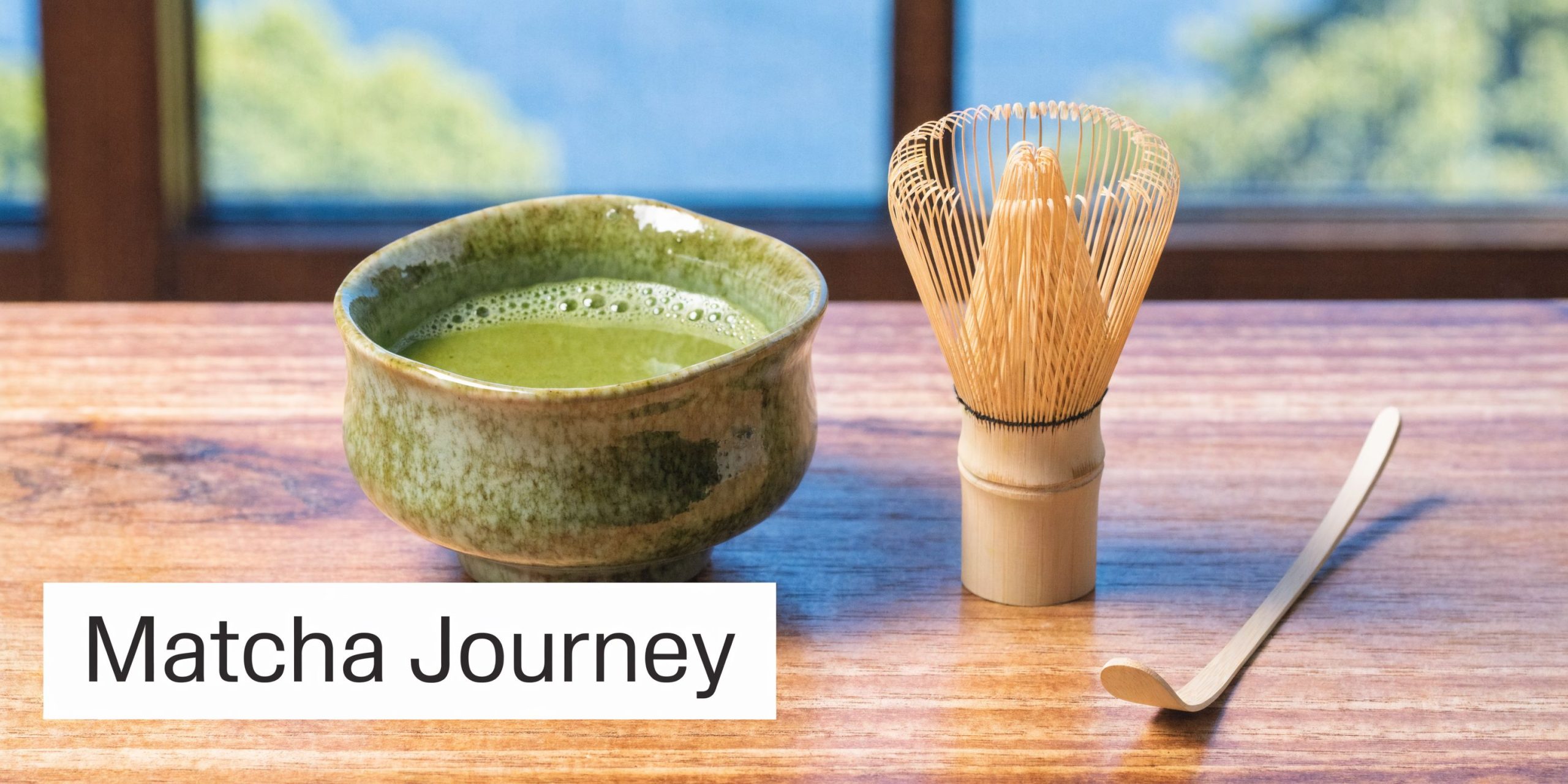
The appeal of matcha today goes far beyond trendiness. People want rituals that slow them down for a minute. They want drinks that feel clean, grounding, and a little bit special. A japanese matcha set fits that beautifully because it gives shape to the moment. Bowl, scoop, sift, whisk, sip.
That interest is part of a much bigger movement. In 2024, Japan’s tea exports reached a record ¥36.4 billion, up 24.7% from the previous year, with powdered teas such as matcha making up 58% of export volume, according to Nippon’s report on Japan’s tea export record. For Australian drinkers, that matters because it points to strong global demand and continuing access to authentic matcha and traditional tools.
Why the ritual feels so different
When you make matcha this way, you are not only preparing a drink. You are giving yourself a repeatable pause in the day.
That can look like:
- A quick morning reset before emails and school drop-off
- A café-quality afternoon cup without leaving home
- A hospitality moment that feels more thoughtful than another standard hot drink
A good ritual does not need to be complicated. It just needs a few reliable tools and a little attention.
Deconstructing Your Japanese Matcha Set
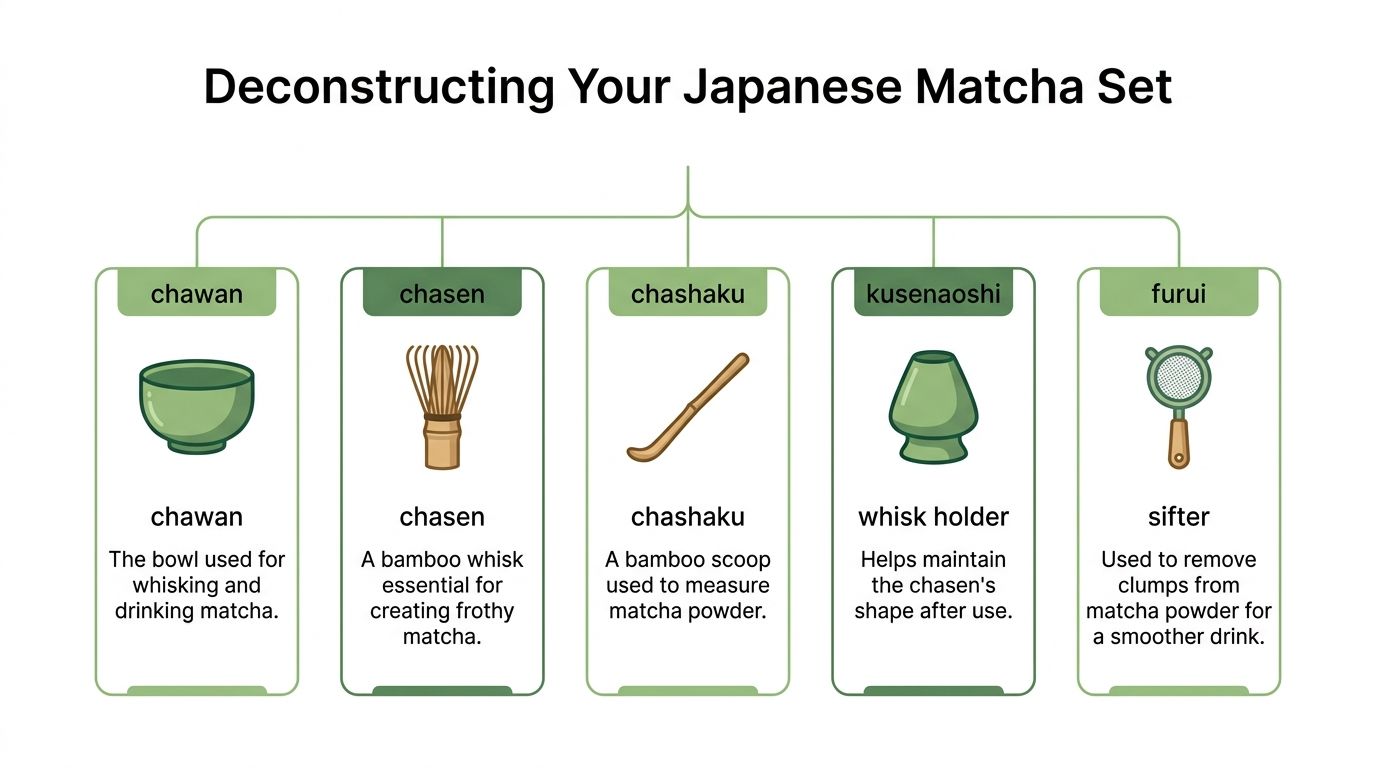
Open a japanese matcha set and you’ll usually find a small group of tools with very specific jobs. Each one solves a common matcha problem.
The core pieces
The chawan is the bowl. It is wide enough to whisk in comfortably and deep enough to keep the liquid from splashing everywhere. You drink from it too, which is part of the charm. It keeps the process simple.
The chasen is the bamboo whisk. This is the heart of the set. Its fine tines break up powder, lift air into the tea, and create the light froth people associate with properly prepared matcha.
The chashaku is the bamboo scoop. It helps you measure powder consistently without guessing. That matters more than many beginners realise. Too much matcha can taste heavy. Too little can taste thin.
The kuse naoshi, or whisk holder, helps the chasen keep its shape after use. Without it, the tines can dry unevenly and lose the form needed for good whisking.
Many sets also include a sifter. This step is easy to skip, but it makes a real difference because matcha powder naturally clumps.
Why each piece matters in practice
If you’ve ever stirred matcha in a mug and wondered why it felt gritty, the answer is usually a mix of clumps, uneven suspension, and the wrong vessel.
A proper set improves all three.
- The bowl gives you room to whisk quickly and evenly
- The whisk creates suspension so the tea feels smoother to drink
- The scoop improves consistency from one cup to the next
- The holder protects the whisk after you finish
- The sifter removes lumps before they become a texture problem
The set is traditional, but not precious
Some readers worry they need to follow a strict tea ceremony to “use it properly”. You don’t.
You can honour the tradition while still making matcha in a modern Australian kitchen before work. You can use a handmade bowl on a quiet Sunday, or prep several bowls in a café service window. The tools stay the same. The context changes.
If a tool helps you make better matcha more easily, it belongs in your routine.
How to Choose the Right Matcha Set
Not every japanese matcha set suits every drinker. A beginner at home needs something different from a café team serving matcha all day.
The best way to choose is to match the set to your actual habits, not your ideal self.
Start with the whisk, not the bowl
People often focus on the bowl because it is the most visible piece. The better starting point is the chasen.
A proper whisk with 80 to 96 prongs works especially well for ceremonial-style preparation. According to Japanese Taste’s product guide for an organic ceremonial set, using a proper chasen with sifted ceremonial-grade matcha can increase the bioavailability of EGCg antioxidants by up to 30% compared with stirring without a whisk. The reason is practical. Fine froth keeps the powdered leaf evenly suspended, so you drink the whole bowl more evenly.
That does not mean the bowl is unimportant. It means function should lead the decision.
Materials and fit matter
A good set should feel easy to use, clean, and store.
Look for:
- A bowl with enough width for whisking without knocking the sides
- A whisk with fine, even tines rather than thick, rough ones
- A scoop that feels balanced in the hand
- A whisk holder included if you want the set to last
If you enjoy traditional preparation, a ceramic bowl such as Mino-yaki can feel lovely in the hand. If you are buying for a café, durability and consistency matter more than visual romance alone.
Matcha Set Comparison Home Use vs. Café Use
| Feature | Ideal for Home Baristas | Essential for Cafés & Hospitality |
|---|---|---|
| Bowl | Comfortable to hold and wide enough for easy whisking | Durable, stackable, and consistent in shape |
| Whisk | Fine bamboo chasen for daily use | Multiple chasen on hand for service continuity |
| Scoop | Traditional chashaku for measured ritual | Consistent portioning method staff can repeat |
| Sifter | Helpful for smoother texture | Important for speed and consistency across orders |
| Holder | Strongly recommended | Necessary if you want to protect tool life |
| Matcha choice | Ceremonial grade for straight drinking | Ceremonial for premium service, culinary for recipes and lattes |
Buy for the way you drink
If you mostly drink straight matcha, choose a set that supports slower preparation. If you make lattes, smoothies, or recipe bases, you still benefit from proper tools, but you may not need the most delicate ceremonial setup.
If you’re still sorting out powder styles, Pep Tea’s guide to different grades of matcha is useful for deciding what belongs in the bowl and what belongs in recipes.
Your First Matcha A Simple Preparation Guide
The first bowl does not need to be perfect. It just needs to be pleasant enough that you want to make a second one.
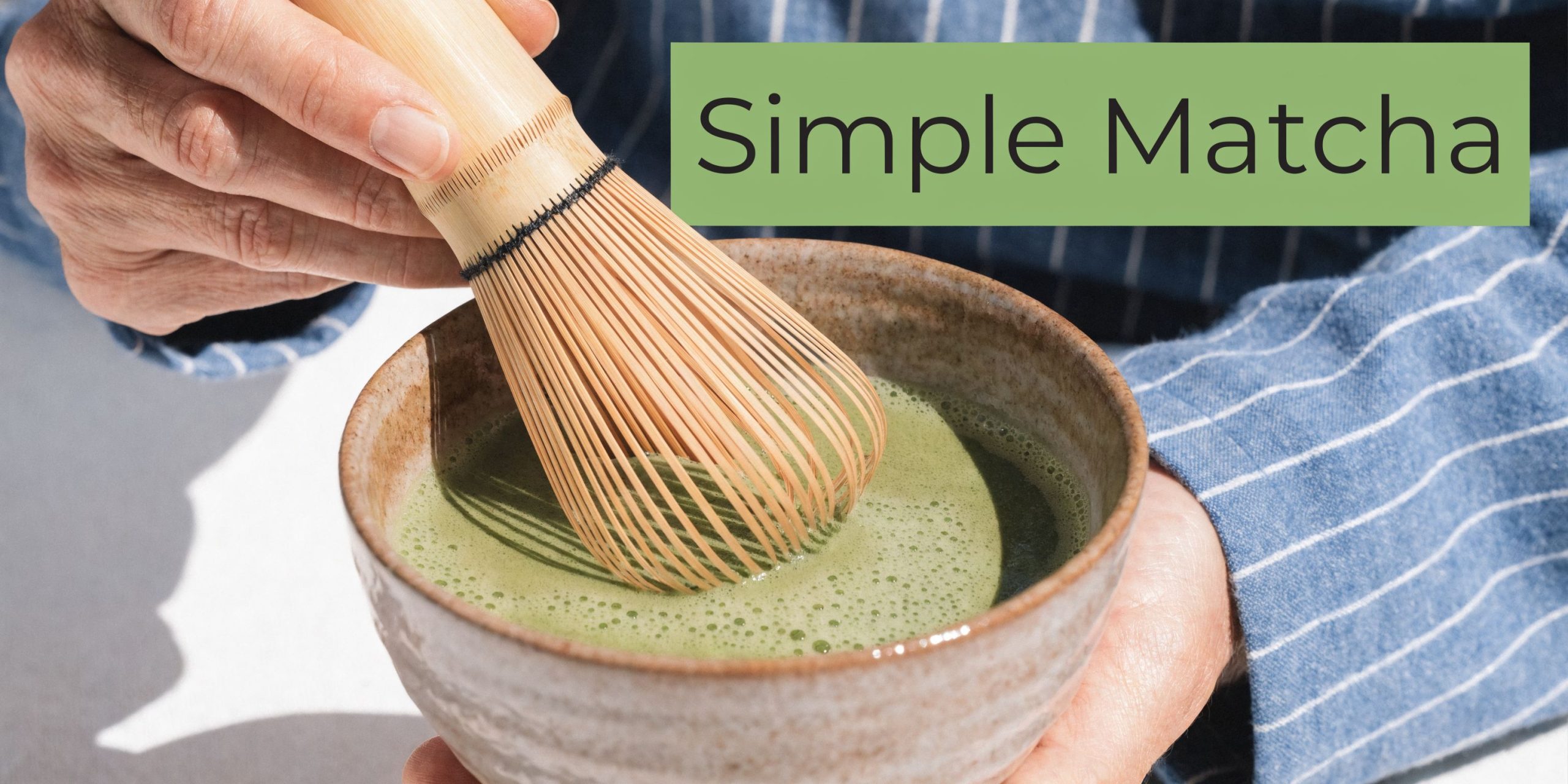
A simple method that works
Use 2g of matcha, which is about 3 scoops with a chashaku, and 60ml of water at 70 to 80°C, based on the preparation details in the verified product data for ceremonial matcha sets. Start by sifting the powder into your bowl. This step removes lumps before you add water.
Add a small splash of warm water first and make a loose paste. Then pour in the rest.
Now whisk briskly using a quick W motion across the surface rather than stirring in circles. Aim for a fine froth on top.
What beginners usually get wrong
Boiling water is the most common mistake. It flattens the flavour and can make matcha taste harsher than it should.
The second mistake is pressing the whisk against the bottom of the bowl. The whisk should move lightly and quickly, almost skimming the tea.
- Too many clumps usually means the powder was not sifted
- Flat texture usually means the whisking motion was too slow
- Bitterness often points to water that was too hot
- Weak flavour usually means too much water for the amount of matcha
For a visual walkthrough, Pep Tea’s guide on how to whisk matcha can help if the hand motion feels awkward at first.
Watch the hand movement
A short demo often makes the process click faster than written instructions alone.
Stop whisking once the surface looks fine and lively. You are aiming for smoothness and lift, not a giant foam cap.
Cleaning and Caring for Your Matcha Tools
A japanese matcha set lasts longer when you treat it as kitchenware with a rhythm, not as something you toss in the sink and deal with later.
The most important tool to protect is the chasen. Bamboo is strong, but the fine tines are delicate.
The care habit that saves money
According to Matcha.com’s starter kit guide, high-quality bamboo whisks stored on a ceramic holder can withstand over 500 uses before significant deformation, reducing replacement costs by up to 60% compared with whisks left to dry on their side.
That is a practical reason to care for your whisk properly. Better shape means better froth. Better froth means better matcha.
Simple cleaning steps
Rinse the bowl with warm water soon after use. Matcha dries fast and can cling to ceramic if left sitting.
For the whisk, use warm water only. Swirl it gently in clean water to release any trapped matcha. Avoid soap, which can linger in bamboo and interfere with flavour.
Then place the whisk on a kuse naoshi so the tines dry evenly.
- Do rinse straight away after each use
- Do let tools air dry fully before storing them
- Do use the holder to help maintain whisk shape
- Don’t scrub the bamboo
- Don’t leave the whisk flat on the bench
- Don’t store damp tools in a closed drawer
The small ritual after the ritual
These few seconds of care are part of the experience. They also protect the investment you made when choosing a quality set.
A whisk that keeps its form performs better, looks better, and asks less of your wallet over time.
Beyond the Bowl Creative Matcha Recipes
Once you’re comfortable using your japanese matcha set, you can move beyond the traditional bowl without abandoning the tools that got you there.
The whisk, bowl, and sifter are just as helpful for modern drinks as they are for classic preparation.

Everyday drinks you can make with the same set
A hot matcha latte starts with whisked matcha in the bowl. Once smooth, pour it over warmed milk or your preferred plant milk.
An iced matcha latte works best when the matcha is fully whisked first, then poured over ice and cold milk. This avoids dry specks floating on top.
A matcha smoothie is easy too. Whisk the matcha with a little water before blending it with banana, yoghurt, oats, or mango. Pre-whisking helps it distribute more evenly.
A Pep Tea inspired pairing
Matcha also plays well with modern non-alcoholic drinks. One of the most refreshing combinations is a simple Matcha Kombucha Fizz.
Try this at home:
- Whisk a small bowl of matcha until smooth.
- Let it cool slightly.
- Pour it over ice.
- Top with chilled kombucha.
- Add a slice of citrus if you like a brighter finish.
The result is layered and lively. You get the earthy depth of matcha with the sparkling lift of kombucha. For cafés, it’s a smart way to create a more interesting alcohol-free option using functional ingredients already familiar to wellness-minded customers.
Baking and kitchen use
You can also use the set for recipe prep. The bowl is handy for making a lump-free matcha paste before adding it to:
- Pancake batter
- Yoghurt bowls
- Chia pudding
- Icing or glaze
- Simple desserts
Ceremonial matcha suits straight drinking. Culinary matcha usually makes more sense in recipes where milk, fruit, or sweetness share the spotlight.
A Guide for Australian Cafés and Retailers
For hospitality businesses, a japanese matcha set is not only a retail item or a styling prop. It is part of service design.
If you plan to offer traditional matcha, premium lattes, or wellness-led specials, the tools and sourcing process need to support consistency.
What cafés should prioritise first
Start with repeatable preparation. Staff should know the portion, water temperature, sifting step, and whisking motion expected for every serve.
That matters whether you are preparing a straight bowl of matcha or building a latte base.
A practical setup often includes:
- Dedicated bowls and sifters for prep speed
- More than one whisk so service does not stop during cleaning or drying
- Clear staff training on texture and presentation
- The right powder for the menu item, whether ceremonial or culinary
For venues serving larger volumes or building recipe programs, Pep Tea offers bulk buy culinary grade organic matcha for recipe and café use.
The importing issue many guides skip
Australian businesses importing Japanese matcha tools need to think beyond aesthetics.
According to the verified compliance data tied to this retailer background page, the Biosecurity Act 2015 scrutinises untreated bamboo items such as whisks, and ceramics must meet FSANZ standards for lead and cadmium. The same verified data notes that 2025 DAFF data shows tea-related imports are frequently flagged, which can create costly delays for cafés that are not prepared.
That means a set can be beautiful and still be a poor buying decision if paperwork, treatment status, or food-safety documentation are unclear.
Questions worth asking suppliers
Before placing an order, ask:
- Are the bamboo tools treated and documented for Australian import requirements
- Do the ceramics have food-contact compliance information
- Is the matcha organic certified in a way that aligns with your purchasing needs
- Can the supplier support repeat orders, not just one-off sets
For retailers, this also shapes customer trust. Shoppers increasingly want authenticity, but they also want clarity. A thoughtful product page should explain what the tools are made from, how they are used, and what standards matter in Australia.
Embrace Your Daily Matcha Moment
A japanese matcha set is more than a bowl and whisk. It is a simple way to make your tea smoother, your routine calmer, and your daily drink a little more intentional.
You do not need to master a formal ceremony to enjoy it. You only need a few good tools, a little practice, and the willingness to slow down for a minute. That is where the pleasure begins, at home, in the café, or anywhere you want a steadier kind of energy.
If you’re ready to begin, explore Pep Tea for premium organic matcha and practical guidance on bringing matcha into everyday Australian life.
How to Whisk Matcha for the Perfect Frothy Cup in 2026

Ever had that moment? The matcha you make at home is a bit… clumpy. A little gritty. But the one at your favourite Aussie café is perfectly smooth, with a beautiful layer of foam on top. The difference isn't just the tea; it's the technique. The secret to unlocking that creamy texture and rich, umami flavour is all in the whisk.
Proper whisking is what separates a good matcha from a truly great one. It aerates the powder, suspends it in the water, and creates the delicate froth that defines the entire experience. This guide will show you exactly how to do it.
Why Proper Whisking Is the Key to Great Matcha
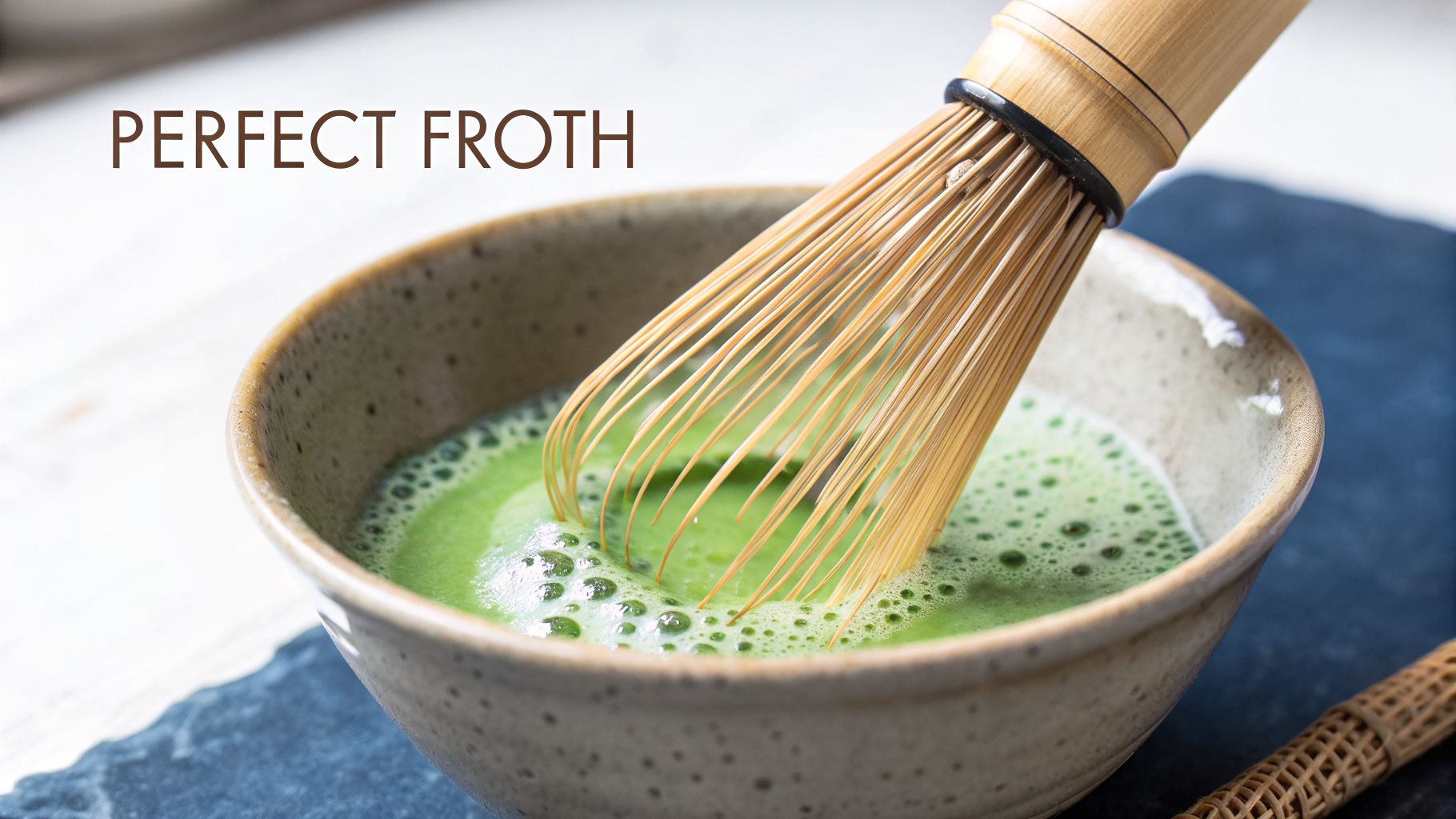
Learning how to whisk matcha correctly is more than just mixing tea and water. It’s a foundational skill that completely transforms the drink, turning a high-quality powder into something genuinely exceptional. This isn't just for a traditional Japanese tea ceremony; it’s just as vital for your daily ritual at home in Australia.
When you whisk vigorously, you’re not just stirring. You're forcing the fine, stone-ground tea particles into suspension, distributing them evenly throughout the water. Without this, the matcha powder quickly settles, leaving you with a gritty sediment at the bottom and a watery, unsatisfying drink. A good whisk ensures every single sip is consistently smooth and full-bodied.
Unlocking Flavour and Texture
The rapid motion of a traditional bamboo whisk, known as a chasen, whips thousands of tiny air bubbles into the liquid. This aeration is what creates that signature layer of creamy microfoam on top.
This delicate foam serves a few crucial purposes:
- Softens Bitterness: The foam mellows any inherent sharpness in the tea, allowing the naturally sweet and savoury umami notes to come forward.
- Creates a Creamy Mouthfeel: It gives the matcha a velvety, almost latte-like texture, even when it's made with nothing but water.
- Enhances Aroma: The froth helps release the fresh, vegetal aroma of the matcha, making it a full sensory experience.
Whisking isn't just a step; it's the bridge between a simple powder and a complex, rewarding experience. It’s what makes our Pep Tea organic ceremonial matcha truly shine, ensuring you enjoy the full depth of its flavour and health benefits.
This guide will take you beyond basic stirring. We'll get into the specific motions and tips needed to achieve that perfect, café-quality froth. We'll cover the tools, techniques, and nuances that will get you whisking correctly from your very first try, turning your kitchen into your new favourite matcha spot.
Gathering Your Essential Matcha Toolkit
You might be tempted to grab a fork or your electric milk frother, and look, we get it. It seems like an easy shortcut. But if you want to make an authentic, genuinely delicious bowl of matcha, using the right tools isn't just for show—it's the first step that actually matters.
Preparing matcha is as much about the process as the final drink. The tools were designed for a reason, and they work. It's like drinking good wine from a proper glass versus a coffee mug; the vessel itself fundamentally changes the experience.
The one tool you simply can’t skip is the traditional bamboo whisk, or chasen. This isn't just any whisk. Its dozens of fine, flexible tines are perfectly engineered to do three things at once: break up any stubborn clumps, aerate the tea, and suspend the fine powder evenly throughout the water.
A metal whisk, on the other hand, often imparts a faint metallic taste that clashes with the matcha's delicate flavour. Its rigid tines just can't produce that same creamy, micro-fine froth. The chasen works with the tea, not against it, coaxing out the best texture and taste.
Choosing the Right Chasen
Not all bamboo whisks are the same. You'll see them categorised by the number of prongs (or tines) they have, and this detail isn't just for tea ceremony masters; it directly affects the kind of matcha you can make.
- 80-Prong Chasen: This is your perfect daily workhorse. It has the ideal density and flexibility to whip up a beautiful, frothy foam for usucha (thin tea)—the light, everyday style of matcha most of us drink.
- 100 to 120-Prong Chasen: With more tines, this whisk is much denser. It's designed to create an exceptionally fine, silky foam, making it the go-to for koicha (thick tea). This style has a consistency almost like warm honey, and achieving that level of smoothness is impossible without a denser whisk.
The art of hand-carving a chasen from a single piece of bamboo has a deep history, stretching back to Japan's Muromachi period (1336-1568). It's a tradition born from centuries of perfecting the tea ceremony, and we get to bring that same craftsmanship right into our modern Aussie kitchens.
Completing Your Matcha Set
While the chasen is the hero, a couple of other pieces make the whole process smoother and more consistent.
First is the chawan, or matcha bowl. Its wide, flat bottom is a key design feature. This specific shape gives you the space you need to whisk vigorously in that essential 'W' or 'M' pattern, helping you build a rich froth without splashing tea all over your counter.
Then there’s the chashaku, a simple and surprisingly elegant bamboo scoop. It’s carved to measure out the perfect amount of matcha powder—roughly one gram—for a single serving. Using it takes the guesswork out of your ratios, so you get a consistent bowl every single time.
Having these three items on hand turns making tea from a chore into a mindful ritual. If you want to start with a beautifully curated setup, a complete matcha tea set available in Australia is a brilliant way to get everything you need in one go.
Mastering the Usucha Whisking Technique
Usucha, or 'thin tea', is the matcha you'll likely come back to every day. It’s light, vibrant, and crowned with a delicate layer of foam. Getting this right is the foundation of a great matcha practice, whether at home or in your café, and it's much simpler than it looks once you understand the rhythm.
The journey to a perfect bowl starts before any powder even hits the ceramic. First, prepare your tools. Soaking the tines of your bamboo whisk (the chasen) in warm water for a minute or two is a small ritual that pays off. This simple act 'blooms' the bamboo, making it soft and pliable, which is exactly what you want to prevent the delicate tines from snapping during the vigorous whisking to come.
This visual guide shows the essential trio for your daily matcha ritual.
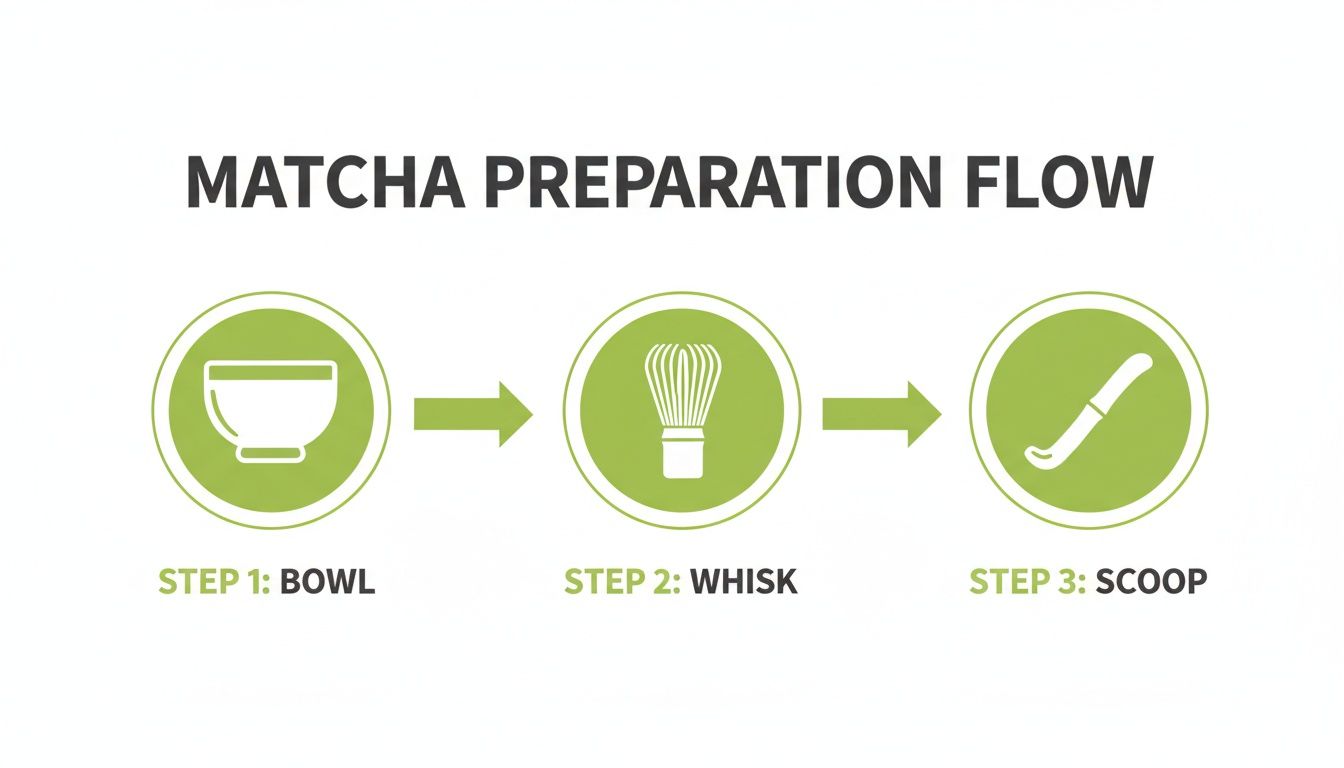
Here you can see how the wide matcha bowl (chawan), the multi-pronged bamboo whisk (chasen), and the traditional scoop (chashaku) work in concert to create the perfect cup.
The Non-Negotiable Sifting Step
Next is the single most important—and most often skipped—step: sifting. Using a small, fine-mesh sieve, press your matcha powder into a warmed bowl. This isn't just for show. It breaks up the tiny clumps that naturally form from static and humidity, guaranteeing a silky-smooth texture and preventing those bitter, undissolved pockets from ruining your drink.
For a classic bowl of usucha, the ratio is key. We find the sweet spot is two scoops from your chashaku, which is about half a teaspoon (roughly 1-2 grams) of a quality organic ceremonial grade matcha. Add this to about 60-80ml of hot water.
And on that note, temperature is everything. Aim for water around 70-80°C. Anything hotter, especially boiling water at 100°C, will scorch the delicate tea leaves. You'll taste it immediately as bitterness, and you'll lose many of the beneficial compounds like antioxidants.
The Whisking Motion
Now for the main event. Hold the chasen lightly from the top, keeping your wrist loose and relaxed. All the power should come from your wrist, not your arm.
- Make a Paste: Start by gently stirring to combine the sifted matcha and water. You're aiming for a smooth, uniform paste with no dry spots.
- Whisk Vigorously: Lift the whisk just off the bottom of the bowl and start a rapid back-and-forth motion. Trace a 'W' or 'M' shape across the bowl, fast enough to hear a soft 'swooshing' sound.
- Build the Froth: Keep this brisk movement going for about 20-30 seconds. You'll see a beautiful layer of tiny, delicate bubbles form—this is the coveted microfoam that defines a good usucha.
- Finish with Grace: Once you have a thick, even froth, slow down your whisking. As a final touch, gently draw the whisk up through the centre of the foam to create a small peak.
Usucha vs Koicha Whisking At a Glance
While usucha is your daily go-to, koicha ('thick tea') is a different experience entirely—a thick, intense, and deeply ceremonial preparation. Understanding the difference in technique is crucial.
| Attribute | Usucha (Thin Tea) | Koicha (Thick Tea) |
|---|---|---|
| Consistency | Light and frothy, like a latte | Thick and viscous, like warm honey |
| Matcha Ratio | 1-2g matcha to 60-80ml water | 3-4g matcha to 30-40ml water |
| Whisking Motion | Rapid 'W' or 'M' zig-zag | Slow, deliberate kneading motion |
| Flavour Profile | Bright, fresh, slightly sweet | Intense, rich, deep umami |
| Occasion | Daily enjoyment, lattes, café service | Special occasions, formal tea ceremonies |
Koicha requires a much slower, more deliberate hand to blend the higher concentration of matcha into a smooth, thick liquid. Usucha, on the other hand, is all about aerating the tea to create that signature froth.
Your usucha is now ready to be savoured directly from the bowl. Once you’ve nailed this technique, you have the perfect base for all sorts of other creations. For a refreshing twist on a warm day, you might want to check out our guide on how to make a delicious iced matcha latte.
Moving On to Koicha: The Ultimate Matcha Experience
So, you’ve mastered the art of a frothy, vibrant bowl of usucha. You know the right temperature, the right ratios, and the right wrist action. If you’re starting to feel the pull towards something deeper, it’s time to talk about koicha, or 'thick tea'.
This isn’t just another way to make matcha. It’s a completely different encounter with the tea itself. Traditionally reserved for formal Japanese tea ceremonies, koicha is a profound, intense, and deeply savoury ritual.
Forget the foam. With koicha, the goal is a smooth, viscous liquid with the consistency of molten dark chocolate. It’s a preparation designed to showcase the full spectrum of a tea’s character, highlighting its most complex, umami-rich notes.
Making the switch requires a serious change in your ratios. For koicha, you’ll be using roughly double the matcha powder and half the water you’d use for usucha. This high concentration means there’s nowhere for a low-quality tea to hide; any hint of bitterness or imperfection will be front and centre.
The Koicha Kneading Motion
The whisking technique is also a world away from the rapid ‘W’ or ‘M’ motions of usucha. Here, you’ll adopt a slow, deliberate kneading action.
- Start by gently folding your sifted matcha into the small amount of hot water.
- Slowly and methodically move the chasen through the bowl, using gentle circular and back-and-forth patterns.
- Think of it as ‘kneading’ the powder and water together. You’re pressing and coaxing them into a single, perfectly blended substance.
This patient process creates a glossy, smooth paste without a single clump. It’s a meditative technique that demands focus and a far gentler touch.
Koicha isn’t just a drink; it's an experience. It demands the best from your tea and your technique, rewarding you with an intensity of flavour that a thin preparation simply can't match.
For this, a chasen with a high prong count is almost a necessity. One with 100 or 120 tines is ideal, as the dense bristles are much more effective at smoothly blending the thick mixture and creating that signature glossy sheen.
Perfecting Your Koicha Technique
Ready to try? You’ll want a wide chawan (tea bowl) to give you room to work.
Measure out 4 grams of a premium-grade powder—something like our Pep Tea Imperial Organic Matcha is perfect for this. Add just 30ml of 80°C water. Now, begin to gently knead the mixture with your chasen for about 50 strokes, until a thick, uniform paste forms.
The emulsification you achieve here is key. Proper preparation is what allows you to taste the full, unadulterated character of an exceptional tea, delivering a potent, well-blended synergy of L-Theanine and antioxidants for that signature clean energy without the crash.
When you’re ready for a koicha that truly sings, using a top-tier powder isn't just a recommendation—it’s essential. We strongly suggest exploring our Imperial Organic Matcha Japanese Ceremonial Grade for this special ritual.
Troubleshooting Your Common Matcha Problems
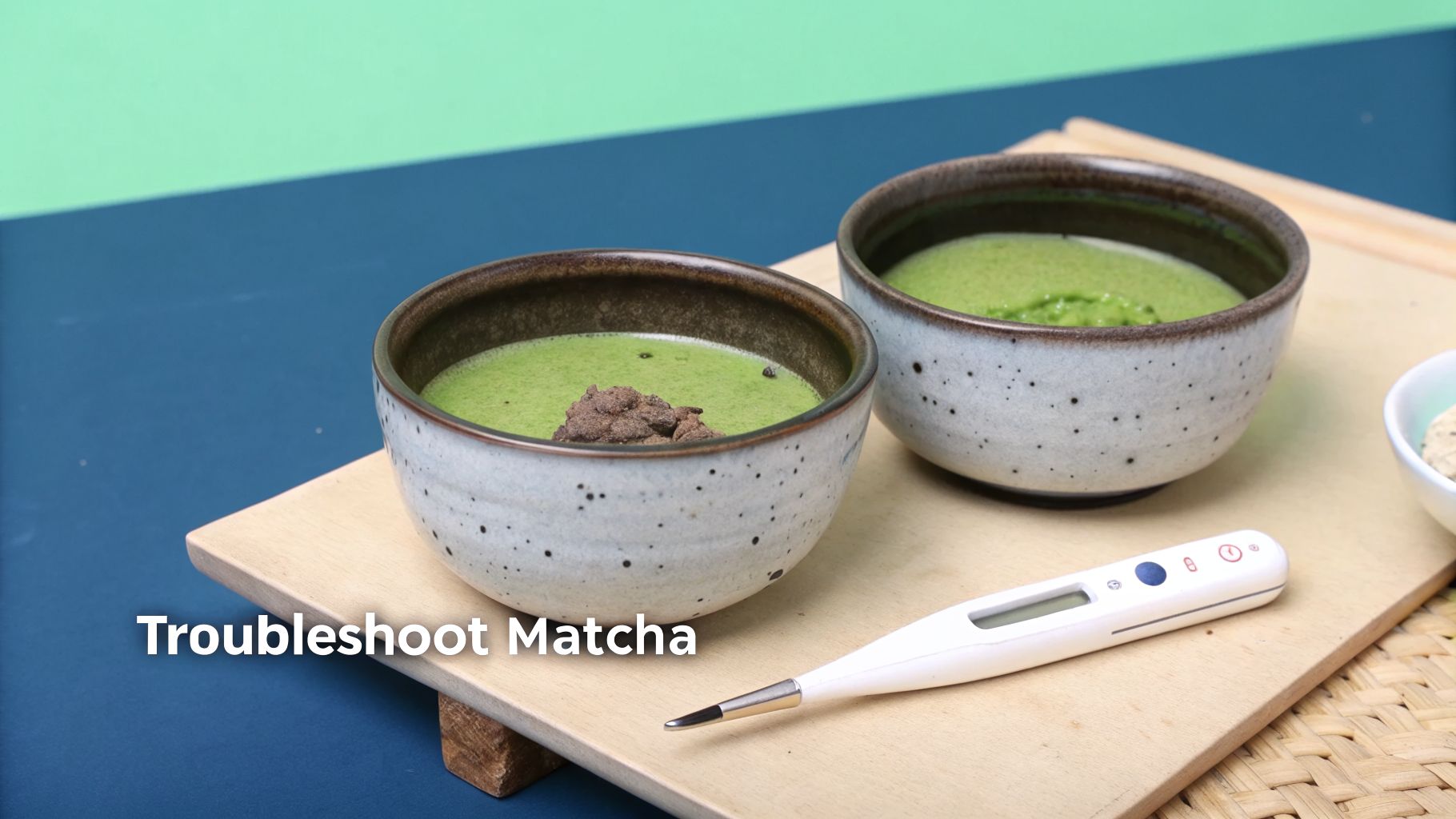
Even when you follow the steps, some days a bowl of matcha just doesn’t come together. Don’t worry, it happens to everyone. A few small adjustments are usually all it takes to turn a frustrating cup into a perfect one.
Let’s walk through the most common issues we see, both in busy Aussie cafés and for home baristas. Mastering these quick fixes is the key to a consistently great brew.
Why Is My Matcha Lumpy?
There’s nothing worse than a sip of matcha ruined by a gritty, undissolved clump of powder. If this is happening, the fix is almost always the same: you need to sift your matcha.
Matcha powder is so incredibly fine that it loves to clump, thanks to static and humidity. No amount of whisking will reliably break up those dense little pockets once water is added.
Pushing the powder through a fine-mesh sieve before you add water is non-negotiable. This one simple step guarantees a silky-smooth foundation every single time.
Why Does My Matcha Taste Bitter?
If your matcha has a harsh, bitter, or almost burnt taste, the culprit is almost certainly your water temperature. This is the single most common mistake people make.
Matcha is delicate. Water that’s too hot—anything boiling or even just over 80°C—will scorch the leaves. This completely changes the chemistry of the tea, destroying the amino acids (like L-theanine, which provides that calm-alert feeling) and releasing a flood of bitter tannins.
The Fix: Always let your boiled water cool for a few minutes before pouring. Better yet, use a temperature-controlled kettle set between 70-80°C. This simple change is what protects the matcha’s delicate sweet and umami notes.
Why Won’t My Matcha Froth?
Struggling to build that signature layer of creamy microfoam? A few things could be going on, and they’re all easy to solve once you know what to look for.
Freshness is Everything: Matcha has a short shelf life once the tin is opened. Old, oxidised powder will look duller and simply won’t froth well. Always use fresh, high-quality matcha and store it in an airtight container in the fridge.
Water Quality Matters: Very hard or very soft water can sometimes interfere with froth formation. If you’ve tried everything else, switching to filtered water might just be the ticket.
Revisit Your Technique: A weak froth often comes down to the whisking motion. You need a fast, energetic M- or W-shaped pattern that comes from the wrist, not a slow stirring motion from your arm. Make sure you’re using a wide-bottomed bowl that gives your chasen enough room to move, and whisk vigorously for a solid 20-30 seconds.
Your Matcha Whisking Questions Answered
We get a lot of questions at Pep Tea about getting the whisking technique just right. It’s the part of the process where things can go wrong, but it’s also where the real magic happens.
Here are the answers to the most common issues we hear about from our Australian customers, designed to help you perfect your daily ritual.
Can I Use a Milk Frother to Whisk Matcha?
Yes, a handheld electric frother is a popular shortcut, especially if you’re making a matcha latte. It's fast, and it certainly creates foam.
But here’s the trade-off: a frother tends to create large, airy bubbles and doesn't suspend the matcha particles as evenly as a traditional bamboo chasen. The texture just isn’t the same.
For a pure matcha experience with water, the chasen is non-negotiable. It creates a far smoother, more integrated emulsion. For lattes, where milk can mask textural imperfections, a frother is a perfectly fine substitute when you're short on time.
Why Is My Matcha Not Frothing?
If you’re struggling to get that beautiful, creamy layer of foam, a few things could be at play. First, check your water temperature. Anything over 80°C will kill the froth before it even forms and scorch the tea, making it taste bitter.
Second, freshness is everything. Old or low-grade matcha loses its vibrancy and its ability to foam well. You need fresh, high-quality ceremonial grade matcha for the best results. It's just not a process you can fake with inferior powder.
Finally, look at your technique. You need a rapid 'W' or 'M' motion, driven from the wrist, not the arm, in a wide bowl. Also, make sure your chasen is in good shape and has been soaked in warm water before you start. This makes the bamboo pliable and far more effective.
Remember: Great froth comes from the combination of fresh matcha, the right temperature, and vigorous wrist action. If one of those elements is missing, the foam will suffer.
How Do I Clean and Care For My Bamboo Whisk?
Proper care for your chasen is simple, but it makes a huge difference to its lifespan. After whisking, rinse it immediately under warm running water. Never use soap—it will get into the bamboo and taint every bowl of matcha you make from then on.
Next, just whisk it in a clean bowl of fresh, warm water to work out any remaining residue from the tines.
To dry it, the best method by far is to place it on a kusenaoshi (a ceramic whisk holder). This is what helps it maintain its signature tulip shape and allows air to circulate evenly. If you don't have a holder, stand it upright on its handle and let it air dry completely before putting it away. Proper drying is the key to preventing mould.
What Is the Best Water Temperature for Matcha?
The ideal water temperature for whisking matcha is between 70°C and 80°C. Using boiling water is probably the single most common mistake people make, and it’s the number one reason they experience bitterness.
Water that's too hot literally scorches the delicate tea powder. This process destroys beneficial compounds like L-theanine (the compound responsible for that calm-alert feeling) and releases a flood of tannins, resulting in a harsh, astringent flavour.
If you don't have a temperature-controlled kettle, there's an easy fix. Simply boil your water, then let it sit and cool for about two to three minutes before pouring it over your matcha. This simple pause makes a world of difference.
Ready to put your new whisking skills to the test? With Pep Tea, you get premium, organic matcha that delivers on flavour and quality every time.
Explore our range of ceremonial and culinary grade organic matcha today.