
Tag: organic green tea coles
Qi Organic Green Tea Detox Coles: Benefits, Price &
You're probably standing in the tea aisle, phone in hand, typing Qi Organic Green Tea Detox Coles because the box sounds promising but the wording is a bit slippery. “Detox” can mean anything from a simple herbal tea to a product that implies far more than it can reasonably deliver.
That confusion is fair. A tea can be pleasant, useful, and worth buying without being a miracle reset for your body. The trick is knowing what you're getting, what the ingredients are there for, and how it compares with other wellness drinks Australians reach for when they want something functional and low-fuss.
Your Guide to Qi Organic Green Tea Detox
You are in the supermarket tea aisle after work, looking for something that feels a bit kinder than another coffee and more purposeful than plain tea. A box labelled organic, green tea, and detox naturally catches your eye because it suggests a simple health habit, not a full lifestyle overhaul.
That appeal makes sense. Australian shoppers often use teas like this as a small daily ritual. The organic label can signal cleaner sourcing, while the word detox hints at support for a lighter, fresher routine. The catch is that those two ideas are not the same thing, and many people blur them together.
Why this tea gets attention
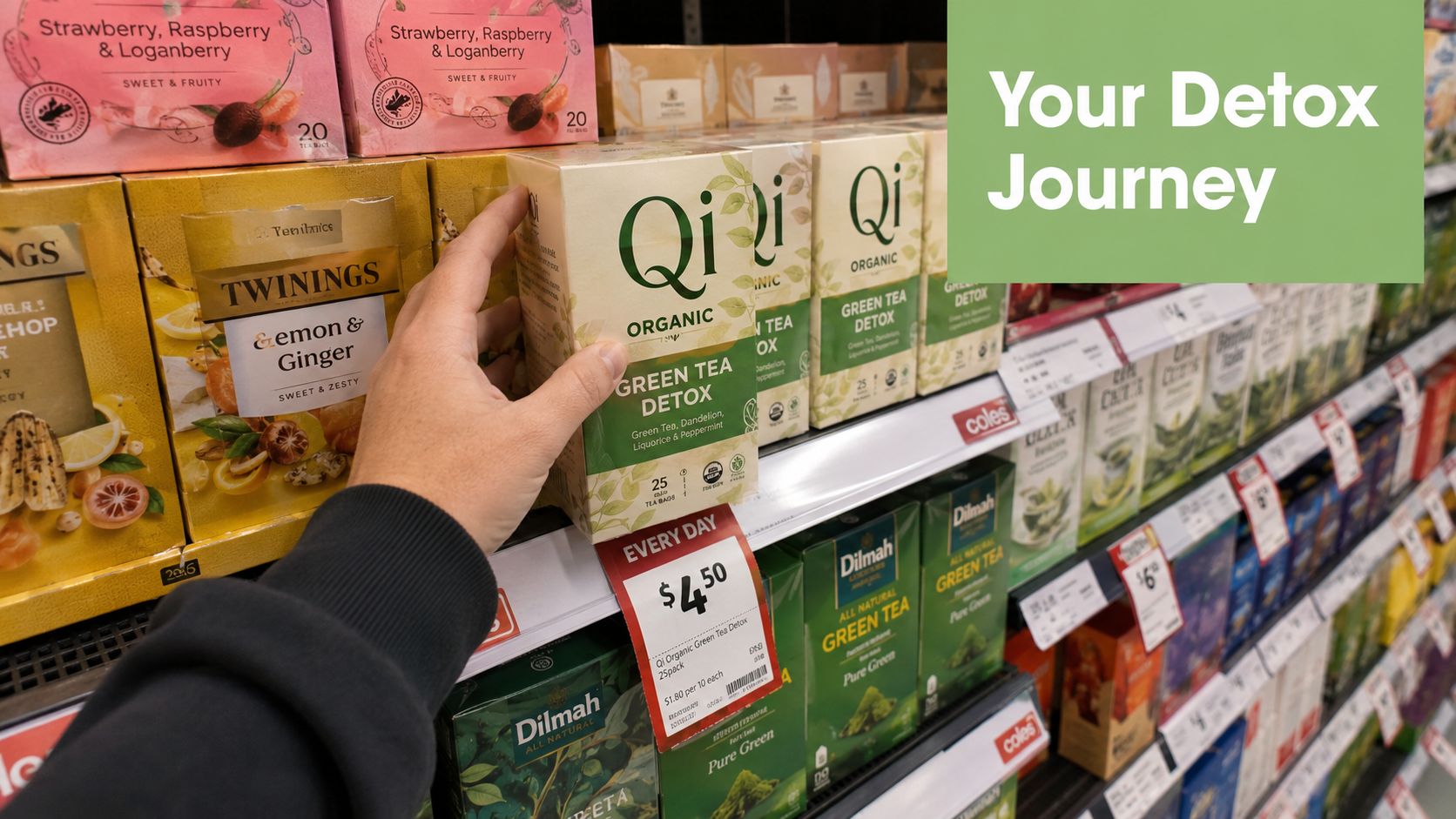
Qi Organic Green Tea Detox sits in a familiar wellness category. It offers a convenient tea-bag format, an organic positioning, and a name that suggests more function than a standard green tea. For plenty of shoppers, that is enough to earn a place in the trolley.
The better question is what kind of function you are buying.
A detox-style tea usually works best as a supportive beverage category. It can be part of a routine that feels calm, warm, and a little more intentional. It does not replace sleep, hydration, balanced meals, movement, or the normal work your liver and kidneys already do.
That distinction matters because it helps you shop more clearly. If you want a pleasant organic green tea blend, Qi may suit that role well. If you want stronger functional value, it helps to compare it with other wellness options Australians are choosing, especially high-quality Matcha for concentrated antioxidants and Kombucha for live probiotics.
If you want a clearer foundation before judging any product in this category, this guide to organic green tea basics explains what the label does, and does not, tell you.
What to expect from the product
Keep the product in the right mental category and it becomes easier to assess.
- An easy daily habit. Tea bags are convenient, familiar, and low effort.
- A flavoured green tea experience. You are choosing a wellness blend, not a pure ceremonial tea.
- A gentle sense of support. The benefit is usually about routine, taste, and light functional ingredients rather than a dramatic result.
That is also where this article takes a wider view. Qi is a useful case study because it shows how many wellness teas are marketed in Australia. Some are built around comfort and broad wellness language. Others, such as Matcha and Kombucha, tend to offer a more defined functional profile. Understanding that spectrum helps you choose a tea for what it does, not just what the front of the box suggests.
What Is Inside a Bag of Qi Detox Tea
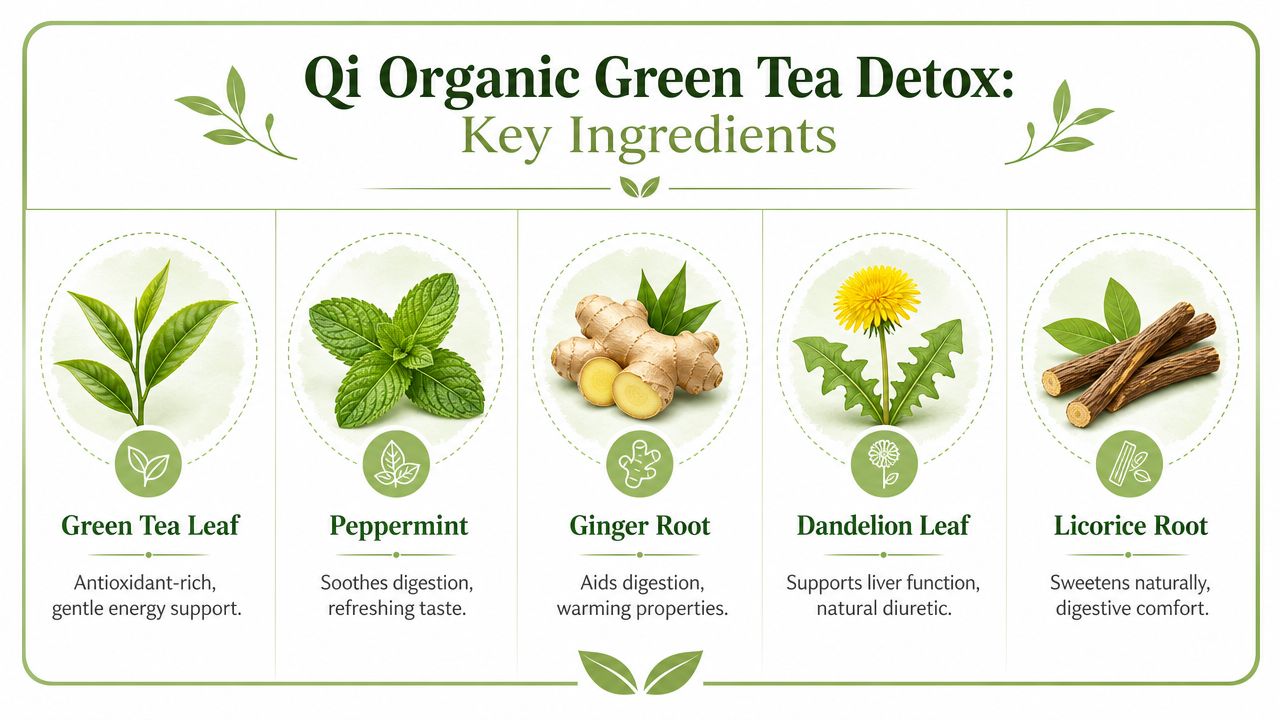
The Australian version of Qi Detox Green Tea is sold as an organic blend with ingredients such as green tea, dandelion root, milk thistle, ginger, and peppermint, according to the Qi Tea Australia product listing. Read that list as a clue to the product's real identity. It's a herbal green tea blend first, and a “detox” tea second.
The ingredient lineup in plain English
Each ingredient contributes something different to the cup.
- Green tea: This is the caffeinated base. It gives the blend its tea character and a lighter lift than coffee.
- Peppermint: Often what makes a blend feel fresh and easier to drink, especially if plain green tea tastes grassy to you.
- Ginger: Adds warmth and a bit of spice. Many people choose ginger-forward teas when they want something settling after meals.
- Dandelion root: Frequently included in detox-style products because it has a long wellness tradition in herbal blends.
- Milk thistle: Another herb commonly associated with liver-support language in wellness marketing.
Where readers often get confused
The ingredients sound impressive, so it's easy to assume the tea must “detox” the body in a direct, measurable way. That leap is where marketing often outruns clarity.
Australian dietary guidance takes a more grounded view. The Australian Dietary Guidelines emphasise eating patterns built around whole foods and water rather than “detox” products as a health reset, which is why it's more accurate to see this tea as part of a wellness routine, not a physiological clean-out.
Practical rule: If a tea says “detox”, ask what you can clearly point to in the cup. Flavour? A bit of caffeine? Herbs traditionally used in wellness blends? Those are fair answers. Grand body-reset promises aren't.
What the tea can realistically offer
A fair way to think about Qi Detox Tea is this:
| What it likely does | What it doesn't automatically mean |
|---|---|
| Gives you a warm, low-sugar drink option | That your body needs a special tea to detox |
| Adds herbal flavour beyond plain green tea | That the herbs create a dramatic measurable result |
| May suit a mindful daily routine | That it replaces healthy food, water, or rest |
That's not a criticism. It's just a clearer framing. For plenty of people, a pleasant organic herbal green tea is exactly what they want.
Finding Qi Tea at Coles A Shoppers Checklist
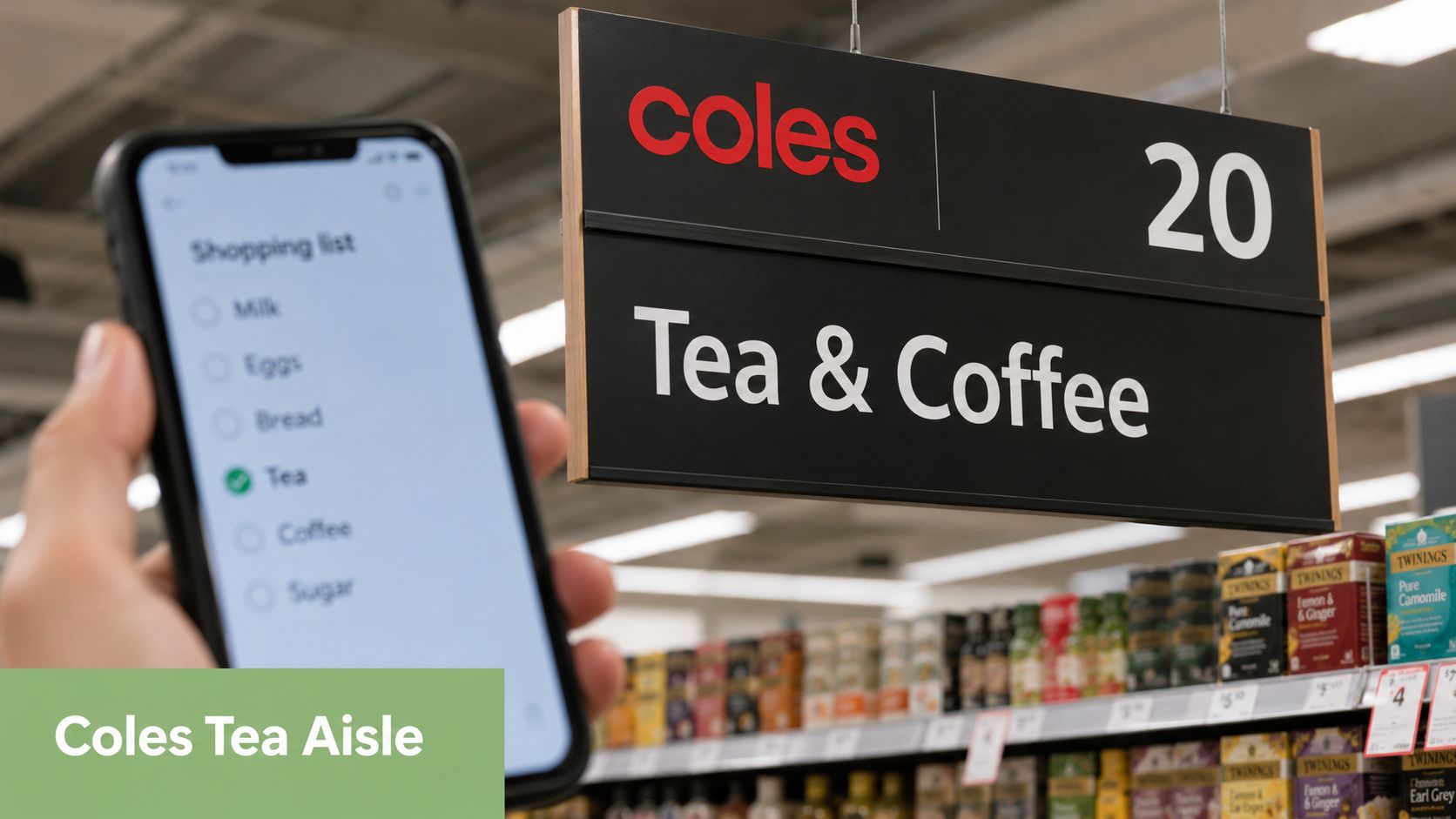
You are in Coles, trying to spot a wellness tea before the trolley keeps moving. The easiest mistake is looking in the wrong place. Qi Organic Green Tea Detox is usually stocked with standard tea products, not with refrigerated health drinks or vitamin-style supplements.
What to check on the shelf
Start with the green tea and herbal blend area. Qi is generally sold in a boxed tea-bag format, so you are looking for a pantry tea, not a ready-to-drink product.
A practical shelf check helps:
- Pack format: Look for a 25 tea bag, 40 g box.
- Aisle placement: Check beside green tea, peppermint, and other wellness blends.
- Price benchmark: Expect a mid-range supermarket tea price rather than a premium speciality-tea price.
- Label wording: Scan for “detox”, “organic”, and the Qi brand name on the front of the box.
That price position matters because it tells you what kind of product you are buying. A grocery-shelf detox tea is usually built for convenience and everyday sipping. More concentrated wellness formats, such as quality matcha powder or live kombucha, often aim for a different functional role. Matcha gives you the whole tea leaf in powdered form, which changes the antioxidant story. Kombucha brings fermentation into the picture, which is a different category again.
If you are trying to trim the grocery budget, Cashback Australia's Coles gift card tips can be handy for routine pantry buys.
How to brew it so it tastes better
A harsh cup can make any tea seem worse than it is. Green tea works a bit like spinach in a frypan. Too much heat for too long, and the pleasant notes get lost.
Use a gentler method:
- Boil the kettle, then let the water cool slightly before pouring.
- Steep for a shorter time first and taste early.
- Remove the bag once the flavour is clean and light, rather than pushing for maximum strength.
- Add lemon or mint if you want a fresher finish.
That approach gives you a fairer read on the tea itself.
If you end up enjoying lighter tea flavours, it can also help to use them in food and cold drinks rather than forcing a very strong hot brew every time. Something simple like these easy matcha muffins for a tea-time snack shows how wellness teas can fit into everyday routines in a more useful way than detox marketing alone.
If the first cup tastes bitter, adjust the water temperature and steep time before you judge the blend.
Creative Recipes Beyond the Hot Cup
Qi Detox Tea works best for many people when it stops feeling like a “health task” and starts acting like a flexible base for drinks you enjoy. A box in the pantry goes further when you use it cold as well as hot.
Qi detox iced tea
Brew a strong cup, let it cool, then pour it over ice with lemon and mint. The peppermint and ginger notes usually come forward more clearly when it's chilled.
A simple method:
- Brew stronger than usual: Use less water so the flavour doesn't disappear over ice.
- Cool fully: Warm tea melts the ice and waters itself down.
- Finish fresh: Add lemon slices and a few mint leaves.
This is a nice afternoon option if you want something cleaner-tasting than cordial or juice.
Easy wellness spritzer
For a lighter mocktail feel, use cooled tea as the base and top it with sparkling water. Add cucumber for a crisp finish or a slice of ginger if you want more bite.
You can also pair a tea-based drink with something simple from the kitchen if you enjoy wellness-style recipes. For example, these matcha muffins make an easy snack alongside an iced tea or spritzer.
Cold tea drinks work well because they shift the experience from “herbal remedy” to “refreshing everyday beverage”.
Qi Detox Tea vs Matcha and Kombucha
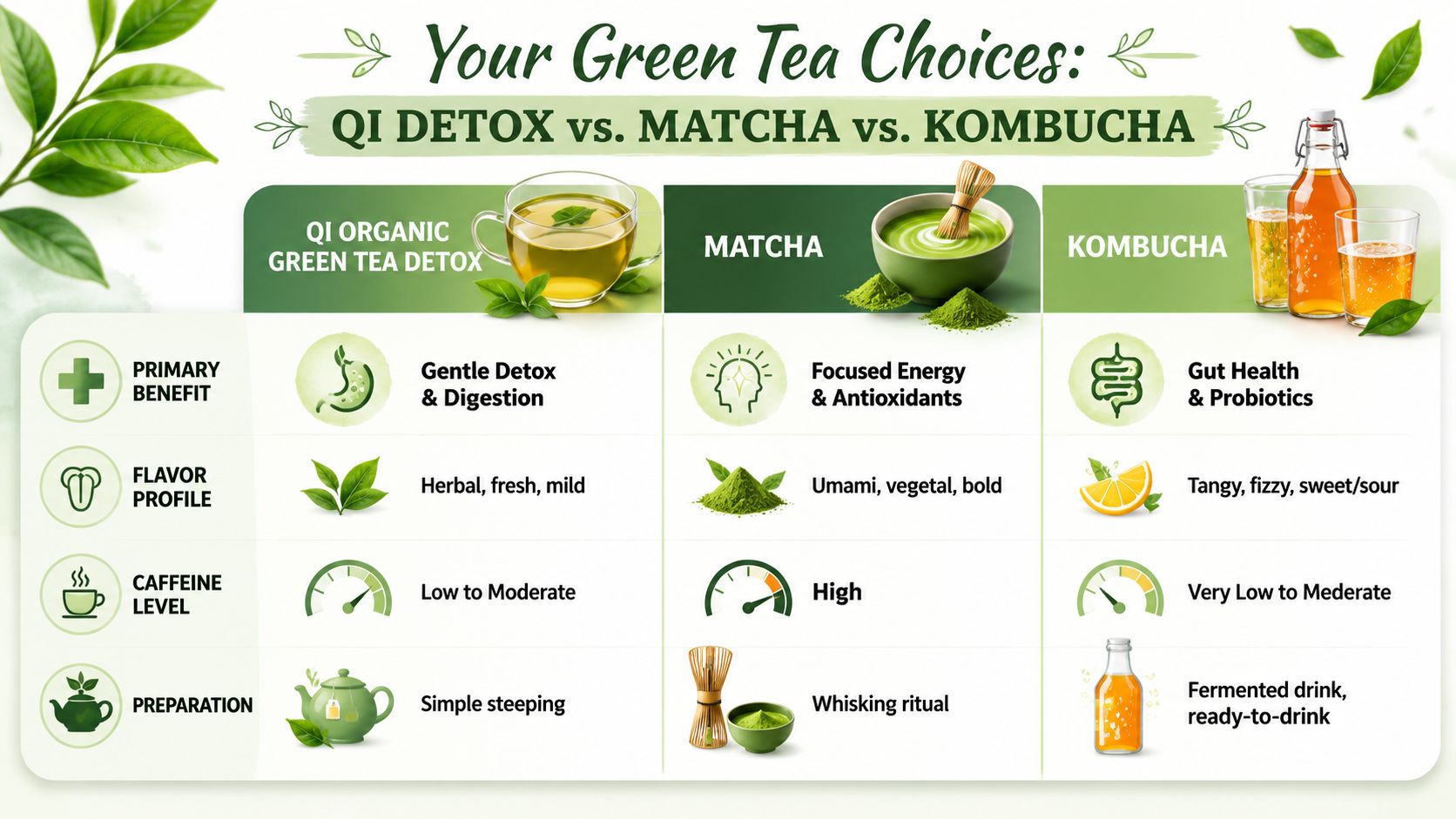
The best way to judge Qi Detox Tea is to place it on a broader wellness spectrum. It isn't trying to be everything. It's a gentle herbal green tea blend. The more useful question is whether that matches your goal.
Qi Detox Tea as the entry point
Qi sits in the category of approachable supermarket wellness teas. It's easy to brew, easy to understand, and easy to fit into a routine. If you want a warm cup with herbal character and a lighter tea feel, it makes sense.
Its limitation is also clear. The “detox” part is more marketing language than precise functional language.
The product discussion around Qi Detox Tea raises this exact issue. The measurable outcome of detox claims is less clear, while high-quality organic matcha delivers a verifiable high dose of EGCg antioxidants, and properly brewed kombucha provides live probiotics for gut health, as noted in the Qi product comparison discussion from Qi Teas UK.
Where matcha differs
Matcha is still green tea, but it's a very different experience from a tea bag blend. You whisk the powder into water, so you consume the tea rather than just steeping leaves and removing them.
That matters because people who choose matcha are usually after something more specific:
- A fuller green tea profile
- A more focused ritual
- A clear antioxidant story
If you want a sharper explanation of how these green tea formats differ, this guide on the difference between matcha, green tea and green tea blends is worth reading.
Here's a helpful visual explainer on matcha preparation and use:
Where kombucha differs
Kombucha isn't a tea bag at all. It's a ready-to-drink fermented tea. People usually choose it for a different reason entirely. They want a cold, refreshing drink with a more distinct functional identity than a “detox” blend offers.
That makes kombucha appealing if your main aim is:
| Beverage | Best fit for |
|---|---|
| Qi Detox Tea | A warm herbal green tea routine |
| Matcha | A stronger antioxidant-focused tea ritual |
| Kombucha | A fizzy, probiotic-oriented alternative to soft drinks |
A useful way to choose is to ask what benefit feels most concrete to you. Gentle herbal tea enjoyment, antioxidant-rich green tea, or a probiotic drink for gut-focused routines.
None of these is automatically “better” in every situation. They solve different beverage needs.
The Final Sip Which Wellness Tea Is Right for You
You came here for a practical answer about Qi Organic Green Tea Detox Coles. Here it is.
The best choice depends on the job you want the drink to do. A tea can be pleasant without offering a sharply defined functional benefit, and that distinction helps cut through a lot of wellness marketing.
Qi Organic Green Tea Detox suits people who want an easy supermarket option for a warm daily cup. The appeal is convenience and flavour balance. You get a familiar tea ritual with a mix of green tea and herbs, without needing special preparation or a bigger budget.
Matcha makes more sense if you want your green tea to feel purposeful, not just comforting. Because you consume the whole tea leaf in powdered form, the experience is usually chosen for its stronger antioxidant story and more intentional ritual. It is a bit like the difference between adding herbs to a meal and eating the main ingredient itself. Both have a place, but they do not do the same job.
Kombucha is often the better fit for people who are not really after a hot tea at all. They want a cold, refreshing option with a clearer gut-health identity, especially if they are trying to swap out soft drinks for something with a probiotic angle.
So the question is not, “Which tea is best?” It is, “Which benefit do I want every day?” If the answer is a simple herbal green tea habit, Qi is a fair pick. If the answer is antioxidants with more intensity, or probiotics in a ready-to-drink format, high-quality matcha and kombucha usually offer a more defined functional direction.
If you'd like to explore wellness drinks with a more defined functional focus, have a look at Pep Tea for organic matcha and Australian-brewed organic kombucha.