
Tag: matcha tea whisk and bowl
Unlock the Perfect Matcha Tea Whisk and Bowl

You’re probably here because your matcha looked promising in the tin and disappointing in the bowl. The colour was right. The whisk looked beautiful. Then the drink turned out clumpy, flat, or oddly bitter.
That’s not a matcha problem. It’s usually a matcha tea whisk and bowl problem, or more precisely, a technique problem shaped by the tools in your hands.
A good bowl of matcha isn’t about ceremony for ceremony’s sake. The whisk and bowl exist because matcha is a suspended powder, not a leaf infusion. If the powder isn’t fully dispersed and aerated, the texture suffers first, then the flavour. Once you understand what the whisk is doing, and why the bowl is shaped the way it is, everything gets easier.
The Ritual of Matcha Why Your Whisk and Bowl Matter
It usually starts on a rushed weekday morning. Matcha goes into the nearest mug, hot water follows, a spoon gets a quick spin, and the cup looks dull before you even taste it. Then the first sip lands harsh, powdery, and flatter than the bright, creamy bowl you were hoping for.
A chasen and chawan fix that because they solve a physical problem, not a decorative one.
Matcha is a fine stone-ground powder suspended in water. It does not dissolve the way instant drinks do. To taste sweet, savoury, and smooth, those particles need to be dispersed evenly and lifted with air. A bamboo whisk does that fast without bruising the liquid. A proper bowl gives the whisk the width and curve it needs to move freely.
That matters even more in Australia, where home water can change a bowl more than many people expect. Hard water in some suburbs can mute sweetness and make bitterness show up sooner. A heavy café-style mug also tends to trap your wrist in a tight angle, which leads to stirring instead of whisking. Good tools create better mechanics, and better mechanics create better texture.
These tools shape the cup
The whisk controls agitation. The bowl controls space, temperature, and the way the liquid rolls back on itself as you whisk. That combination is why the same matcha can taste soft and rounded in one vessel, then sharp and grainy in another.
I see this all the time with Australian café drinkers trying to recreate their favourite order at home. They buy better powder, often something clean and vibrant like Pep Tea, but keep using a cereal bowl or coffee mug. The matcha is fine. The setup is fighting the result.
A proper matcha bowl does three jobs at once:
- Creates room for whisking so the tines can travel quickly across the surface without crashing into the sides
- Buffers heat so the water stays closer to the gentle range matcha prefers
- Supports foam formation because the wider base helps build a fine layer of froth instead of a few large bubbles
Practical rule: If your whisk taps the sides every few seconds, your vessel is too narrow.
There is art in this, but there is physics first. Fast wrist movement pulls air into the liquid. The flexible bamboo tines break up clumps and spread the powder through the water. The bowl’s shape lets that motion stay light and efficient. Once those parts work together, flavour opens up. You get more sweetness, less harshness, and a fuller body.
The ritual also changes how you taste. A slower setup gives the powder a fair chance and gives you a moment to notice what is in the bowl. That is part of why matcha has lasted for centuries. For useful context on how this practice developed, Pep Tea’s brief history of matcha tea is a good place to start.
How to Select the Right Matcha Whisk and Bowl
A rushed weekday prep in Melbourne or Sydney usually exposes weak tools fast. The powder may be excellent, the water temperature may be close, but if the whisk is stiff or the bowl is cramped, the texture falls apart before you even taste it.
Good selection starts with your routine. A person making one careful bowl each morning needs a different setup from someone whisking concentrated matcha for iced lattes after lunch. Australian water also changes the equation. In hard-water areas, matcha can show more bitterness and less softness, so a whisk and bowl that help you mix quickly and evenly are worth more than decorative details.

What to look for in a chasen
A chasen is a precision tool, even if it looks simple. The number, spacing, and thinness of the tines all affect how air enters the liquid and how quickly powder disperses. More tines usually give a finer foam with less effort. Slightly thicker, fewer tines often feel steadier when making a stronger bowl or a small paste for latte prep.
Choosing Your Chasen Matcha Whisk
| Tine Count | Best For | Foam Type |
|---|---|---|
| 80 | Daily usucha, beginners, lighter bowls | Soft, light foam |
| Around 100 | Traditional all-round use | Fine, even microfoam |
| 120 | Thicker preparation, richer bowls, concentrated matcha | Denser surface texture |
What matters at purchase:
- Single-piece bamboo construction flexes more naturally and tends to last better than poorly assembled imitations.
- Clean, even tine cuts help the whisk move consistently across the bowl instead of catching and skipping.
- A handle that sits comfortably in the fingers reduces tension in the wrist, which improves your whisking speed and control.
I usually suggest an all-round whisk with about 100 tines for home drinkers. It gives enough finesse for a smooth bowl made with a high-grade matcha such as Pep Tea, but it is still forgiving if your technique is not perfect at 7 am.
What to look for in a chawan
The bowl decides how usable the whisk becomes. For everyday matcha, choose a bowl with a broad base, open top, and enough depth to keep liquid inside while you whisk briskly. Traditional tea bowls often sit in the 12 to 15 cm range across, and that shape works well because it gives the wrist room to move without forcing the whisk into the walls.
Material matters too. Thicker ceramic holds warmth longer, which helps in cooler Australian kitchens and during winter mornings in places like Hobart or Canberra. A thinner bowl responds faster and can feel lighter in the hand, but it loses heat more quickly. If your local tap water runs hard or heavily mineral, a bowl that keeps temperature steady can make the flavour feel rounder and less sharp.
A few practical checks help:
- Flat or gently curved interior makes it easier to break up small clumps.
- Stable foot keeps the bowl from shifting on the bench.
- Comfortable rim improves the drinking experience, especially with straight matcha rather than lattes.
Match your tools to your routine
For straight matcha, go wider and more traditional. For latte prep, choose a bowl with enough room to whisk a smooth concentrate before adding milk. If you drink both, pick the more versatile option rather than building a collection too early.
The best matcha tea whisk and bowl set is the one that lets you repeat good technique on an ordinary Tuesday morning.
There is always a trade-off between delicacy and durability. Fine tines create prettier foam, but they punish rough handling. Heavier bowls feel steady and hold heat well, but they can be less pleasant if you like to cradle the bowl in your hands. Choose the setup that fits your real habit, not the one that only looks good on a shelf.
The Art of Whisking a Perfect Bowl of Matcha
Technique matters more than people expect. A high-quality powder can still turn out gritty if the method is sloppy. A modest bowl can produce a lovely texture if your whisking is organised and deliberate.
The process is simple once the sequence is right.
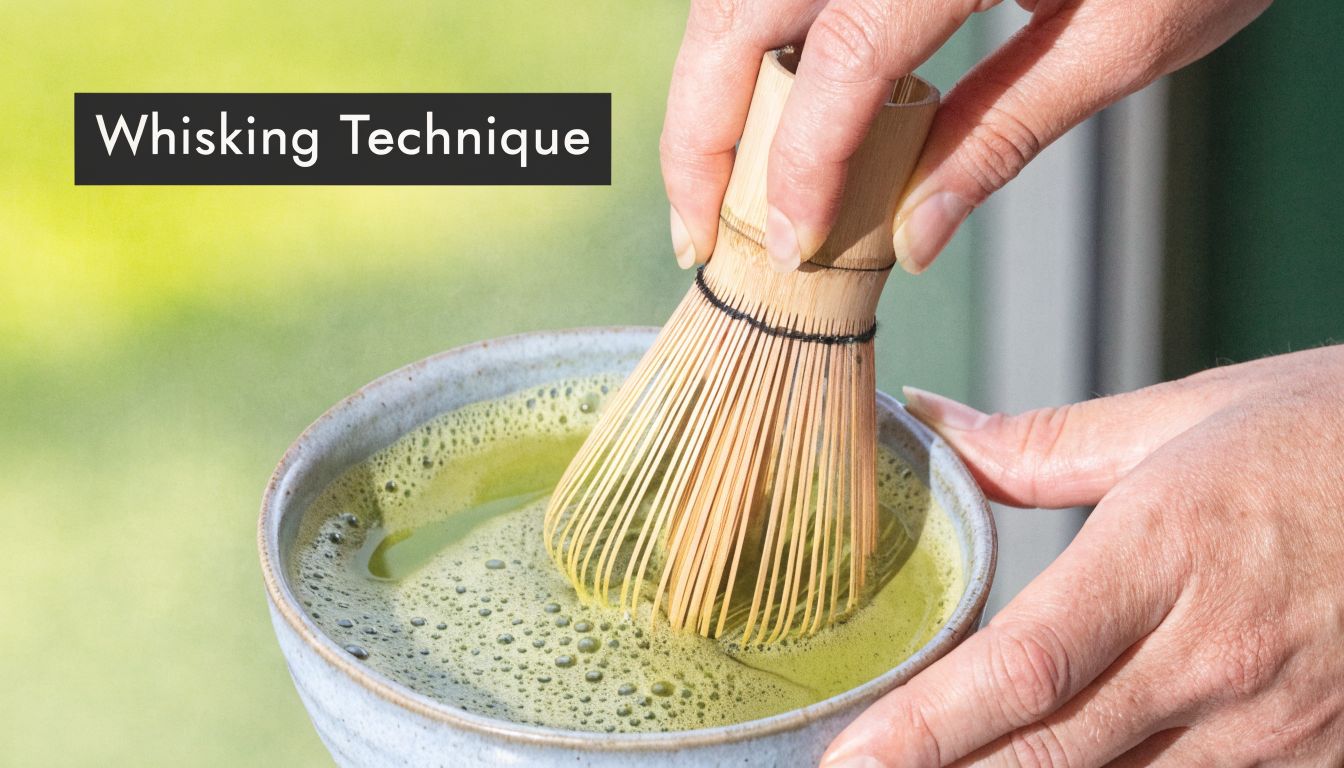
Start by preparing the whisk
Before the matcha touches the bowl, soak the whisk briefly in warm water. This softens the bamboo tines so they open gently and are less likely to snap during use.
A dry whisk is stiff. A softened whisk glides.
The step most people skip
Sift the matcha first. This one action solves an enormous share of home-prep problems.
According to the preparation benchmark cited by Fellow’s matcha set guide, using sifted matcha and 75 to 80°C water achieves a 92% success rate in producing optimal froth, and the vigorous W whisking motion at 200 to 300 strokes per minute is central to building that foam.
Use a fine sieve and press the powder through directly into the bowl. Don’t dump compacted powder into hot water and hope the whisk will rescue it.
A reliable whisking method
Use this sequence when you want a traditional bowl with smooth body and a fine top layer.
Sift the matcha into the bowl
A small mound of fluffy powder is easier to dissolve than compressed clumps.Add hot, not boiling, water
Water in the 75 to 80°C range protects flavour. If it’s too hot, bitterness rises quickly.Begin with slow blending
Use a gentle motion near the base of the bowl to turn the matcha and water into a smooth liquid with no dry pockets.Shift to fast W whisking
Once the powder is dissolved, whisk briskly from the wrist, not the shoulder. The motion should be light, fast, and close to the surface.Stop when the foam looks tight and even
You want fine bubbles, not large froth.
Don’t stir in circles. Circular stirring mixes, but it doesn’t aerate nearly as well.
The physics in plain English
The whisk’s tines break apart tiny clusters of powder while pulling air into the liquid. The bowl’s width gives those movements enough travel to generate a suspended, creamy texture instead of a muddy one.
That’s why the wrist matters. A loose wrist creates speed and lift. A rigid arm creates splashing and uneven mixing.
Here’s a useful visual if you want to watch the motion in real time:
What a finished bowl should look like
A properly whisked bowl should have:
- A smooth body with no visible powder islands
- A fine foam layer rather than big soap-like bubbles
- An even green colour across the surface
- A clean first sip without grit collecting on the tongue
If the bowl tastes grassy but pleasant, you’re close. If it tastes harsh and flat, check water temperature and sifting before blaming the matcha itself.
From Clumps to Flat Foam Troubleshooting Your Technique
You whisk a bowl before work, the colour looks right, but the surface stays flat and the sip turns grainy halfway through. That usually points to a specific fault in the setup, not a mysterious lack of skill.
Matcha is sensitive to small variables. Powder size, bowl shape, whisk flexibility, and local water all change how air and liquid behave in the bowl. In many Australian homes, water straight from the tap carries enough mineral content to affect flavour and tool feel over time, especially compared with the softer water many cafés filter before service.
Persistent clumps usually start before whisking
Clumps form because matcha is hygroscopic. It pulls in moisture from the air, then compresses into little pellets that hot water struggles to break apart. Once those pellets hit the bowl, the outer layer wets first and seals the dry powder inside.
That is why a proper matcha tea sifter matters so much. It separates the powder before water touches it, which gives you a smoother mix and a cleaner texture with less effort from the wrist.
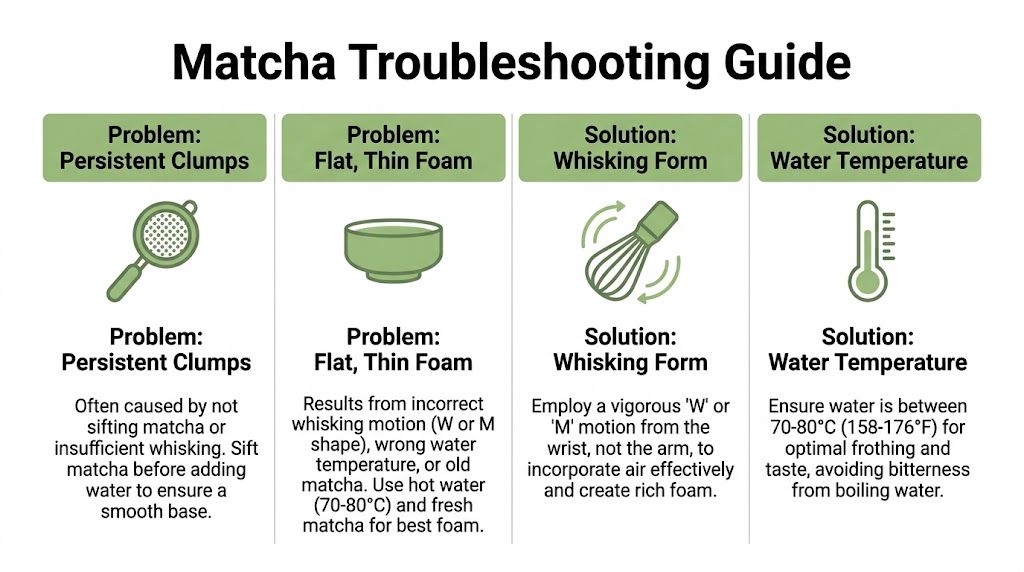
If clumps keep showing up even after sifting, check the age and grade of your matcha. Fresh, finely milled powder disperses far more easily. A clean, vibrant matcha such as Pep Tea’s also gives you a wider margin for error, because the powder itself is milled for a smoother bowl.
Flat foam usually comes from one of three things
Start with the whisk. If the tines feel stiff, stick together, or curl inward, they stop flicking air into the liquid efficiently. Foam depends on many tiny bubbles held in suspension. A tired whisk makes larger bubbles, then those bubbles collapse fast.
Next, check the water. Very hot water weakens sweetness and pushes bitterness forward, but mineral-heavy water can also mute the texture and leave bamboo feeling rough after repeated use.
Then check the bowl. A narrow mug blocks the whisk’s side-to-side travel, so the motion turns into stirring instead of rapid surface aeration. The whisk needs horizontal room to build a tight foam cap.
Quick fixes that usually work
For clumps
Sift into the bowl, add a small splash of water first, and press out any stubborn spots before full whisking.For bitterness
Use water below boiling. If the bowl tastes sharp and hollow, heat is usually the first thing to correct.For weak foam
Inspect the chasen before blaming your technique. Split, brittle, or inward-bent tines cannot trap air properly.For mineral build-up
If your water is hard, rinse the whisk well after each use. An occasional brief soak in warm water with a little white vinegar can loosen residue, followed by a thorough rinse.
When the bowl is the real problem
I see this often with people who start matcha using whatever mug is in the cupboard. The powder can dissolve, but the foam never gets that fine café-style finish because the whisk cannot move freely near the surface.
A wide bowl gives you two advantages at once. It lets the tines travel quickly, and it spreads the liquid into a shallower layer, which makes it easier to pull air through the top. That is the small piece of physics many home brewers miss.
If your motion has improved and your matcha is still coming out thin, change the vessel before changing everything else. Sometimes the best correction is giving the whisk enough room to do its job.
Keeping Your Matcha Whisk and Bowl in Perfect Condition
A bamboo whisk is a working tool. Treat it gently and it rewards you with better texture, cleaner foam, and a more consistent bowl.
The key is speed and simplicity after use.
How to clean the whisk properly
Rinse the whisk under warm water as soon as you finish. Don’t leave matcha drying between the tines, because dried residue makes the whisk stiff and awkward next time.
Skip soap. Bamboo can absorb smell and flavour, and that can end up in the next bowl.
A whisk also dries better when it keeps its natural curve. A matcha whisk stand helps the tines hold their shape while air circulates around them.
How to care for the bowl
The bowl is much easier. Wash it by hand with warm water and a soft cloth, then dry it well before storing. Gentle handling is enough.
A few habits make a real difference:
- Rinse immediately so matcha doesn’t cling to the surface
- Avoid harsh cleaners if you want the bowl’s finish to age well
- Store fully dry to prevent musty cupboard odour
- Keep bamboo out of prolonged soaking because constant saturation weakens it over time
Good maintenance isn’t separate from the ritual. It’s part of the ritual.
When your tools stay clean and correctly shaped, your technique stays reliable. That’s the whole point.
Beyond the Bowl Creative Matcha Recipes
A proper bowl teaches habits that carry into every modern matcha drink Australians make at home. The order stays the same. Sift, add water, whisk smooth, then build the rest around that base.
That matters even more here, because local water can change the result. Softer water often gives a rounder, sweeter bowl, while harder water can make green notes taste sharper, especially once milk or ice enters the mix. Starting with a clean, glossy matcha concentrate gives you more control.
Turn the bowl into a latte base
For a hot latte, whisk a short, strong base in the bowl first. Use less water than for usucha, then whisk until the surface shows a fine foam and the liquid underneath looks fully unified. After that, pour it into warm milk.
This is the part many cafés rush, and the cup shows it. Matcha added straight to milk tends to float, cling to fat, and leave dark specks on the finish. A concentrated base fixes that by hydrating the powder before dilution. Pep Tea’s fine grind makes that step easier, because the particles disperse quickly and stay smoother in the cup.
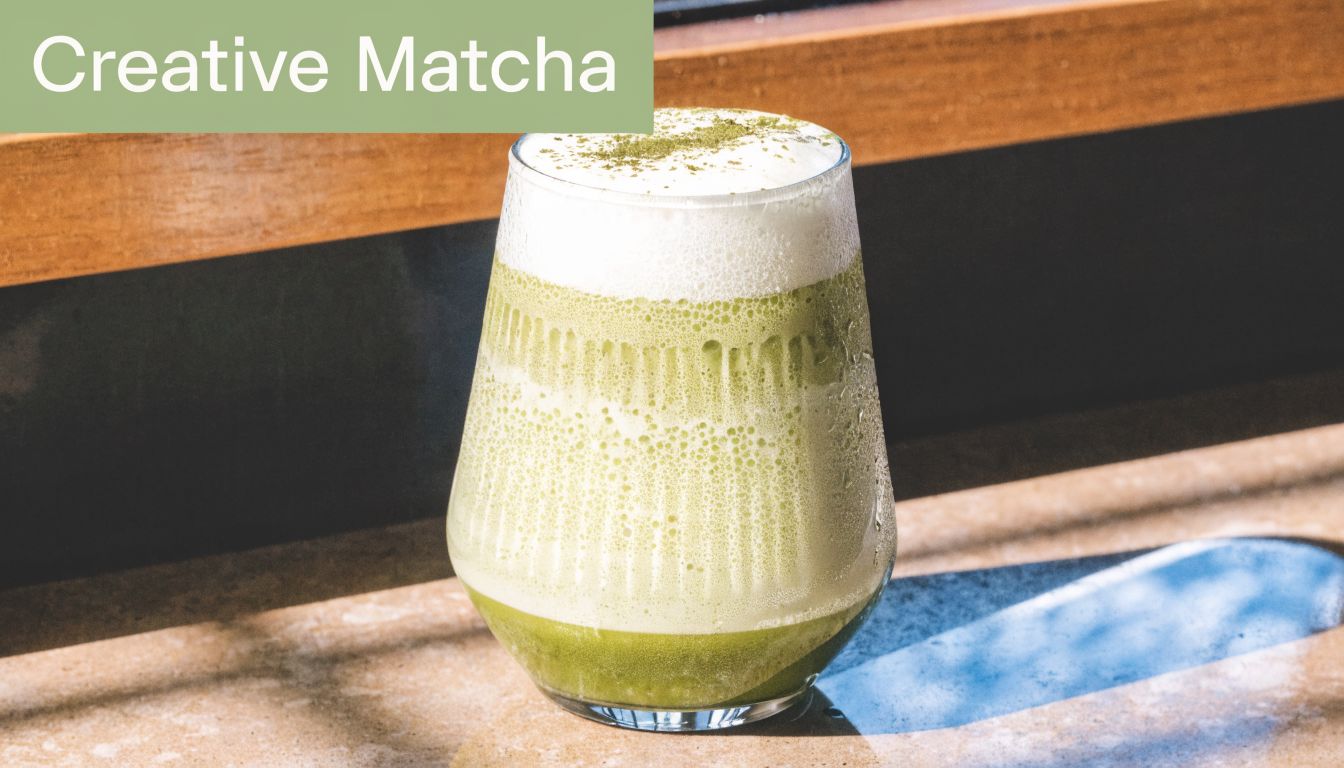
Iced matcha works best when the first step stays traditional
Cold drinks magnify mistakes. Any clump you leave in the bowl becomes more obvious over ice.
Whisk the concentrate with warm water first, then pour it over ice and cold milk. Warm water helps the powder wet evenly. Ice then locks in the texture and keeps the drink bright instead of muddy. If you shake unsifted matcha straight in a jar, you usually get foam on top and sediment underneath, which is a very different drink from a properly built iced matcha.
If you enjoy functional variations, Mushroom Matcha Benefits is a useful read for seeing how matcha is being paired with other wellness ingredients.
Creative recipes that still respect the bowl
A bowl and whisk are not limited to plain matcha. They are the best starting tools for recipes where texture matters.
Try these:
- Iced strawberry matcha. Make the matcha concentrate in the bowl, add strawberry puree to the glass separately, then pour slowly so the layers stay clean.
- Matcha coconut latte. Use coconut milk for body, but keep the matcha base lighter so the drink does not turn heavy or chalky.
- Sparkling matcha tonic. Whisk matcha with a small amount of water until smooth, then top with chilled tonic. The bitterness of tonic can sharpen lower-grade matcha, so this works best with a clean, sweet powder.
- Matcha affogato. Pour a concentrated bowl over vanilla ice cream. The contrast only works if the matcha is smooth and vivid.
Each recipe asks for a different concentration, but the same physics apply. Fine particles need full hydration. Air needs to be introduced in a controlled way. The bowl gives you room to do both before extra ingredients get in the way.
What cafés need to consider
Home drinkers and cafés solve different problems. At home, the goal is pleasure and consistency. In a busy Australian café, speed, staff training, milk workflow, and water filtration all affect the cup.
Many venues now use a hybrid approach. They whisk a proper base for flavour and texture, then adapt the build for service. That trade-off makes sense. Good technique is still good technique, even when the setting is faster and the menu includes iced lattes, strawberry matcha, and seasonal specials.
The bowl remains the quiet advantage. It gives the whisk enough space to move, helps the powder dissolve evenly, and turns recipe experiments into drinks that still taste like real matcha.
Your Matcha Questions Answered
Can I use an electric frother instead of a bamboo whisk
You can. It’s better than using a spoon. But it usually creates larger bubbles and a looser texture.
A bamboo whisk is shaped to produce a finer foam and a smoother mouthfeel. It also gives you more control over how vigorously the matcha is aerated.
Is culinary matcha okay to drink
Yes, especially in lattes, smoothies, and baking. It tends to be stronger and more assertive, which helps it stand up to milk and other ingredients.
For drinking with just water, ceremonial-style matcha is usually the more elegant choice because the flavour is more exposed.
Why does my matcha taste bitter even when I whisk properly
Usually because the water is too hot, or because the powder wasn’t sifted and dissolved cleanly before vigorous whisking. A rough bowl often tastes harsher than a smooth one, even when using the same matcha.
Do I need the bowl, or can I use any cup
Any cup can hold liquid. That’s not the same as helping you make good matcha. A proper bowl gives the whisk room to move, which directly affects texture.
How often should I replace my whisk
Replace it when the tines lose flexibility, begin breaking, or stop producing the texture you expect even with good technique and clean water.
If you’re ready to build a better daily ritual, explore Pep Tea for premium organic matcha, practical accessories, and Australian guidance that makes the process feel approachable rather than fussy.