
Tag: antioxidant tea benefits
Antioxidant Tea Benefits: Boost Wellness with PepTea
That 3 pm moment is familiar. You've had lunch, your focus has drifted, and you want something that feels better than another coffee or a sugary drink. You're not chasing a miracle. You just want a daily habit that tastes good, supports your health, and fits real life in Australia.
Tea often enters that conversation because people know it contains antioxidants. The problem is that most advice stops there. It says tea is “good for you” without explaining what antioxidants do, why Matcha keeps coming up in wellness circles, or why your brewing method can change what ends up in your cup.
That's where antioxidant tea benefits become much more practical than they first sound. Its value isn't just that tea contains protective compounds. It's that some teas deliver them more reliably, some preparation methods protect them better, and some compounds work together in ways that help you feel the difference day to day.
For many people, that means two standout options. Matcha gives you a concentrated whole-leaf green tea experience, while Kombucha offers a different path, combining tea's natural compounds with fermentation and live cultures. They're not the same drink, and they don't play the same role. That's exactly why understanding both can help you build a smarter routine.
Your Daily Wellness Upgrade Starts Here
A lot of healthy habits fail because they ask too much. Complicated meal plans, expensive powders, rigid routines are often abandoned. A cup of tea is different because it's already part of everyday life. You're not adding a whole new identity. You're making a better choice inside a habit you already have.
That's why antioxidant tea benefits matter in such a practical way. If you already reach for something warm in the morning or something refreshing in the afternoon, tea can turn that moment into a small act of support for your body. Not with hype, and not with extreme promises. Just with compounds that help protect your cells from everyday stress.
Why people start looking for better drinks
Usually it begins with one of these moments:
- The coffee crash: You want energy, but not the shaky feeling that can come with overdoing caffeine.
- The sugar rethink: Soft drinks and sweet café options don't feel great when you're trying to clean up your routine.
- The wellness upgrade: You want something simple that may support immunity, focus, and long-term health.
That's where tea earns its place. Green tea, Matcha, and Kombucha all bring something useful to the table, but they don't all work in the same way.
Some drinks give you a quick hit. Tea tends to reward consistency instead.
A more useful way to think about tea
Instead of asking, “Is tea healthy?”, ask better questions:
- Which tea gives me the most antioxidants in a normal serve?
- How much does preparation affect the result?
- Do I want calm focus, gut support, or both at different times of day?
Those questions lead to better choices than generic wellness claims ever will. They also clear up a lot of confusion. Matcha isn't just green tea with better marketing. Kombucha isn't just fizzy tea in a pretty bottle. Each has a different role, and once you understand that, it becomes much easier to use them well.
Understanding Antioxidants and Free Radicals
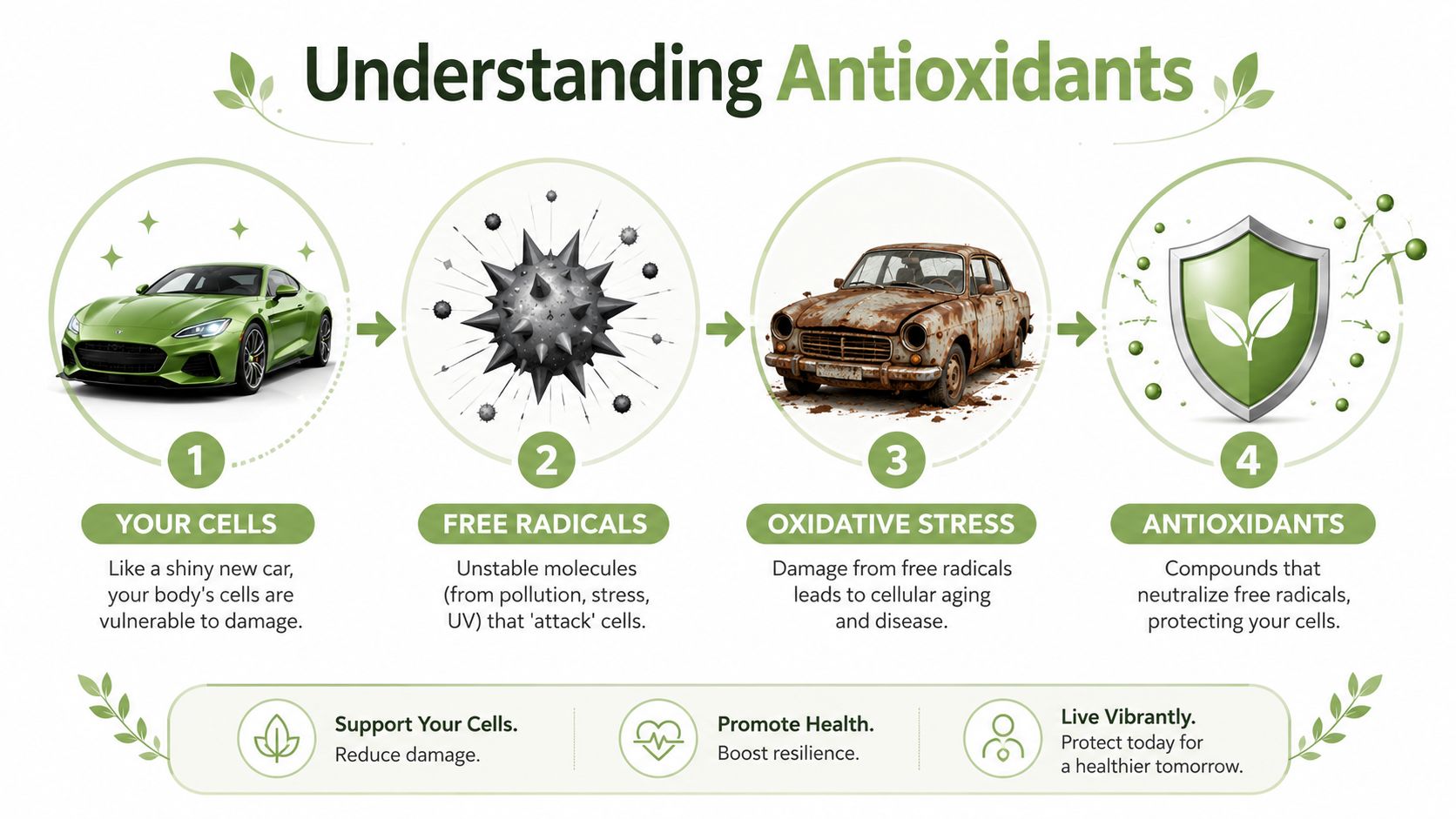
Your body is constantly dealing with wear and tear. Pollution, UV exposure, stress, and normal metabolism all create unstable molecules called free radicals. When too many of them build up, they can damage cells. That process is called oxidative stress.
A simple way to picture it is a car left out in the weather. Over time, metal starts to rust. Your cells don't rust, of course, but oxidative stress creates a similar kind of gradual damage. That's why people often connect antioxidants with healthy ageing and general resilience.
What antioxidants actually do
Antioxidants help neutralise free radicals before they can cause as much damage. You can think of them as part of your body's defence team. They don't make you invincible, and they don't replace the basics like sleep, food, and exercise, but they can support the system.
Tea is especially known for a group of antioxidants called polyphenols. In green tea and Matcha, one of the best-known is EGCG, short for epigallocatechin gallate. It's the compound that gets a lot of attention because it's strongly associated with many of tea's protective qualities.
Why EGCG gets so much attention
EGCG matters because it's one of the standout catechins in green tea. In organic Matcha green tea, EGCG accounts for 60% of all catechins, which is part of what gives Matcha its unusually concentrated antioxidant profile, as noted by Pep Tea's explanation of Matcha catechins.
That's also why people often get confused when they compare “green tea” as a broad category with Matcha specifically. Not all green tea experiences are equal. The type of tea, the grade, and the way you prepare it all affect what you consume.
Practical rule: Antioxidants are only useful if they survive the trip from the leaf into your cup.
Where this matters in daily life
Antioxidants aren't just an abstract science topic. They're part of why people choose tea when they want to support:
- Cell protection: helpful when everyday life includes stress, sun, and pollution
- Skin support: especially relevant in Australia, where UV exposure is part of life
- General wellness: a daily drink can become one small, repeatable habit that supports the bigger picture
Once you understand the free radical versus antioxidant story, tea starts making more sense. The next step is looking at why Matcha sits in a category of its own.
Matcha The Ultimate Antioxidant Powerhouse
Most green tea is brewed, then the leaves are discarded. Matcha works differently. The leaf is ground into a fine powder, whisked into water, and consumed whole. That single difference changes everything.
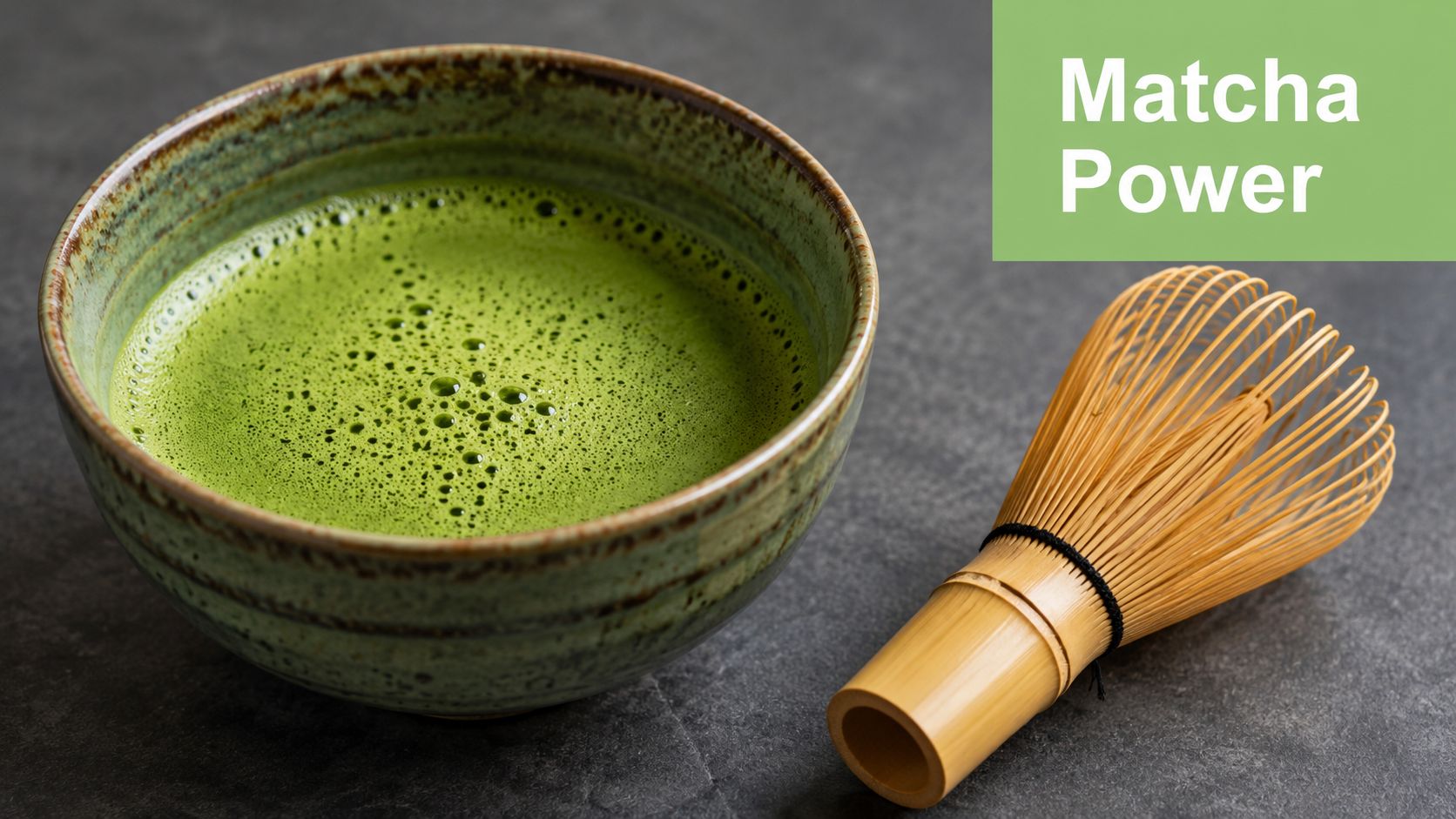
Because you're drinking the whole leaf, Matcha delivers a far more concentrated intake of tea compounds than a standard infusion. That's why it has such a strong reputation among people looking for antioxidant tea benefits that feel substantial rather than token.
Why Matcha delivers more per serve
The most direct comparison is this. Matcha tea powder possesses 137 times more antioxidant catechins than regularly brewed green tea, due to whole-leaf consumption, according to this Cleveland Clinic-cited social post on Matcha catechins.
That doesn't mean every cup of steeped green tea is worthless. It means Matcha is a much more concentrated delivery system.
Here's the practical difference:
- Steeped green tea: some compounds move from the leaf into the water
- Matcha: you consume the leaf itself
- Result: less is left behind, and more reaches you
The antioxidant profile people are really chasing
One reason Matcha is so popular is its high EGCG concentration. Beyond general antioxidant support, the verified data around Matcha points to several areas people care about in real life, including immune support, protection from oxidative stress, and support for metabolism.
A related detail helps make that more concrete. One gram of premium stone-ground organic Matcha contains approximately 30–35 mg of EGCG, according to Matcha.com's overview of catechins and EGCG. That gives you a sense of why even a small serve can feel meaningful within a daily routine.
For a deeper look at the whole antioxidant story, this overview of Matcha as an antioxidant powerhouse is a useful reference.
Why quality and preparation still matter
Not all Matcha is used the same way. Ceremonial styles are usually chosen for straight drinking, while culinary styles suit lattes, smoothies, and baking. Both can be antioxidant-rich, but flavour and texture shape how you will enjoy them.
This quick visual guide is helpful if you're still learning the ritual side of Matcha preparation.
Good Matcha should make healthy habits easier to repeat. If it's unpleasant, most people won't stick with it.
That's the hidden reason Matcha works so well for many Australians. It can slot into a morning ritual, an afternoon reset, or a café order without needing a full lifestyle overhaul.
Kombucha A Fermented Twist on Antioxidant Benefits
Kombucha starts in a very different place. Instead of offering the concentrated whole-leaf intensity of Matcha, it begins as brewed tea and then goes through fermentation. That process changes the drink's character completely.
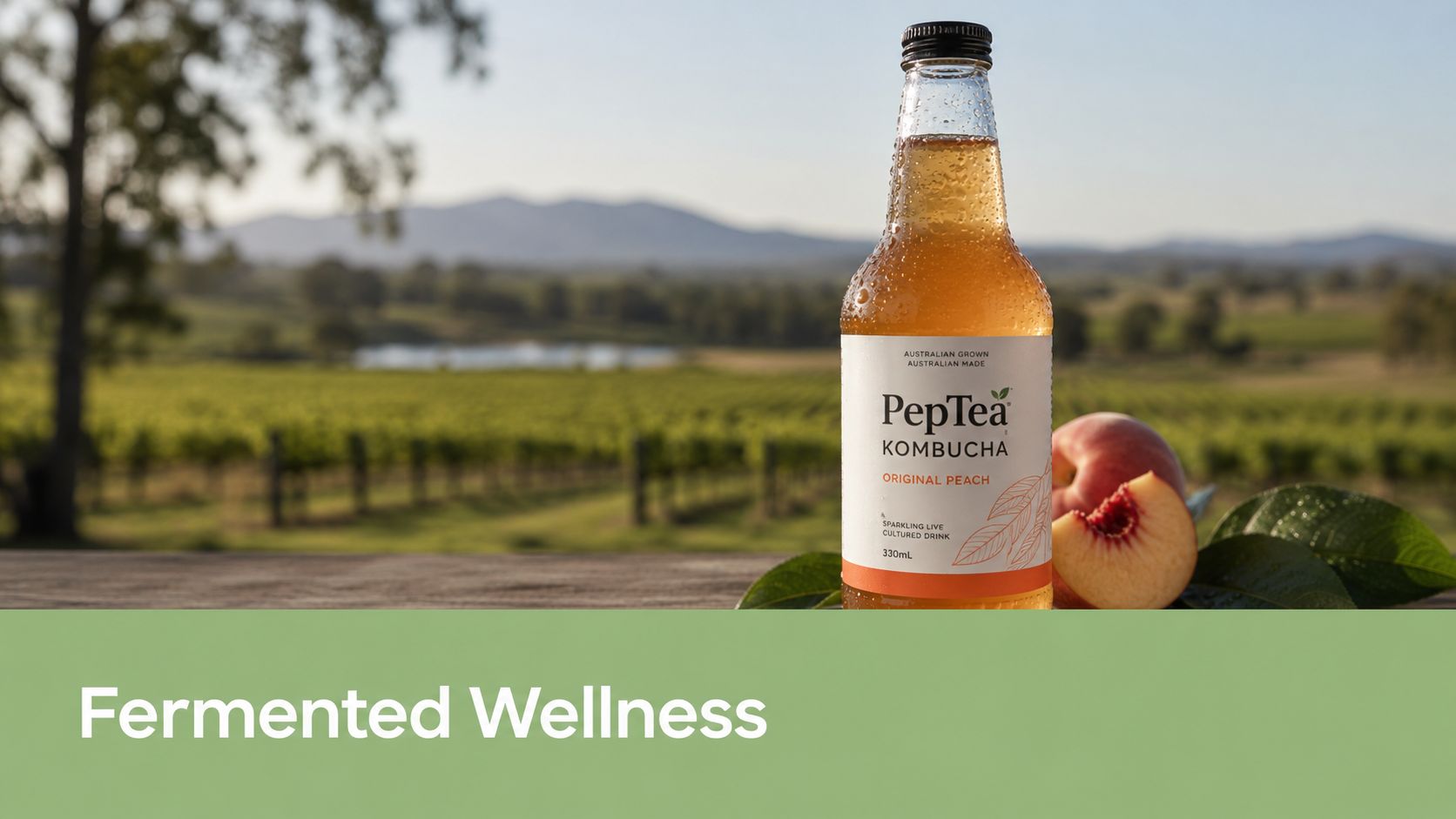
What you get at the end is less about delivering the biggest possible antioxidant hit and more about creating a functional drink with a different set of strengths. For people trying to move away from sugary soft drinks or alcohol-heavy routines, that matters.
Matcha and Kombucha serve different jobs
The easiest way to compare them is by role.
| Drink | Best known for | Practical use |
|---|---|---|
| Matcha | Concentrated tea antioxidants and calm energy | Morning focus, lattes, smoothies, mindful rituals |
| Kombucha | Fermented tea with live cultures and refreshing acidity | Soft drink swap, alcohol alternative, gut-friendly refreshment |
Kombucha still starts with tea, so it carries some of tea's original antioxidant heritage. Fermentation then adds another layer through live cultures and the tangy, complex flavour people either fall in love with immediately or learn to appreciate over time.
Why Kombucha appeals to health-conscious drinkers
Many people don't need every drink to be a super-concentrated wellness tool. Sometimes they need a better replacement for what they'd otherwise drink.
That's where Kombucha shines:
- It feels social: served cold, fizzy, and satisfying
- It can support gut-friendly routines: because live fermentation is part of the appeal
- It helps with sugar reduction: especially for people trying to replace sweet beverages with something cleaner
For Australian households and cafés, that makes Kombucha practical. It works in the fridge at home, on a café menu, or as a non-alcoholic option that still feels grown-up.
Kombucha isn't trying to be Matcha. Its strength is that it solves a different problem.
If you want a deeper look at fermentation, live cultures, and what separates properly brewed Kombucha from gimmicky versions, this guide to the benefits of Kombucha is worth reading.
How to Maximise Your Antioxidant Intake from Tea
A common assumption trips people up. If tea contains antioxidants, then any green tea, brewed any old way, should deliver roughly the same benefit. It doesn't work like that.
With steeped tea, the result in your mug depends on preparation. Water that's too hot, steeping that runs too long, or inconsistent home brewing can change how much of those delicate compounds you get. That's one reason there's often a gap between tea's potential on paper and the cup people drink every day.
Brewing method changes the outcome
One of the most useful reminders comes from population-level data. A PeerJ analysis of 410,000 people found tea reduces dementia risk by up to 29%, but only when consumed optimally, at 2–4 cups per day and the correct temperature, as summarised in Tea Esk's discussion of antioxidant-rich teas.
The big lesson isn't just the dementia finding. It's that how you drink tea matters.
Matcha vs Steeped Green Tea Antioxidant Delivery
| Attribute | Matcha (e.g., PepTea Organic Matcha) | Standard Steeped Green Tea |
|---|---|---|
| How you consume it | Whole leaf in powdered form | Water infused with leaves |
| Antioxidant delivery | More direct and consistent | More dependent on brewing variables |
| Preparation risk | Lower loss from leaf disposal | Greater chance of reduced catechin retention if brewed poorly |
| Best use case | Reliable daily antioxidant intake | Lighter tea ritual with more variation cup to cup |
How to get more from your tea routine
If your goal is antioxidant tea benefits, a few habits help:
- Choose the right tea for the job. Matcha is the more reliable option when you want concentrated delivery.
- Respect temperature. Very hot water can work against delicate compounds in steeped green tea.
- Don't overbrew. Stronger doesn't always mean better.
- Build repeatable habits. The best tea routine is the one you can maintain.
That reliability is part of Matcha's appeal. Because the powder stays in the bowl and then in the drink, you remove much of the guesswork that comes with brewing leaves.
The hidden gap most people miss
People often read about the benefits of green tea and assume they're automatically getting them. In reality, there can be a big difference between “contains antioxidants” and “delivers antioxidants well in everyday use”.
That's why a carefully prepared Matcha can be such a smart choice for home baristas, busy professionals, and café drinkers who want fewer variables and more consistency.
The Secret Synergy of L-Theanine and Clean Energy
Matcha's appeal isn't only about antioxidants. The experience people love most is often the way it helps them feel. Alert, but not frantic. Focused, but not edgy. That's where L-theanine enters the picture.
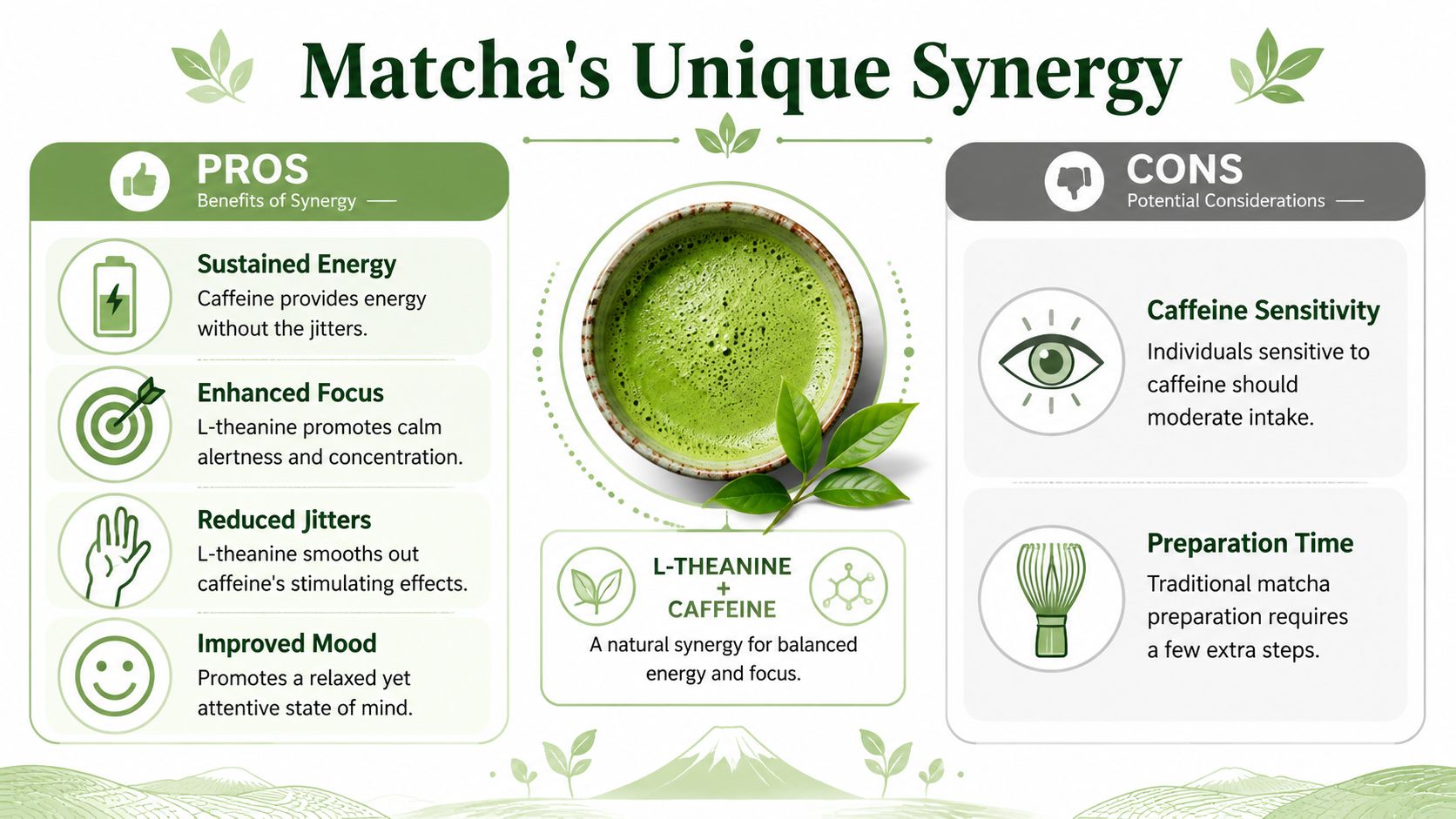
L-theanine is a naturally occurring compound in tea. In Matcha, it works alongside caffeine in a way that many people find smoother than coffee. Instead of a sharp spike, the effect is often described as calm alertness.
What L-theanine contributes
According to Australian Tea Masters' discussion of tea's health benefits, research shows L-theanine boosts GABA, serotonin, and dopamine, reducing anxiety and improving concentration, and its neuroprotective effects complement catechins to protect against cognitive decline.
That sentence explains a lot of the Matcha experience in one go. You're not only getting tea antioxidants. You're also getting a compound that helps smooth the mental side of stimulation.
For many people, that means:
- Steadier focus for desk work or study
- A calmer energy curve than they get from coffee
- A more balanced drink for busy mornings
Why this synergy matters more than caffeine alone
Caffeine on its own can be useful, but it isn't always kind. Some people get the jitters, some get a fast rise and crash, and others feel tense rather than productive. Matcha has a different reputation because of the way its compounds work together.
That synergy is one reason many people prefer a bowl of Matcha before:
- work that needs sustained concentration
- a slower start to the morning
- an afternoon reset that doesn't wreck sleep as badly as a late coffee might
If you're curious about a high-quality option designed for this kind of everyday ritual, Uji Matcha powder is a relevant place to explore.
The most interesting thing about Matcha isn't just that it contains caffeine. It's that the rest of the leaf changes how that caffeine feels.
A smarter way to think about energy
Plenty of drinks promise energy. Fewer help you stay organised, settled, and mentally clear. That's the difference people often notice when they switch from quick-fix beverages to Matcha.
It turns “energy” from a buzzword into something more useful. You can still get a lift, but it's paired with compounds that support composure and attention, which is exactly what many health-conscious Australians are after.
Your Daily Guide to Antioxidant-Rich Teas
The best antioxidant routine is one you'll keep. It doesn't need to be elaborate. It needs to suit your schedule, your taste, and the kind of support you want from a drink.
Simple ways to use Matcha across the day
If you enjoy a slower morning, whisk Matcha with warm water and drink it plain. If you prefer something creamier, use it in a latte. If you're making smoothies or baking, a stronger culinary style usually makes more sense than using your nicest ceremonial powder.
That distinction is practical, not precious. Culinary-grade organic Matcha contains an average EGCG concentration of 50.53 ± 2.41 mg/g, while ceremonial-grade organic Matcha contains 56.57 ± 2.19 mg/g, according to this published comparison of organic Matcha grades. Both are potent. The right choice depends more on how you'll use it than on chasing tiny differences.
A realistic routine for home and café life
Try this approach:
- Morning: plain Matcha for a focused start
- Midday: iced Matcha latte if you want something more substantial
- Afternoon: Kombucha instead of a soft drink or overly sweet café option
- Weekend: use culinary Matcha in smoothies, pancakes, or yoghurt bowls
For cafés, the same logic applies. Keep straight Matcha for customers who enjoy the ritual, use culinary Matcha for lattes and recipes, and offer Kombucha as a polished non-alcoholic fridge or menu option.
Keep it easy enough to repeat
You don't need to optimise every sip. You just need to avoid the obvious mistakes and choose drinks that fit your actual life. Matcha is ideal when you want concentrated antioxidant support and cleaner focus. Kombucha makes sense when you want something cold, fermented, and more social.
Both can help replace habits that don't serve you well.
A healthy drink earns its place when it becomes the option you reach for without having to think twice.
Tea works best this way. Not as a miracle cure, but as a steady, enjoyable part of a better routine.
If you're ready to turn these ideas into something practical, explore Pep Tea for premium organic Japanese Matcha and Australian-brewed sugar-free organic Kombucha. It's a great place to compare ceremonial and culinary Matcha, discover Kombucha flavours for everyday drinking, and find options suited to home routines, cafés, and wholesale needs.