
Tag: pep tea matcha
Best Matcha Tea Set Amazon Picks for 2026

You’ve probably done it already. Typed matcha tea set amazon into the search bar, opened a few listings, then found yourself comparing bowls that all look similar, whisks that all claim to be “traditional”, and kits padded out with extras you may never use.
That confusion is normal.
A matcha set looks simple, but a good one changes how your tea tastes, how easily it froths, and whether you enjoy using it every morning. A poor one can leave you with clumps, a flimsy whisk, and a bowl that feels more decorative than practical. The marketplace is convenient. The hard part is knowing what matters and what is just nice photography.
Matcha is also one of those rituals that feels more complicated online than it is in real life. Once you understand the role of each tool, the whole process becomes calm, quick, and satisfying. That’s when your first bowl stops feeling like a project and starts feeling like a habit you want to keep.
Your Guide to Finding the Perfect Matcha Tea Set on Amazon
You open Amazon for a quick search and suddenly you are comparing twenty near-identical kits before breakfast. One bowl looks elegant but shallow. One whisk seems cheap in the close-up photos. Another set has five accessories, but no clear explanation of what the ceramic or bamboo is like.
That early overwhelm puts many first-time buyers off. It should not.
Buying a matcha set online gets easier once you stop shopping by brand name and start shopping by function. A good set supports the ritual. It gives your whisk room to move, helps you mix the powder properly, and makes the whole process feel simple enough to repeat on a weekday morning. A poor set does the opposite. It turns a calm tea practice into clumps, spills, and frustration.
Demand in Australia is growing, which means marketplace choice keeps expanding. That sounds helpful, but it often creates more noise than clarity. The key question is not which listing has the prettiest photos. It is which set is built from materials that help you prepare matcha well.
That distinction matters because the tools are only half the story. The bowl, whisk, and scoop shape the technique, but the powder decides the flavour, colour, and drinking experience. Even a beautiful set cannot rescue dull, bitter matcha. If you want to understand why some powders taste grassy and sweet while others turn harsh, this guide to the different grades of matcha will help you choose with more confidence.
It helps to borrow the same mindset you would use for everyday ceramics. A plate can look lovely in a product photo and still feel awkward in daily use. The same applies to matcha bowls and accessories, which is why the logic behind choosing a best tableware set applies here too. Good design has to work in the hand, not just on a screen.
You do not need years of tea knowledge to buy well. You need a clear eye for materials, a basic sense of how each tool affects preparation, and the understanding that the finest set still depends on fresh, well-made organic matcha to produce a bowl worth drinking.
Deconstructing the Set What Really Matters in Your Kit
A good matcha set works like a simple kitchen system. Each piece supports one part of the process, and if one tool is poorly made, the whole routine feels harder than it should.
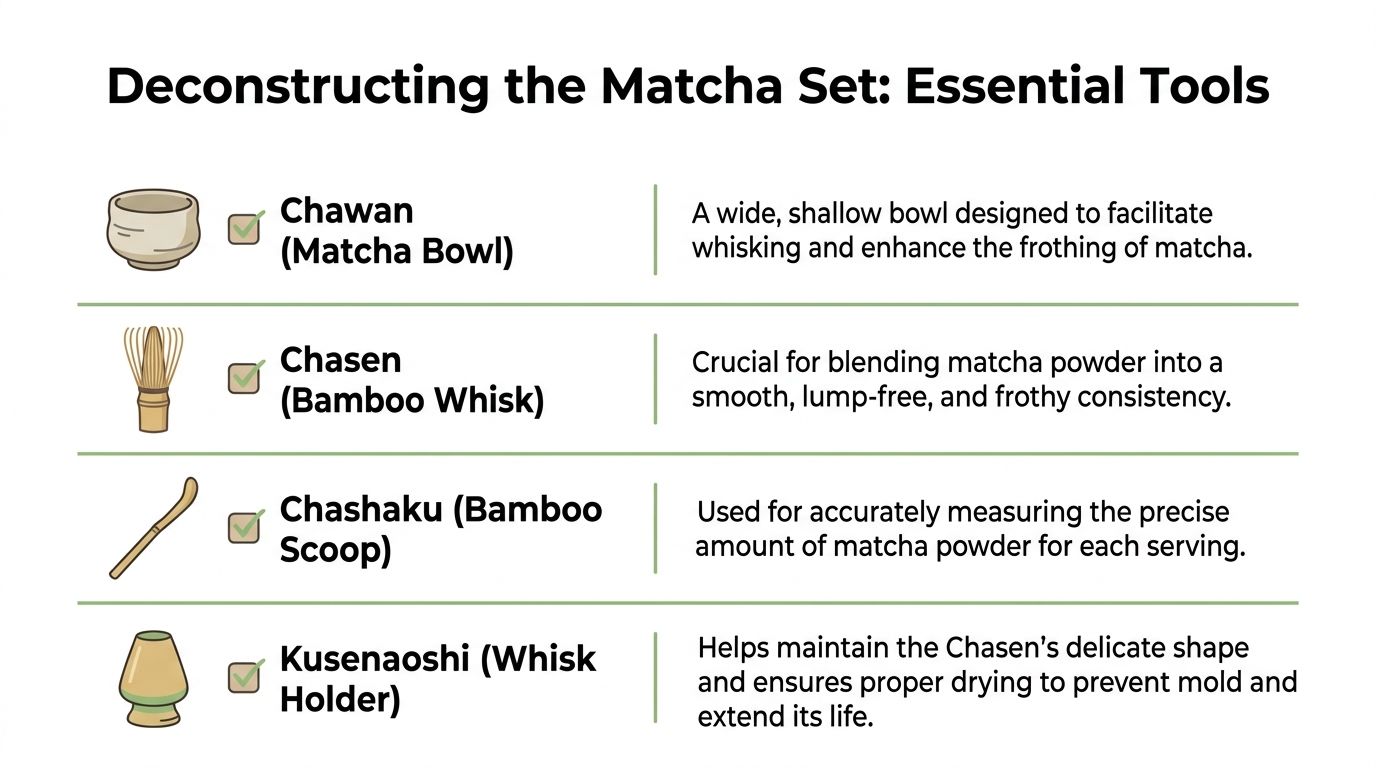
You do not need the biggest kit on Amazon. You need the right core pieces. For most beginners, that means a bowl, a bamboo whisk, a bamboo scoop, and a whisk holder. The bowl gives you space to whisk properly. The whisk breaks up the powder and creates texture. The scoop keeps your portions steady. The holder helps the whisk dry in the shape it was made to keep.
The bowl does more than hold the tea
The chawan, or matcha bowl, shapes the way your whisk moves.
A wide bowl gives your wrist room to make quick zigzag motions across the surface. That motion matters because matcha is suspended in water, not steeped like loose-leaf tea. If the bowl is narrow and steep-sided, your whisk hits the walls, your movement gets cramped, and the tea often ends up with clumps sitting under a thin layer of foam.
Ceramic suits most home buyers well because it has a reassuring weight and helps the bowl feel steady while you whisk. Look for a shape that opens at the top rather than pinching inward. A smooth interior also helps. Tiny ridges or awkward angles can catch the whisk tips and make the whole process feel scratchy.
If aesthetics matter to you, apply the same standard you would use when choosing everyday ceramics. A piece should feel good in the hand as well as look good on the shelf. This guide to the best tableware set explains that balance nicely, and the same logic applies to matcha bowls.
The whisk is the tool that changes the drink
The chasen, or bamboo whisk, has the biggest effect on texture.
A decent whisk separates the powder, blends it with water, and pulls in enough air to create a fine foam. A poor one bends unevenly, sheds splinters, or loses its shape after only a few uses. That difference shows up in the cup straight away. One bowl tastes smooth and creamy. The next tastes gritty, flat, or harsh.
For a first set, check whether the tines look evenly cut and reasonably dense. You do not need to count every tine from a product photo, but you do want a whisk that looks symmetrical and carefully finished. If the bamboo appears thick, rough, or badly spaced, the listing is telling you something.
This is also where people often blame the tools for a flavour problem that starts with the powder. Even a well-shaped whisk cannot make dull matcha taste fresh. If you want to understand how colour, sweetness, and bitterness change from one powder to another, this guide to different grades of matcha will make those differences much clearer. The set helps you prepare matcha properly. The powder decides whether the result is vibrant and pleasant to drink.
The scoop teaches consistency
The chashaku, or bamboo scoop, looks modest, but it solves a beginner problem quickly.
Using a normal teaspoon usually leads to guesswork. One day you add too much and the bowl turns aggressively strong. The next day you add too little and it tastes thin. A scoop gives you a repeatable starting point, which makes it much easier to adjust your recipe with confidence.
It also keeps the ritual cleaner. Matcha is a fine powder, and a purpose-made scoop helps you move it neatly from tin to bowl without the little green cloud that tends to follow a metal spoon.
The whisk holder protects the whisk you paid for
A kusenaoshi, or whisk holder, helps the chasen dry open instead of collapsing inward.
That matters because wet bamboo is delicate. If you rinse the whisk and leave it on its side or tuck it into a drawer, the tines can warp, stick together, or dry in a cramped shape. A holder keeps airflow around the whisk and helps preserve the curve of the tines, which means better whisking over time.
It is a small item, but it saves wear on the part of the set that does the most work.
What to check at a glance
| Tool | What to check | Impact on Your Tea |
|---|---|---|
| Chawan | Wide ceramic bowl with an open shape | Gives your whisk room to move and helps reduce clumping |
| Chasen | Even bamboo tines, neat finish, balanced shape | Blends powder smoothly and creates finer foam |
| Chashaku | Proper bamboo scoop | Keeps portions more consistent from bowl to bowl |
| Kusenaoshi | Included or easy to add | Helps the whisk dry properly and hold its shape |
The easiest way to judge a set is to ask a practical question about each piece. Will this bowl let me whisk freely? Will this whisk stay usable after regular rinsing? Will this scoop help me repeat a recipe I enjoy? Amazon listings can make every set look polished. Materials and function tell the full story.
And once the tools are sorted, the last decision matters just as much. Fresh organic matcha with good colour and a balanced taste will reward every bit of care you put into the set.
A Smart Shopper’s Checklist for Buying on Marketplaces
Buying from a marketplace is convenient. It also asks you to do some quality control yourself.

A good listing tells you what the set is made from, shows the pieces clearly, and gives you enough detail to judge whether the tools are functional. A weak listing leans on buzzwords like “premium” and “Japanese style” without saying much else.
Read reviews like a buyer, not a browser
Don’t stop at star ratings. Open the written reviews and search for the words whisk, crack, mould, splinter, ceramic, and packaging.
You are trying to answer practical questions:
- Did the whisk hold its shape after use
- Did the bowl arrive intact
- Did the glaze or ceramic feel solid
- Did buyers mention poor finishing or rough edges
A lot of marketplace regret comes from buying a lovely-looking set that performs badly.
Check the materials, then check what is missing
A strong listing usually names the bowl material and gives some indication of the whisk style. If the description is vague, that tells you something too.
There is also a safety angle many buyers miss. Analyses of Australian forums have found many discussions about greenwashing and the lack of local FSANZ compliance in imported sets, while some independent tests have shown imported ceramic and tea products can exceed safety limits for heavy metals. That concern is rarely addressed in Amazon reviews. This matters most when you are choosing the parts that touch hot water and the powder you consume.
Key takeaway: Buying the tools on a marketplace can be fine. Be more selective about the matcha itself and where it comes from.
Use a simple marketplace filter
When I help someone choose a first set, I suggest this quick filter:
- Look for clear component photos. You should be able to see the bowl shape, whisk profile, and whether a holder is included.
- Prefer functional descriptions. Specifics beat marketing language.
- Treat missing safety detail as a caution sign. Especially for ceramics and anything sold as “organic” without clear backing.
- Separate the tools from the tea. It often makes sense to buy the set from Amazon and buy the matcha from a trusted Australian supplier.
That final point is important. The set affects technique. The powder affects flavour, colour, aroma, and your overall experience. If you want the convenience of marketplaces but also want to think carefully about how online retail ecosystems differ, this broader comparison of Amazon vs Takealot offers useful context on how marketplace models shape product discovery.
If you’re browsing sets and want a dedicated starting point, this collection is a useful reference: https://peptea.com.au/tag/buy-matcha-set/
Your First Bowl How to Prepare Perfect Matcha at Home
You open the Amazon box, set the bowl on the bench, and suddenly the whole thing feels a little more real. The good news is that your first bowl does not need ceremony-level precision. It needs a few simple habits that help the tea taste clean, smooth, and fresh.
Start by setting up the bowl properly
Warm the bowl with a little hot water, then pour it out and dry the inside. This small step does two useful things. It takes the chill off the ceramic, and it gives you a dry surface for the powder so it does not stick in damp patches.
Then check your water. Matcha is delicate, so boiling water is too aggressive for most powders. Aim for water that is hot but not scorching, around 75 to 80°C. If the tea turns bitter or loses its sweetness, water temperature is often the first thing to correct.
Sift first, then build the bowl
Many first-time drinkers blame themselves when matcha turns lumpy. Usually the problem is much simpler. Powder naturally compresses in the tin, so sifting helps loosen it before whisking.
Here is an easy first-bowl method:
- Add a small amount of matcha to the bowl. Start modestly so you can learn the texture.
- Sift the powder. This breaks up clumps before water goes in.
- Pour in a small splash of hot water. You want enough to whisk, not a full bowl yet.
- Whisk with quick wrist movement. Let the whisk glide across the surface rather than press into the base.
- Add a little more water if needed. Adjust the strength to suit your taste.
That sequence matters. Sifting gives you a smoother starting point. A small amount of water helps the powder disperse evenly before you dilute it further.
Why the whisking motion matters
Circular stirring feels intuitive, but it tends to leave heavier bits sitting at the bottom. Matcha tastes better when the powder stays suspended through the liquid and a light foam forms on top.
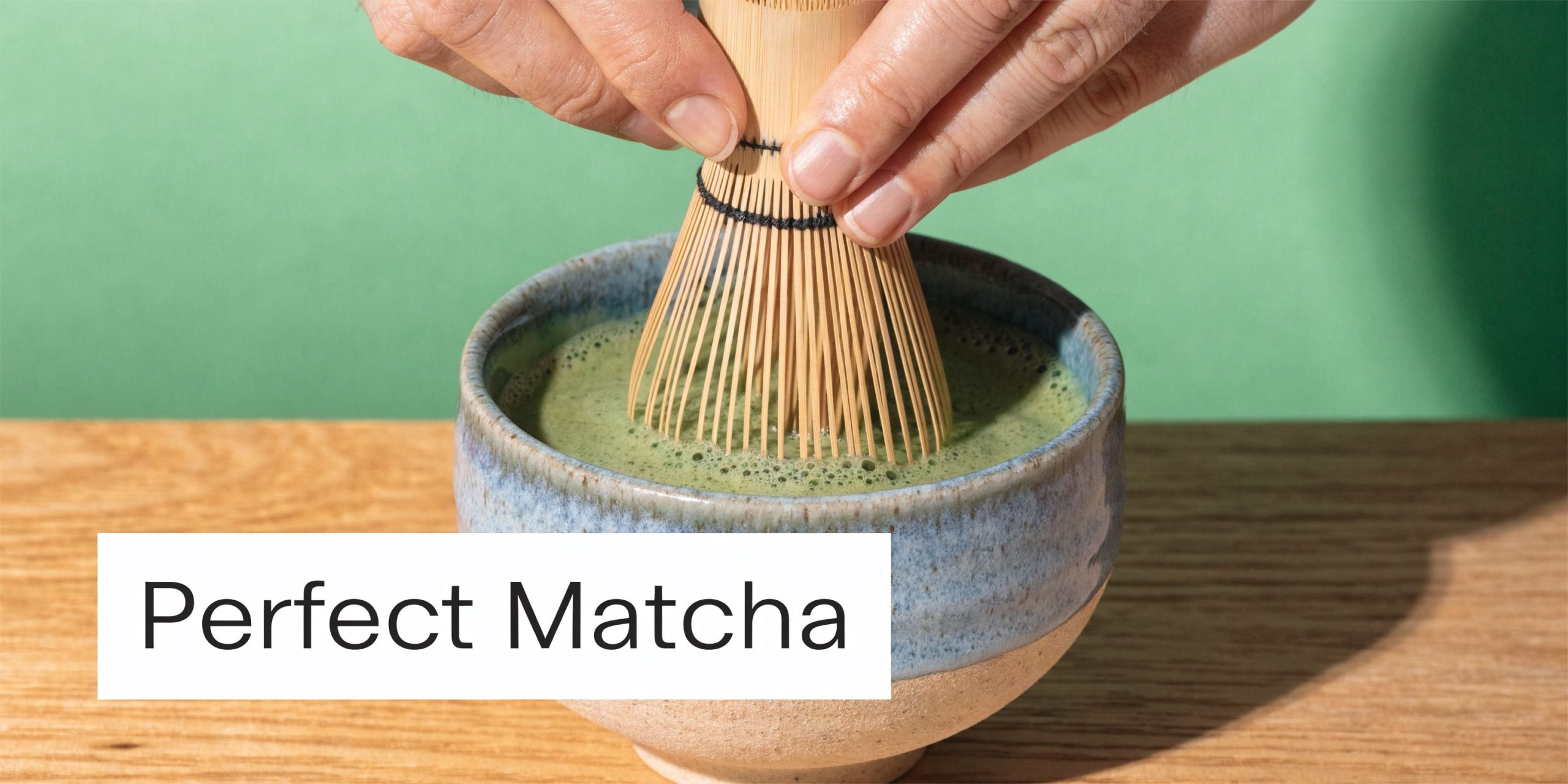
Use quick, light strokes in a W or zigzag pattern for about 20 to 30 seconds. The motion works like shaking air into the tea while breaking up any last tiny clumps. If the whisk is scraping hard against the bowl, ease up. The tines should flex and skim, not grind.
If you want a clearer visual before making your first bowl, this guide on how to whisk matcha properly is a helpful companion.
Here’s a visual walkthrough for the home ritual:
Common beginner mistakes, and how to fix them
A disappointing first bowl usually comes down to one of a few simple issues.
- Water is too hot. The flavour turns sharper and less balanced.
- Powder was not sifted. Small clumps survive even energetic whisking.
- Too much water was added at the start. The matcha struggles to blend smoothly.
- The whisk was pushed down instead of moved across the surface. That makes whisking harder and can strain the bamboo.
- The powder itself is low grade or stale. Good technique helps, but it cannot create sweetness, colour, or aroma that is not there in the first place.
That last point is easy to miss on marketplaces. A beautifully photographed set can still produce an average bowl if the tea is dull. The tools shape the process. The matcha shapes the flavour, colour, and how satisfying the drink feels once it reaches your lips.
A simple matcha latte variation
Your set is useful for more than traditional usucha. It also gives you a much better base for a latte than dropping powder straight into milk.
Try it this way:
- Whisk matcha with a small amount of hot water until smooth
- Warm your milk separately
- Pour the milk over the whisked matcha
- Sweeten only if you want to
This works because water hydrates the powder first. Milk alone makes that harder, which is why café-style drinks often turn gritty when made without a bowl and whisk. If you want more tea character, use less milk. If you want a softer cup, add more.
Make the routine simple enough to repeat
A good bowl of matcha is smooth, lively, and pleasant to drink. It does not need to look perfect on day one.
The ritual is valuable because it slows you down for a minute. The tools are valuable because they make that minute easier. And the matcha powder matters most, because fresh organic tea is what gives you the bright colour, gentle sweetness, and clean finish you were hoping for when you bought the set.
Beyond the Bowl Creative Ways to Enjoy Your Matcha
Once you have a set on the bench, it tends to get used for more than one kind of drink. That’s a good thing. Matcha fits into everyday routines far more easily than many people expect.
The quick morning option
Some mornings call for the full bowl-and-whisk ritual. Some do not.
On a busy weekday, whisk matcha with a little water in your bowl, then pour it into a glass bottle or travel cup with cold water and ice. Shake and go. You still get a smoother result than trying to stir powder into a bottle from scratch.
A few easy ways to use your kit
Your bowl and whisk are handy beyond plain tea:
- Breakfast smoothie. Whisk matcha with a splash of water first, then blend it with banana, yoghurt, and milk.
- Yoghurt topping. A light dusting adds colour and a gentle grassy note.
- Pre-gym drink. A short, concentrated bowl can slot into a morning routine when coffee feels too heavy.
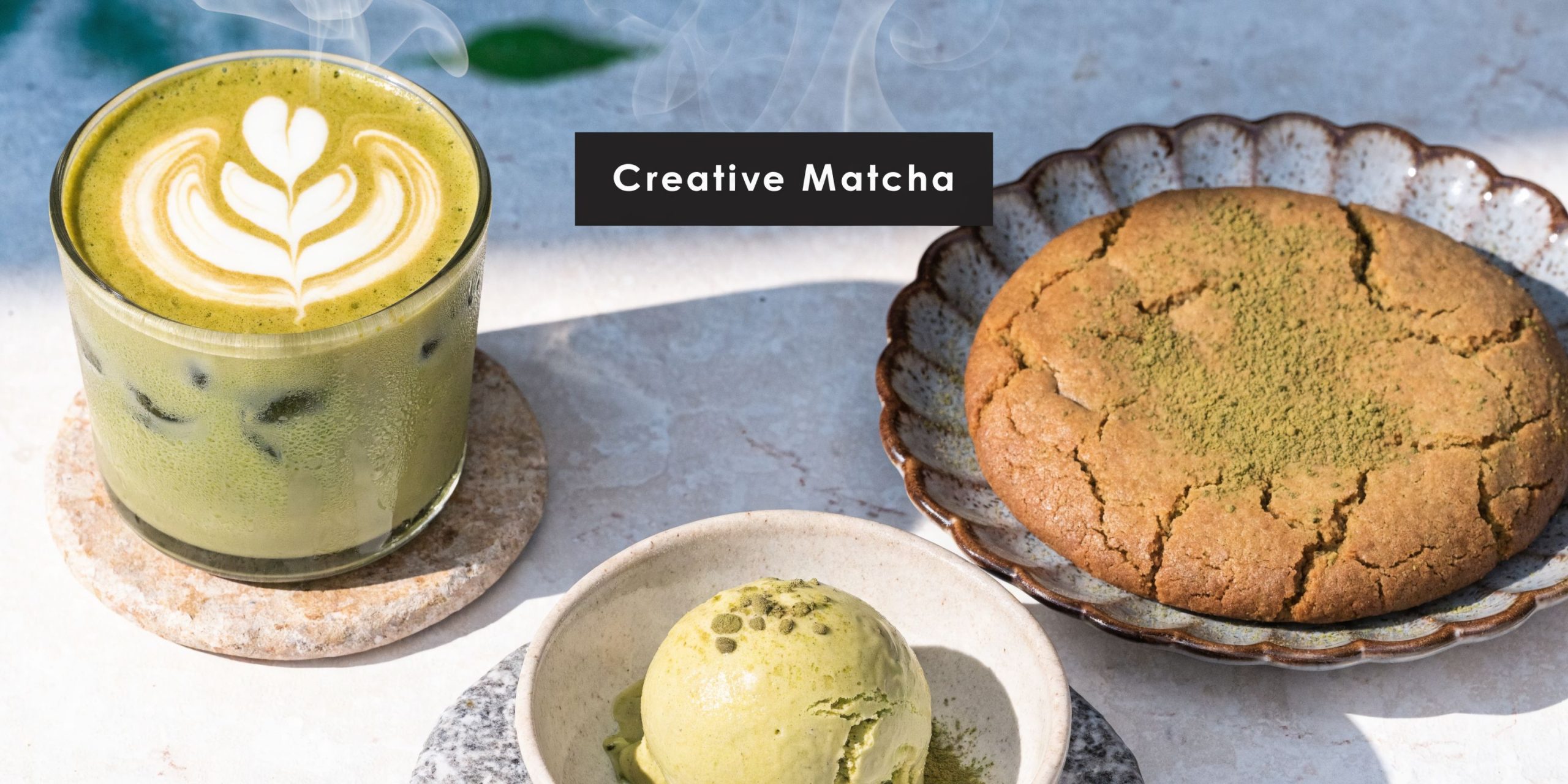
- Iced latte. Build the smooth matcha base in the bowl, then pour over cold milk and ice.
For cooks, bakers, and the curious
Matcha also works beautifully in simple food ideas at home. Stir it into overnight oats, fold it into chia pudding, or use it in baking where you want colour and a fresh green tea note.
The reason many people stick with matcha once they start is not just taste. It’s flexibility. One tin can move from a quiet bowl in the morning to an afternoon iced latte to a weekend baking project.
Tip: If you’re using matcha in recipes, whisk it with a small amount of liquid first. That gives you a smoother mix and better colour.
A dedicated culinary-style powder is usually the practical choice for recipes because it lets you use matcha more freely in lattes, smoothies, and baking without feeling like every spoonful should be reserved for ceremonial drinking.
Caring for Your Set to Ensure a Lifetime of Tea
A matcha set is easy to care for if you do the small things straight after use.
Look after the whisk first
Rinse the chasen with water as soon as you finish whisking. Don’t use soap. Don’t scrub the tines. Don’t leave dried matcha sitting in the bamboo.
Shake off excess water gently, then place the whisk on its holder to dry. That helps the prongs keep their shape and reduces the chance of mould from trapped moisture.
Keep the bowl simple
The chawan usually only needs warm water and a soft wash. If it has a handcrafted glaze, treat it with the same care you’d give any favourite ceramic bowl. Avoid knocking the rim with the whisk handle or stacking it carelessly in a crowded cupboard.
Build a two-minute habit
The easiest maintenance routine is this:
- Rinse immediately so matcha doesn’t dry onto the bamboo
- Air dry fully before storing
- Use the holder for the whisk rather than laying it flat in a drawer
- Store carefully where the bowl won’t chip
A well-kept set feels better to use, and that matters. Tea habits last when the process stays easy.
Common Questions About Buying and Using Matcha Sets
Is an expensive set worth it
Sometimes yes, often no. Price alone does not guarantee a better bowl. Focus on material quality, bowl shape, and whisk construction rather than luxury packaging or extra pieces you won’t use.
Can I use an electric milk frother instead of a bamboo whisk
You can, especially for lattes. But it creates a different texture. A bamboo whisk gives you finer control and a more even foam in a traditional bowl. A frother is a shortcut, not a full substitute.
What’s the difference between ceremonial and culinary matcha
In simple terms, ceremonial styles are usually chosen for drinking with water, while culinary styles are commonly used in lattes, smoothies, and recipes. The best choice depends on how you plan to use your set day to day.
Are Amazon sets durable enough for a small café
Usually for light use, not always for service speed. Some industry reports indicate that café owners cite frother breakage in high-volume prep as a common issue with consumer-grade sets. Home-use Amazon kits can be great for personal routines, but cafés often need sturdier tools and replaceable parts. If you’re setting up a menu rather than a kitchen shelf, think commercial durability first.
If you’re ready to move from browsing to better brewing, explore Pep Tea for premium organic matcha and practical guidance for home drinkers, cafés, and anyone building a healthier tea ritual in Australia.
How to Make an Iced Matcha Latte Like a Pro Barista

Making a refreshing iced matcha latte at home is surprisingly simple. At its core, you just whisk high-quality matcha powder into a smooth paste with warm water, then pour it over ice and your milk of choice. But the real secret to a café-quality drink—one that’s vibrant and creamy, not clumpy and bitter—is all in the technique and the quality of your ingredients.
Crafting the Perfect Iced Matcha Latte at Home

Forget paying top dollar for inconsistent café lattes. We're here to show you how to create a bright, creamy, and perfectly balanced iced matcha latte right in your own kitchen. This isn't just about stirring some green powder into milk; it's about mastering a few simple details that make all the difference, giving you a delicious and healthy drink every time.
Why Make Your Own Iced Matcha Latte?
When you take control of the process, you guarantee a better drink. Every single time. You get to choose the quality of your ingredients and dial in the flavour exactly how you like it. Plus, there are some pretty great benefits that align with a healthy, wellness-focused lifestyle.
- Customisable Sweetness: So many café versions are just loaded with sugar. At home, you control everything. Use a touch of honey or maple syrup, or have it completely unsweetened to let the matcha’s real flavour shine through.
- Better Quality Ingredients: This is a big one. You can choose a premium organic matcha, which has a much more robust flavour and is packed with antioxidants for clean, sustained energy. The difference in taste and health benefits is immediately noticeable.
- Cost-Effective: A daily café run adds up fast. Making your own is significantly cheaper in the long run. A single tin of quality matcha will see you through dozens of delicious lattes.
The real beauty of a homemade iced matcha latte is in the ritual itself. Taking a few minutes to mindfully whisk that vibrant green powder creates a moment of calm before you even take the first sip.
We’ll guide you through choosing the right ingredients and mastering the whisk, ensuring a silky-smooth, flavourful latte every single time. It's fascinating to see how a few delicate leaves become the powder for your drink, a process you can learn more about by understanding how Matcha tea is made.
Whether you're a long-time matcha lover or just starting out, this guide will give you the confidence to whip up a refreshing drink that’s packed with the clean, sustained energy of premium organic matcha. Let's make your homemade iced matcha latte the best you've ever had.
A great iced matcha latte isn’t about a complicated recipe. It’s about the ingredients. Get these three things right, and the final drink will come together beautifully, giving you that perfect balance of earthy flavour, creamy texture, and vibrant colour you’d expect from a top-tier Australian café.
Your Matcha Grade Makes All the Difference
This is the most important decision you’ll make. The dusty, bitter green powder from the back of the supermarket shelf just won’t cut it here. For a latte with a rich, balanced flavour that doesn’t get lost behind milk and ice, you need a high-quality powder designed for the job.
But not all high-quality matcha is right for a latte. It comes down to choosing between two main grades: Ceremonial and Culinary.
Matcha Grade Guide for Your Latte
Picking the right matcha can feel confusing, but for a latte, the choice is actually quite straightforward. This table breaks down what you need to know.
| Matcha Grade | Best Use | Flavour Profile | Colour | Why It Works |
|---|---|---|---|---|
| Ceremonial Grade | Drunk on its own with water | Delicate, subtle, sweet, umami-rich | Bright, almost neon green | Its nuanced flavour is prized for traditional tea ceremonies but gets completely lost when mixed with milk and sweeteners. |
| Culinary Grade | Lattes, smoothies, baking, cooking | Bolder, more robust, slightly astringent | Deeper, more forest green | It's specifically designed with an assertive flavour that punches through the creaminess of milk, ensuring the matcha taste remains the star. |
For an iced matcha latte, a premium culinary grade matcha is your secret weapon. It has the strength to stand up to other ingredients without tasting bitter.
A high-quality culinary grade, like our PepTea Organic Matcha, delivers that robust flavour you’re looking for. It’s stone-ground from certified organic Japanese leaves, giving you that vibrant green colour and a smooth finish, every time.
Choosing the Right Milk for the Job
The milk you pick has a massive impact on the latte’s final texture and taste. There’s no single "best" option; it’s all about the experience you want to create.
- Full-Cream Dairy Milk: This is the classic for a reason. It delivers a rich, velvety creaminess and has a natural sweetness that complements matcha perfectly.
- Oat Milk: The café favourite. Oat milk is famously creamy and creates a luxurious mouthfeel very similar to dairy. Its neutral, slightly sweet flavour really lets the matcha shine.
- Almond Milk: A lighter, more refreshing choice. It’s less creamy than oat or dairy, resulting in a less decadent latte with a subtle nutty background note.
- Soy Milk: Another fantastic plant-based option. Soy is creamy and has a distinct flavour of its own that pairs surprisingly well with matcha’s earthiness.
The incredible rise of matcha lattes isn't just a fleeting trend. Urban Australia's café culture has embraced them completely, with specialty cafes seeing a 28% year-over-year surge in major cities. This growth, detailed in recent Asia-Pacific matcha market research, is all about premium organic matcha becoming the hero of the iced drink menu.
Using Sweeteners to Enhance, Not Overpower
Even if you prefer a clean, low-sugar drink, a little sweetness can work wonders by rounding out matcha’s complex, earthy notes. The goal is to complement, not to mask.
Natural sweeteners are your best bet. A small drizzle of honey or maple syrup harmonises beautifully with the matcha. Just remember to start small—you can always add another drop, but you can’t take it away. Building your latte from a foundation of quality is what makes it a delicious, guilt-free treat.
How to Prepare a Perfectly Smooth Matcha Paste
If you've ever had a gritty, lumpy homemade iced matcha latte, you know the disappointment. The secret to that smooth, vibrant, café-quality drink isn't complicated, but it all comes down to one crucial step: how you prepare the matcha itself.
Get this first step right, and everything else falls into place. You need to create a smooth, silky paste that will dissolve completely into your milk. This is often called "blooming" the matcha, a process that wakes up the powder, unlocking its full colour and deep, earthy flavour. If you're interested in the food science behind it, this article on what does bloom mean in cooking is a great read.
It all starts with just a few simple building blocks.

Think of these as the foundation: quality matcha, your milk of choice, and a touch of sweetener if you like. That's all it takes.
The Traditional Method Using a Bamboo Whisk
For the most authentic experience, a bamboo whisk (known as a chasen) is the tool for the job. Its fine, flexible prongs are perfectly designed to break up clumps and aerate the tea, creating a beautiful, delicate froth.
Here’s the method that has been used for centuries:
- First, always sift your matcha. Use a small, fine-mesh sieve to sift 1-2 teaspoons of matcha powder directly into a small bowl. This is the single most important thing you can do to prevent lumps. Don't skip it.
- Next, add a splash of warm water. Pour about 60ml (2 ounces) of warm—not boiling—water over the powder. The perfect temperature is around 80°C. If the water is too hot, it will scorch the delicate tea leaves, leaving you with a bitter taste.
- Now, whisk. The technique is key. Move the chasen back and forth in a quick ‘W’ or ‘M’ motion. Forget stirring in circles; you need vigorous, zig-zag movements for about 20-30 seconds. You’ll know you’re done when all the powder has dissolved and a fine layer of foam has formed on the surface.
The goal is a smooth, vibrant green paste with a consistency like thin paint. This concentrated shot is what will mix perfectly into your cold milk and ice, no clumps in sight.
The Modern Shaker Jar Hack
Don't have a bamboo whisk? No worries. A simple shaker bottle or even a small jar with a tight-fitting lid is a brilliant, low-fuss alternative that works surprisingly well. It’s our go-to method when we’re in a hurry or away from our kitchen.
Just add your sifted matcha powder and the same 60ml of warm water to the jar, seal it up tight, and shake it like you mean it for about 30 seconds.
The agitation inside the jar does an excellent job of breaking down the powder, leaving you with a frothy, perfectly mixed matcha shot that’s ready for your latte. It's incredibly convenient and proof that you don't need all the traditional gear to make a seriously good iced matcha at home.
Right, you've got your perfectly smooth matcha paste. The hard part is over. Now for the fun bit: putting it all together to create that beautiful, layered latte you see in good cafés.
This is the easiest step, but a little bit of technique is what makes it look like a pro made it.

First up, grab your favourite tall glass. Getting the café feel at home often comes down to little details like glassware. If you’re curious about what works best, there are some great guides on choosing the best smoothie cups that will do the job perfectly.
Fill that glass all the way to the top with ice. This isn’t just for keeping it cold; the ice is what will help you create those distinct, flowing layers.
Building Your Latte Layers
Pour in your milk—whether that’s creamy oat or full-cream dairy—but be sure to leave about two or three centimetres of space at the top. This is crucial for giving you enough room for the main event without making a mess.
Now for the final touch. Slowly pour your vibrant green matcha paste directly over the ice.
Pro Tip: Don't just pour it anywhere. Aim for one of the larger ice cubes near the top of the glass. When the matcha hits the cold surface of the ice, it will disperse gently and cascade down through the milk, creating that stunning, marbled effect that looks so good.
Before you dive in, give it all a gentle stir with a long spoon or straw. You’ll see the rich, earthy matcha swirl into the creamy milk, creating a drink that’s perfectly balanced.
It's this exact drink that’s seen some serious growth in popularity. Projections show the Australian matcha latte powder market is set to jump from $33.215 million to $76.59 million in sales.
It just goes to show how much Aussies are embracing matcha, especially in a refreshing iced latte. If you’re looking for more ideas, you can check out our other guide on how to make the perfect matcha latte, which covers both hot and cold versions.
Creative Twists on Your Iced Matcha Latte
Once you’ve nailed the classic recipe, your kitchen officially becomes your own private matcha bar. This is where the real fun begins. It’s your chance to get creative, personalise your drink, and discover flavour combinations you won’t find in just any café.
The beauty of a homemade iced matcha latte is that it’s a perfect blank canvas. Let’s explore a few simple but brilliant ways to add your own signature touch.
Fruity and Refreshing Matcha Variations
Adding fruit is a fantastic way to introduce natural sweetness and a vibrant, seasonal twist, especially during the warmer months here in Australia. It’s all about creating a balance where the fruit complements the matcha, not overpowers it.
A few ideas to get you started:
- Strawberry or Mango Matcha Latte: Muddle a few fresh strawberries or a spoonful of mango purée at the bottom of your glass before adding ice. The sweetness of the fruit pairs beautifully with matcha's earthy notes, creating a layered drink that’s both gorgeous and delicious.
- A Hint of Mint or Vanilla: For something more subtle, try a single drop of pure vanilla extract or muddle a few fresh mint leaves with your sweetener. A vanilla matcha latte is creamy and comforting, while mint adds an incredibly refreshing, cool finish.
The key is to start small. You can always add more flavour, but you can’t take it away. A little bit of fruit purée or a single drop of extract is often all you need to completely transform your drink.
The Ultimate PepTea Innovation: The Matcha Kombucha Fizz
Here’s a unique recipe we absolutely love—one that combines the benefits of two of our favourite organic drinks. This is the perfect way to add a probiotic-rich, gut-friendly boost to your afternoon pick-me-up.
This twist creates a lively, effervescent drink that is wonderfully complex and refreshing. The sharp, spicy notes from the ginger in the kombucha cut through the creaminess of the latte, creating a truly unique flavour experience.
To make it, simply prepare your iced matcha latte as you normally would, but leave about an inch of space at the top of your glass. Then, top it off with a generous splash of our PepTea Ginger or Lime & Ginger organic kombucha.
You’ll see it fizz up instantly, creating a beautiful, frothy head. It’s an exciting, modern take on the iced matcha latte that’s as good for your gut as it is for your tastebuds. For more inspiration on chilled drinks, our simple iced matcha tea recipe provides another great starting point.
Troubleshooting Common Matcha Latte Problems
So, you’ve followed the steps, but your iced matcha latte just isn’t quite right. It happens. Most of the time, a disappointing matcha comes down to a few small, easily corrected details. Let’s walk through the common culprits and how to fix them.
A lumpy or gritty texture is the most frequent complaint, and the fix is always at the very beginning. Always sift your matcha powder through a fine-mesh sieve before you add a drop of water. This single step is the difference between a chalky drink and a silky-smooth one. It’s non-negotiable.
Why Does My Matcha Taste Bitter?
A harsh, bitter aftertaste is a dead giveaway that something went wrong. It almost always points to one of two things: the water was too hot, or the matcha itself is poor quality.
If you’re using boiling water to make your matcha paste, you’re scorching the delicate tea leaves. That’s what brings out those unpleasant, bitter flavours. The ideal temperature is around 80°C. No temperature-controlled kettle? No problem. Just boil the water and let it cool for a minute or two before pouring.
The other factor is quality. Low-grade matcha powder often has a dull, yellowish-green colour and a naturally bitter profile. For a clean, rich flavour, you need to start with a vibrant, high-quality culinary grade matcha. There’s simply no substitute.
Solving Weak or Watery Lattes
Does your drink taste more like faintly green milk than a proper matcha latte? The problem is almost certainly your ratio. You’re just not using enough matcha.
A good starting point is one to two teaspoons of matcha per 250ml of milk. Don’t be afraid to add more if you want a bolder, more robust flavour that can stand up to the milk and ice. You’re in control here, so find the balance that you love.
There’s a reason so many people are trying to perfect this at home. The popularity of iced matcha lattes has exploded, with Australia's matcha market soaring to over $54 million in revenue by 2024. It’s become the go-to summer drink in cafes nationwide, a clear sign that Aussies are embracing healthier, antioxidant-rich alternatives. You can read more about this shift by exploring the local matcha boom.
Common Iced Matcha Latte Questions
Even a straightforward recipe can leave you with a few questions. Making a great iced matcha latte at home is mostly about technique, and a few small adjustments can make all the difference. Here are the answers to the questions we get asked most often.
Can I Make an Iced Matcha Latte Without a Whisk?
You absolutely can. While a traditional bamboo whisk (chasen) is designed for the job, it’s not the only way to get a clump-free paste. A simple shaker jar or a blender works just as well.
Just add your sifted matcha and a little warm water, seal the lid, and shake it like you mean it for about 30 seconds. A handheld milk frother is another fantastic alternative for whipping the matcha and water into a smooth, vibrant slurry.
Is Matcha a Better Choice Than Coffee for Anxiety?
Many people report that matcha gives them a "calmer" energy boost compared to coffee. This difference often comes down to L-theanine, an amino acid found in matcha that is thought to promote a sense of relaxed focus.
It works with the caffeine, not against it, helping to smooth out the typical jitters, spike, and crash that some people get from a strong coffee. You get the alertness, but it feels more sustained and level.
How Much Matcha Should I Actually Use?
A good starting point for a balanced latte is one to two teaspoons of matcha for every 250ml of milk. This gives you a noticeable but not overpowering matcha flavour.
That said, the "perfect" ratio is entirely personal. If you love a stronger, more earthy and intense matcha hit, don’t be afraid to add a little more. Start with one teaspoon, taste it, and adjust your next one until you land on a ratio you love.
If you’re making your latte ahead of time, just be aware that the matcha will naturally settle at the bottom. Store it in the fridge (without ice) and just give it a good shake or stir right before you pour and drink.
Ready to create your own vibrant, antioxidant-rich latte? PepTea is an Australian-owned company dedicated to bringing you the best. We offer premium, stone-ground organic culinary matcha that delivers exceptional flavour and colour every time. Explore our range and taste the difference quality makes.