
Tag: matcha bowl set
Matcha Bowl Set: The Complete Buyer’s and Brewing Guide

You've got a bag of matcha, a favourite mug, and the hope that this cup will finally taste like the café version you keep thinking about. Then the powder clumps, the surface stays flat, and the first sip lands bitter instead of smooth. That frustration usually isn't about the matcha alone, it's about the vessel and the tools.
A proper matcha bowl set changes the whole experience because it gives the whisk room to move, the powder room to disperse, and the drink room to foam. In Japan, the matcha bowl, or chawan, has deep roots in tea culture, with traditions commonly traced to the 9th century in the Heian period and, in later tea-ceremony practice, to the 12th century when Zen monks helped popularise powdered tea in Japan what is a matcha bowl. That history matters, but the practical point matters even more, a good bowl is a working tool, not just a pretty object.
Australian cafés have pushed expectations higher. People now want matcha that looks clean, tastes balanced, and feels consistent from one serve to the next. That's exactly where the right bowl geometry and whisk compatibility make the biggest difference.
Why Your Regular Mug Is Failing Your Matcha
The common beginner move is easy to spot. Someone grabs a regular mug, adds matcha, pours in hot water, and stirs with a spoon or a small whisk. The cup often ends up patchy, the flavour turns harsh, and dry powder clings to the sides.
The problem starts with shape
A regular mug is too narrow for proper whisking. The bamboo whisk, or chasen, needs room to sweep across the surface and break up clumps, and a cramped vessel cuts that motion short before it can do its job. A wider, rounded bowl gives the whisk clearance, which helps create the fine foam people expect from well-made matcha.
Practical rule: if the whisk keeps hitting the sides, the vessel is working against you.
The second issue is aeration. Matcha is a suspended powder, so it needs more than a quick stir. The bowl's open profile supports the whisking pattern that lifts, disperses, and froths the tea properly. Without that movement, sediment settles at the bottom and the first sip tastes uneven.
Temperature adds a third layer. Matcha is delicate, and a bowl designed for the job makes it easier to keep the drink in the right range instead of rushing the process. That matters in home kitchens, and it matters just as much in busy Australian cafés, where every cup needs to look and taste consistent.
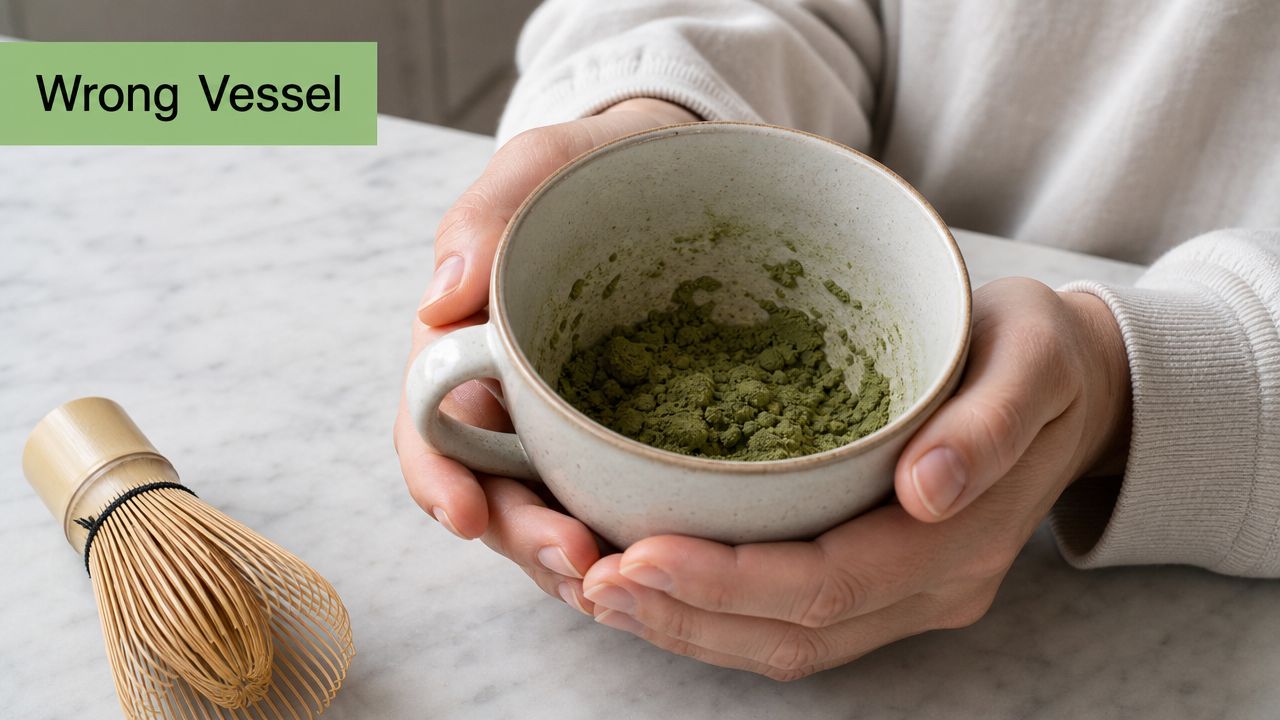
The takeaway is straightforward. A matcha bowl set is not about ceremony for ceremony's sake. It solves the basic mechanics that make matcha pleasant to drink, and that is why serious home drinkers and café operators keep coming back to the proper tools.
Components of a Matcha Bowl Set
A good matcha bowl set works like a small prep station. Each piece has a different job, and the fit between them matters more than the display shelf version of the set. In an Australian home kitchen, or behind a café bench during a morning rush, that fit is what makes the results repeatable.
The core tools and what they do
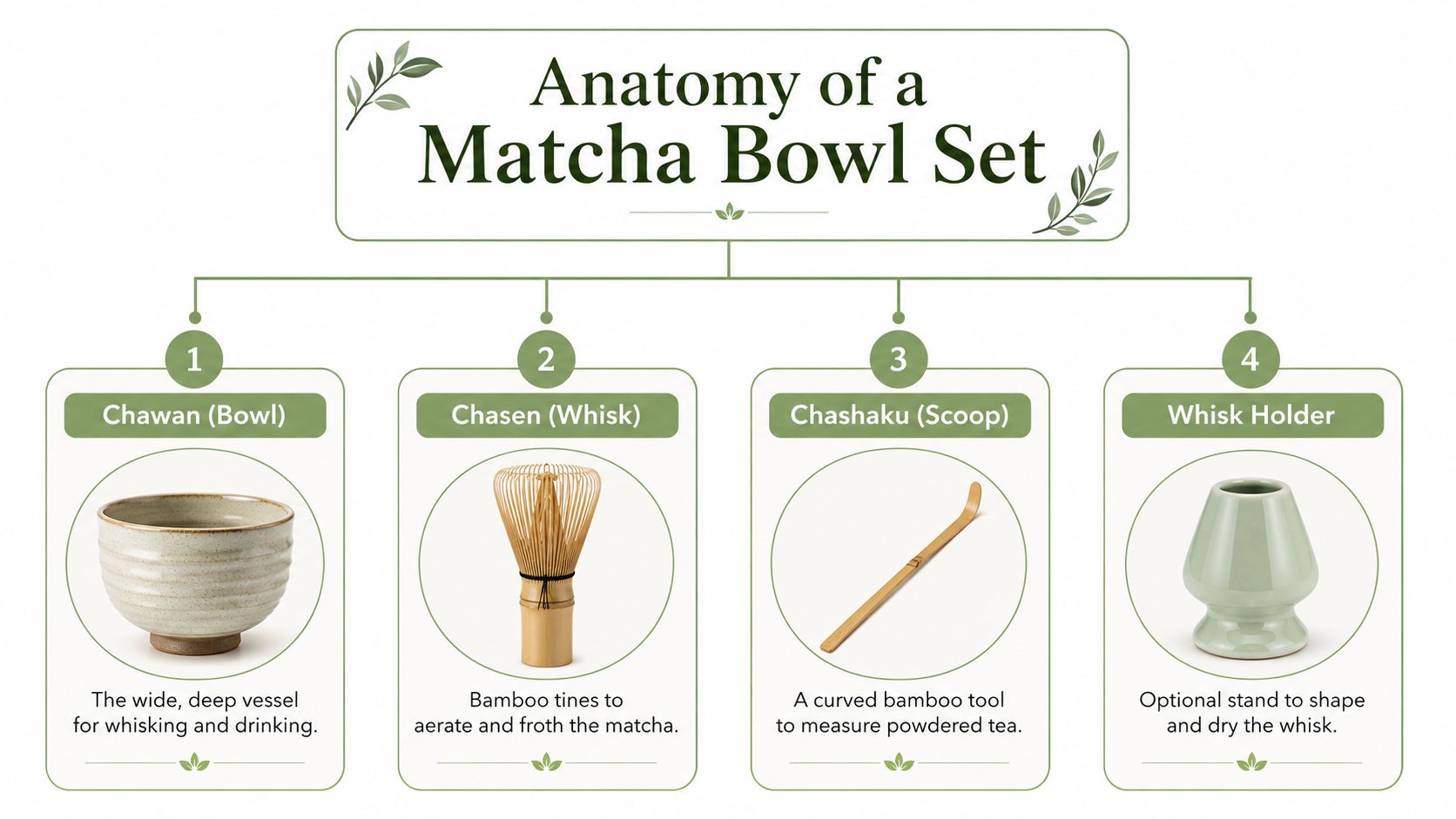
A chawan is the bowl itself. Its wide, rounded shape gives the whisk room to move, so the tea and water can stay in motion instead of collecting in one tight spot. That geometry is the practical reason a proper bowl outperforms a random ceramic bowl from the cupboard.
A chasen is the bamboo whisk. Its flexible tines whip air into the tea and create the light foam people expect from well-made matcha. A spoon can stir the liquid, but it cannot make the same texture because it does not sweep the surface in the same way.
A chashaku is the curved bamboo scoop. The scoop looks simple, yet it matters because dosing changes the feel of the drink very quickly. Too much matcha in a small bowl can leave you with a dense, bitter cup that is hard to smooth out, especially if you are making drinks one after another.
A whisk holder is optional, but it helps keep the whisk in shape as it dries. For anyone who uses the set often, it gives the tines a proper resting place instead of leaving them bent or splayed in a drawer.
If you want to compare the usual accessories before buying, the matcha tea accessories collection at PepTea is a practical reference point for seeing how the tools relate to one another.
The set works best as a system, not as a pile of separate items.
The same idea carries into the kitchen. Matcha sits comfortably alongside authentic Japanese home cooking recipes, especially when you are building a routine around simple preparation and consistent flavour.
The common mistake is treating the bowl as the only part that matters. The bowl sets the shape of the work, but the whisk, scoop, and holder are what make the process reliable. When the pieces match the task, the tea is easier to prepare well, whether you are making one cup at home or repeating the same method for customers in a café.
Choosing the Right Materials and Sizes
A matcha bowl can look beautiful on the shelf and still be awkward in the hand. The key test is whether it supports steady whisking, comfortable pouring, and repeatable results for the way you brew at home or serve in a café. For Australian buyers, those practical details usually matter more than surface style.
Material trade-offs that affect everyday use
Ceramic is the most familiar option. It usually feels stable in the hand and suits the rounded shape that matcha needs. Porcelain can feel smoother and lighter, while glass shows the colour of the tea clearly, but can feel less forgiving in a busy kitchen.
| Matcha Bowl Materials Comparison | Heat Retention | Durability | Best For |
|---|---|---|---|
| Ceramic | Good warmth and a solid hand feel | Generally sturdy, but can chip if knocked | Home use, café service, everyday matcha |
| Porcelain | Even, clean finish | Can be strong, but still needs careful handling | Presentation-focused serving |
| Glass | Lower heat feel and more visual clarity | More fragile in active kitchens | Display use and occasional home brewing |
The best material depends on where the bowl will live. A café bench, a home cupboard, and a gift box all call for different priorities. Choose based on your actual brewing routine, then check whether the bowl is easy to clean, easy to store, and able to handle a busy morning rush without feeling delicate. If you are comparing options across a wider set of tools, the matcha tea accessories range is a useful way to see how the bowl fits with the whisk and scoop.
Why size and rim width matter
A standard matcha bowl is typically 400 to 500 mL, with a rim around 4.5 to 5.5 inches, or roughly 12 to 15 cm, in diameter what is a matcha bowl. That size gives the whisk enough room to move without splashing. A bowl that is too narrow makes the whisk collide with the sides, which breaks the foam and slows you down. A wider opening gives the tines space to work, which is helpful whether you are making a single bowl at home or repeating the same method for customers in a café. As noted earlier, the bowl is built for small, precise servings where whisking and foam formation matter more than volume.
For a deeper practical view of how bowl shape supports daily tea routines, the material and sizing advice in the same matcha bowl set category is worth comparing with the way you already make drinks at home. If your routine leans toward pantry-friendly meals as well, the same logic applies to tools used across authentic Japanese home cooking recipes.
Buy for the way you brew, not for the most beautiful shelf photo.
Handmade pieces can be lovely, especially if you enjoy ritual and presentation. Mass-produced bowls can be more practical for cafés, shared kitchens, or anyone who needs stackability and predictable cleaning. A handmade bowl may suit the quiet pace of home preparation, while a sturdier, more uniform piece often works better where cups are made back to back. The right answer is the one that matches your usage, not the one that looks aspirational on day one.
Mastering the Basic Whisking Technique
A good matcha cup starts with the whisk, the bowl, and the water working together. In an Australian kitchen or café bench, the goal is repeatable texture, not a lucky first try.
The preparation flow
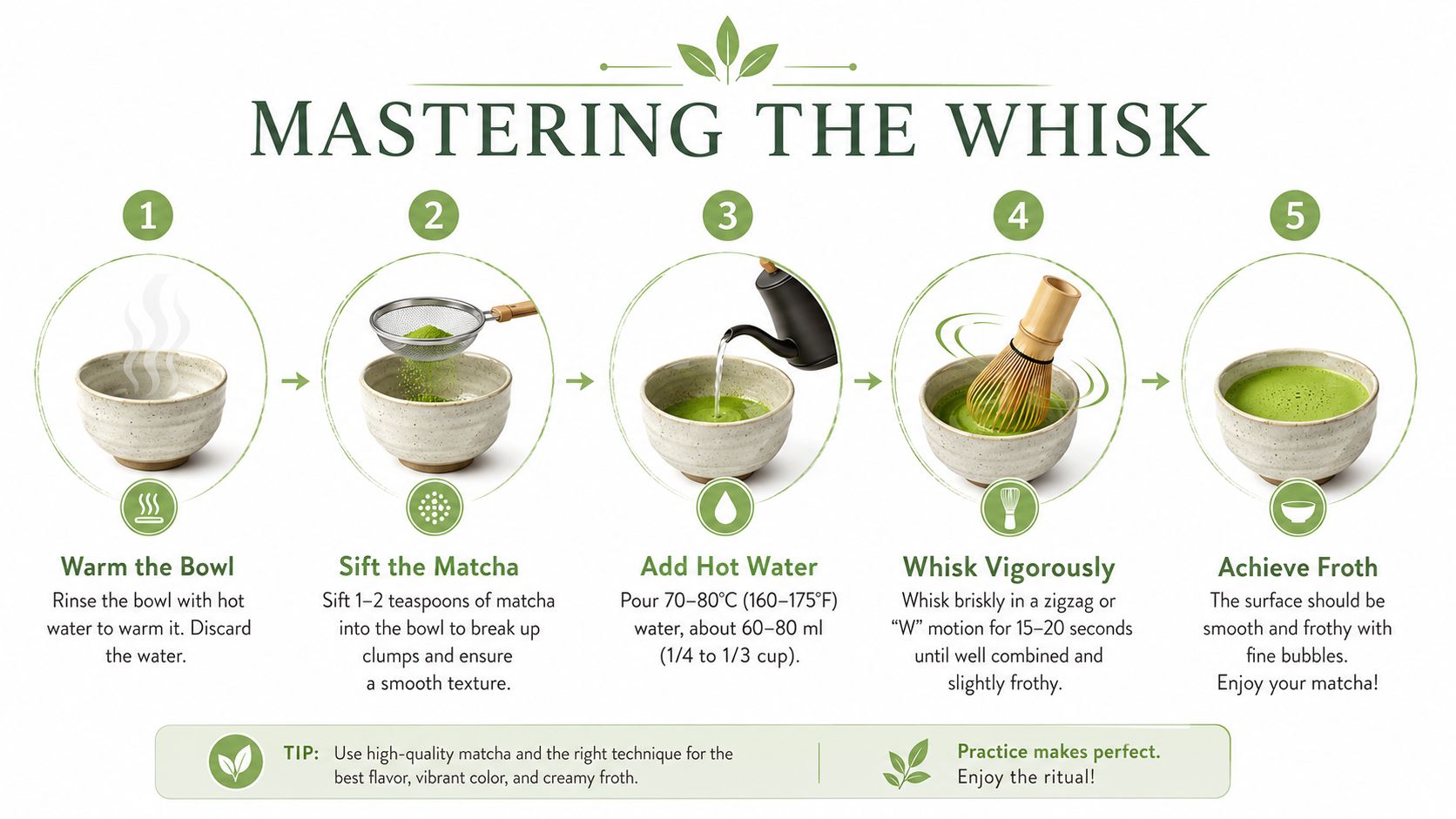
Warm the bowl first. A pre-warmed vessel gives you a more settled working surface, and it helps the whole process feel under control.
Sift 1 to 2 g of matcha into the bowl next. Matcha is a fine powder, so it clumps easily, much like cocoa left untouched in a dry tin. Sifting gives the whisk less work to do and helps the drink finish smoother.
Add 60 to 80 mL of water at 60 to 70°C. Water that is too hot can push the flavour into a sharper, harsher place, especially if you are still learning how much pressure your whisk needs. The cooler range helps keep the taste cleaner.
Whisk in a W-shaped motion for 10 to 15 seconds. Use quick, light movements rather than force. The bamboo tines need space to move across the bowl, and a well-shaped bowl keeps them from scraping the sides, which helps build a more even foam.
If you want to see the motion before trying it yourself, the tutorial at how to whisk matcha shows the W-shaped whisking pattern at a steady pace, so you can match the rhythm while you practise.
Common mistakes and quick fixes
- If the tea looks grainy: you probably skipped sifting or stopped whisking too soon.
- If it tastes bitter: the water may have been too hot, or the matcha dose may be too heavy.
- If the surface stays flat: the bowl may be too narrow, or the whisk motion may be too circular.
- If it splashes out: the vessel is likely too small for the movement you are using.
A lot of beginners stir matcha like instant coffee. That approach leaves clumps behind and gives you weak foam. The whisk needs room, the bowl needs clearance, and the tea needs a short, decisive burst of motion.
For a fuller walkthrough of hand position and rhythm, the guide on how to whisk matcha is a practical companion. That same method also holds up when you are making drinks for guests or refining café service, because it gives you texture you can repeat instead of guessing from cup to cup.
Picking the Perfect Set for Your Situation
The best set for one person isn't always the best set for another. A home drinker, a café operator, and a gift buyer each care about different things, and the smartest purchase reflects that.
For home baristas
If you're making matcha most mornings, choose a set that's easy to clean and forgiving while you learn. A medium-sized bowl with a comfortable grip and a whisk that feels flexible is usually a better choice than an ornate showpiece. Storage matters too, especially in smaller kitchens where stackability can be a real bonus.
For café operators
Cafés need repeatable texture, fast cleaning, and a bowl that can handle frequent use. Durability matters more than decorative detailing, and the bowl should sit steadily on a bench during service. Whisk compatibility is essential, because the wrong bowl slows down preparation and makes foam quality less consistent across multiple serves.
For gift buyers
Presentation counts here. A set that arrives neatly packaged, looks polished, and includes a short guide for use tends to feel more complete. The recipient shouldn't have to guess which tool does what.
The best gift set is the one that helps someone make a good cup on the first try.
A simple way to think about it is this:
- Home use: prioritise easy cleaning and a bowl that feels comfortable in the hand.
- Café use: prioritise durability, consistency, and whisk clearance.
- Gifting: prioritise presentation, clear components, and user-friendly guidance.
If you're shopping for home use, it's easy to overbuy on extras you won't touch. If you're buying for a café, it's just as easy to under-invest and end up replacing tools too soon. A balanced matcha bowl set saves more time than it costs because it matches the job in front of you.
Caring for Your Matcha Tools
Bamboo and ceramic both last longer when you treat them gently. The maintenance routine is simple, and it pays off quickly because the tools stay usable and look better for longer.
A routine that actually fits real life
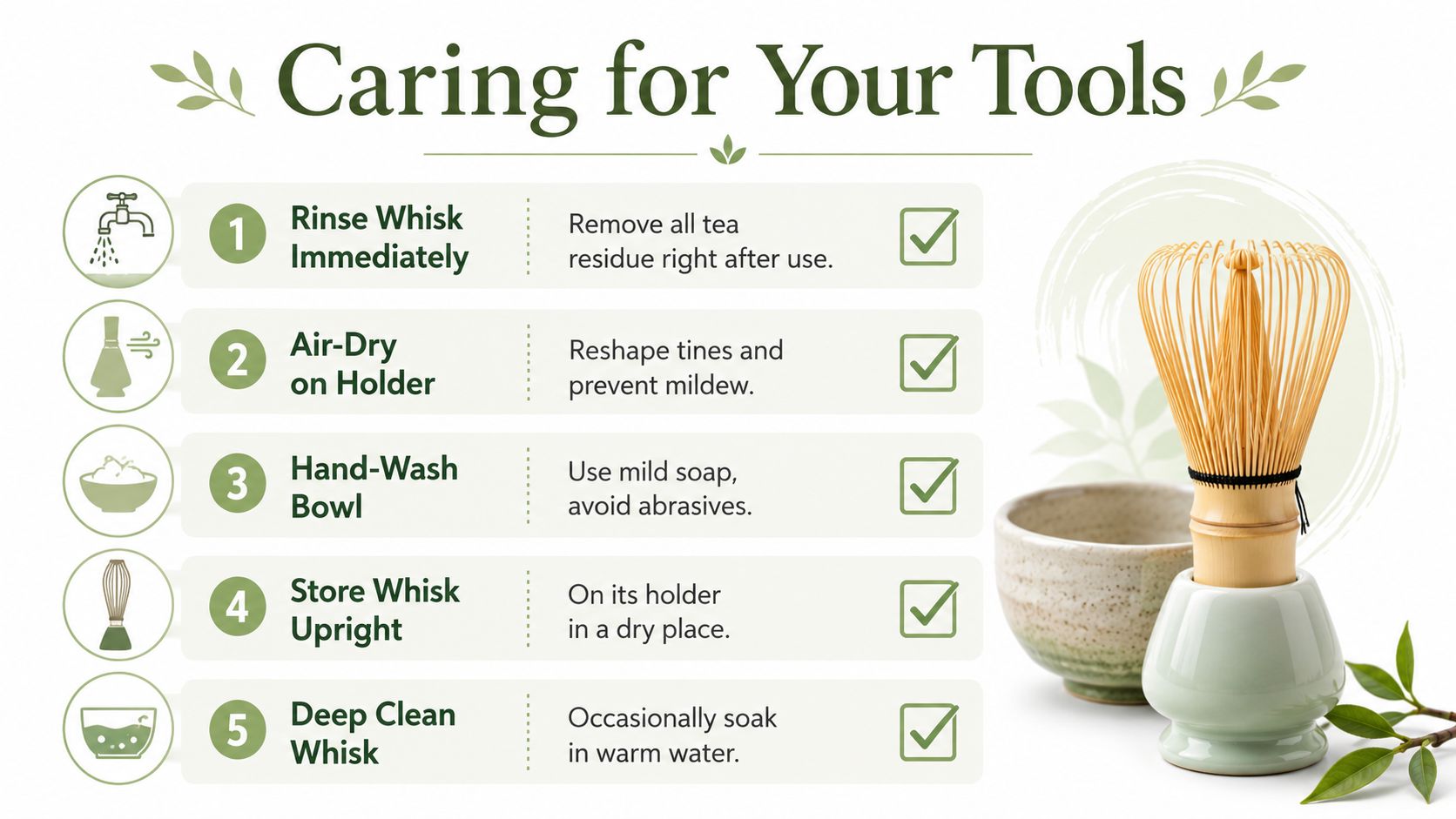
Rinse the whisk right after use. Matcha dries fast, and once it sets into the tines, it becomes harder to remove without bending them. Let the whisk air-dry on a holder so the shape stays open instead of collapsing inward.
Wash the bowl by hand with mild soap and a soft sponge. Abrasive pads can dull the finish and make stains more obvious over time. For stubborn residue, warm water and a little patience usually do the job without damaging the surface.
Store the whisk upright in a dry place. Bamboo doesn't like being left damp, especially in humid conditions. In Australian homes, that matters in summer, when moisture can linger longer than you expect.
For a practical storage option, a dedicated matcha whisk stand like the one at PepTea helps the tines keep their shape between uses.
Signs it's time to replace a tool
- Bent whisk tines that no longer spring back properly.
- Persistent staining or odour that survives normal cleaning.
- Chipped bowl edges that make the vessel awkward or unsafe to use.
- Loose or splintering bamboo that no longer feels comfortable in the hand.
The point of good care is not perfection, it's longevity. A few deliberate habits take less time than replacing damaged tools, and they help your set stay ready for daily brewing instead of becoming a drawer of half-used accessories.
Creative Recipes Using Your Matcha Set
A good bowl set earns its place because it's useful beyond the classic hot serve. The same whisking technique gives you a better base for iced drinks, blended drinks, and even baking.
Three easy ways to use it
For an iced matcha latte, whisk matcha with a small amount of warm water first, then pour it over ice and top with milk. Starting with a smooth matcha base matters because the cold drink won't hide clumps later. The bowl helps you build that base properly instead of relying on a spoon and hoping for the best.
For a matcha smoothie, whisk the powder with water first before blending it with fruit, yoghurt, or milk. That tiny prep step improves dispersion and keeps the colour and flavour more even through the drink.
For matcha baking, sift the powder before adding it to batter. The bowl and whisk help you break it down first, which gives cakes, biscuits, and slice batter a cleaner flavour and more even colour.
PepTea's organic matcha works well as a base here because a consistent powder makes the result easier to repeat. That matters whether you're making one serve for yourself or scaling a recipe for a small café menu.
Good matcha prep is a foundation, not a finish line.
If you're entertaining, just keep the same ratios and multiply the servings. A proper bowl set gives you a dependable starting point, which is exactly what you want when drinks need to come out looking and tasting the same.
Your Next Steps to Better Matcha
The right decision comes down to four things, bowl geometry, whisk compatibility, technique, and whether the set fits the way you drink matcha. Once those pieces line up, the drink gets easier to prepare and more satisfying to serve.
If you're starting from scratch, choose a bowl with enough width for the whisk to move freely, a bamboo whisk that feels flexible in hand, and a scoop that helps you keep the dose consistent. If you already own a bowl but keep getting clumps or weak foam, the problem is usually not the powder alone. It's often the vessel, the motion, or the way the tools fit together.
For home drinkers, the safest upgrade is usually a practical, easy-care set that removes friction from the morning routine. For cafés, the better move is durability and consistency, because those two things affect every cup that leaves the bench. For gifts, look for clear presentation and tools that help the recipient succeed quickly.
A matcha bowl set doesn't need to be complicated to be effective. Once you understand what each piece is doing, you can make better matcha with less guesswork and more confidence. Explore Pep Tea's organic matcha range and the matching tools that help turn a powder into a proper cup.
A CTA for Pep Tea.