
Tag: kombucha flavours
Kombucha Recipes Australia: 8 Easy Flavour Ideas
Why does kombucha so often get poured straight from the bottle and forgotten? It's already tangy and fizzy, but a few thoughtful additions can turn it into a proper brunch drink, a barbecue cooler or a café mocktail without burying its flavour under syrup.
These kombucha recipes in Australia are built around local tastes and ingredients, from summer mango to lemon myrtle and wattleseed. You'll find quick drinks for a busy afternoon alongside a home-brewed ginger second ferment for anyone ready to get hands-on.
Kombucha is fermented tea made with sugar and a SCOBY, short for a symbiotic culture of bacteria and yeast. The culture helps ferment the sweet tea, creating the drink's characteristic tang. Meanwhile, more Australians are looking for low-sugar drinks and appealing non-alcoholic choices, whether they're hosting a backyard barbecue or updating a café menu. Ready-to-pour bottled kombucha makes the quick recipes easy; for home brewing, good hygiene and careful fermentation matter. Let's get pouring.
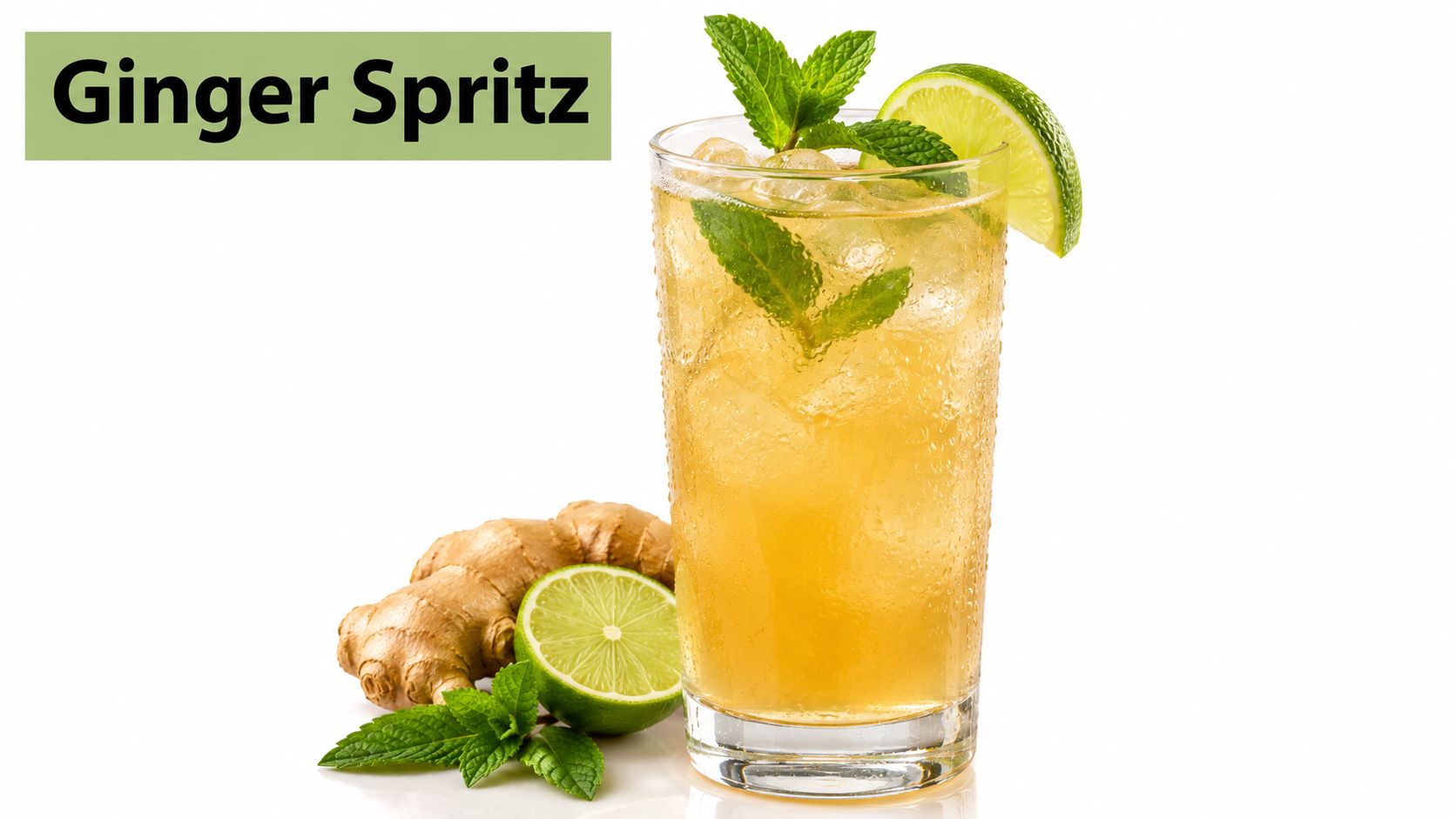
1. Ginger Kombucha Spritz
Ginger kombucha has enough character to make a spritz feel special without a long ingredient list. Pour a chilled bottle of PepTea's sugar-free Ginger Kombucha into a tall glass filled with crushed ice. Add a squeeze of lime, clap a few mint leaves between your palms to release their aroma, then stir gently.
Keep the fizz: Chill the kombucha before pouring, and add lime just before serving. Ice and citrus are refreshing; a flat spritz is less so.
This is an easy introduction for anyone who hasn't tried kombucha before. Ginger brings gentle warmth, while the lime and mint keep the drink bright. Serve it at a Sunday gathering as a non-alcoholic alternative to a gin spritz, or offer it beside iced matcha drinks as a simple house mocktail. For a more polished look, add a thin ginger coin rather than sweetening the glass.
The recipe is easy to adjust: use more lime for a sharper finish, or more mint for a fresher aroma. There's no need to add cordial. Kombucha already brings acidity and bubbles, and the ginger flavour does the rest.
For another way to serve kombucha in mixed drinks, browse our kombucha cocktail ideas.
2. Lime and Ginger Kombucha Cooler
For a backyard barbecue, serve this zesty cooler with plenty of ice, fresh lime wheels and gently muddled basil. Combine PepTea's Lime and Ginger Kombucha with the lime, then finish with a little lime zest for a fresh citrus aroma.
Press the basil just enough to release its oils. Too much muddling can make the leaves taste bitter. Keep the kombucha cold and add it just before serving so the drink stays lively while guests settle in.
This cooler works as a lighter alternative to lemonade or sugary cordial, and it fits easily on a café's non-alcoholic menu. For a broader mocktail menu, the ROCKS Whiskey Chilling Stones Mule guide offers another drink idea to consider. Serve the cooler in tall glasses, or set out lime and basil in a dispenser and add the kombucha when it's time to pour.
Taste before adding sweetener. The citrus and ginger already give the drink plenty of character; if it needs more lift, squeeze in fresh lime rather than reaching for syrup.
3. Mango Kombucha Iced Tea
Mango and tea make a sunny, easygoing match. For a quick jug, combine chilled green tea with PepTea's sugar-free Mango Kombucha, then pour over ice and garnish with fresh mango. The tea softens the kombucha's tang; the mango brings a rounded fruit flavour that feels right at a summer brunch or in a café's non-alcoholic drinks section.
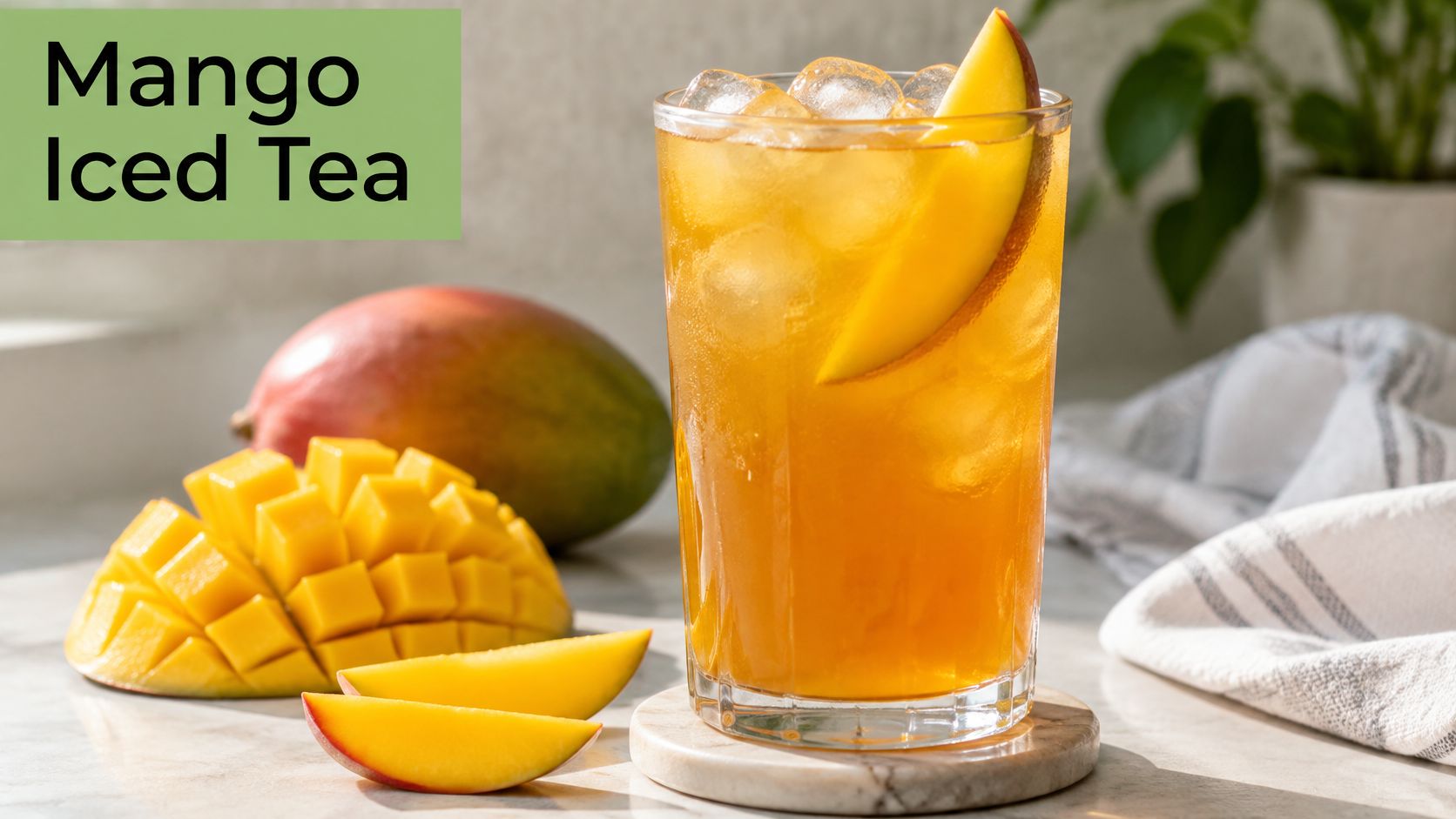
Frozen mango chunks are useful here: they chill the drink without diluting it as they melt. For a green, tea-forward variation, whisk a little matcha with water until smooth before adding it to the jug. Don't tip matcha powder straight into the cold drink, unless you enjoy chasing stubborn green lumps around a glass.
For a jug on the table: Keep the kombucha chilled and add it just before serving. Guests can top up their glasses without the first pour losing its sparkle.
This is a flexible recipe for households that want something more interesting than ordinary iced tea. Add extra green tea for a softer, less tangy result, or let the mango kombucha lead for a fruitier drink. A reusable glass is lovely for a picnic; if you prefer disposable straws, these paper straw sizing and durability tips can help you choose one that suits the glass.
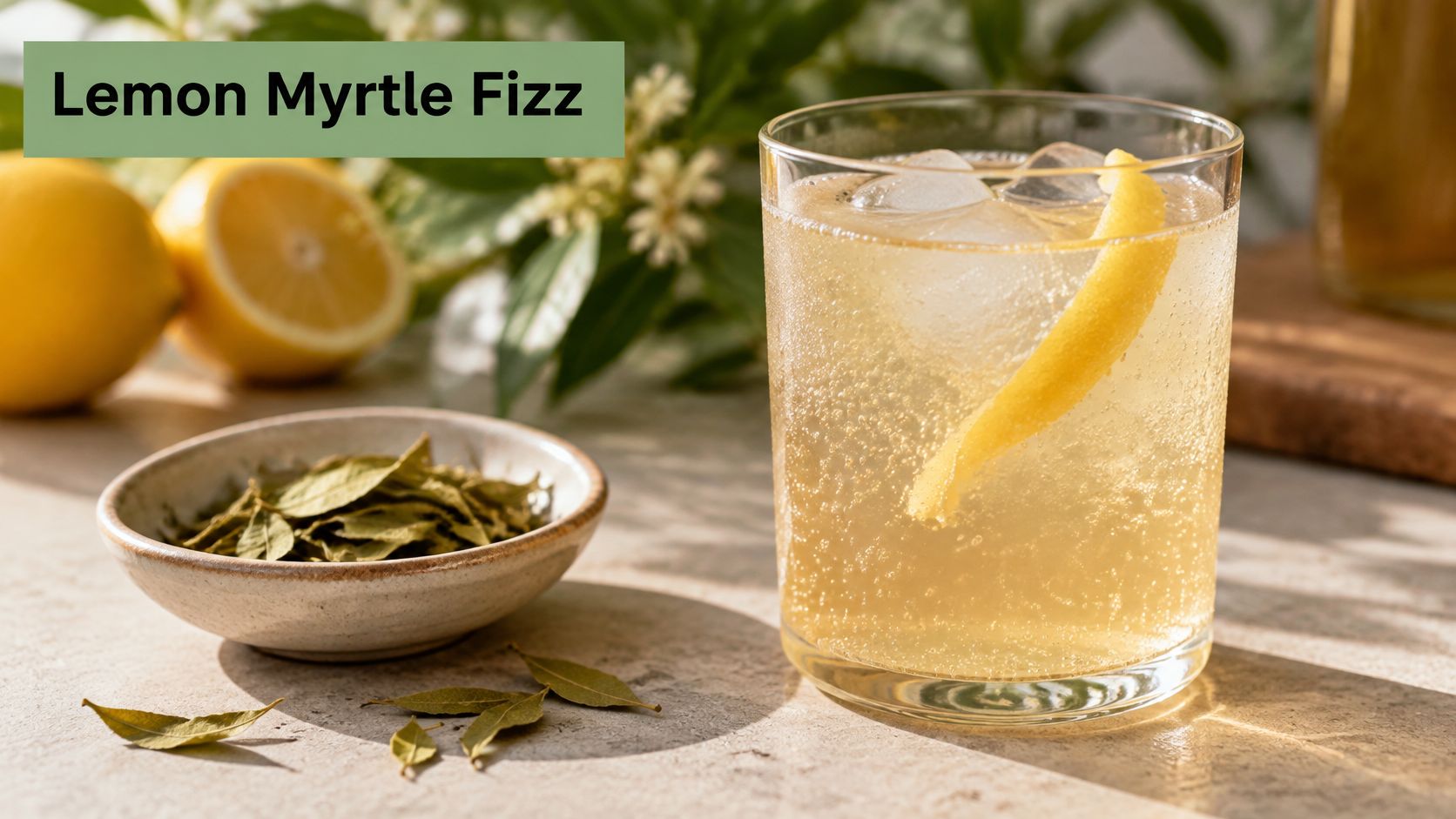
4. Lemon Myrtle Kombucha Fizz
Lemon myrtle brings a distinctly Australian, lemony aroma to a glass of kombucha. To make a quick fizz, infuse a small pinch of dried lemon myrtle in a little warm water, then let the infusion cool completely. Strain it into a glass of chilled plain or lightly flavoured kombucha, add ice, and finish with a lemon slice.
Start with a small amount and taste before adding more. Lemon myrtle can be assertive, and a heavy hand can turn a bright, herbal drink into something that tastes like a cupboard of dried leaves. Straining the infusion well also helps keep the finish clean.
This native-ingredient drink works as a regional café special or a refreshing pour for an Australia Day gathering. For a home-brewed version, add a carefully measured lemon myrtle infusion during a second ferment, then monitor the bottles as they carbonate. The quick glass method is easier to control, especially if you're just getting to know the ingredient.
Serve the fizz with a simple garnish rather than piling on extra flavours. Lemon myrtle has enough personality to carry the drink, and kombucha gives it the tart, sparkling base.
5. Kombucha Matcha Fizz
This is a lively choice for an afternoon café menu: chilled kombucha with a smooth layer of matcha. Sift organic matcha into a small bowl, whisk it with a little warm water until there are no lumps, then pour the mixture into a glass. Slowly add chilled kombucha and ice. A careful pour can leave the drink beautifully layered; stirring it gives you a more even, grassy flavour.
Use ceremonial-grade matcha when you want its clean taste to stand out in a simple drink. Culinary-grade matcha suits bolder combinations or recipes where other flavours take the lead. Either way, start with a modest amount and adjust to taste. Too much matcha can make the drink overly grassy, while poor whisking leaves clumps that no amount of cheerful stirring can rescue.
The fizz makes this a refreshing alternative to a coffee break, though matcha contains caffeine and the amount in your glass depends on how much you use. Pair it with a light lunch or serve it as a signature café drink beside the Ginger Spritz. For more on how matcha and kombucha can fit into a tea routine, explore our guide to green tea benefits, matcha and kombucha.
6. Strawberry and Basil Kombucha Spritz
Strawberries and basil bring a fresh, fragrant character to a brunch spritz. Lightly muddle a few ripe strawberries in the bottom of a glass, add ice and pour over chilled kombucha. Finish with basil leaves, clapped between your hands to release their aroma. If you prefer a clear drink, strain the strawberry mixture before adding the kombucha; leave the fruit in for a softer, more rustic look.
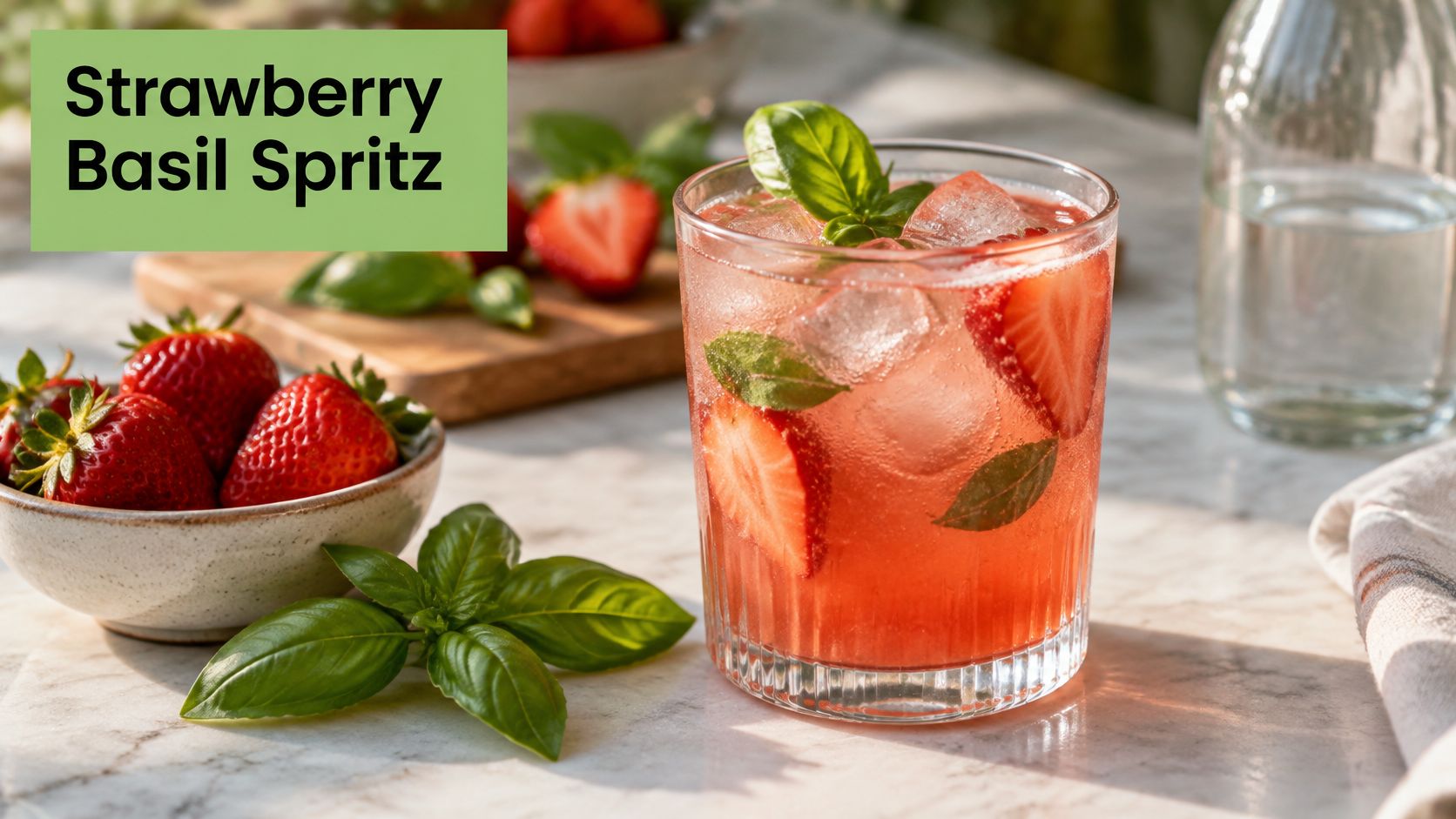
Muddle gently. The aim is to release a little juice, not turn the berries into a thick purée that settles at the bottom. If the strawberries are already sweet and ripe, let them do the sweetening rather than adding syrup. Kombucha's tang keeps the drink lively, and the fruit makes it feel like a treat without needing a juice-heavy base.
This recipe suits a spring lunch, a weekend brunch or a café menu that needs a colourful non-alcoholic option. Make each glass to order for the freshest bubbles, or prepare the strawberry and basil mixture in advance and add the kombucha at serving time. That little bit of timing pays off: sparkling drinks are best when the fizz is still in the glass, not hiding in the jug.
7. Wattleseed and Honey Kombucha Tonic
Wattleseed adds a toasted, coffee-like flavour that makes kombucha feel at home in cooler weather. Whisk a little ground wattleseed into warm water until smooth, let it cool, then stir it into chilled kombucha. Add honey at the end, tasting as you go. The goal is to round out the tang, not turn the drink into a sweetened tonic.
This Australian bush-food-inspired combination works as a seasonal café special or a farmers' market drink. For a warming version, gently warm the wattleseed infusion and honey, then pour them into a mug and top with kombucha once the mixture has cooled. Avoid boiling kombucha; high heat can damage its live cultures and drive off the sparkle. If you want a hot drink, make the wattleseed and honey infusion on its own instead.
Ground wattleseed can clump if you add it straight to cold liquid, so whisking it first makes a smoother finish. Keep the garnish simple and serve in a small glass or mug, where the nutty aroma can come through. It's an unusual flavour pairing, but that's the fun of it: a little native ingredient can give a familiar fermented drink a local accent.
8. Homemade Ginger Kombucha Second Ferment
A second ferment is the hands-on option for home brewers who want fresh ginger flavour and more carbonation. Start with properly fermented kombucha, then transfer it to clean, pressure-rated bottles and add freshly grated ginger. Seal the bottles and monitor them as they carbonate. The yeast and bacteria continue working in the bottle, which is why both flavour and pressure can build.
Use clean equipment throughout, and don't treat the calendar as a substitute for checking the brew. In Australian home brewing, the sweet tea infusion needs careful handling: Food Standards Australia New Zealand guidance advises cooling it from approximately 60°C to 20°C within 2 hours, adding a proven starter promptly, and fermenting until the beverage reaches pH 4.2 or lower. It describes a typical finished pH of at least 2.5 and a typical alcohol safety target of less than 1%. Taste alone can't confirm these measures, so use a calibrated pH meter and appropriate alcohol testing when needed.
Handle bottles carefully: Check them daily, keep them away from children and pets while they're fermenting, and refrigerate them once the fizz is where you want it. Open cautiously over a sink.
Sealed bottles can continue fermenting, increasing both alcohol and pressure. In a national Australian survey of kombucha and other fermented soft drinks, Food Standards Australia New Zealand reported that alcohol could rise during shelf life. That's a practical reason to keep records and chill bottles after carbonation reaches your preference.
For more on controlled bottling and flavouring, see our guide to kombucha second fermentation.
8 Kombucha Recipes at a Glance
| Recipe | Base kombucha | Flavour profile | Best occasion | Difficulty |
|---|---|---|---|---|
| Ginger Kombucha Spritz | Sugar-free ginger kombucha | Tangy, gently warm, and refreshing | Everyday refreshment or gatherings | Easy |
| Lime and Ginger Kombucha Cooler | Lime and ginger kombucha | Zesty, crisp, and ginger-forward | Barbecues, picnics, or lunch | Easy |
| Mango Kombucha Iced Tea | Mango kombucha | Fruity, smooth, and lightly tangy | Summer brunch or an afternoon treat | Easy |
| Lemon Myrtle Kombucha Fizz | Plain or lightly flavoured kombucha | Bright citrus aroma with herbal notes | Australia Day or a native-foods feature | Moderate |
| Kombucha Matcha Fizz | Plain or lightly flavoured kombucha | Grassy, vegetal, tangy, and sparkling | Midday refreshment or an afternoon energy break | Moderate |
| Strawberry and Basil Kombucha Spritz | Chilled ginger or plain kombucha | Fruity, lightly sweet, and herbal | Brunch or a light lunch | Easy |
| Wattleseed and Honey Kombucha Tonic | Plain or lightly flavoured kombucha | Toasty, nutty, and gently sweet | Cooler months or a seasonal café special | Moderate |
| Homemade Ginger Kombucha Second Ferment | Finished plain kombucha | Strong ginger flavour with lively natural fizz | Home brewing or a house-made café drink | Advanced |
From Bottle to Glass: Your Next Pour
New to kombucha? Start with the Ginger Spritz. Pour chilled kombucha over ice, then add lime and mint. The ginger and fermentation tang stay at the centre, and you can adjust the additions to suit your taste.
For café menus, the Lime and Ginger Cooler and Kombucha Matcha Fizz offer different non-alcoholic options. The cooler suits lunch service, while matcha brings a tea-forward flavour and a vivid colour. Serve both chilled, and make sparkling drinks close to order to preserve their bubbles. If you sell house-fermented kombucha, check alcohol levels and labelling rather than assuming tartness means the drink is non-alcoholic.
Home brewers ready for a next step can try the ginger second ferment after getting comfortable with SCOBY care and clean equipment. Use bottles designed to handle fermentation pressure, add ginger carefully and monitor carbonation. Keep notes on flavour and fermentation conditions, then refrigerate the batch when it reaches your preferred fizz. If something seems wrong, taste alone cannot confirm that a batch is safe.
Lemon myrtle, wattleseed and summer mango give these recipes an Australian flavour, whether you're pouring for a barbecue, brunch or café menu. Start with small additions so the kombucha's own flavour still comes through.
Pep Tea offers sugar-free organic kombucha flavours including Ginger, Lime and Ginger, and Mango, alongside an organic matcha range. Its kombucha is brewed in a purpose-built, HACCP-accredited brewery in NSW, making it an Australian-made option for home drinks and hospitality menus. Explore the flavours and try a recipe at Pep Tea.
Pour one at your next brunch or barbecue and see what a few fresh ingredients bring to the glass.
Best Kombucha for Beginners How to Choose Your First Bottle

You're standing in front of a supermarket fridge, surrounded by bright labels, cloudy bottles and flavour names that sound more like cocktail menus than tea. One says ginger, another promises berries, and a third highlights live cultures in large lettering. You want to try kombucha, but you also want to know what you're buying.
The best kombucha for beginners isn't necessarily the bottle with the boldest wellness claim or the most unusual flavour. A better starting point is a drink with a clear label, modest sweetness, manageable acidity, familiar flavour and transparent alcohol information. Once you know what to check, choosing becomes much less mysterious.
Australia's kombucha category is expanding into more shops and cafés. The market was estimated at USD 218.3 million in 2024 and is projected to reach USD 765.8 million by 2033, with a projected 15.0% CAGR from 2025 to 2033, according to Grand View Research's Australia kombucha market report. That means beginners have more choice than ever, but more choice also makes label literacy useful.
Introduction to Your First Kombucha Experience
A first bottle can feel like a small decision with too many variables. You might be choosing between a sweet drink that resembles soft drink, a sharp fermented tea, or a cloudy bottle with visible strands floating at the bottom. None of those details automatically means the product is good or bad, but they can change whether your first taste feels refreshing or overwhelming.
Start by deciding what you want from the experience. If you're replacing sugary soft drinks, a bright citrus or ginger style may feel familiar. If you usually drink sparkling water, you may prefer a drier, cleaner kombucha with less sweetness. If you enjoy strong iced tea, a more pronounced tea base could be appealing, although tartness may take some getting used to.
The Australian market gives beginners a useful advantage. Conventional, lightly flavoured kombucha products are the largest revenue segment, according to Grand View Research. That suggests a simple first bottle is often easier to find than an experimental one, whether you're shopping at a supermarket, specialty grocer or local café.
This guide follows a practical path. First, you'll learn how sweet tea becomes fizzy fermented tea. Then you'll look at realistic wellness expectations, sugar, acidity, sediment, storage and alcohol by volume. Finally, you'll match flavour and serving style to your own palate.
The aim isn't to turn you into a fermentation scientist before your first sip. It's to give you a calm filter for choosing a bottle that tastes good, fits your preferences and doesn't leave important label questions unanswered.
What Kombucha Is and How It Gets Its Fizz
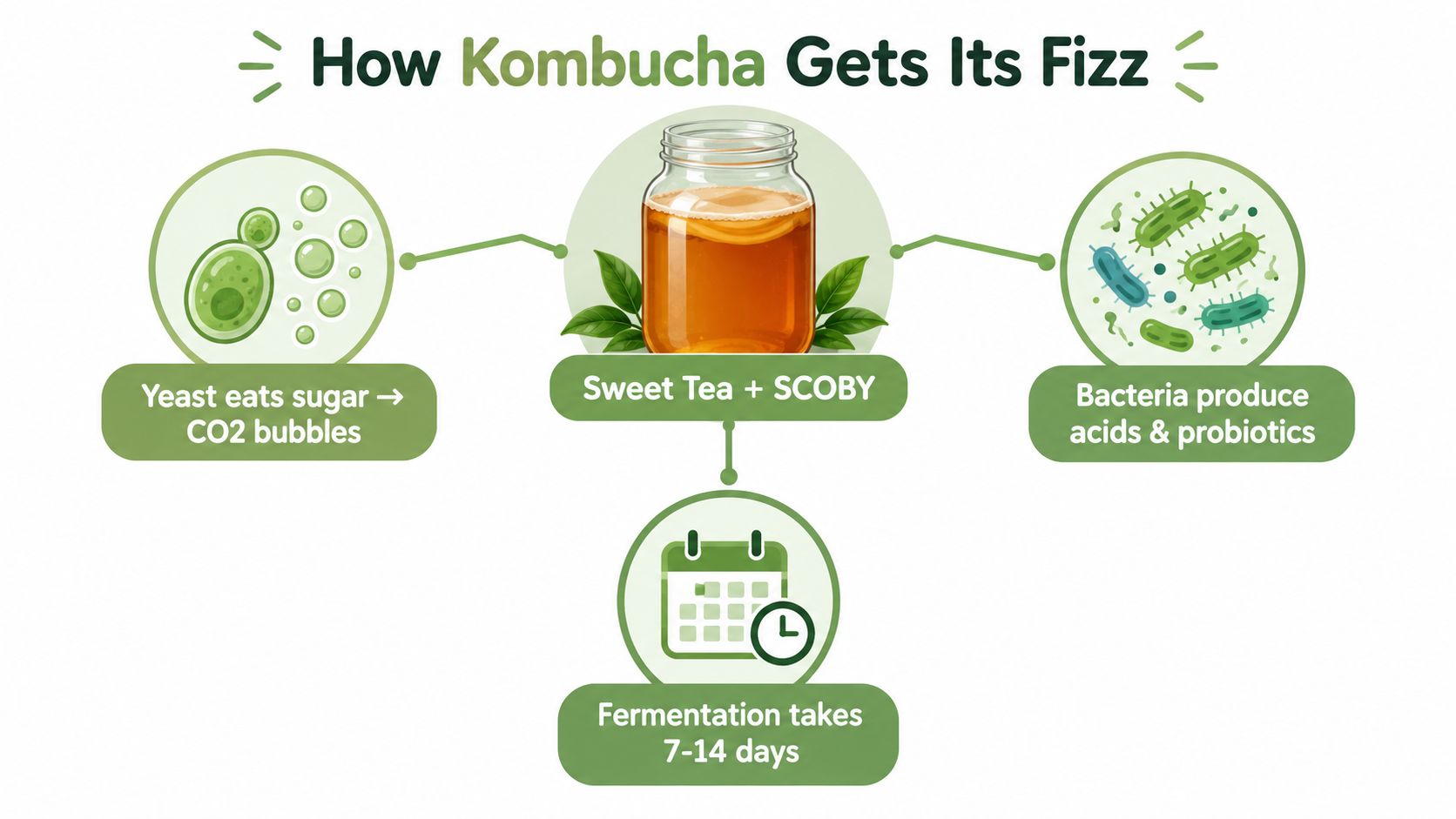
Kombucha begins as sweetened tea, usually made with black tea, green tea or a blend. A SCOBY is added to the cooled tea. SCOBY stands for symbiotic culture of bacteria and yeast, which is a community of microorganisms that transforms the drink during fermentation.
A useful kitchen analogy is yoghurt. Milk starts as a familiar ingredient, then cultures change its flavour and texture. Kombucha follows a different process, but the basic idea is similar. Microorganisms consume some of the available sugar and produce new compounds, including acids and carbon dioxide.
Kombucha is fermented tea. The SCOBY changes sweet tea into a tart, lightly sparkling drink with a flavour shaped by the tea, sugar, fermentation and added ingredients.
Yeast generally helps create carbon dioxide, the gas responsible for natural fizz. Bacteria contribute to the formation of organic acids, which give kombucha its characteristic tang. The finished drink can therefore range from gently sweet and soft to dry, sharp and distinctly vinegary.
Why the same drink can taste so different
Several details influence the final bottle:
- Tea base: Black tea can bring deeper, malty notes, while green tea often tastes lighter and more delicate.
- Fermentation progress: More fermentation can reduce sweetness and increase tartness.
- Flavour additions: Ginger, lime, mango, berries, herbs and citrus can soften, brighten or intensify the fermented character.
- Bottle handling: Continued fermentation can affect carbonation, flavour and alcohol content if the product isn't stored as directed.
Acidity is central to the experience. Published kombucha samples have been measured around pH 3.0, and a low pH helps explain why first-time drinkers may find the drink sharply tart. Some finished samples contained very little residual sugar, including 1.11 g/L sucrose, 1.87 g/L glucose and 0.05 g/L fructose, as reported in CHOICE's kombucha guidance.
Sediment is another normal point of confusion. A small amount of cloudiness or sediment can come from tea particles, flavour ingredients or fermentation material. It doesn't automatically indicate poor quality, but a beginner who wants a smooth drink may find a low-sediment style more approachable.
What Beginners Should Realistically Expect From Kombucha
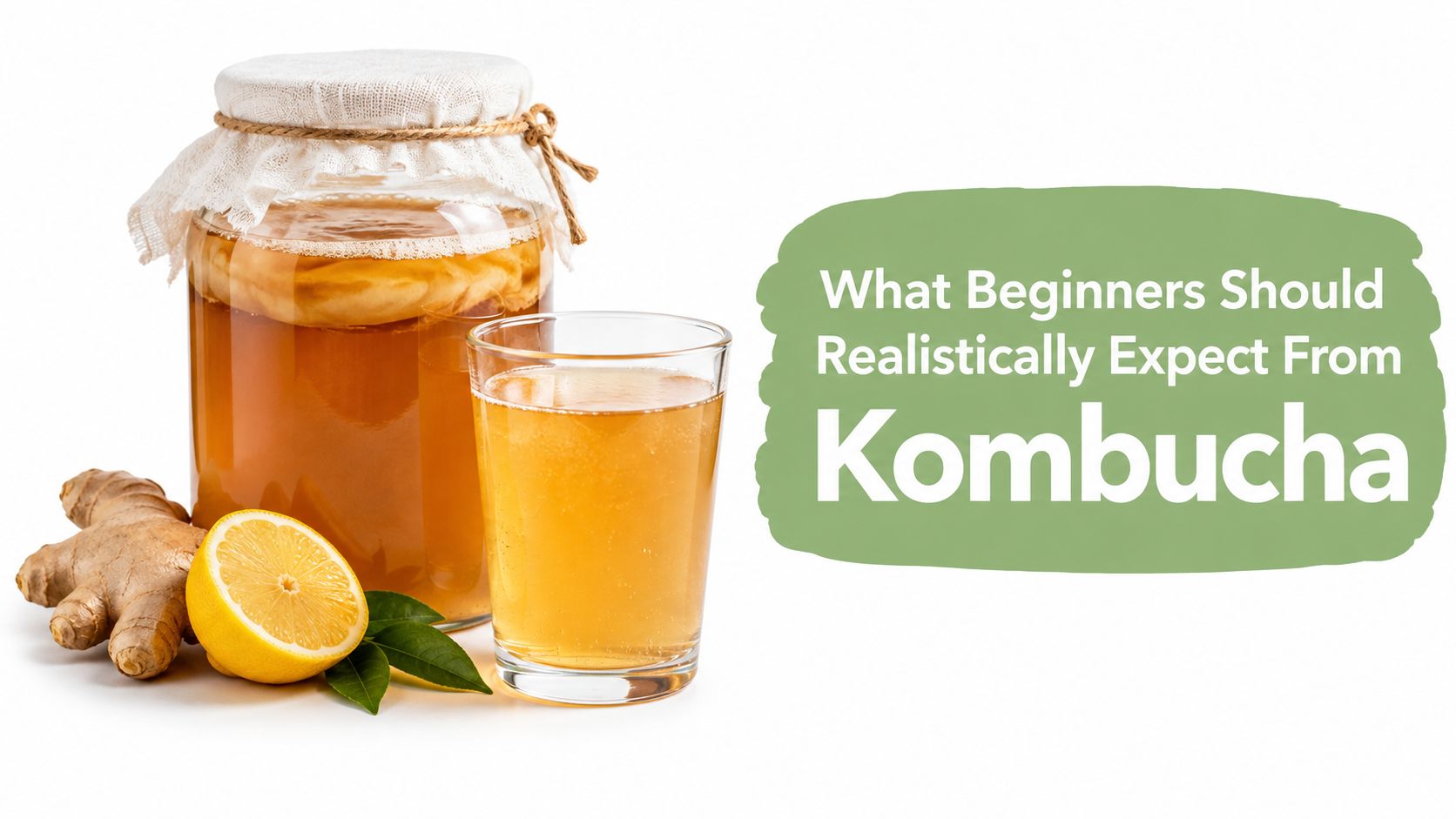
Your first bottle may taste closer to a tart sparkling tea than to soft drink. Kombucha can replace soft drink, juice or an alcoholic beverage, but it is not a guaranteed wellness solution. It may contain live cultures and acids created during fermentation, although the strength and relevance of health claims differ between products and human evidence remains limited. For a fuller look at what the drink can and cannot do, read the benefits of kombucha.
Australian coverage has pointed out that many kombucha health claims come from laboratory or animal research. A review discussed by ABC News found no clear scientific basis for common claims about mental-health benefits. Kombucha can still be an enjoyable drink. Choose your first bottle for its taste, ingredients and label clarity, rather than promises that sound medical.
A better definition of “healthy”
A sensible beginner choice has:
- A sugar level you're comfortable drinking regularly
- An ingredient list you can understand
- A flavour you'll enjoy
- Storage directions that are easy to follow
- Alcohol information that matches your needs
That checklist gives you more useful information than a front label mentioning probiotics. “Live cultures” signals that fermentation has occurred, but it does not tell you whether the drink will be sweet, sharp, cloudy, low in sugar or suitable for your alcohol requirements.
You may also encounter the informal term “cowboy kombucha”, usually describing fermentation with inconsistent control. Homemade kombucha is not automatically unsafe. The practical concern is assessment. Without reliable control of ingredients, acidity, storage and alcohol, a beginner has fewer clear signals about what is in the drink.
The best starter bottle is the one you can understand and enjoy, not the one making the biggest promise.
A low-sugar kombucha can taste more tart when fermentation has progressed further, so less sugar does not necessarily mean a milder drink. If plain kombucha tastes too sharp, try a familiar flavour, chill it thoroughly and pour a small glass to enjoy with food. A low-sediment style can also make the first experience feel more like drinking a clear, flavoured refresher than an unfamiliar fermented mixture.
How to Read the Label and Choose a Beginner Friendly Bottle
The front of a bottle is designed to attract attention. The back label helps you decide whether the drink suits you. Read it in a consistent order, beginning with the nutrition panel and ingredient list rather than the flavour name.
Start with sugar and ingredients
Check the sugar per 100 ml first. Lower sugar can be useful if you're replacing sweet drinks, but it may also come with more noticeable acidity. Compare products within the same category and think about whether you want a daily refresher or an occasional treat.
Next, read the ingredients. Tea, sugar, a fermentation culture, fruit, spices and natural flavour ingredients are easier to assess than a long list of vague additions. Organic certification can also matter if you prefer certified-organic ingredients, although it doesn't remove the need to check sugar, acidity or alcohol information.
Look for clues about texture and taste. A low-sediment style is often easier to drink straight, especially if you're not used to fermentation. Clear storage directions are equally important because kombucha can continue changing when it's handled or stored incorrectly.
Don't assume kombucha is alcohol-free
This is the label check many beginner guides overlook. In a federal survey of fermented soft drinks, 35.2% of samples were below 0.5% ABV, 41.9% were between 0.5% and 1.15% ABV, and sales of kombucha reportedly rose 174% over three years, according to the Australian fermented beverages issues paper.
The same Australian material reported that 64% of tested fermented beverage products were above 0.5% ABV, 25% were above 1.15% ABV, and 15% of alcoholic products had no alcohol warning. Because the figures cover fermented beverages broadly, they shouldn't be treated as the profile of every kombucha bottle. They do show why beginners should verify rather than assume.
NSW Health explains that drinks above 0.5% alcohol by volume must carry an alcohol-content statement under the Australia New Zealand Food Standards Code. In NSW, products above 1.15% ABV are legally considered alcoholic drinks. This matters if you're driving, pregnant, avoiding alcohol for religious reasons or buying drinks for children.
| What to Check | Beginner Friendly Signal | Proceed with Caution |
|---|---|---|
| Sugar | A lower level that suits your normal drinking habits | Very sweet taste or a product that resembles soft drink |
| Ingredients | Clear tea, fermentation and flavour ingredients | Vague or difficult-to-understand descriptions |
| Acidity | A flavour profile described as balanced or gentle | Strong vinegar-like notes if you're new to kombucha |
| Sediment | Smooth or low-sediment appearance | Heavy sediment if texture makes you hesitant |
| Live cultures | Clearly explained fermentation or culture information | Marketing language with no useful product detail |
| ABV | A clearly stated alcohol percentage and storage advice | No clear alcohol statement where you need certainty |
| Storage | Refrigeration instructions that are easy to follow | A bottle stored warm when the label requires chilling |
Before placing a bottle in your basket, use this quick phone checklist:
- Check sugar per 100 ml.
- Scan the ingredient list.
- Look for ABV information.
- Confirm refrigeration and use-by guidance.
- Choose a familiar flavour.
- Pick the smaller commitment if you're uncertain.
The NSW Food Authority's testing also found that 7 products, or 11% of the tested sample, exceeded 1.15% ABV and were non-compliant, and all seven were kombucha, as recorded in its 2022–23 annual food testing report. That finding reinforces a simple rule: label transparency isn't a bonus. It's part of choosing responsibly.
Flavour and Style Guide for First Time Drinkers
Your usual drink preferences can guide your first kombucha choice. Someone who loves lemonade may enjoy citrus or lime. A person who drinks ginger beer might appreciate a warming ginger style. If you normally choose unsweetened sparkling water, a dry, lightly flavoured kombucha may feel closer to home.
Match your palate to a flavour family
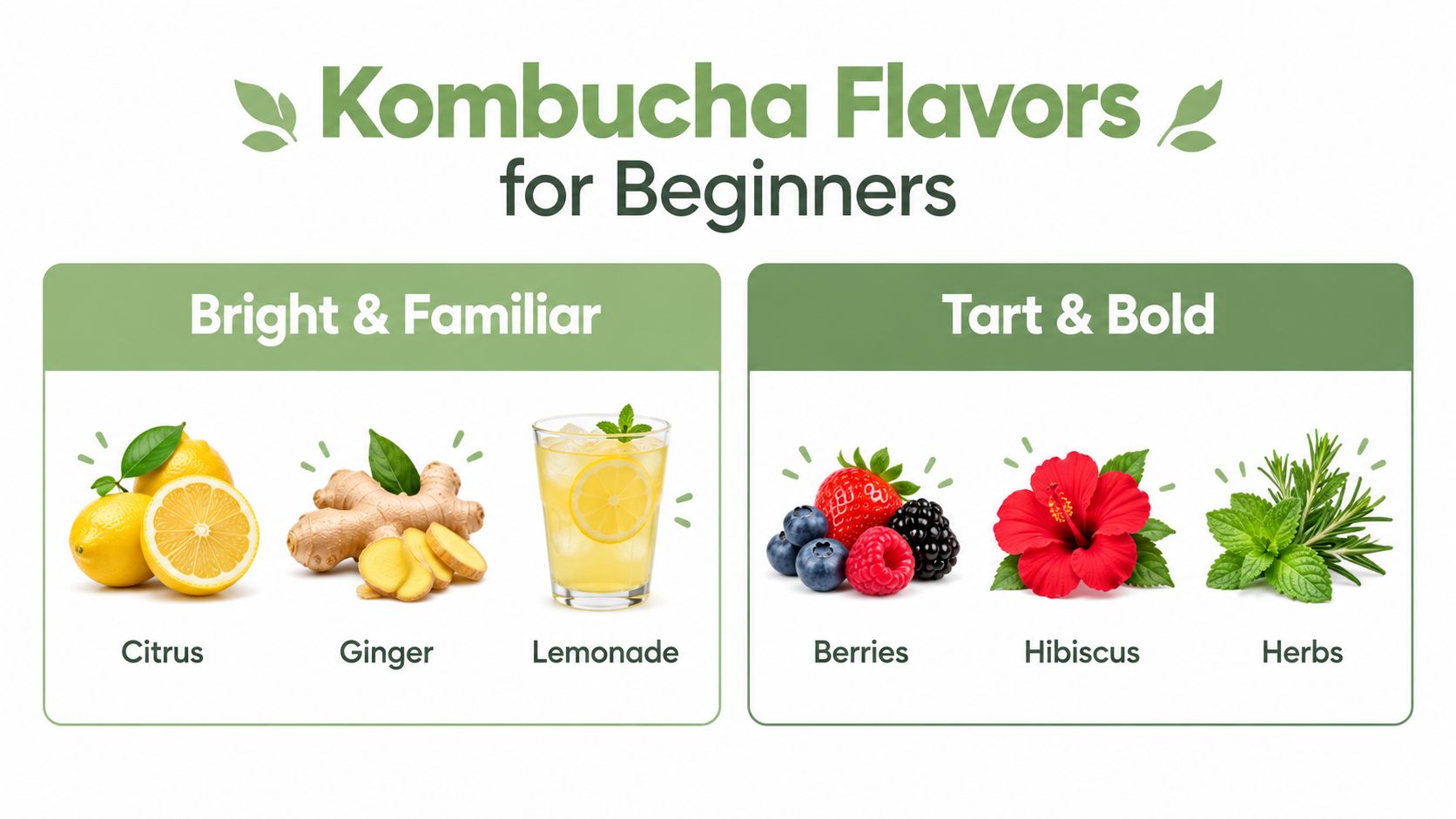
Bright and familiar flavours are often the easiest entry point. Ginger brings warmth and a gentle bite, while lime can add a clean, refreshing edge. A Ginger or Lime & Ginger kombucha may work well for someone who wants character without jumping straight into a strongly tart berry or herbal profile.
Tropical flavours such as mango can feel rounder and more recognisable to people who prefer fruit drinks. Mango may be a comfortable choice for a soft-drink drinker, although you should still check the sugar panel rather than assuming a fruit flavour is low in sugar.
Tart and bold flavours can be rewarding once you know you enjoy kombucha's acidity. Berry, hibiscus and herbal combinations may taste sharper, more aromatic or more complex. They're not inferior choices, but they can hide less of the fermented character for a first-time drinker.
Tea base changes the background flavour. Green tea can give a lighter, fresher impression, while black tea can create deeper tea notes. Neither is automatically more suitable. The better choice depends on whether you prefer delicate or fuller flavours.
Taste it like a café drink
Pour the kombucha into a small glass rather than drinking straight from the bottle. This lets you notice the colour, aroma, bubbles and sediment before the flavour reaches your palate.
Serve it chilled and take a small sip. Wait a moment before deciding. Acidity can feel stronger when you take a large mouthful, while a cold, measured pour often makes the drink seem cleaner and more refreshing.
Try it with food if the first sip feels intense. Salty snacks, a light lunch or a fresh sandwich can make tart flavours feel more balanced. You can also dilute a strongly flavoured kombucha with sparkling water, although that will soften both the flavour and the fizz.
If you're choosing between a familiar flavour and an adventurous one, start familiar. Once you know how your preferred bottle tastes, you can explore bold blends with much more confidence.
Serving Storing and Enjoying Kombucha Every Day
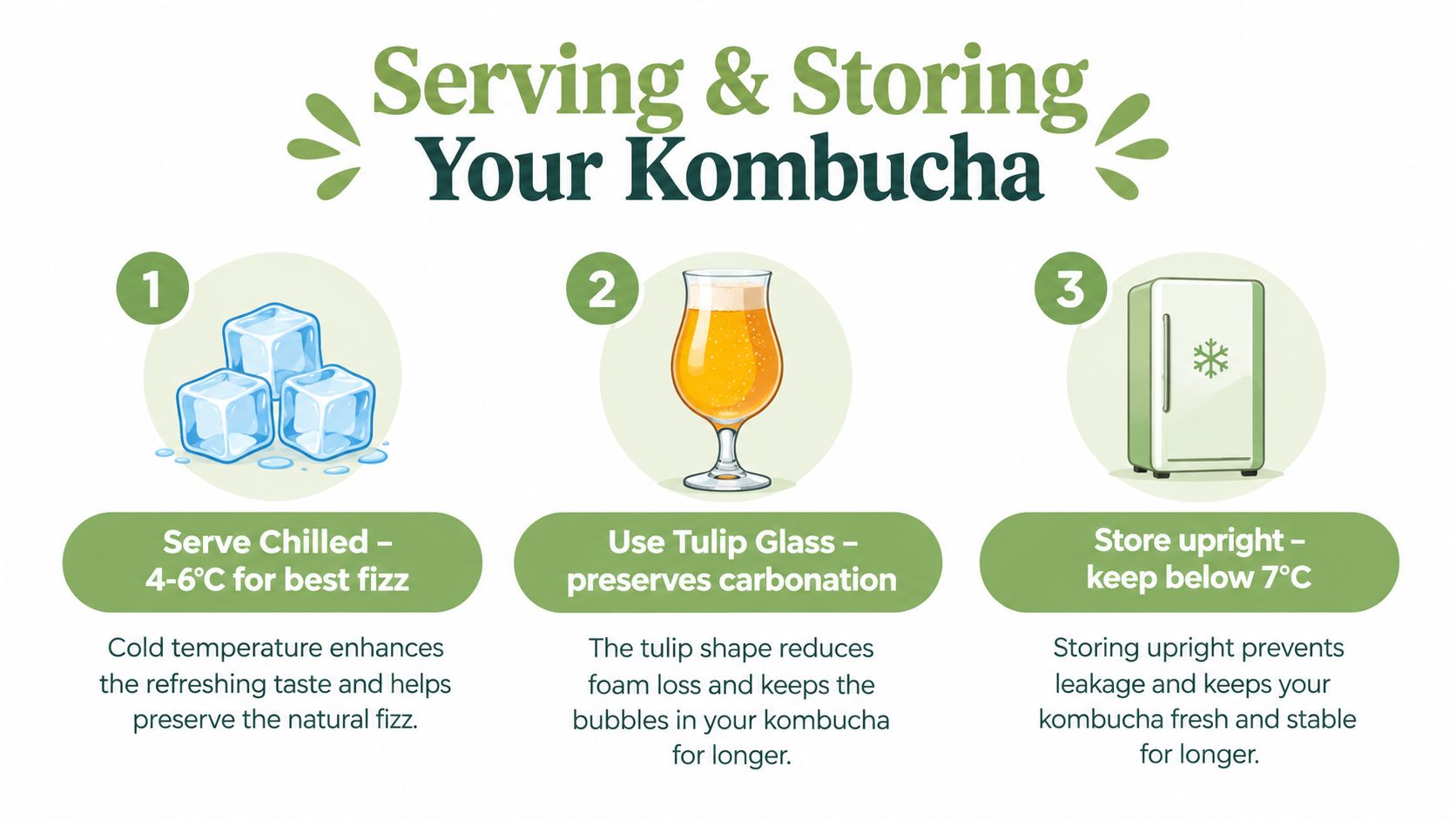
Kombucha is at its easiest when you treat it like a chilled sparkling drink, not a complicated wellness ritual. Refrigerate it as directed, avoid shaking the bottle and pour gently to protect the carbonation.
Serve it cold in a small tulip-shaped glass if you have one. The narrower opening helps hold the aroma and gives the bubbles a little room to rise without immediately disappearing. You don't need special equipment, though. A clean glass and a careful pour make a noticeable difference.
Keep the bottle stable
Fermentation is ongoing biology, so storage affects the drink. Australian kombucha guidance says the tea infusion begins around pH 5, should be cooled quickly from 60°C to 20°C within 2 hours, and should be inoculated with the SCOBY as soon as possible to begin acid production. The guidance identifies pH 4.2 or less as the target for the drink to no longer be potentially hazardous, while a final pH of 2.5 or higher is typical for safe consumption, as outlined in Australian kombucha guidance.
Those production controls aren't something a supermarket customer needs to recreate at home, but they explain why storage instructions matter. Keep commercial kombucha refrigerated when the label says to do so, store it upright where practical and check the bottle before opening.
For more practical guidance, use Pep Tea's kombucha storage guide. If a bottle looks unusually pressurised, smells unpleasant rather than pleasantly tart, or has packaging damage, don't force the issue. Follow the manufacturer's advice or ask the retailer.
Make it part of ordinary occasions
Kombucha can fit into routines without becoming a health assignment:
- Afternoon alternative: Pour it over ice when you want something more interesting than water.
- Soft-drink swap: Choose a lower-sugar style with a flavour you already enjoy.
- Café serve: Offer chilled kombucha in a glass with citrus for a polished non-alcoholic menu option.
- Mixer base: Combine it with sparkling water, herbs or fruit for a simple alcohol-free drink.
- Granita ingredient: Freeze a flavoured kombucha in a shallow tray, scrape it with a fork and serve the ice crystals as a refreshing dessert.
Share the bottle with family or friends if you're still learning what you like. A tasting pour makes it easier to compare ginger, lime, mango or berry styles without committing to a full serving of a flavour that doesn't suit you.
Your Simple Plan to Pick the Best First Bottle
Choosing the best kombucha for beginners comes down to three filters.
First, look for a lower-sugar, low-sediment profile if you want a smooth everyday drink. Lower sugar may mean more tartness, so choose a familiar flavour to keep the first experience approachable.
Second, insist on a clear label. Check ingredients, storage instructions and ABV information. If you need to avoid alcohol completely, don't rely on the word “kombucha” or a general impression that fermented soft drinks are automatically alcohol-free.
Third, pick a flavour that matches something you already enjoy:
- If you like lemonade or sparkling water, try lime or citrus.
- If you like ginger beer, begin with Ginger or Lime & Ginger.
- If you prefer fruit drinks, Mango may feel familiar.
- If you enjoy sour or complex flavours, explore berry, hibiscus or herbal blends.
Start with one chilled bottle, pour a small glass and give your palate time to adjust. The first sip doesn't need to be a verdict on all kombucha. It's information about the balance of tea, sweetness, acidity and fizz you prefer.
For Australian shoppers, Pep Tea's guide to finding organic kombucha is a useful place to explore locally available options. PepTea offers Australian-brewed sugar-free organic kombucha from the Hunter Valley, NSW, including Ginger, Lime & Ginger and Mango styles, so beginners can compare familiar flavours while keeping label transparency and sugar levels in view.
Explore Pep Tea's organic Matcha and Australian-brewed sugar-free organic Kombucha range at Pep Tea, and choose a chilled flavour that suits your palate and everyday routine. If you run a café or hospitality venue, contact the team about practical wholesale options for premium non-alcoholic drinks.