
Tag: kombucha recipes australia
Kombucha Recipes Australia: 8 Easy Flavour Ideas
Why does kombucha so often get poured straight from the bottle and forgotten? It's already tangy and fizzy, but a few thoughtful additions can turn it into a proper brunch drink, a barbecue cooler or a café mocktail without burying its flavour under syrup.
These kombucha recipes in Australia are built around local tastes and ingredients, from summer mango to lemon myrtle and wattleseed. You'll find quick drinks for a busy afternoon alongside a home-brewed ginger second ferment for anyone ready to get hands-on.
Kombucha is fermented tea made with sugar and a SCOBY, short for a symbiotic culture of bacteria and yeast. The culture helps ferment the sweet tea, creating the drink's characteristic tang. Meanwhile, more Australians are looking for low-sugar drinks and appealing non-alcoholic choices, whether they're hosting a backyard barbecue or updating a café menu. Ready-to-pour bottled kombucha makes the quick recipes easy; for home brewing, good hygiene and careful fermentation matter. Let's get pouring.
1. Ginger Kombucha Spritz
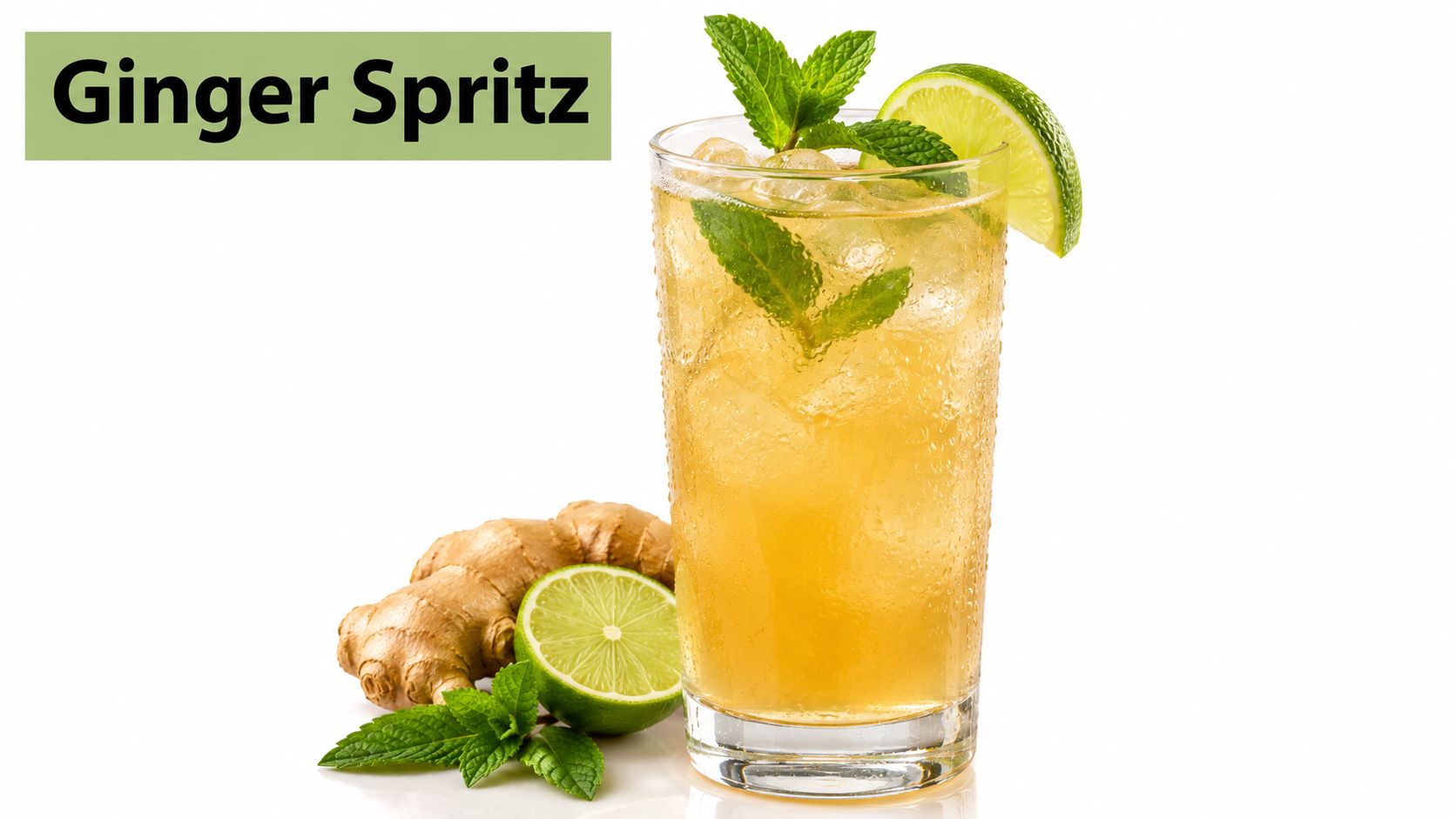
Ginger kombucha has enough character to make a spritz feel special without a long ingredient list. Pour a chilled bottle of PepTea's sugar-free Ginger Kombucha into a tall glass filled with crushed ice. Add a squeeze of lime, clap a few mint leaves between your palms to release their aroma, then stir gently.
Keep the fizz: Chill the kombucha before pouring, and add lime just before serving. Ice and citrus are refreshing; a flat spritz is less so.
This is an easy introduction for anyone who hasn't tried kombucha before. Ginger brings gentle warmth, while the lime and mint keep the drink bright. Serve it at a Sunday gathering as a non-alcoholic alternative to a gin spritz, or offer it beside iced matcha drinks as a simple house mocktail. For a more polished look, add a thin ginger coin rather than sweetening the glass.
The recipe is easy to adjust: use more lime for a sharper finish, or more mint for a fresher aroma. There's no need to add cordial. Kombucha already brings acidity and bubbles, and the ginger flavour does the rest.
For another way to serve kombucha in mixed drinks, browse our kombucha cocktail ideas.
2. Lime and Ginger Kombucha Cooler
For a backyard barbecue, serve this zesty cooler with plenty of ice, fresh lime wheels and gently muddled basil. Combine PepTea's Lime and Ginger Kombucha with the lime, then finish with a little lime zest for a fresh citrus aroma.
Press the basil just enough to release its oils. Too much muddling can make the leaves taste bitter. Keep the kombucha cold and add it just before serving so the drink stays lively while guests settle in.
This cooler works as a lighter alternative to lemonade or sugary cordial, and it fits easily on a café's non-alcoholic menu. For a broader mocktail menu, the ROCKS Whiskey Chilling Stones Mule guide offers another drink idea to consider. Serve the cooler in tall glasses, or set out lime and basil in a dispenser and add the kombucha when it's time to pour.
Taste before adding sweetener. The citrus and ginger already give the drink plenty of character; if it needs more lift, squeeze in fresh lime rather than reaching for syrup.
3. Mango Kombucha Iced Tea
Mango and tea make a sunny, easygoing match. For a quick jug, combine chilled green tea with PepTea's sugar-free Mango Kombucha, then pour over ice and garnish with fresh mango. The tea softens the kombucha's tang; the mango brings a rounded fruit flavour that feels right at a summer brunch or in a café's non-alcoholic drinks section.
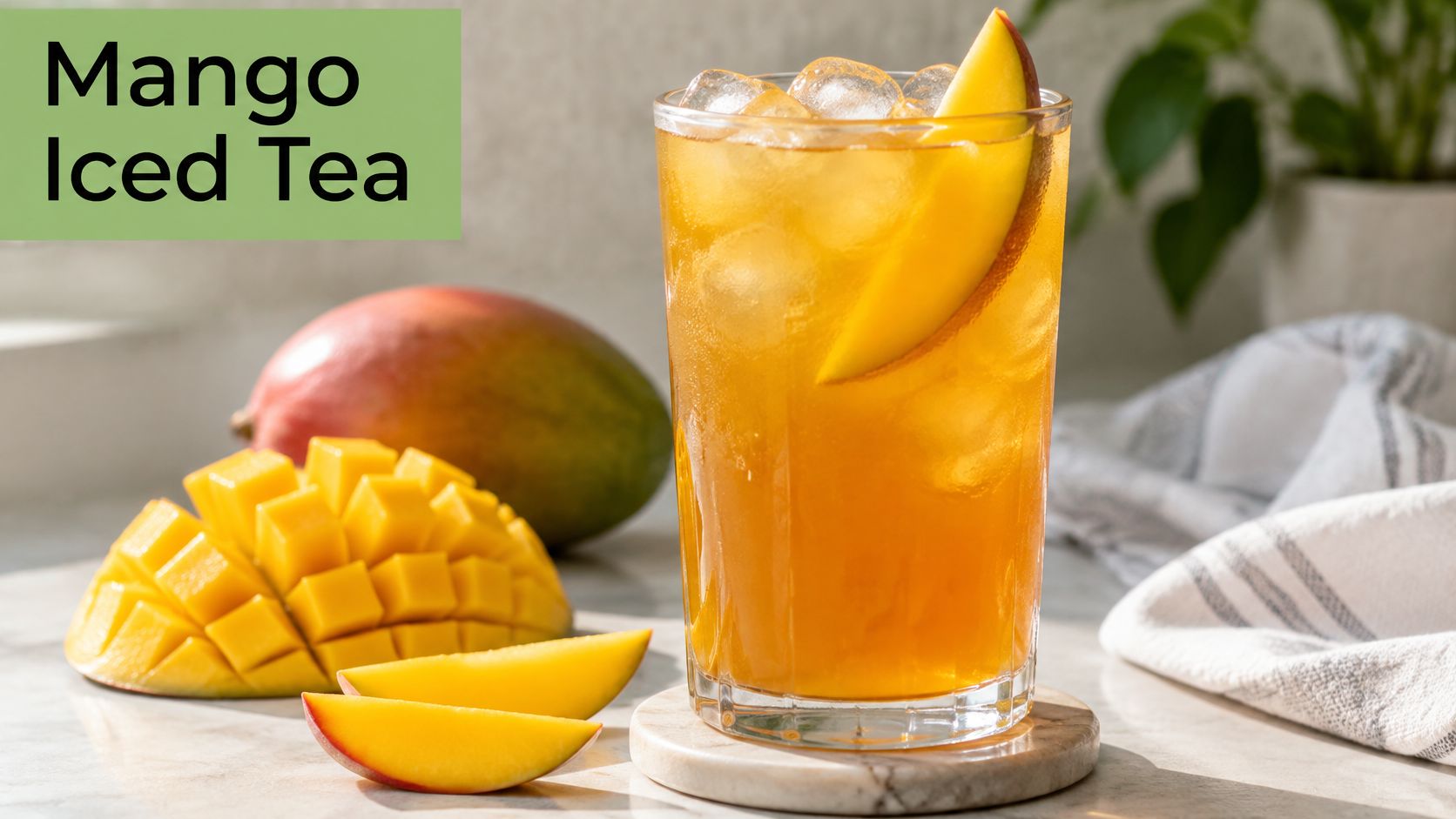
Frozen mango chunks are useful here: they chill the drink without diluting it as they melt. For a green, tea-forward variation, whisk a little matcha with water until smooth before adding it to the jug. Don't tip matcha powder straight into the cold drink, unless you enjoy chasing stubborn green lumps around a glass.
For a jug on the table: Keep the kombucha chilled and add it just before serving. Guests can top up their glasses without the first pour losing its sparkle.
This is a flexible recipe for households that want something more interesting than ordinary iced tea. Add extra green tea for a softer, less tangy result, or let the mango kombucha lead for a fruitier drink. A reusable glass is lovely for a picnic; if you prefer disposable straws, these paper straw sizing and durability tips can help you choose one that suits the glass.
4. Lemon Myrtle Kombucha Fizz
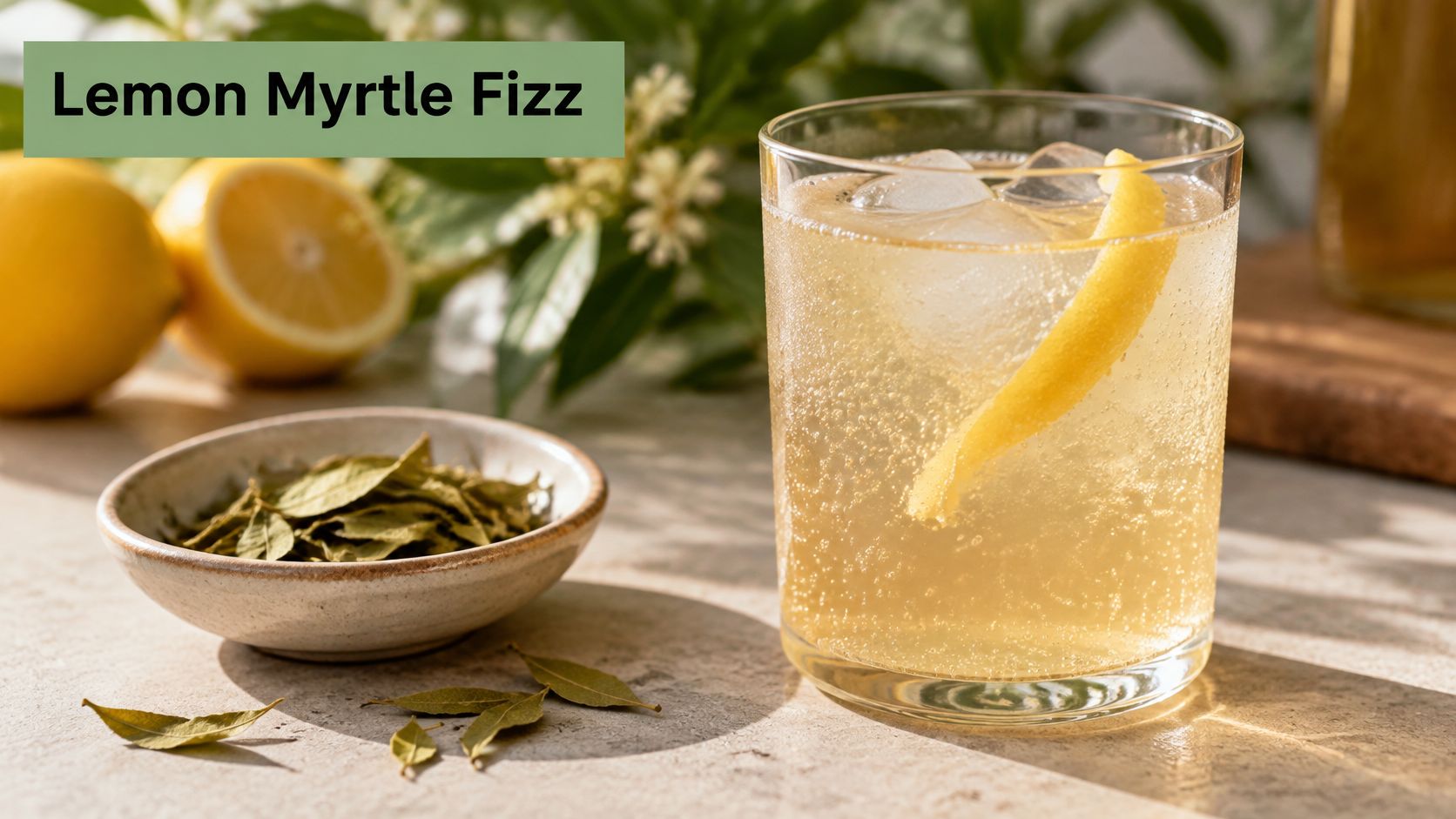
Lemon myrtle brings a distinctly Australian, lemony aroma to a glass of kombucha. To make a quick fizz, infuse a small pinch of dried lemon myrtle in a little warm water, then let the infusion cool completely. Strain it into a glass of chilled plain or lightly flavoured kombucha, add ice, and finish with a lemon slice.
Start with a small amount and taste before adding more. Lemon myrtle can be assertive, and a heavy hand can turn a bright, herbal drink into something that tastes like a cupboard of dried leaves. Straining the infusion well also helps keep the finish clean.
This native-ingredient drink works as a regional café special or a refreshing pour for an Australia Day gathering. For a home-brewed version, add a carefully measured lemon myrtle infusion during a second ferment, then monitor the bottles as they carbonate. The quick glass method is easier to control, especially if you're just getting to know the ingredient.
Serve the fizz with a simple garnish rather than piling on extra flavours. Lemon myrtle has enough personality to carry the drink, and kombucha gives it the tart, sparkling base.
5. Kombucha Matcha Fizz
This is a lively choice for an afternoon café menu: chilled kombucha with a smooth layer of matcha. Sift organic matcha into a small bowl, whisk it with a little warm water until there are no lumps, then pour the mixture into a glass. Slowly add chilled kombucha and ice. A careful pour can leave the drink beautifully layered; stirring it gives you a more even, grassy flavour.
Use ceremonial-grade matcha when you want its clean taste to stand out in a simple drink. Culinary-grade matcha suits bolder combinations or recipes where other flavours take the lead. Either way, start with a modest amount and adjust to taste. Too much matcha can make the drink overly grassy, while poor whisking leaves clumps that no amount of cheerful stirring can rescue.
The fizz makes this a refreshing alternative to a coffee break, though matcha contains caffeine and the amount in your glass depends on how much you use. Pair it with a light lunch or serve it as a signature café drink beside the Ginger Spritz. For more on how matcha and kombucha can fit into a tea routine, explore our guide to green tea benefits, matcha and kombucha.
6. Strawberry and Basil Kombucha Spritz
Strawberries and basil bring a fresh, fragrant character to a brunch spritz. Lightly muddle a few ripe strawberries in the bottom of a glass, add ice and pour over chilled kombucha. Finish with basil leaves, clapped between your hands to release their aroma. If you prefer a clear drink, strain the strawberry mixture before adding the kombucha; leave the fruit in for a softer, more rustic look.
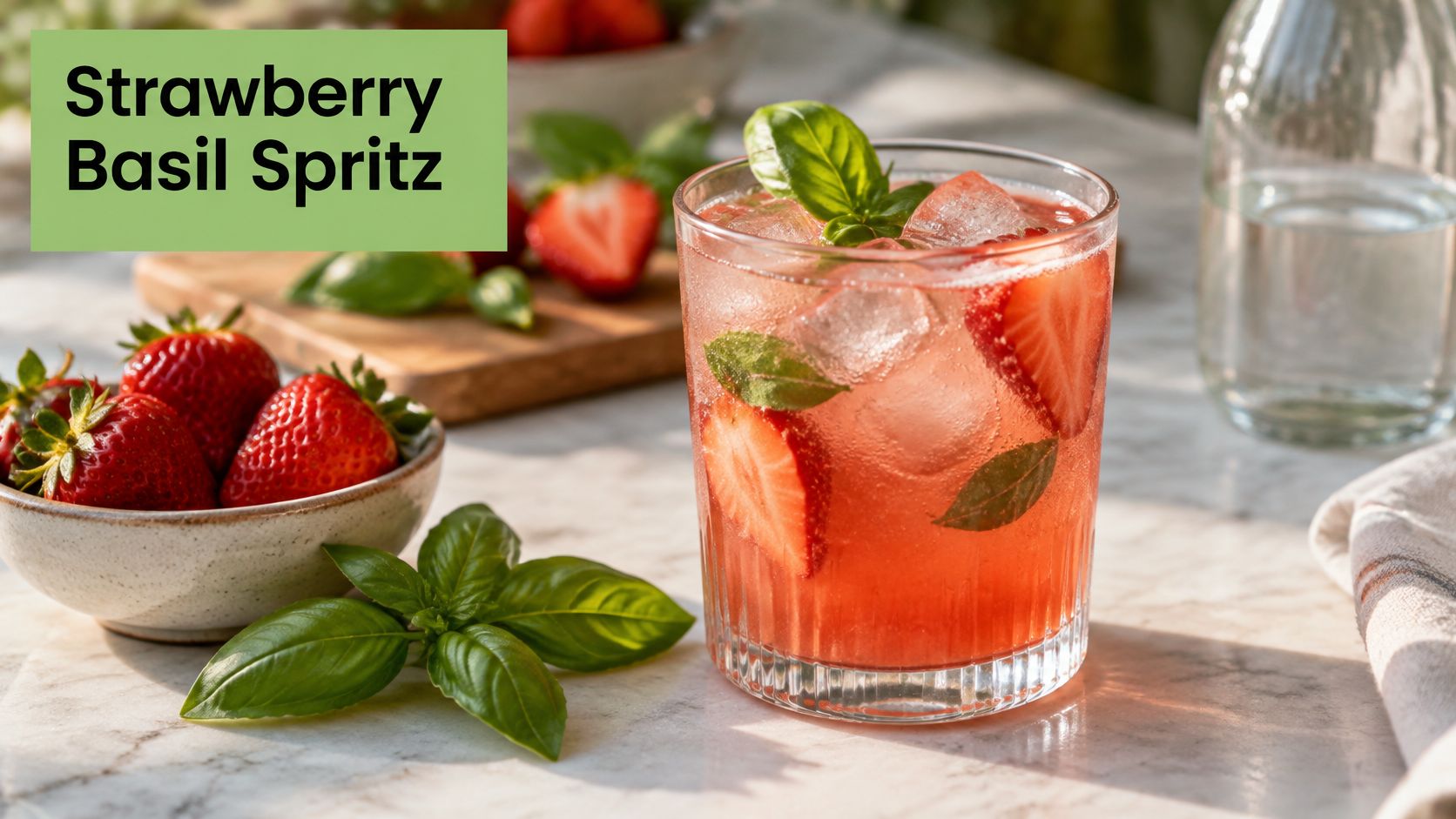
Muddle gently. The aim is to release a little juice, not turn the berries into a thick purée that settles at the bottom. If the strawberries are already sweet and ripe, let them do the sweetening rather than adding syrup. Kombucha's tang keeps the drink lively, and the fruit makes it feel like a treat without needing a juice-heavy base.
This recipe suits a spring lunch, a weekend brunch or a café menu that needs a colourful non-alcoholic option. Make each glass to order for the freshest bubbles, or prepare the strawberry and basil mixture in advance and add the kombucha at serving time. That little bit of timing pays off: sparkling drinks are best when the fizz is still in the glass, not hiding in the jug.
7. Wattleseed and Honey Kombucha Tonic
Wattleseed adds a toasted, coffee-like flavour that makes kombucha feel at home in cooler weather. Whisk a little ground wattleseed into warm water until smooth, let it cool, then stir it into chilled kombucha. Add honey at the end, tasting as you go. The goal is to round out the tang, not turn the drink into a sweetened tonic.
This Australian bush-food-inspired combination works as a seasonal café special or a farmers' market drink. For a warming version, gently warm the wattleseed infusion and honey, then pour them into a mug and top with kombucha once the mixture has cooled. Avoid boiling kombucha; high heat can damage its live cultures and drive off the sparkle. If you want a hot drink, make the wattleseed and honey infusion on its own instead.
Ground wattleseed can clump if you add it straight to cold liquid, so whisking it first makes a smoother finish. Keep the garnish simple and serve in a small glass or mug, where the nutty aroma can come through. It's an unusual flavour pairing, but that's the fun of it: a little native ingredient can give a familiar fermented drink a local accent.
8. Homemade Ginger Kombucha Second Ferment
A second ferment is the hands-on option for home brewers who want fresh ginger flavour and more carbonation. Start with properly fermented kombucha, then transfer it to clean, pressure-rated bottles and add freshly grated ginger. Seal the bottles and monitor them as they carbonate. The yeast and bacteria continue working in the bottle, which is why both flavour and pressure can build.
Use clean equipment throughout, and don't treat the calendar as a substitute for checking the brew. In Australian home brewing, the sweet tea infusion needs careful handling: Food Standards Australia New Zealand guidance advises cooling it from approximately 60°C to 20°C within 2 hours, adding a proven starter promptly, and fermenting until the beverage reaches pH 4.2 or lower. It describes a typical finished pH of at least 2.5 and a typical alcohol safety target of less than 1%. Taste alone can't confirm these measures, so use a calibrated pH meter and appropriate alcohol testing when needed.
Handle bottles carefully: Check them daily, keep them away from children and pets while they're fermenting, and refrigerate them once the fizz is where you want it. Open cautiously over a sink.
Sealed bottles can continue fermenting, increasing both alcohol and pressure. In a national Australian survey of kombucha and other fermented soft drinks, Food Standards Australia New Zealand reported that alcohol could rise during shelf life. That's a practical reason to keep records and chill bottles after carbonation reaches your preference.
For more on controlled bottling and flavouring, see our guide to kombucha second fermentation.
8 Kombucha Recipes at a Glance
| Recipe | Base kombucha | Flavour profile | Best occasion | Difficulty |
|---|---|---|---|---|
| Ginger Kombucha Spritz | Sugar-free ginger kombucha | Tangy, gently warm, and refreshing | Everyday refreshment or gatherings | Easy |
| Lime and Ginger Kombucha Cooler | Lime and ginger kombucha | Zesty, crisp, and ginger-forward | Barbecues, picnics, or lunch | Easy |
| Mango Kombucha Iced Tea | Mango kombucha | Fruity, smooth, and lightly tangy | Summer brunch or an afternoon treat | Easy |
| Lemon Myrtle Kombucha Fizz | Plain or lightly flavoured kombucha | Bright citrus aroma with herbal notes | Australia Day or a native-foods feature | Moderate |
| Kombucha Matcha Fizz | Plain or lightly flavoured kombucha | Grassy, vegetal, tangy, and sparkling | Midday refreshment or an afternoon energy break | Moderate |
| Strawberry and Basil Kombucha Spritz | Chilled ginger or plain kombucha | Fruity, lightly sweet, and herbal | Brunch or a light lunch | Easy |
| Wattleseed and Honey Kombucha Tonic | Plain or lightly flavoured kombucha | Toasty, nutty, and gently sweet | Cooler months or a seasonal café special | Moderate |
| Homemade Ginger Kombucha Second Ferment | Finished plain kombucha | Strong ginger flavour with lively natural fizz | Home brewing or a house-made café drink | Advanced |
From Bottle to Glass: Your Next Pour
New to kombucha? Start with the Ginger Spritz. Pour chilled kombucha over ice, then add lime and mint. The ginger and fermentation tang stay at the centre, and you can adjust the additions to suit your taste.
For café menus, the Lime and Ginger Cooler and Kombucha Matcha Fizz offer different non-alcoholic options. The cooler suits lunch service, while matcha brings a tea-forward flavour and a vivid colour. Serve both chilled, and make sparkling drinks close to order to preserve their bubbles. If you sell house-fermented kombucha, check alcohol levels and labelling rather than assuming tartness means the drink is non-alcoholic.
Home brewers ready for a next step can try the ginger second ferment after getting comfortable with SCOBY care and clean equipment. Use bottles designed to handle fermentation pressure, add ginger carefully and monitor carbonation. Keep notes on flavour and fermentation conditions, then refrigerate the batch when it reaches your preferred fizz. If something seems wrong, taste alone cannot confirm that a batch is safe.
Lemon myrtle, wattleseed and summer mango give these recipes an Australian flavour, whether you're pouring for a barbecue, brunch or café menu. Start with small additions so the kombucha's own flavour still comes through.
Pep Tea offers sugar-free organic kombucha flavours including Ginger, Lime and Ginger, and Mango, alongside an organic matcha range. Its kombucha is brewed in a purpose-built, HACCP-accredited brewery in NSW, making it an Australian-made option for home drinks and hospitality menus. Explore the flavours and try a recipe at Pep Tea.
Pour one at your next brunch or barbecue and see what a few fresh ingredients bring to the glass.