
Tag: healthy latte
Crafting Delicious Chocolate Matcha Tea
Somewhere between your usual morning coffee and your evening hot chocolate, there’s a drink that feels a bit more balanced. Chocolate matcha tea has that cosy, chocolatey comfort people crave, but it also brings the grassy depth and focused lift that make matcha so distinctive.
It’s also one of those drinks that can go badly wrong if the method is fuzzy. Too hot, and the matcha turns flat or bitter. Too much chocolate, and the tea disappears. Not enough whisking, and you get green lumps floating around in an otherwise lovely cup.
The good news is that making a smooth, café-worthy version at home isn’t difficult once you understand the few details that matter. If you’re a home drinker, a health-conscious café owner, or curious about how to make chocolate and matcha work together, this guide will help you build the drink properly from the ground up.
The Perfect Fusion of Flavour and Wellness
Chocolate matcha tea works because it plays with contrast. Matcha brings earthy, fresh, slightly savoury notes. Chocolate adds roundness, softness, and richness. When the two are in balance, the result tastes layered rather than heavy.
That balance is why the drink appeals to two very different moods at once. It can feel indulgent, like a treat you’d order on a rainy afternoon. It can also feel purposeful, especially when you want a warm drink that supports focus without feeling overblown or sugary.
Why matcha changes the character of a chocolate drink
A standard hot chocolate leans sweet and creamy. Matcha shifts the centre of gravity. It adds structure, colour, and a gentle vegetal edge that stops the drink from becoming cloying.
That’s especially useful if you prefer functional beverages over dessert-style drinks. Instead of tasting like melted confectionery, a well-made chocolate matcha tea tastes more adult and more nuanced.
Chocolate softens matcha’s grassy edge, and matcha sharpens chocolate’s sweetness. That’s why the pairing can feel both comforting and clean.
There’s also a long tradition behind matcha that gives this modern drink more depth than a passing trend. In the 12th century, monk Eisai brought powdered green tea from China to Japan, promoting it as a medicinal aid for monks enduring long meditation sessions due to its combination of caffeine for alertness and L-theanine for calm focus, as noted in this history of matcha and its role in focused energy.
Why wellness-minded drinkers are drawn to it
People often get confused here and assume “healthy” means austere. It doesn’t. A chocolate matcha tea can still feel lush while giving you more control over ingredients than many café drinks.
You can choose:
- The sweetness level so it suits your taste, rather than relying on pre-sweetened powders
- The milk style whether you want dairy, oat, almond, or another option
- The chocolate source from cacao powder to dark chocolate to white chocolate
- The matcha grade depending on whether you want a smoother or bolder finish
That ingredient control matters if you care about clean labels, lower sugar choices, or just a better-tasting cup.
If you’d like a broader grounding in why matcha has become such a staple in modern wellness routines, this guide to the benefits of matcha green tea is a helpful next read.
Choosing Your Core Ingredients and Tools
The best chocolate matcha tea starts before the kettle goes on. Most disappointing cups come down to one of three things. Low-quality matcha, overly sweet chocolate, or skipping the basic tools that create a smooth texture.
Matcha grade matters more than people expect
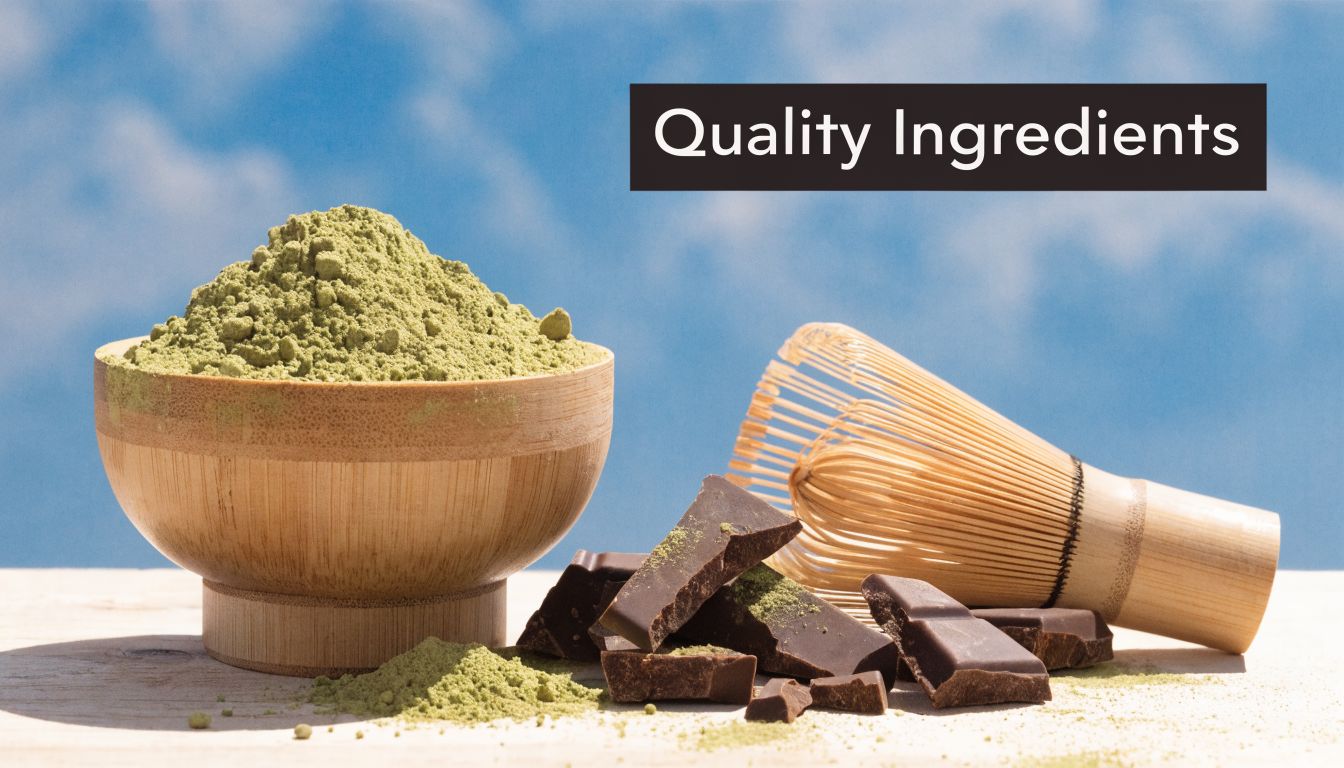
For straight drinking with water, ceremonial grade is usually the more delicate and refined choice. For chocolate matcha tea, culinary grade matcha often makes more sense because it has enough presence to stand up to cacao and milk.
That doesn’t mean any cheap powder will do. You still want matcha that looks vibrant, smells fresh, and blends cleanly. Dull olive powder often tastes flat or harsh in milk-based drinks.
If you’re making a menu decision for a café, culinary grade is also practical because it performs well across hot drinks, iced drinks, and blended recipes.
Picking the chocolate without losing the tea
Chocolate choice shapes the whole drink. White chocolate gives creaminess and lets the green tea shine. Dark chocolate makes the cup deeper and more bittersweet. Cacao powder gives you the most control over sweetness.
One very useful benchmark comes from this guide on making matcha chocolate with the right white chocolate balance, which notes that for the best flavour, high-quality white chocolate should have a sugar content below 30%, and that the optimal matcha-to-chocolate ratio is typically between 1:5 and 1:8 by weight so the matcha’s umami notes aren’t buried.
If you use drinking chocolate or hot chocolate blends, ingredient lists matter. Some are heavy on sugar and light on cocoa, which can make the final cup muddy. If you want a clearer sense of how these products differ, this explainer on understanding hot chocolate drinking powders is worth a look.
Milk, sweetness, and flavour support
Different milks change the drink in different ways.
- Dairy milk gives a rounded, classic café texture
- Oat milk usually creates the creamiest vegan version
- Almond milk makes a lighter cup with a nuttier finish
- Soy milk can work well when you want more body than almond offers
For sweetening, keep it simple. Honey, maple syrup, or a sugar-free sweetener can all work, but start small. Matcha and chocolate are both assertive ingredients, so a little sweetener often goes further than expected.
Practical rule: If you can taste only sweetness, the chocolate matcha tea isn’t balanced yet.
The tools that make the biggest difference
You don’t need a huge setup, but a few basics are essential for texture:
- Fine-mesh sifter to break up clumps before whisking
- Bamboo whisk or small handheld whisk to disperse the matcha properly
- Heatproof bowl or mug for making a smooth paste
- Milk jug or saucepan for controlled heating
- Teaspoon or digital scale for consistency
A frother can help, but it doesn’t replace sifting. That’s where many clumpy drinks begin.
Master Recipe The Classic Hot Chocolate Matcha Latte
A great hot chocolate matcha latte isn’t made by dumping everything into one mug and hoping for the best. The smoothest version is built in layers. First the powders are prepared, then a paste, then warm milk is added gradually.
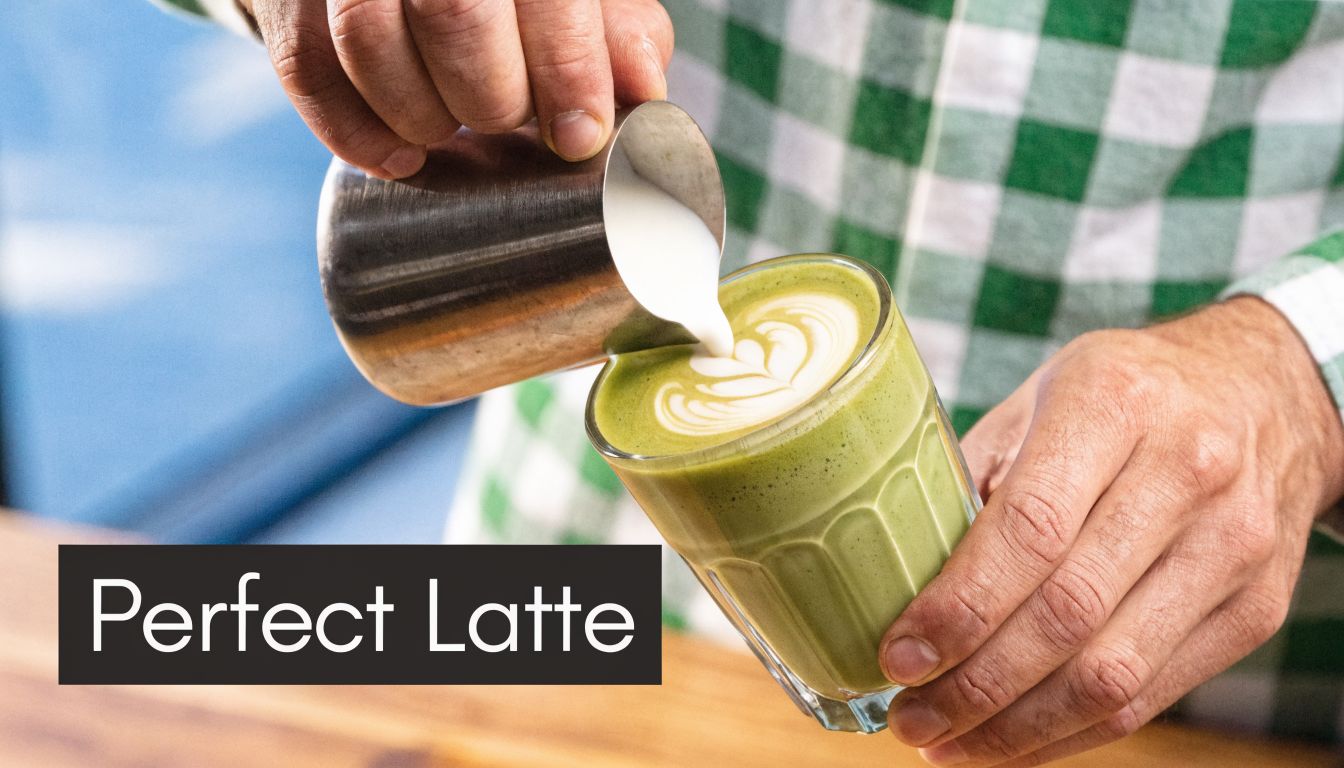
A reliable recipe for one mug
Use this as your base recipe:
- 1 to 2 teaspoons matcha
- 1 to 2 teaspoons cacao powder or finely chopped chocolate
- A small amount of hot water
- 1 cup milk of choice
- Sweetener to taste
- Optional pinch of sea salt or a little vanilla
If you’re using white chocolate instead of cacao powder, melt it into the milk gently rather than trying to whisk chunks into the cup.
The method that prevents clumps
The most important technical detail is temperature. To preserve matcha’s delicate flavour and nutrients, heat your liquid to 70 to 80°C (160 to 175°F), sift the matcha first, then use vigorous M or W whisking motions for 15 to 60 seconds for a smooth consistency, according to this guide on preparing matcha without damaging flavour.
Follow these steps:
Sift the matcha and cacao
Add both to a bowl or wide mug through a fine sieve. This tiny step saves a lot of frustration later.
Make a paste
Add a small splash of hot water. Whisk until it forms a glossy paste with no dry pockets. If it looks grainy here, it’ll stay grainy in the final drink.
Warm the milk gently
Heat your milk so it’s hot but not boiling. If you’re using white chocolate, melt it into the milk slowly while stirring.
Combine in stages
Pour a little warm milk into the paste first and whisk again. Then add the rest. This staged approach keeps the texture silky.
Taste and adjust
Add sweetener, vanilla, or a tiny pinch of salt if needed. Salt can sharpen chocolate flavour without making the drink salty.
Common mistakes and easy fixes
People often think the issue is the recipe, when it’s usually the sequence.
| Problem | Likely cause | Simple fix |
|---|---|---|
| Clumps | Matcha wasn’t sifted | Sift before any liquid touches it |
| Grainy texture | Paste wasn’t whisked enough | Whisk longer before adding milk |
| Bitter finish | Liquid was too hot | Keep milk below boiling |
| Weak matcha flavour | Too much chocolate or sweetener | Reduce chocolate and retaste |
A visual walkthrough can help if you’re more of a watch-and-copy learner.
Easy adaptations for different drinkers
A vegan version is simple. Oat milk is often the easiest choice because it stays creamy and supports both chocolate and matcha well. Almond milk works too, but the result is lighter.
For a sugar-free style, use unsweetened cacao and a sugar-free sweetener you already enjoy in hot drinks. The goal isn’t to mimic a confectionery drink. It’s to let the chocolate and tea still taste like themselves.
If you want to refine your matcha technique beyond this recipe, this guide on how to make a matcha latte is a useful companion.
If your first mug tastes a little too earthy or a little too rich, that’s normal. Small adjustments in chocolate, sweetness, and milk make a much bigger difference than changing everything at once.
Creative Variations for Every Occasion
Once the hot version is working, chocolate matcha tea becomes a very flexible base. It can be refreshing, dessert-like, more coffee-friendly, or even sparkling depending on the occasion.
One reason people enjoy experimenting with matcha in drinks is that you’re consuming the whole leaf powder. This article on historical facts about matcha and antioxidant density notes that whole-leaf matcha can deliver up to 137 times more antioxidants, specifically EGCg, than traditionally steeped green tea, which helps explain why it’s become popular in functional beverages.
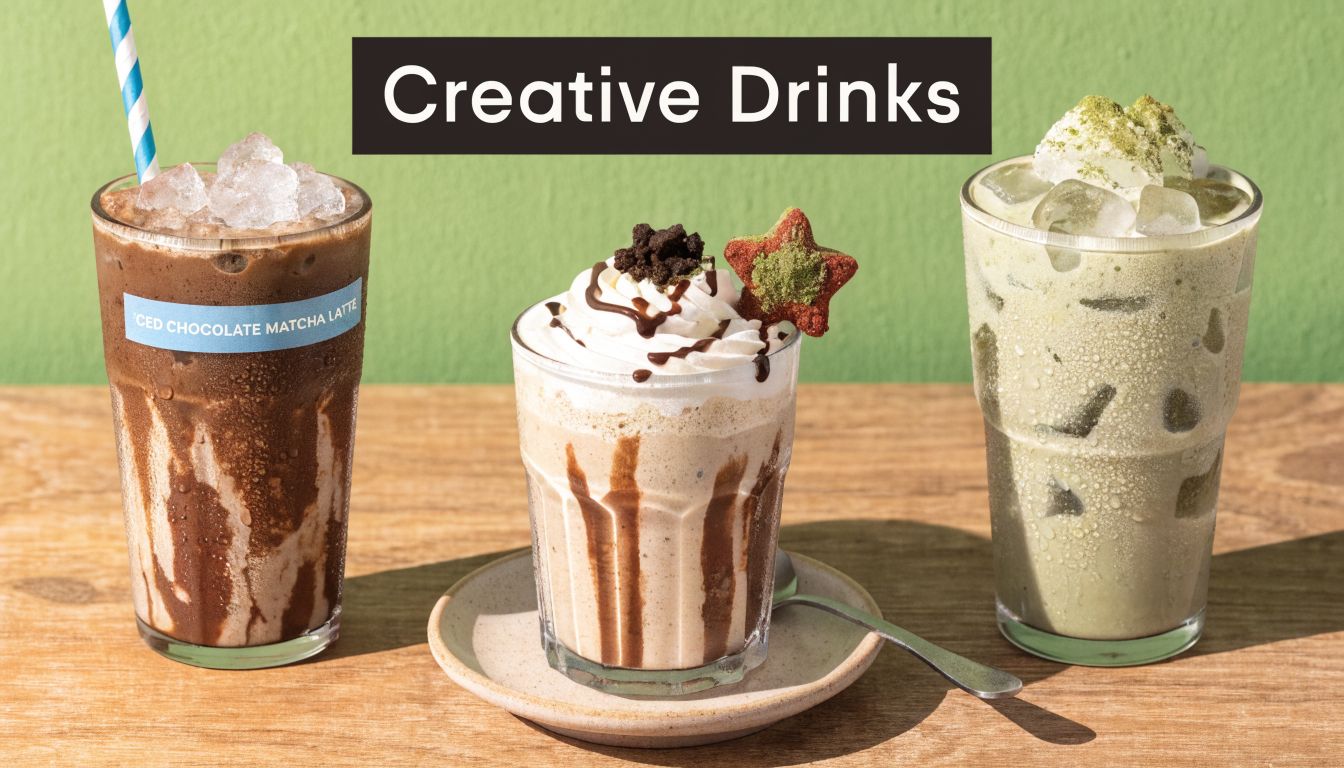
Iced chocolate matcha latte for warm afternoons
This is the version to make when you want something café-style and cooling without reaching for a standard iced coffee.
Start by preparing a concentrated paste with sifted matcha, cacao, and a little hot water. Let it cool slightly. Fill a tall glass with ice, add cold milk, then pour the matcha-chocolate mixture over the top.
For the cleanest layers, use cold milk and cooled concentrate. If you pour hot mixture straight onto ice, the drink can dilute too quickly.
Try serving it with:
- Oat milk for a creamy, mellow finish
- Almond milk for a lighter style
- A dusting of cacao on top for a more dessert-like look
Matcha mocha for coffee lovers
Some people don’t want to choose between espresso and matcha. Fair enough. A matcha mocha gives you roasted coffee notes, chocolate depth, and that recognisable green tea edge in one cup.
Build the chocolate matcha base first, then add a freshly pulled shot of espresso before topping with warm milk. Stir gently, taste, then adjust sweetness only if needed. Espresso already brings bitterness, so this version usually needs less cacao than the classic latte.
This variation works best when none of the elements dominate. You should taste coffee, chocolate, and matcha separately, then together.
If you’re serving this in a café, it helps to describe it clearly on the menu. People ordering matcha mochas are often curious, but they want to know whether the drink leans more coffee-forward or tea-forward.
Chocolate matcha kombucha fusion for a lighter, sparkling serve
This one surprises people. It’s not a latte at all. It’s brighter, more grown-up, and ideal for alcohol-free menus or brunch-style drinks.
The easiest method is to make a small, smooth matcha-cacao concentrate first. Cool it fully. Pour it into a glass with ice, add a splash of your preferred milk if you want softness, then top gently with plain or ginger-forward kombucha. Stir lightly rather than aggressively so you keep the sparkle.
A few flavour directions work especially well here:
| Style | What it tastes like | Best moment |
|---|---|---|
| Ginger chocolate matcha spritz | Lively, zesty, lightly earthy | Mid-afternoon pick-me-up |
| Lime-cacao matcha cooler | Sharper and more refreshing | Warm-weather brunch |
| Vanilla chocolate matcha fizz | Softer and rounder | Alcohol-free evening serve |
Small custom touches that make a big difference
You don’t need a complicated recipe to make these drinks feel special.
- Add cinnamon if you want warmth without extra sweetness
- Use orange zest for a bright finish with dark chocolate versions
- Blend with ice when you want a frappe-style drink
- Top with shaved dark chocolate for a more premium presentation
Chocolate matcha tea is at its best when it suits the moment. Hot and quiet in the morning. Iced and quick in the afternoon. Sparkling and polished when guests are over.
For Café Owners and Home Baristas Menu Inspiration
Chocolate matcha tea can earn its place on a menu because it solves a real problem. Not every customer wants coffee, and not every non-coffee option feels premium. This category gives you something distinctive that still feels familiar enough to order.
For cafés, the appeal is range. One base idea can become a hot signature drink, an iced afternoon option, a seasonal special, or a non-alcoholic spritz. For home baristas, it’s a way to serve something memorable without needing a full commercial setup.
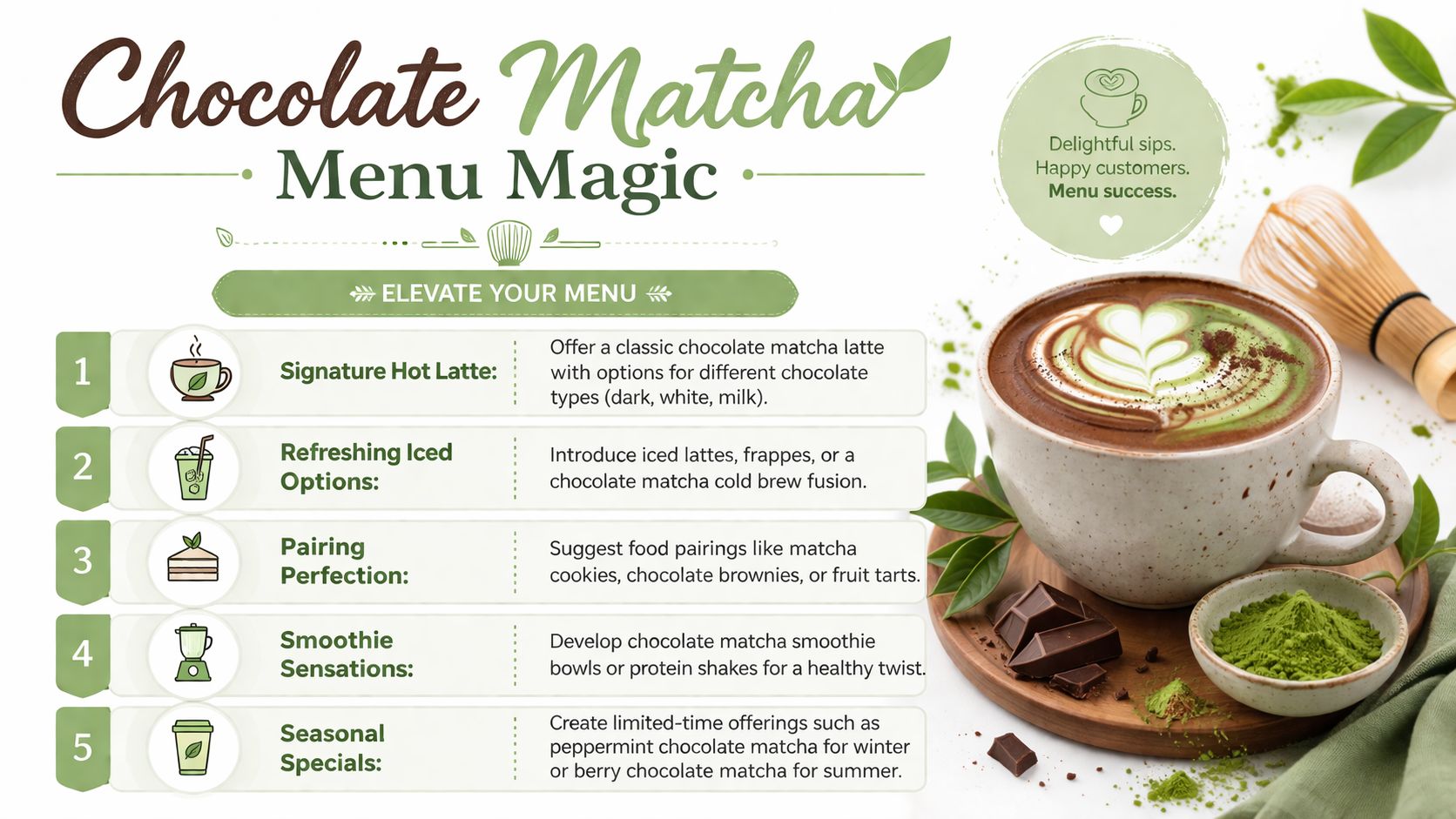
Flavour pairing ideas that sell the drink
Some pairings make the drink easier to understand at a glance. Customers may hesitate at “chocolate matcha tea” if they can’t picture the flavour. Add a familiar note, and the concept becomes easier to order.
| Pairing | Flavour Profile | Serving Suggestion |
|---|---|---|
| Raspberry | Tart, bright, lifts chocolate sweetness | Iced latte with berry garnish |
| Mint | Cool and clean against rich cacao | Winter hot special |
| Orange zest | Fragrant and slightly bitter | Dark chocolate version |
| Vanilla | Softens grassy notes | House hot latte |
| Sea salt | Sharpens chocolate depth | White chocolate matcha drink |
Menu ideas for cafés and hosts
A few naming ideas can make a menu feel more polished:
- Zen Cacao for a classic hot chocolate matcha latte
- Green Mocha for the espresso version
- Matcha Cloud for a lighter iced serve
- Probiotic Sparkler for a kombucha-based option
- Winter Mint Matcha for a seasonal feature
Presentation matters too. Clear glass works beautifully for iced versions because the colour contrast does some of the selling for you. For hot drinks, a matte cup and a neat dusting of cacao can give the drink a more premium feel.
Quality and compliance are part of the product
For Australian businesses, ingredient sourcing isn’t only about flavour. It’s also about trust and safety. This article on FSANZ standards and the risks of non-compliant imported tea powders notes that sourcing ingredients that meet FSANZ standards is critical, and that non-compliant imported tea powders can face seizure due to contamination risks.
That matters for cafés building a serious beverage program. If you’re serving matcha, you need consistency in flavour, colour, and documentation. A drink can’t become a signature item if supply or quality is unpredictable.
Menu mindset: The best-selling speciality drinks are usually the ones staff can describe in one sentence and make consistently during a busy service.
For home baristas, the same principle still applies in a smaller way. Better ingredients simplify the process. Better tools improve consistency. If you want to tighten your setup, a few dedicated matcha tea accessories can make whisking and serving much easier.
Frequently Asked Questions About Chocolate Matcha
Why is my chocolate matcha tea clumpy
Clumps usually start with dry powder hitting liquid too fast. Sift your matcha first, sift cacao too if you’re using it, then whisk with a small amount of hot water to form a smooth paste before adding milk.
If you skip the paste stage, even a strong frother may not rescue the texture.
Why does my drink taste bitter
There are a few possible causes. The liquid may have been too hot, the matcha may be low quality, or the chocolate-to-matcha balance may be off.
Bitterness can also show up when a dark chocolate version has too little milk or sweetener. Adjust one thing at a time so you can tell what helped.
Can I make it ahead of time
Yes, but the best results come from preparing part of it rather than the whole drink. You can make a matcha-chocolate concentrate in advance, keep it chilled, and then combine it with hot or cold milk when you’re ready to serve.
If the mixture settles in the fridge, whisk or shake it again before pouring.
What’s the best milk for chocolate matcha tea
That depends on the style you want. Dairy milk gives a classic, rounded texture. Oat milk is often the easiest plant-based option for a creamy cup. Almond milk creates a lighter drink with a slightly nuttier finish.
If you’re testing for a café menu, try the recipe with at least two milks. Some customers want dairy-free, but they still expect a full-bodied result.
Is chocolate matcha tea healthy
It can fit well into a wellness-focused routine, especially when you use quality matcha, choose your sweetener carefully, and avoid overly sugary chocolate blends. Matcha is valued for antioxidants and for the calm-focus combination often associated with caffeine and L-theanine.
The final nutritional profile depends heavily on your ingredients. A lightly sweetened oat milk version will feel very different from one made with lots of white chocolate syrup.
When’s the best time to drink it
Many people enjoy it in the morning or early afternoon when they want a gentler, more mindful alternative to another coffee. A hot version suits slower mornings. An iced version works well as a warm-weather afternoon drink.
If you’re sensitive to caffeine later in the day, keep that in mind and enjoy it earlier.
If you’re ready to try chocolate matcha tea with premium organic ingredients, explore Pep Tea for Australian matcha, kombucha, and tea essentials that make these recipes easier to get right.