
Uji Matcha Powder: A Definitive Explainer for Australians

The first time you whisk a proper bowl of Uji matcha, the aroma hits before the taste does. It smells green, soft, almost creamy, and you realise very quickly that this isn’t just “green tea powder”.
What is Uji Matcha Powder Really?
Uji matcha powder comes from Uji, near Kyoto in Japan, a place long associated with some of the country’s most prized tea. When people talk about Uji matcha with a bit of reverence, they’re usually responding to two things at once. The first is flavour. The second is history.
Matcha itself is powdered green tea, but uji matcha powder is a more specific category. It refers to matcha connected to the Uji region and its tea-making traditions. That matters because place affects taste, texture, aroma, and the way the tea feels in your daily routine.
A lot of confusion starts here. People often assume all matcha is basically the same, just sold at different prices. It isn’t.
Why it’s different from ordinary green tea powder
Regular green tea is usually steeped, then removed from the cup. With matcha, you consume the powdered leaf itself. That creates a fuller flavour and a more concentrated drinking experience.
Uji matcha also carries a very particular identity. It’s linked to long-established cultivation and processing methods, including shading and stone-grinding, which help create the vivid colour and smooth texture many tea drinkers look for.
A simple way to think about it: matcha is a category, but Uji is a place with a reputation. Not every matcha offers the same depth, softness, or finish in the bowl.
For Australians, this matters because matcha often sits at the crossroads of taste and wellness. Some people come to it for a café-style latte at home. Others want a cleaner-feeling ritual than their usual coffee. Others are curious about antioxidants, L-theanine, and calm focus.
If you’re new to the category, a helpful starting point is this guide on what matcha powder is. It clears up the basics before you start comparing grades, origins, and brewing styles.
What people usually get wrong
Three myths show up again and again:
- “All bright green powders are matcha.” Some powders are milled green tea, not true matcha in the traditional sense.
- “The stronger the bitterness, the better the tea.” Good matcha can have structure and character, but harsh bitterness usually isn’t the goal.
- “It’s only for tea ceremony.” Uji matcha can be whisked traditionally, but it also works beautifully in lattes, smoothies, and cooking.
At its best, uji matcha powder is both ancient and practical. It belongs in a tea bowl, but it also belongs in a modern Australian kitchen.
The 800-Year-Old Secret of Uji's Terroir
A tea region earns trust the way a family recipe earns loyalty. By getting the small things right for a very long time.
Uji’s name carries that kind of weight. Tea has been cultivated there since the late 12th century, and over hundreds of years growers refined methods that suited the area’s hills, rivers, mist, and seasonal rhythm. That long memory matters. It helps explain why Uji is still the benchmark many tea drinkers use when they want matcha with depth, softness, and a clean finish.

Why terroir matters in tea
Terroir is the taste of place.
In wine, people talk about soil, slope, sun, and climate. Tea works the same way, but with an added human layer. Farming knowledge passed down across generations shapes the result just as much as weather and geography do. In Uji, that means local conditions and local craft have grown together for roughly 800 years.
For matcha drinkers, terroir shows up in the bowl, not in an abstract concept. You notice it in aroma first. Fresh, green, slightly sweet. Then in texture. Fine, creamy, almost velvety if the powder is well made. Then in flavour, where good Uji matcha often brings a savoury umami note, gentle sweetness, and less of the rough edge that can make lower-grade powders feel aggressive.
That matters for Australians using matcha as part of a daily wellness routine. If you want sustained energy rather than a jittery spike, flavour is not separate from function. A smoother, more balanced matcha is easier to enjoy consistently, whether you whisk it traditionally or add it to your morning latte.
Why Uji became a name people trust
Uji’s prestige grew because tea growers, tea masters, and buyers kept returning to the same conclusion. Tea from this region tasted refined and reliable.
By the Edo period, Uji had become strongly associated with high-quality Japanese tea, especially for people seeking a more polished drinking experience. That reputation still shapes the market today. You can see it in how often Uji is used as the reference point for premium matcha, and in how carefully serious buyers check origin before they buy.
This is also where confusion can creep in. "Uji-style" and "matcha from Japan" do not always mean the same thing as authentic Uji matcha. If you want to understand how origin connects to production quality, this guide to how matcha tea is made helps link what happens in the field to what ends up in your cup.
The place behind the flavour
A good Uji matcha often shows its origin in a few clear ways:
- Umami that feels deep and savoury, not harsh
- A softer finish that leaves the palate clean
- A vivid green colour that reflects careful growing and handling
- A creamy mouthfeel that makes daily drinking more pleasurable
Those qualities are not just for tea ceremony. They matter in ordinary life. A smoother matcha is easier to drink straight, easier to blend into a clean breakfast routine, and easier to return to every day if you are replacing part of your coffee habit with something calmer.
For Australian buyers, that practical side is worth keeping in mind. The best Uji matcha brings together tradition and usefulness. It carries centuries of craft, but it also fits neatly into modern goals like better focus, less sugar, cleaner ingredients, and a morning ritual that feels grounding. Brands that clearly state origin and offer organic options, including carefully sourced selections such as Pep Tea’s, make that choice much easier.
From Shaded Leaf to Stone-Ground Powder
A bright bowl of Uji matcha can look simple on the breakfast bench. Water, powder, whisk, done. Yet that soft green foam begins weeks earlier in the field, then passes through a series of careful steps that shape how the tea smells, tastes, and feels in your mouth.
Authentic uji matcha powder is made with restraint at every stage. The goal is not speed. The goal is to protect what is delicate in the leaf so it reaches your cup with its sweetness, colour, and creamy texture intact.
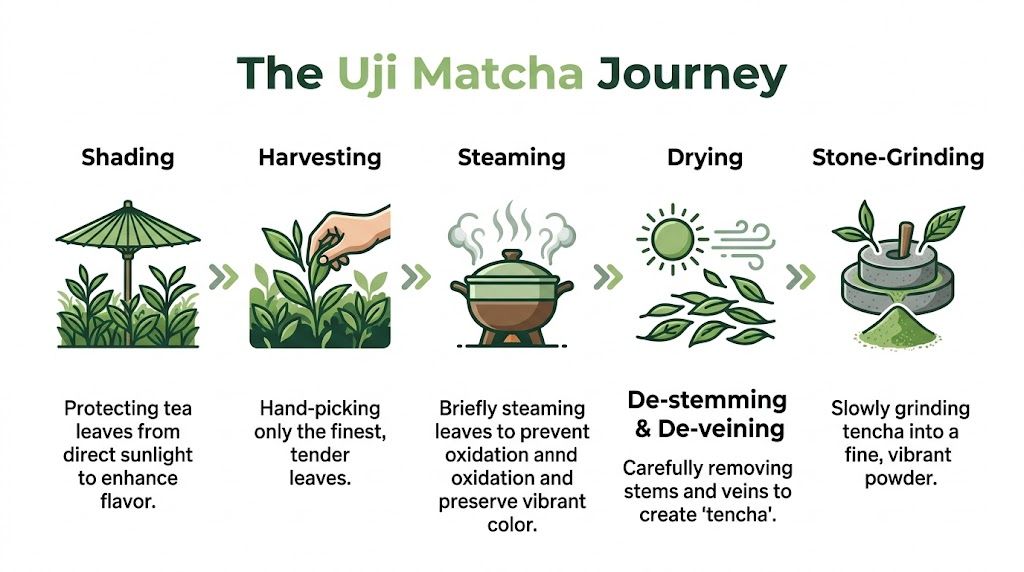
The craft in six practical steps
Price starts to make more sense once you see how much handling happens before the tea is ever packed into a tin.
The plants are shaded
Several weeks before harvest, growers reduce the amount of sunlight reaching the tea bushes. This slows photosynthesis and changes the leaf’s chemistry. The result is a leaf that tends to taste sweeter, more savoury, and less sharp.Tender leaves are harvested
The youngest, most suitable leaves are selected for matcha production. This is one reason fine matcha feels more refined than everyday green tea.The leaves are steamed
Steaming stops oxidation soon after picking. That helps hold onto the fresh green character and keeps the flavour from drifting into duller, flatter notes.The material is dried
For matcha, the leaves are dried without the rolling used for many other Japanese green teas. That difference matters because it prepares the leaf for the next stage.Stems and veins are removed
What remains is called tencha. Tencha is the clean, leafier material used to make matcha, and removing the tougher parts helps create a softer texture and cleaner finish.Tencha is stone-ground
The dried tencha is milled into an extremely fine powder. If you want a clear visual guide to the full process, this explanation of how matcha tea is made connects each production step to what you notice in the bowl.
Why stone-grinding changes the result
Stone-grinding works like using a very slow, careful hand in the kitchen instead of a fast industrial blade. The aim is a fine powder with a silky feel, not a rough grind that drinks chalky or hits the palate too hard.
This slower method also reflects a real supply constraint. As noted in the Sazen Tea discussion already cited, strong demand has put pressure on Uji’s tencha supply. That matters for Australian buyers because authentic Uji matcha is not an unlimited commodity. It is a specialised product built from skilled farming and limited raw material.
Traditional processing does not guarantee a wonderful matcha on its own. Poor leaf in a stone mill stays poor leaf. But careful shading, steaming, sorting, and grinding give excellent tea the best chance to show its full character.
What this means in the cup
Production choices become sensory clues once you start drinking matcha regularly.
- Colour looks brighter and fresher
- Aroma feels greener and sweeter, with less dull hay-like character
- Texture lands finer on the tongue, closer to cream than grit
- Foam whisks up more evenly
- Taste feels rounder, with umami and gentle sweetness instead of a hard, bitter edge
For anyone in Australia building a cleaner morning routine, those details are practical, not decorative. A smoother matcha is easier to drink with just water, easier to enjoy without loads of sugar, and easier to keep as a steady daily habit. That is where centuries of Uji craft meet modern wellness. You get a ritual that feels grounded, plus energy that arrives with more calm than a rushed second coffee.
Drink slowly and pay attention to the finish. Better matcha usually feels composed from first sip to last, with no dusty coarseness interrupting the experience.
Decoding the Grades Ceremonial vs Culinary Matcha
The most common matcha mistake is simple. People buy one tin and expect it to suit every use.
Then the results feel confusing. A beautiful drinking matcha disappears under milk and honey, while a stronger kitchen-grade powder can taste sharp if you whisk it with water on its own. The problem is not that one is “real” matcha and the other is inferior. The problem is fit.
Ceremonial grade is made for the bowl. Culinary grade is made for the recipe.
That distinction helps Australian buyers a lot, especially if your first experience with matcha came through a café latte. A latte can make almost any matcha seem pleasant. Plain matcha is less forgiving, so the grade matters more.
Ceremonial vs. Culinary Uji Matcha at a Glance
| Attribute | Ceremonial Grade Matcha | Culinary Grade Matcha |
|---|---|---|
| Best use | Whisked with water, minimal additions | Lattes, smoothies, baking, desserts, cooking |
| Flavour | Smoother, softer, more umami-led | Bolder, more assertive, better for blending |
| Colour | More vibrant green | Can be slightly deeper or less vivid |
| Texture | Silky and refined | Still fine, but made for mixing into recipes |
| Price logic | You’re paying for drinking quality | You’re paying for versatility and value |
How the difference shows up in real life
Ceremonial matcha aims for harmony. You notice sweetness, savoury depth, and a soft finish that invites slow sipping. It suits a quiet morning ritual, especially if you want a cleaner start to the day without loading your cup with sugar or syrups.
Culinary matcha has a different job. It needs enough presence to stay noticeable beside oat milk, banana, vanilla, cacao, or flour. In that setting, a firmer flavour is useful, much like a spice blend that still tastes vivid after cooking.
Neither grade is automatically the smarter buy. The better choice is the one that matches your routine.
How to choose without overthinking it
If you want one clear rule, start with how you drink it most often.
- Morning bowl with water only. Choose ceremonial.
- Daily latte at home. Choose culinary.
- Smoothies, baking, protein balls, or desserts. Choose culinary.
- Both pure tea and lattes. Keep one of each if your budget allows.
A practical guide to different grades of matcha can help you compare options before buying, especially if you are trying to balance flavour, budget, and wellness goals.
What to look for in each grade
For ceremonial grade, look for ease and composure in the cup. It should whisk well, smell fresh, and taste pleasant without milk covering roughness. If plain water leaves the matcha feeling flat, harsh, or overly astringent, it is probably not the right pick for sipping.
For culinary grade, strength is not a flaw. It is part of the design. You want a matcha that keeps its green tea character once it meets milk, fruit, or sweetener.
A helpful test is to ask one direct question. Does this powder taste good in the way I plan to use it?
That mindset saves money and disappointment. It also helps turn matcha into a steady daily habit, whether your goal is a traditional bowl before work or a clean afternoon latte that feels energising without the heaviness of a sugary café drink.
The Science of Calm Energy and Radiant Health
Many people start drinking uji matcha powder because they want energy. They stay with it because the feeling is different.
Coffee often arrives fast and loudly. Matcha tends to feel steadier. That doesn’t mean it’s magically better for everyone, but it does help explain why so many people describe it as clean, focused, and easier to live with day after day.
Why matcha feels different from a standard caffeine hit
A key reason is the combination of caffeine and L-theanine. According to this explanation of Uji matcha and L-theanine, Uji matcha’s shade-growing process can increase L-theanine concentration by up to 137% compared to sun-grown tea. The same source notes that this pairing is associated with improved physical performance and cognitive function by increasing alpha wave activity linked with calm alertness.
In plain language, that means matcha doesn’t deliver caffeine on its own. It brings it together with a compound that helps soften the edge.
What L-theanine actually does
L-theanine sounds technical, but the effect is easy to understand. It’s one reason many matcha drinkers say they feel more composed than buzzy.
Consider it this way:
- Caffeine helps you feel switched on
- L-theanine helps that alertness feel smoother
- Together they can create a more even experience
That’s especially appealing if regular coffee leaves you scattered, jittery, or flat later in the day.
Matcha’s appeal isn’t only about stimulation. It’s about the quality of attention it can support.
Where EGCg fits in
You’ll also hear about EGCg, one of matcha’s best-known antioxidant compounds. For many wellness-minded drinkers, that’s part of the draw. Matcha isn’t just a warm drink. It’s a whole-leaf tea that brings together plant compounds people actively seek out in a daily routine.
It’s best to stay realistic here. Matcha isn’t a cure-all, and it shouldn’t be treated like medicine. But as a regular beverage, it can fit neatly into a pattern of mindful choices around energy, focus, and less sugary drinking habits.
The benefits people notice in real life
Individuals typically don’t sit around thinking about alpha waves. They notice practical things instead.
Common reasons people keep matcha in the pantry include:
- A gentler start to the morning
- A focused afternoon ritual
- A café-style drink without relying on syrups
- A wellness habit that feels enjoyable rather than strict
For some, the ritual matters as much as the chemistry. Measuring, sifting, whisking, and drinking slowly can create a pause in the day that coffee sometimes doesn’t.
That combination of sensory pleasure and functional appeal is why Uji matcha has such staying power. It tastes good, it feels good, and it suits a lot of modern routines without asking you to become a tea purist.
Your Guide to Brewing the Perfect Cup
The first time many people make matcha at home, the result can be a surprise. You open a beautiful tin of Uji matcha, whisk it up, take a sip, and instead of sweet green depth, you get lumps, bitterness, or a flat latte that tastes more like warm milk than tea.
That usually comes down to method, not the matcha itself.
A good bowl of matcha is a bit like cooking with a premium olive oil. Small handling choices change what you taste. Water temperature, sifting, and whisking all shape whether the cup feels creamy, lively, and gently energising, or rough and disappointing.
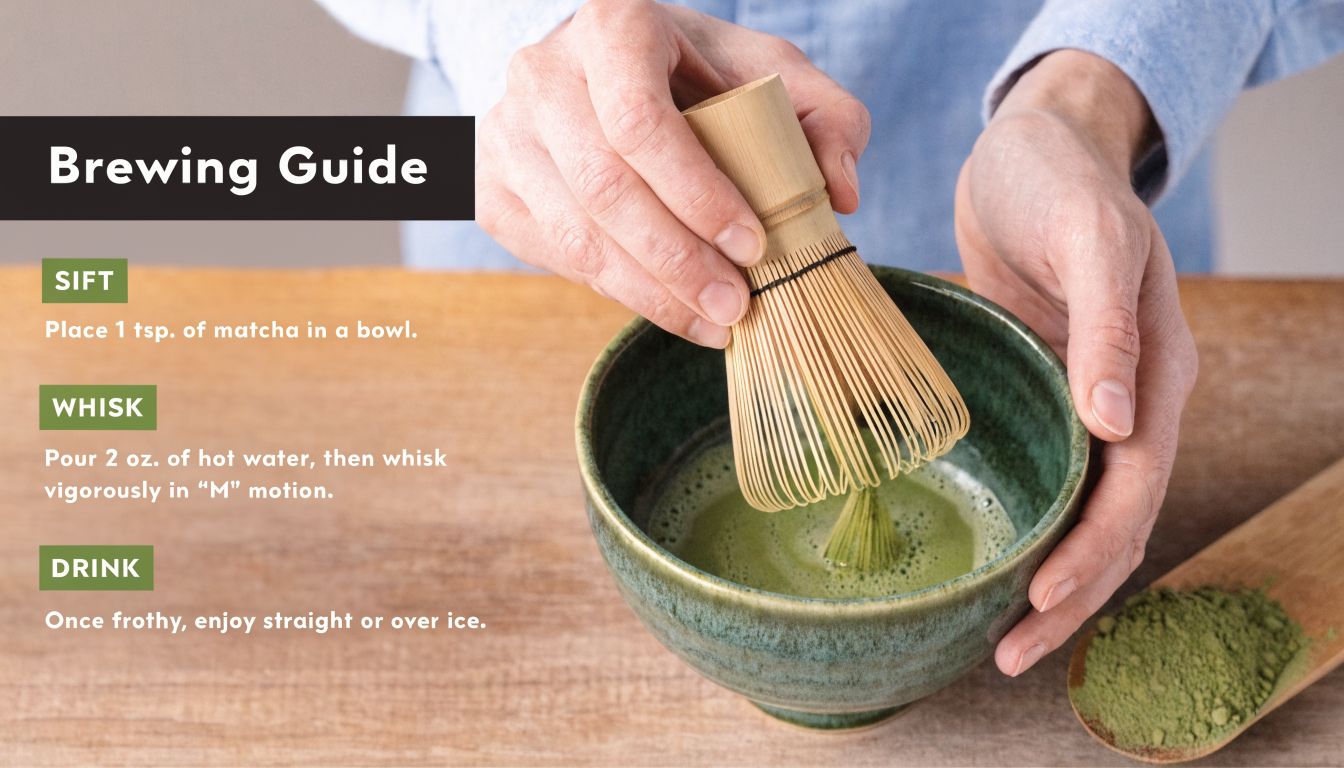
Traditional whisked matcha
If you want to understand Uji matcha properly, start with it on its own. This style lets you notice the creamy texture, the fresh aroma, and the gentle savoury sweetness that can get lost in milk.
What you’ll need
- A bowl large enough to whisk comfortably
- A bamboo whisk
- A small sieve
- Matcha powder
- Hot water, not boiling
Step by step
Warm the bowl
Swirl a little hot water in the bowl, then tip it out. This helps keep the temperature steady and makes whisking easier.Sift the powder
Matcha clumps easily because it is so fine. Sifting separates the powder so it blends more evenly with water.Add a small amount of water first
A splash is enough. Stir it into a smooth paste so you do not have dry pockets hiding at the bottom.Add more hot water
Water around 80°C usually gives a sweeter, rounder result. Boiling water can push the tea toward bitterness and bury the softer notes that make Uji matcha special.Whisk briskly
Use quick wrist movements until a light froth forms on the surface. You are aiming for a smooth suspension of tea in water, not heavy foam like a cappuccino.
Practical rule: If your matcha tastes harsh, check the water temperature first.
A simple home matcha latte
For plenty of Australians, a latte is the easiest way to turn matcha into a daily wellness habit. It fits the café rhythm many people already enjoy, but it can offer a steadier kind of lift for mornings and mid-afternoons.
Start with sifted matcha in a mug or bowl. Add a little hot water and whisk or stir until smooth. Then heat your milk separately and pour it in.
Dairy milk, oat milk, and soy can all work well. Oat milk is often the easiest starting point because its mild sweetness softens matcha’s savoury edge without covering up the tea completely.
If your latte tastes weak, the tea-to-milk ratio is usually the issue. Matcha should still be clearly present. You want harmony, not a green-coloured milk drink.
Here’s a visual guide if you like watching the whisking motion before trying it yourself:
Troubleshooting common problems
A disappointing cup does not always mean you bought the wrong matcha. Preparation errors are far more common, especially at the start.
Lumps in the drink
Sift the powder before adding water, and make a paste first.Too bitter
Let freshly boiled water cool a little before using it.Weak flavour in a latte
Add more matcha or reduce the amount of milk.No froth
Use a wider bowl and whisk with faster, lighter wrist movement.
A few habits that improve every cup
The ritual does not need to be formal to feel grounding. A few simple habits can turn matcha from an occasional experiment into a clean, enjoyable part of everyday life.
- Keep your tools dry before adding powder
- Use fresh matcha rather than a tin that has been open too long
- Start small and adjust the strength to your taste
- Drink it soon after whisking for the best aroma and texture
Once the method clicks, making matcha stops feeling fussy. It becomes a small daily reset, one that tastes good and sits neatly alongside a healthier, more intentional routine.
Exploring Matcha Beyond the Teacup
One of the best things about uji matcha powder is that it isn’t limited to a bowl and whisk. Once you understand its flavour, you start seeing it as an ingredient, not just a drink.
That opens up a lot of possibilities for Australian kitchens, especially if you enjoy café-style drinks, low-fuss baking, or simple ways to make everyday food feel more interesting.
Cold drinks for warm afternoons
On a hot day, matcha becomes something else entirely. Whisk it with a little warm water first, then pour it over ice and milk for an iced latte.
If you want something more breakfast-like, blend matcha into a smoothie with milk, yoghurt, banana, or a mild fruit that won’t drown out the tea. The key is balance. Matcha has a savoury side, so it usually works better with creamy ingredients than with very sharp citrus.
Baking that still tastes like matcha
Culinary matcha shines here. It brings colour, aroma, and a gentle bitterness that can stop sweets from feeling one-note.
Good starting points include:
- Shortbread or biscuits, where butter carries the tea flavour well
- Simple cakes or muffins, especially with vanilla or white chocolate
- Yoghurt bowls and chia puddings, where a spoonful can change the whole profile
- Ice cream or nice cream, for a softer dessert-style expression
A common mistake is using too little. If you want visible colour and a recognisable matcha flavour, be confident enough with the quantity that the tea doesn’t disappear behind sugar and flour.
Matcha works best in recipes where there’s room for its grassy, umami character to remain noticeable.
Savoury uses that surprise people
Matcha gets underrated in this aspect. Used carefully, it can add depth to savoury dishes.
Try whisking a small amount into a salad dressing with oil and a mild acid. Or stir a pinch into a sauce where you want a subtle green, savoury note. Some cooks also dust it lightly over vegetables or use it in seasoning blends.
The trick is restraint. Matcha is concentrated. A little can lift a dish, while too much can flatten it into bitterness.
A pantry ingredient, not just a wellness trend
When people only think of matcha as a health drink, they miss half the fun. It can become part of your broader food routine.
One day it’s a morning latte. Another day it’s folded through a biscuit dough. Another day it adds a fresh edge to a dressing for lunch. That kind of versatility is what makes culinary-grade matcha especially useful. It earns its place in the cupboard because it does more than one thing well.
How to Store and Buy Authentic Uji Matcha
Good matcha is delicate. Light, heat, air, and moisture all work against it. If you’ve ever opened an old tin and found the colour duller and the aroma flatter, that’s usually storage talking.
Buying well matters. Storing well matters just as much.
How to store it once opened
The goal is to protect freshness for as long as possible.
- Keep it sealed tightly after each use
- Store it away from heat and light
- Avoid moisture from steamy kitchens or wet scoops
- Use a clean, dry spoon every time
If you refrigerate matcha, keep it sealed well so it doesn’t absorb odours. Before opening a chilled tin, let it come to room temperature so condensation doesn’t settle into the powder.
What authenticity looks like in practice
You don’t need to be a tea judge to shop more confidently. You just need a few filters.
Look for:
- Clear origin information that names Uji or Kyoto, Japan
- A vibrant green colour rather than swampy or brownish tones
- A fresh aroma that smells lively, not stale
- Organic certification, if that matters to your buying standards
- A seller who explains grade and intended use clearly
If a product description is vague, that’s useful information in itself. Good tea usually comes with good traceability.
Buying for your actual routine
A lot of buyers overpay because they purchase the most premium-sounding option without thinking about use. If you mostly make lattes and smoothies, choose a matcha suited to that. If you love whisking plain tea, spend more on a finer drinking grade.
Cafés and retailers think this way too. If you work in hospitality and want to better understand how product quality, brand trust, and education influence buyer decisions, this Food & Beverage Marketing Guide offers a useful commercial lens.
A final buyer checklist
Before you click “add to cart”, pause and ask:
- Is the origin clearly stated?
- Is the grade appropriate for how I’ll use it?
- Does the colour suggest freshness?
- Does the brand explain the tea in plain, specific language?
- Will I realistically finish it while it’s still tasting its best?
Those questions protect you from a lot of disappointing purchases. They also help you appreciate why authentic uji matcha powder earns such loyalty among people who care about flavour, ritual, and a cleaner kind of daily energy.
If you’re ready to put this into practice, explore Pep Tea for organic matcha options suited to everyday whisking, café-style lattes, and creative kitchen use.