
Tag: matcha latte health
Is Matcha Green Tea Latte Good for You? a Real Look

A matcha green tea latte can be a healthy everyday drink or a sugar bomb in disguise, depending almost entirely on how it's prepared. A standard iced serving sold in Australia contains 240 kJ, 28 g of carbohydrate, 26 g of sugar, and 75 mg of caffeine, while an unsweetened preparation can look very different.
So, is matcha green tea latte good for you? The honest answer isn't a simple yes or no. Matcha powder, milk, sweeteners, serving size, and brewing strength all shape what ends up in your cup. The same vivid green drink can support a lower-sugar routine when whisked with unsweetened milk, or become closer to a sweet café treat when made with syrup, sweetened powder, and a large milk base.
A tea professional would start with the ingredient system, not the marketing around the word “matcha”. Let's look at what changes the experience, from whole-leaf processing and caffeine to powder quality, milk choice, and the sweetener hiding in many café recipes.
What Makes a Matcha Latte Different From Your Usual Coffee
Matcha starts with a different physical format from both steeped green tea and brewed coffee. Producers shade tea plants before harvest, then process the leaves and grind them into a fine powder. When you drink matcha, you consume the powdered leaf rather than drinking water that has passed over or through the leaves.
That distinction matters because the whole leaf brings along its naturally occurring polyphenols, catechins, chlorophyll, caffeine, and amino acids. Published analyses report total polyphenols in matcha at 169–273 mg GAE/g and caffeine at 18.9–44.4 mg/g. You can read the compositional analysis in this peer-reviewed matcha study.
The taste is part of the quality signal
Good matcha usually has an earthy, savoury umami character, with gentle vegetal sweetness and a rounded finish. Coffee offers roasted aromas and bitterness, while steeped green tea tends to taste lighter because the leaf remains outside the cup.
A harsh or dusty flavour doesn't automatically mean matcha is unsafe, but it can indicate a powder that needs help from sugar or flavouring. Culinary matcha has a stronger flavour profile designed to work in baking, smoothies, and other recipes. Ceremonial-style matcha is generally selected for drinking, where colour, aroma, texture, and balance are easier to notice.
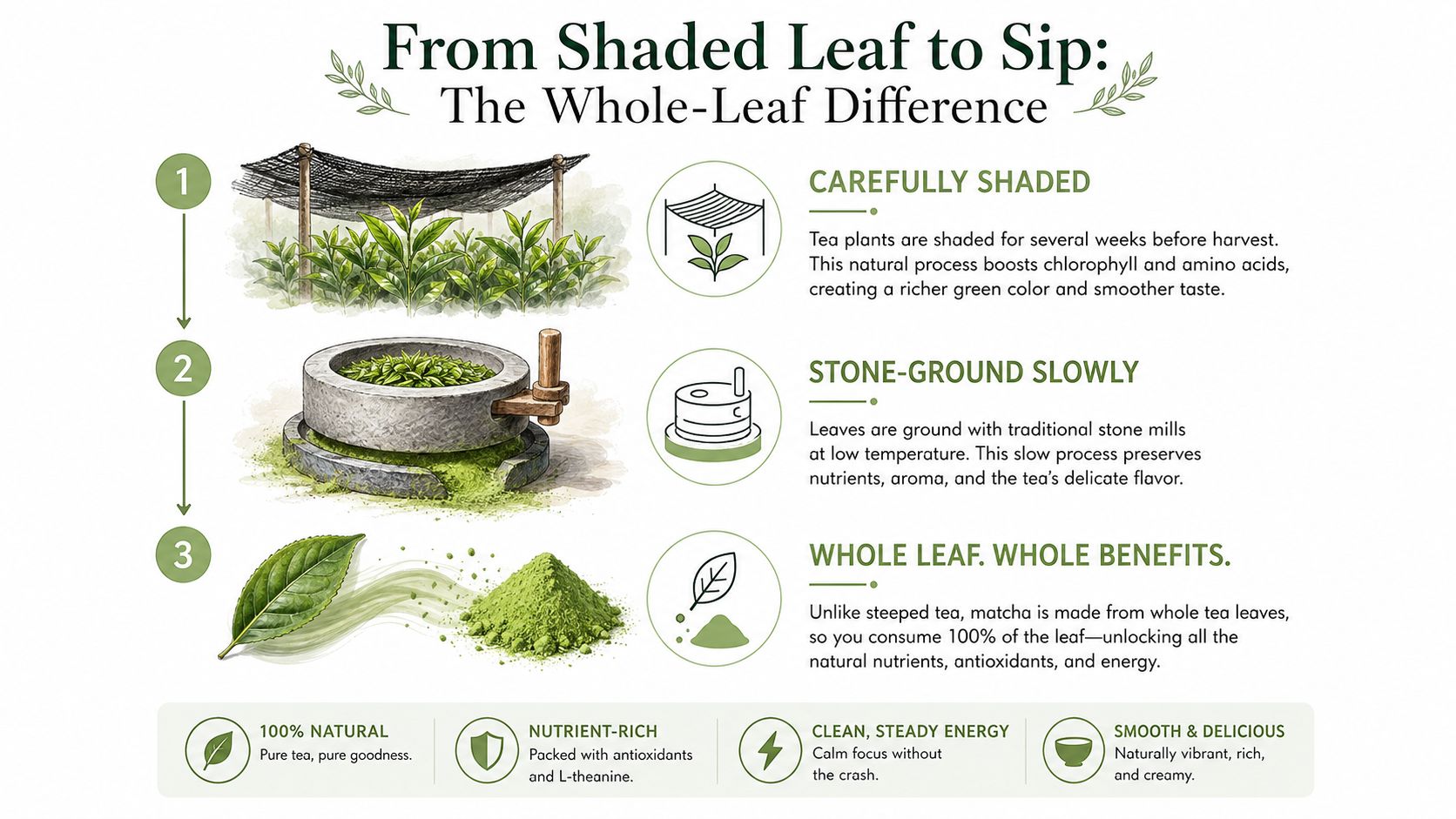
Practical rule: Judge the latte by three levers, powder grade, milk choice, and sweetener load. Those choices often matter more than the word “matcha” on the menu.
Antioxidants and L-Theanine Inside a Genuine Matcha Powder
Matcha is often discussed as an antioxidant-rich tea because the whole powdered leaf remains in the drink. Its catechins include EGCG, a compound associated with antioxidant activity, along with other plant compounds such as rutin, quercetin, and chlorophyll. Australian nutrition guidance describes EGCG as being investigated for antioxidative, antiviral, anti-inflammatory, anti-obesity, and hypolipidemic effects, while also stressing that more research is needed for most health conditions. The same guidance discusses a commonly recommended green tea intake of 2 to 3 cups daily, providing about 240 to 320 mg of polyphenols. You can explore that cautious overview in Australian green tea nutrition guidance.
The important distinction is exposure, not magic. A steeped tea infusion extracts some compounds into water, while matcha leaves the finely ground leaf in the cup. That can make matcha more concentrated, but it also means the amount of powder used and the quality of the product matter.
Why L-Theanine feels different
L-Theanine is an amino acid naturally present in tea. Matcha drinkers often describe the combination of caffeine and L-Theanine as calm focus, but individual responses vary. It shouldn't be treated as a guarantee against jitters, anxiety, or an afternoon energy dip.
Water temperature also affects flavour. Boiling water can make matcha taste more bitter and less smooth, encouraging people to add more sweetener. A gentler approach helps preserve the drink's delicate texture and allows the umami character to remain noticeable.
| Compound | Matcha Latte Serve | Steeped Green Tea |
|---|---|---|
| Catechins and other polyphenols | Whole powdered leaf is consumed, so the drink may provide a concentrated amount | Compounds are extracted into the infusion, with the leaves discarded |
| Caffeine | A moderate stimulant dose, shaped by the powder amount | Lower concentration varies with tea and brewing |
| L-Theanine | Naturally present in the leaf powder | Present in green tea infusion |
| Chlorophyll | Consumed with the powdered leaf | Less directly consumed because leaves are removed |
For readers interested in the relationship between this amino acid and matcha, PepTea explains L-Theanine in matcha green tea. The sensible conclusion is that matcha may contribute useful plant compounds, but it isn't a cure-all. A low-sugar recipe lets those qualities remain part of a balanced beverage rather than burying them under sweetness.
Caffeine Compared With Coffee, Black Tea, and Green Tea
Is matcha closer to green tea or coffee for caffeine? It depends on the powder amount, milk, and serving size. Australian reporting places a 250-millilitre cup of matcha at about 60–75 mg of caffeine, compared with about 24–45 mg for green tea and about 100 mg for coffee in the same volume. These figures are summarised in Australian reporting on matcha and coffee caffeine.
Black tea also varies. The Australian Institute of Sport lists green tea at about 30–50 mg per 250 mL cup and black tea at 25–110 mg per 250 mL cup. The range makes the drink name an incomplete guide. Powder grade and quantity, cup size, and the recipe all shape the final caffeine dose. A further benchmark appears in this Australian matcha caffeine reference.
What changes the caffeine in your cup
A small homemade latte using a modest amount of powder will usually contain less caffeine than a large café drink made with a generous scoop. Milk changes texture and flavour, not the caffeine from the matcha itself. A second caffeinated drink later in the day also adds to your overall intake.
Some people experience matcha as a steadier lift than coffee. The tea's natural combination of caffeine and L-Theanine may contribute to that impression, but it does not remove caffeine's effects. If you are prone to palpitations, anxiety, disrupted sleep, or caffeine headaches, choose the powder amount and timing with care.
A useful comparison: Matcha often sits between ordinary green tea and coffee for common serving sizes. “Natural” describes the source, not an absence of stimulant effects.
The Sugar Question Most Matcha Latte Advice Skips Over
The most important question may be what else is in the cup. A matcha latte made with unsweetened powder and plain milk is a different beverage from one made with flavoured syrup, vanilla sauce, sweetened milk, or condensed milk.
An Australian standard iced matcha green tea latte provides 26 g of sugar and 28 g of carbohydrate per serving, alongside 75 mg of caffeine and 240 kJ. Those figures come directly from the Australian product nutrition information for an iced matcha latte. The matcha may still contribute catechins, but the added ingredients change the overall nutritional picture.
Read the order as an ingredient list
Cafés often use sugar to soften bitterness, especially when the powder is culinary grade or when the drink is served cold. The common additions include:
- Flavoured syrups: Vanilla, caramel, or other syrups can make the latte taste more like a dessert.
- Sweetened powders: Some commercial matcha blends contain sugar before the powder reaches the shaker.
- Honey or maple syrup: These may sound more natural, but they still add free sugar.
- Condensed milk: This creates a rich texture and pronounced sweetness, but it can substantially increase the sugar content.
| Drink Preparation (Large/16 oz) | Approx. Added Sugar | % of WHO Daily Free-Sugar Limit (25 g) |
|---|---|---|
| Unsweetened matcha with unsweetened milk | No added sugar from the recipe | Not applicable |
| Sweetened café-style matcha | Varies by powder, syrup, and milk | Check the café nutrition panel |
| Standard iced Australian café example | 26 g total sugar per serving | Compare with the 25 g reference limit, noting that total sugar isn't automatically the same as added sugar |
The table needs a careful reading. The Australian product figure is total sugar, so it shouldn't be relabelled as added sugar without a full ingredient breakdown. It still demonstrates why a reader should ask whether the café uses sweetened matcha or milk. For a practical recipe without added sugar, see PepTea's guide to making a sugar-free matcha latte.
An unsweetened Australian matcha latte blend can list only 0.2 g of sugars per serving while still containing caffeine, showing that the ingredient system, not matcha powder alone, determines whether the drink is low sugar. Naturally occurring lactose in dairy milk isn't the same as added sucrose from syrup, so you don't need to demonise milk or sweetness. You need to know which type you're drinking and how much has been added.
Milk Choices and a Simple Home Method for a Healthier Cup
Milk changes more than the colour of a matcha latte. It affects body, foam, flavour, protein, fat, and any sugar already present in the carton. Dairy milk usually provides a familiar creamy texture and useful protein, while skim milk creates a lighter drink. Soy milk can foam well and brings plant protein, whereas almond milk is lighter and often less creamy.
Oat milk gives a naturally soft, sweet flavour, but barista-style versions can contain added oils and sweeteners. Coconut milk contributes a distinctive richness, while almond and coconut options may provide less protein than dairy or soy. Always check the ingredient panel, especially for “barista” blends, because recipes differ between brands.
A reliable home method
- Sift the powder. Use 1–2 g of ceremonial-grade matcha to remove clumps and create a smoother texture.
- Add hot water. Pour in 60 mL of hot water below 80°C, then whisk until the powder forms a smooth, lightly frothy suspension.
- Warm the milk. Heat 200–220 mL of your chosen milk separately. Don't boil it, as overheating can flatten the flavour.
- Combine gently. Pour the milk into the whisked matcha and taste before sweetening.
- Adjust only if needed. Unsweetened vanilla can add aroma without much sweetness. If you prefer maple syrup, start with half a teaspoon and see whether you still taste the tea.
The water temperature is a practical quality control step. Very hot water can intensify bitterness, which often leads to a heavier pour of syrup. Unsweetened milk also keeps the drink closer to the whole-leaf tea you intended to enjoy.
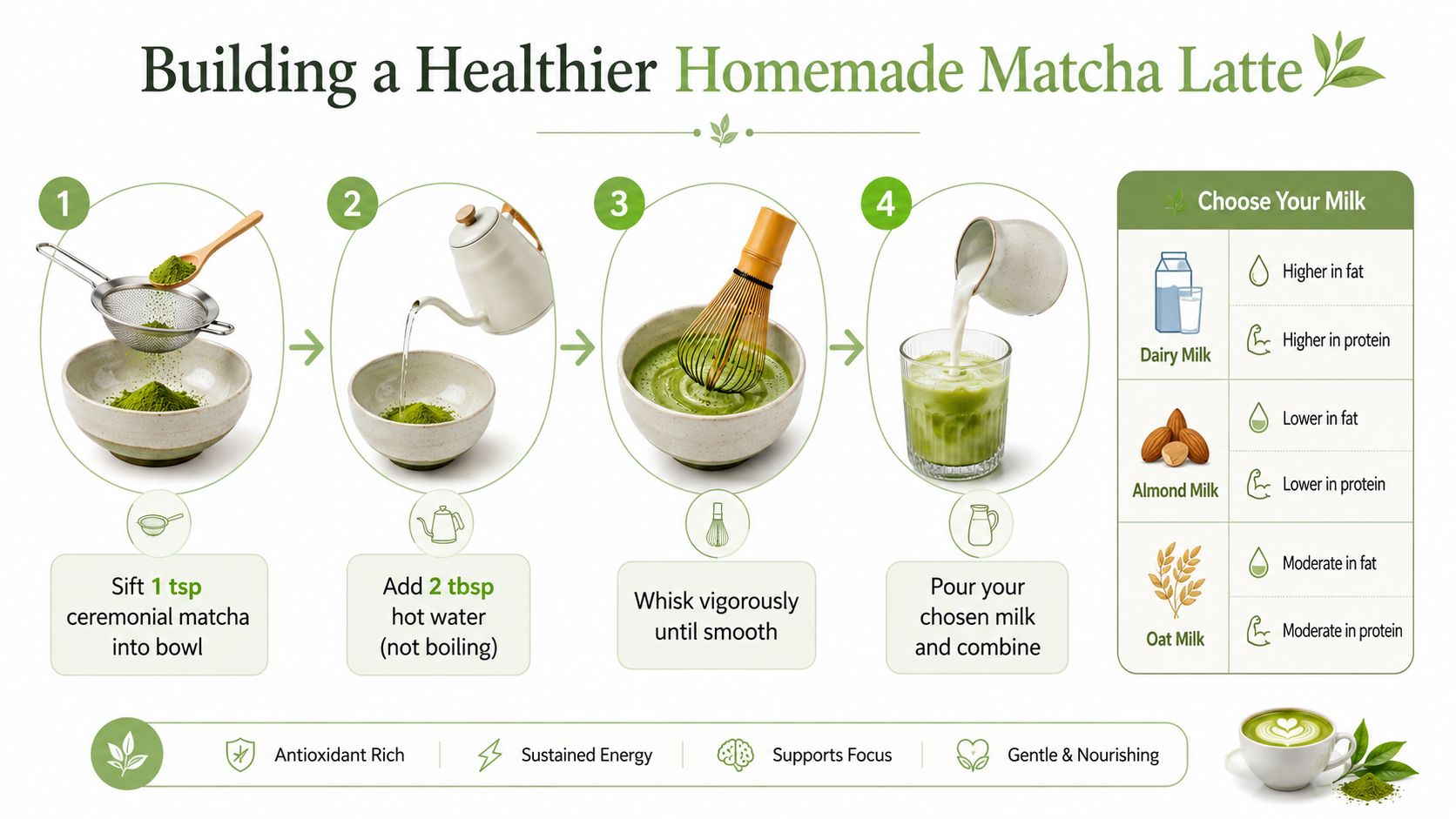
If you're developing café recipes or preparing a menu, a clear visual recipe card can help staff and customers understand the ingredients. Resources designed to boost conversions with food templates can also make preparation instructions easier to present.
For a more detailed home version, use PepTea's matcha green tea latte recipe.
Who Should Adjust Their Matcha Latte Habits
Who benefits from adjusting a matcha latte habit? The answer depends on three levers: how much powder is in the cup, when you drink it, and how much caffeine you consume from other sources. Pregnancy, childhood, and caffeine sensitivity call for more careful choices than a general wellness label suggests.
Pregnancy and breastfeeding
Australian guidance commonly uses a 200 mg daily limit during pregnancy, counting caffeine from coffee, tea, cola, energy drinks, chocolate, and supplements. A typical 250 mL matcha cup contains about 60–75 mg, so one latte earlier in the day may fit for many people, provided the rest of the day's intake is included. As noted earlier, matcha caffeine can vary with the amount and preparation of powder.
Personal circumstances still matter. Ask your midwife, doctor, or pharmacist for advice, especially if you have a pregnancy complication or medication concern. A smaller, unsweetened latte with food is easier to account for than a large, heavily sweetened café drink.
Children and teenagers
Matcha contains caffeine, so it is not the same as a caffeine-free green drink. Young children generally do not need caffeinated beverages, while adolescents should keep intake modest, particularly when a café latte also carries substantial sugar.
A warm milk drink without matcha can preserve the café ritual without adding caffeine. For a child, a sweetened matcha latte fits better as an occasional treat than as a daily wellness drink.
Caffeine-sensitive adults
If coffee causes a racing heart, nervousness, headaches, or poor sleep, begin with less matcha powder. A smaller cup, food alongside the drink, and a morning serving make your response easier to observe.
People with palpitations or relevant medical conditions should discuss caffeine with a healthcare professional. Matcha's plant origin does not remove the need to consider individual tolerance, medications, and health conditions.
Late-day drinkers
Caffeine may affect sleep even without a strong feeling of stimulation. If an evening latte keeps you awake, move it earlier, reduce the powder, or choose a caffeine-free drink. Keeping matcha to the morning or early afternoon, then watching your sleep, gives you a more useful answer than assuming every cup has a “smooth” effect.
| Audience | Daily Caffeine Ceiling | Suggested Matcha Latte Approach | Best Drinking Window |
|---|---|---|---|
| Pregnant people | 200 mg per day across all sources | Count every caffeinated drink and discuss personal advice with a clinician | Morning, preferably with food |
| Children | No general daily matcha habit recommended | Choose caffeine-free alternatives | Not applicable |
| Caffeine-sensitive adults | Individual tolerance matters | Use less powder and a smaller serving | Early day |
| Late-day drinkers | Individual sleep response matters | Avoid evening servings if sleep changes | Morning or early afternoon |
Key Takeaways and Common Questions About Matcha Lattes
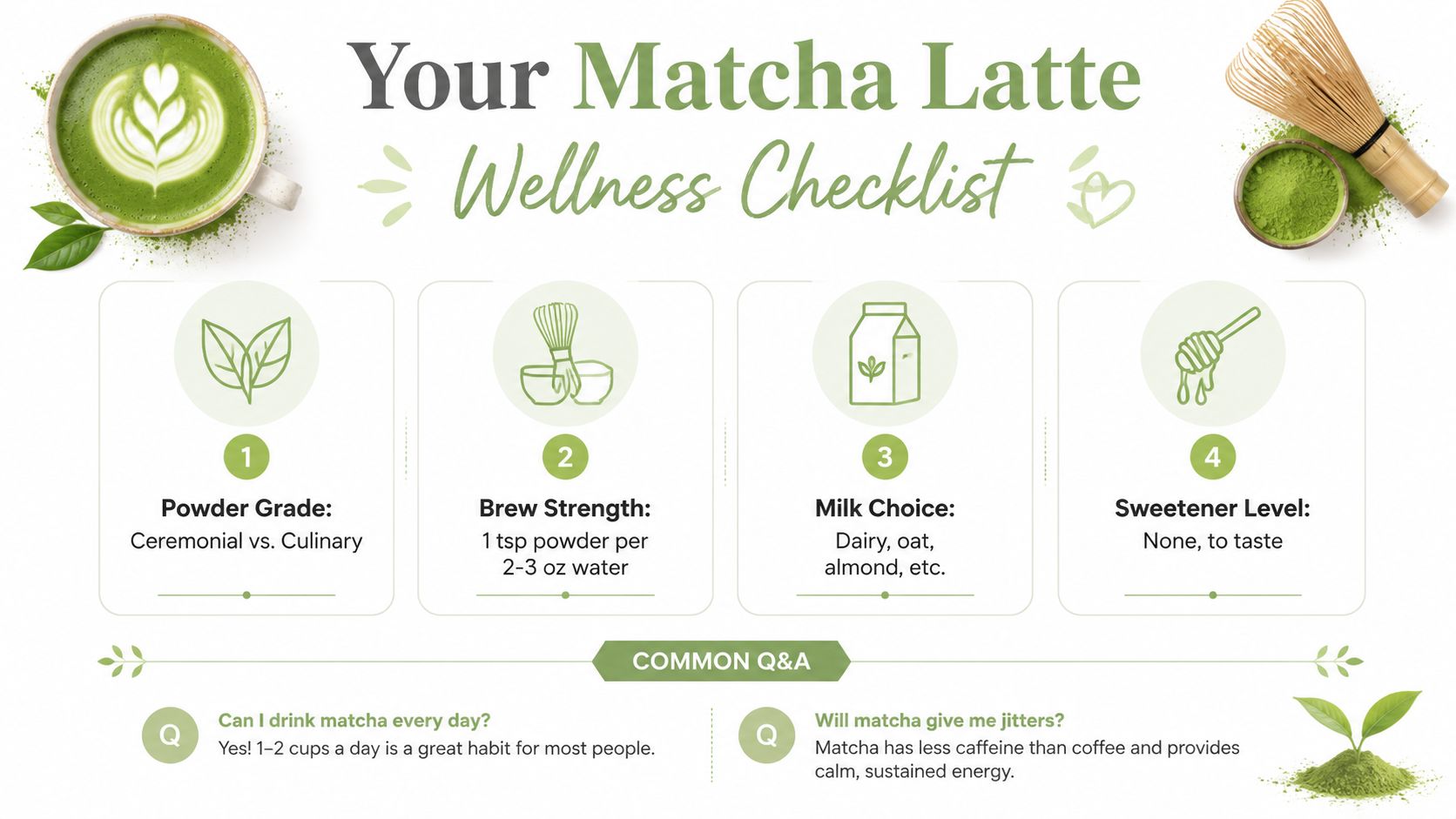
A good answer to “is matcha green tea latte good for you” comes down to four checks:
- Powder grade: Use a drinking-grade powder when you want a smooth latte, and reserve culinary powder for recipes where stronger flavour will be balanced.
- Brew strength: More powder means more caffeine and more concentrated leaf compounds.
- Milk choice: Select dairy or plant milk according to your protein, texture, allergy, and sugar preferences.
- Sweetener level: Start without added sugar, then add the smallest amount that makes the drink enjoyable.
Can a matcha latte help with weight management?
Matcha shouldn't be marketed as a weight-loss treatment. Its catechins and caffeine make it a functional beverage, but the latte can become energy-dense when you add syrup, sweetened milk, or condensed milk. The practical move is to reduce added sugar and treat matcha as one part of an overall eating pattern.
How often can I drink one?
A moderate routine may suit many adults, but there isn't one universal serving limit that works for everyone. Count the caffeine from your entire day, pay attention to sleep and anxiety, and reduce the amount if your body signals that the drink is too strong.
Does an iced matcha latte have the same benefits?
Cold preparation doesn't remove the powdered leaf, so an iced drink can still provide matcha's characteristic plant compounds. The bigger issue is the recipe. Ice, unsweetened milk, and plain matcha create a different drink from a sweetened café blend with syrup.
Should leftover matcha be refrigerated?
Matcha is sensitive to air, light, heat, and moisture. Store the powder sealed in a cool, dry, dark place and use clean, dry utensils. A prepared latte is best consumed fresh, particularly if it contains milk, rather than left sitting for long periods.
Pep Tea offers organic Japanese matcha for drinking and cooking, along with practical guidance for preparing lower-sugar lattes at home. Visit Pep Tea to explore the matcha range and choose a powder that suits your preferred cup.