
Tag: matcha barista tips
Matcha Coconut Milk Guide: Ratios, Recipes, and Pro Tips
You're halfway through making a matcha latte at home, or you've just ordered one at a café, and the drink in front of you tastes richer, sweeter, and a bit more rounded than the one you made last week. Nine times out of ten, the difference isn't the whisking. It's the coconut milk.
In Australia, matcha coconut milk sits right where premium tea and plant-based milks meet, which is why it shows up so often on café menus and in home kitchens. The drink can be creamy and balanced, but the result changes a lot depending on whether you use canned full-fat coconut milk, a barista carton, or a lighter carton version. That choice affects texture, froth, flavour, and even how the matcha lands on the palate.
For a quick gut-check on matcha's broader appeal, PepTea has a useful overview of matcha tea powder as a powerhouse of antioxidants, which helps explain why so many people want to build a better latte around it. Coconut milk can absolutely work with matcha, but it works best when you match the milk format to the drink you want.
Why Matcha and Coconut Milk Work So Well Together
The first time a coconut milk matcha really clicks, it usually happens in a café. The drink arrives with that vivid green top, a soft creaminess underneath, and enough natural sweetness that you don't need to pile on syrup to make it pleasant. At home, the same thing can happen, but only if the coconut milk suits the style of drink you're making.
Matcha has a grassy, umami edge that can feel sharp if it's whisked into plain water and served without balance. Coconut milk softens that edge because its fat carries flavour and its natural sweetness rounds off bitterness. That's why it feels like such an obvious pairing in iced lattes, blended drinks, and café-style hot drinks, especially in Australia where plant-based menu options are now part of everyday ordering rather than a special request.
The commercial side matters too. A 2026 industry snapshot reported that matcha latte sales in Australian cafés reached AUD 50 million in 2023 worldmetrics.org. That doesn't just tell you matcha is trending, it explains why cafés keep testing different milk bases and why coconut milk keeps showing up on the board. It's one of the few dairy alternatives that can make matcha feel indulgent without needing cream.
The decision is simpler than most recipe posts make it sound. Don't start with “matcha coconut milk” as if it were one fixed drink. Start with the format of the coconut milk, then build the texture and flavour from there.
Practical rule: if you want a richer, rounder latte, choose the coconut milk first, then adjust matcha strength second.
Core Ratios and Equipment You Need Before You Start
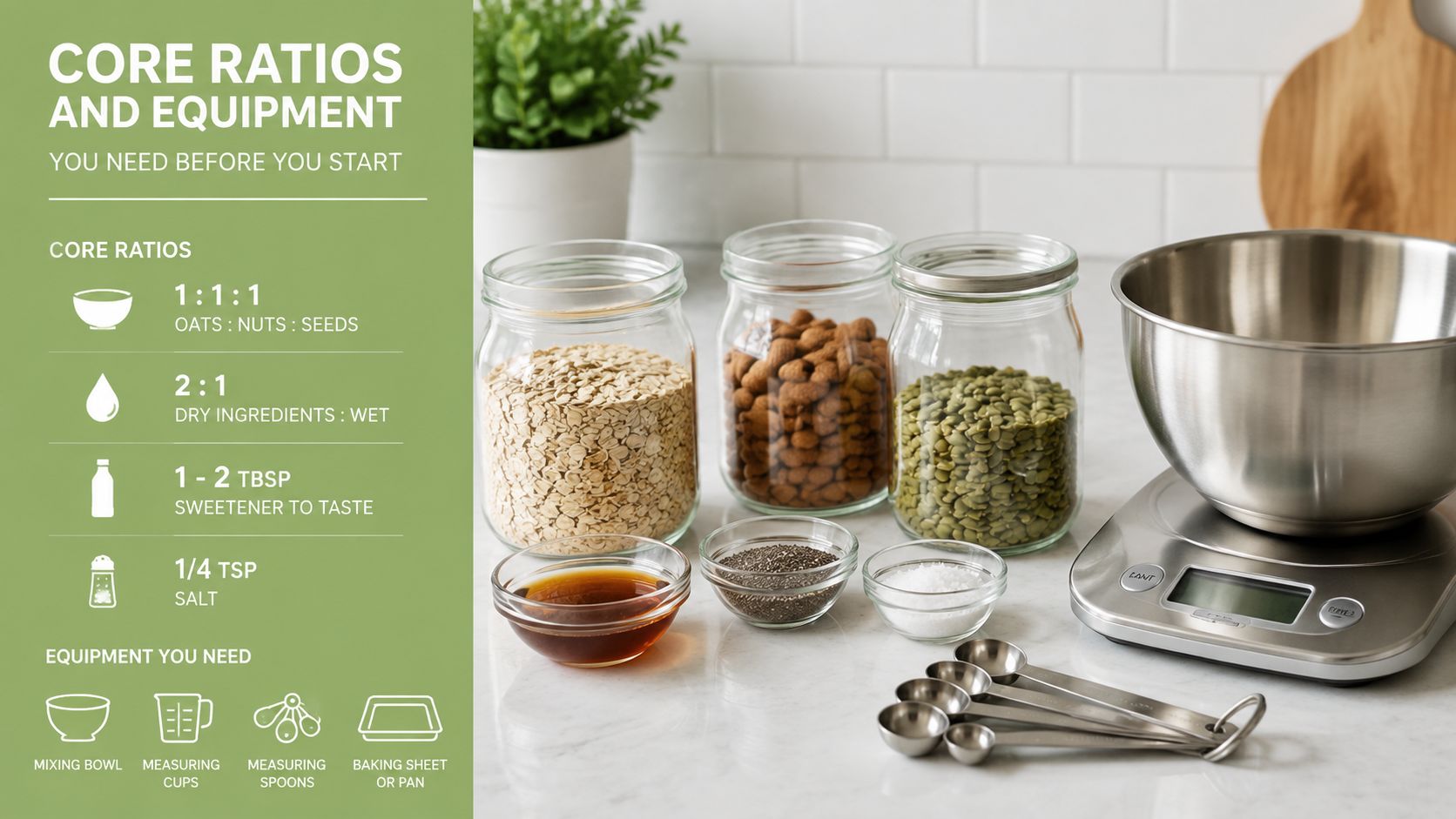
A good matcha coconut milk drink starts with a small, repeatable formula. For a home latte, a solid base is 2 g matcha to 30 ml hot water, then 180 to 220 ml coconut milk depending on how creamy you want the cup to feel. For a café-strength serve, 3 g matcha to 45 ml hot water with 220 to 250 ml coconut milk gives a stronger tea note that still holds up after ice or foam is added.
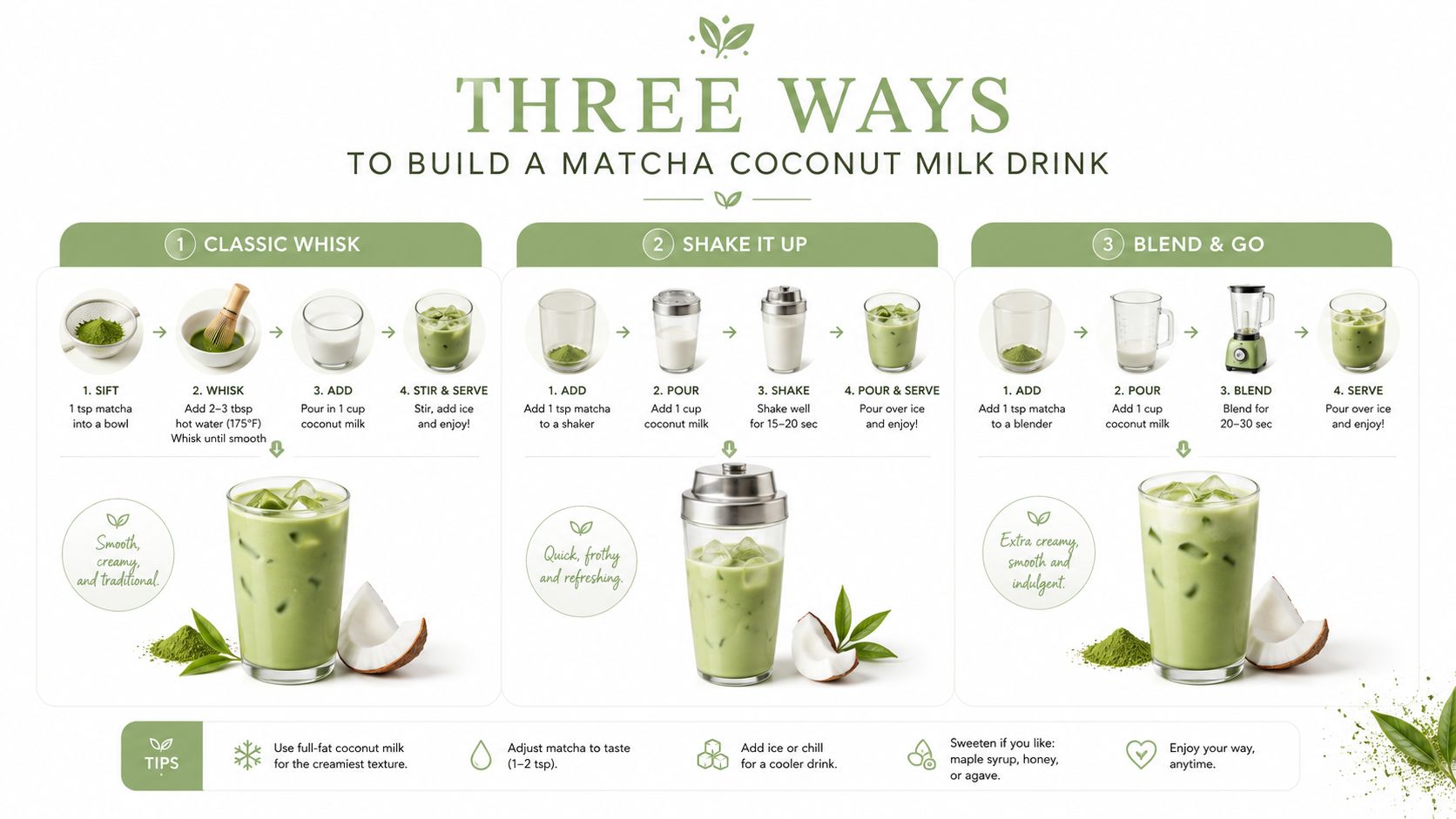
Water temperature matters just as much as the ratio. Keep it around 80°C, not boiling, so the matcha doesn't scorch or turn harsh. Whisk the powder into the hot water first, then add coconut milk after the matcha is smooth. If you dump everything together at once, you'll often get clumps or a flatter colour.
Your kit doesn't need to be fancy, but it does need to be the right kind of simple. A bamboo chasen gives you the best whisked texture, though a handheld frother works well for quick service. A fine sieve helps stop little green pockets from forming. A kitchen scale keeps the matcha dose consistent, and a small milk pitcher makes pouring cleaner, especially if you're layering a hot latte.
Key takeaway: whisk matcha and water first, keep the water near 80°C, then add coconut milk after the paste is completely smooth.
A small café counter setup makes the process easier if you're doing this daily. PepTea's matcha tea accessories page is a useful reference point for the sort of basic tools that make repeatable drinks less fiddly.
Choosing the Right Coconut Milk for the Job
Most recipes go vague and then wonder why the drink split, looked thin, or tasted oddly flat. In practice, canned full-fat coconut milk, barista-blend carton coconut milk, and light carton coconut milk behave very differently in matcha.
| Coconut Milk Formats for Matcha Drinks | Typical Fat % | Froth Behaviour | Best For | Watch Out For |
|---|---|---|---|---|
| Canned full-fat | Higher, usually the richest format | Thick, creamy, not ideal for light foam | Blended drinks, iced lattes, dessert-style serves | Can feel heavy and very saturated |
| Barista carton | Moderate, formulated for steaming | Best foam stability and pour control | Hot lattes, café service, layered drinks | Check for added sweeteners or flavours |
| Light carton | Lower | Thin foam, lighter body | Lower-calorie menus, smaller drinks | Can taste watery and struggle to hold matcha well |
Commercially listed nutrition makes the differences obvious. A typical coconut-milk matcha latte can sit around 38 kcal per 100 ml or 76 kcal per 200 ml serving, with 1.5 g fat per 100 ml and 4.3 g carbohydrate per 100 ml in one formulation Phytomorphology review. Another listed coconut-milk matcha example comes in at 120 calories, 7 g fat, 10 g carbohydrates, and 2 g protein per 240 g serving Eat This Much.
For café work, the practical benchmark is the fat band. Coconut milks in the 12 to 20% fat range tend to give the best mouthfeel and foam support, while products below 8% often drink too thin for a proper latte texture Alibaba guide. That's why canned works so well in blended drinks, barista cartons perform better in hot service, and light cartons are mainly for people deliberately chasing a thinner cup.
Three Ways to Build a Matcha Coconut Milk Drink
Hot Latte With Barista Coconut Milk
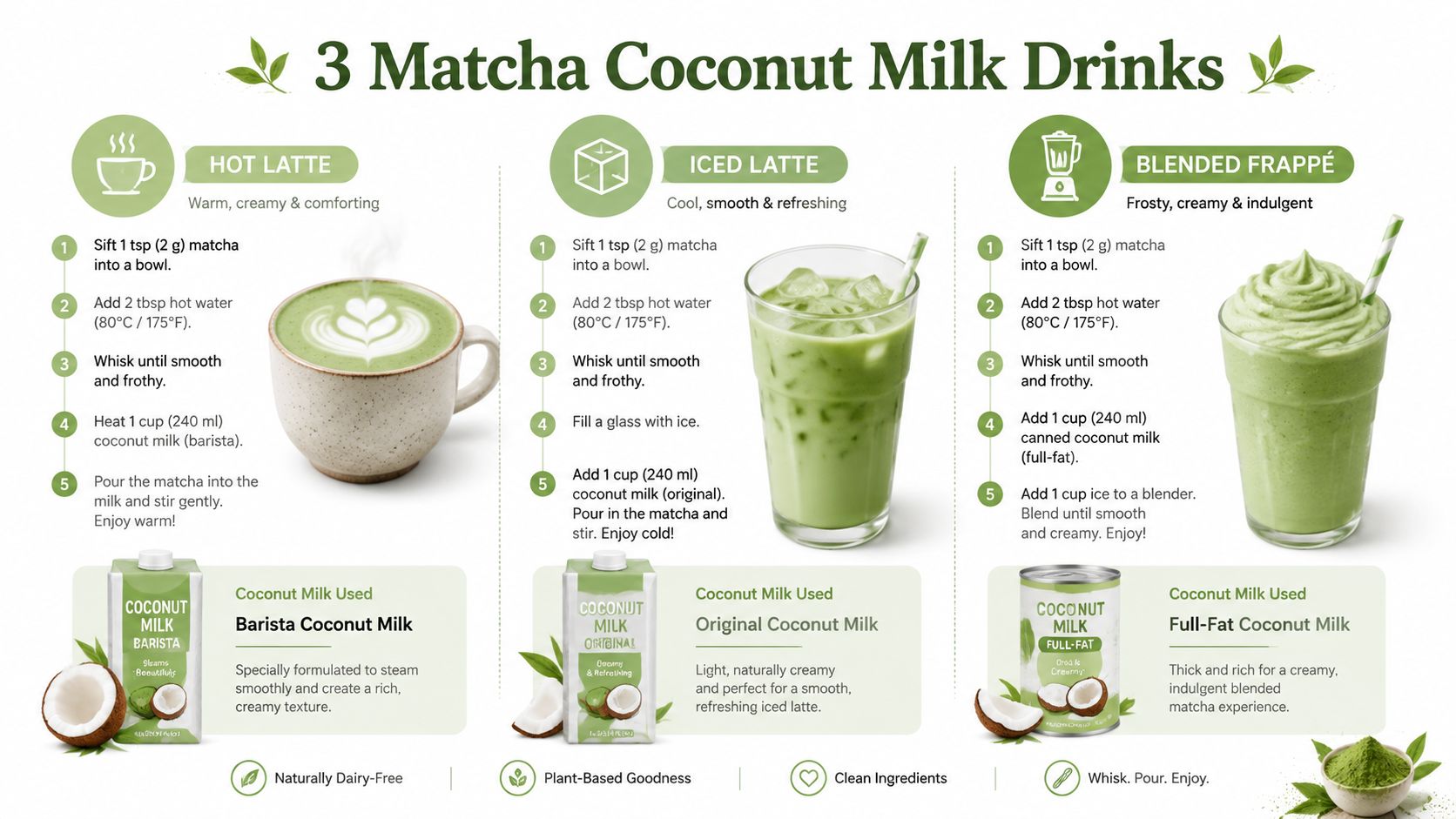
Use 2 g matcha, 30 ml water at about 80°C, and 180 ml barista coconut milk. Sift the matcha, whisk the water into a smooth paste, then steam the coconut milk to around 60 to 65°C so it stays stable and doesn't split. Pour the milk slowly into the matcha, then finish with a thin layer of foam.
If you're working by hand, keep the whisk tight and fast for about 15 to 20 seconds. The goal is a glossy surface, not a mountain of bubbles. A small milk pitcher helps you pour in a steady line instead of dumping the milk and flattening the top.
Iced Latte With Canned Coconut Milk
For a colder, richer drink, use 3 g matcha, 45 ml water, 120 ml plain water or milk base if you like a longer drink, and 100 to 120 ml canned full-fat coconut milk. Whisk the matcha with hot water first, then add a little room-temperature liquid if you want it looser, and pour over ice only after the matcha is fully dissolved.
The trick is to pour the coconut milk down the side of the glass so the foam sits on top rather than disappearing into the ice. This works especially well in a tall glass where the layers can show. It's also the version that handles sweetness best if you want to add a touch of maple or vanilla.
Blended Frappé With Lighter Coconut Milk
For a blended drink, use 2.5 g matcha, 40 ml hot water, 150 ml light coconut milk, and a good handful of ice. Blend for 20 to 30 seconds until the texture looks smooth and aerated, not watery. If the drink comes out too thin, the coconut milk is probably too light for the style.
This version is useful when you want the matcha flavour without the density of canned milk. It works better with a lighter carton than with a heavy one, because the blend stays colder and less claggy. The colour also stays bright if you blend only until the ice breaks down.
Nutrition, Antioxidants, and the Coconut Milk Trade-Off
Coconut milk makes matcha feel more luxurious, but it also changes what the drink is doing nutritionally. One listed coconut-milk matcha latte comes in at 129 calories, 11 g fat, 12.9 g carbohydrate, and 0.99 g protein in a 330 g serving, with 10 g saturated fat making up 50% of daily value worldmetrics.org. Another listing shows 265 calories, 25 g fat, 8 g carbohydrates, and 3 g protein in a 150 ml coconut-milk matcha serve Arise app. That spread tells you how much the final cup shifts with formulation and portion size.
The more important functional point is what happens to the matcha itself. A review of milk variants in matcha tea found that adding milk, regardless of source, significantly reduces matcha's antioxidant profile, including total phenolic content, total flavonoid content, DPPH radical scavenging activity, metal chelating ability, and ferric-reducing power Phytomorphology review. In plain language, the drink still tastes like matcha, but the antioxidant-dense profile of pure matcha is diluted once coconut milk goes in.
That's why I wouldn't sell this drink as a protein option or a low-calorie tea. In Australian cafés, it lands more naturally as a premium creamy functional beverage. If you want to keep the profile lighter, use a smaller serve, choose a lighter coconut milk, or make the matcha stronger so it doesn't disappear behind the fat.
Sweetened versions can add another layer. One commercial listing for Starbucks' Matcha Green Tea Latte with coconut milk shows 143 calories, 20.3 g sugars, and 60 mg caffeine per serving CalorieKing. That's useful as a calibration point, because it shows how quickly sugar can change the drink from creamy to sweetened café treat.
PepTea's guide on how many cups of matcha tea powder are safe per day is a sensible companion read if you're balancing strength, serving size, and how often you want to drink matcha coconut milk.
Frothing, Heating, and Sweetening Without the Mistakes
If the Milk Splits
Heat the coconut milk gently and stop at around 60 to 65°C. Go much hotter and the drink can separate, especially if you're using a thinner carton or a product with fewer stabilisers. Barista blends usually behave better because they include emulsifiers that hold the milk together under steam.
If the Foam Is Weak
The fat is probably too low. Light carton coconut milk can still taste fine, but it rarely gives you the same foam structure as a barista blend, and it'll often collapse before you finish the cup. If you want a proper cappuccino-style top, switch to a higher-fat format or use a stronger steam stretch and pour immediately.
If the Matcha Tastes Bitter or Chalky
The matcha wasn't fully whisked before it hit cold liquid. Always dissolve it into hot water first, then add the coconut milk after the paste is smooth. If you need sweetness, a little maple syrup or vanilla works more naturally with matcha than heavy sweeteners, and a small amount is usually enough.
For something different, a cold sugar-free kombucha topper can work well with an iced matcha coconut build when you want acidity instead of extra sweetness. PepTea's own Hunter Valley-brewed kombucha is one example of the kind of drink that can sit beside matcha rather than compete with it. That combo keeps the finish brighter, especially in summer service.

Serving It at Home, in a Café, or on a Wholesale Menu
A good café menu uses the coconut milk format on purpose. A hot ceremonial matcha coconut latte works well with barista coconut milk, a low-sugar iced matcha coconut can be finished with a kombucha top, and a blended frappé-style version suits canned or richer coconut milk when you want a dessert-like texture. For wholesale planning, it helps to think in terms of milk cost, matcha dose, and serve size rather than just “one latte recipe”, and a practical wholesale pricing structure guide can be useful when you're mapping margins for menu testing.
For home use, the path is simpler. Try one milk format, keep the matcha dose steady, and note how the mouthfeel changes. If the drink gets too heavy, switch to a lighter carton. If it turns thin, move up to a barista or canned format.
PepTea's organic matcha grades and sugar-free kombucha fit naturally into those use cases as reference products for café and home drinks, especially if you want a clean, low-sugar menu base. Use them as the benchmark, not the shortcut.
If you want a drink that fits your palate, start with one of these three steps today: swap one coconut milk format, and log the result on taste, foam, and body. Then build the version that suits your kitchen, your café, or your regular order.
Pep Tea offers organic matcha and sugar-free kombucha that slot neatly into café drinks and home recipes like the ones above. If you want to compare matcha formats, test coconut milk pairings, or build a cleaner drink list for your menu, visit Pep Tea and explore the range.