
Tag: health benefits of green tea
Organic Green Tea Leaves: Your Ultimate Aussie Guide
You pick up one box for a calming cup after dinner, then another for smoothies or baking, and suddenly the label words start blurring together. Organic. Natural. Pure. Premium. They sound reassuring, but they do not all tell you the same thing.
That's where many Australian tea drinkers get stuck.
Organic green tea leaves can be a lovely choice, but the practical question is simpler than the marketing. Are you looking at a tea that merely uses the word organic, or one that has been checked against recognised standards? In Australia, that difference matters because certified organic gives you something concrete. It means the growing and handling process has been assessed against defined rules, rather than left as a vague brand promise. If you want a clearer picture of what those rules involve, PepTea explains the basics of Australian organic certification standards for tea.
That distinction helps at shelf level. A certified organic loose leaf tea may suit your everyday ritual when you want a clean, steady cup with clear origin and careful processing. A brighter, more assertive green tea might be the better pick for iced tea, matcha-style drinks, or cooking, where flavour needs to hold up with milk, citrus, or heat. The leaf you choose should match how you will use it.
Health interest is part of the appeal, of course, but green tea is not magic in a packet. Its reputation comes from naturally occurring plant compounds such as polyphenols, including catechins like EGCG, alongside the way the leaf is grown, processed, and stored. Good tea is a bit like good produce from the farmers market. The ingredient matters, and so does the proof behind it.

Your Journey into the World of Green Tea
A good place to start is this. Green tea isn't one single thing.
Two packets can both say green tea and deliver completely different experiences in the cup. One might be brisk and refreshing. Another might be silky, savoury, and naturally sweet. That difference comes from growing conditions, harvesting, processing, storage, and whether the tea is sold as whole leaf, broken leaf, or powder.
Why people get stuck
Most shoppers aren't confused because tea is complicated. They're confused because labels blur together.
Words like organic, natural, clean, and premium often sit side by side, even though they don't mean the same thing. If you're trying to choose a tea for a calm daily ritual, a morning lift, or a matcha latte, those details matter. The right tea feels simple. The wrong one ends up at the back of the pantry.
Tea gets easier to buy once you stop asking “Which one is healthiest?” and start asking “Which leaf suits the way I'll actually use it?”
A more useful way to think about green tea
Instead of treating all green tea as one bucket, think about three practical questions:
- How will I drink it most often. A quick weekday cup, a slow whisked matcha, or an iced drink after lunch.
- What flavour do I enjoy. Fresh and grassy, sweet and umami-rich, or bold enough for smoothies and baking.
- What proof of quality do I want. Certified organic status, whole leaf appearance, clear origin, and careful storage.
That shift changes everything. You stop buying based on front-of-pack promises and start buying based on fit.
What matters most in this guide
If you remember only one idea, make it this. Organic green tea leaves are most useful when you match the leaf to the job.
A calming daily cup isn't the same as a culinary ingredient. A tea you steep gently in a mug isn't the same as one you whisk into a latte. And in Australia, the difference between a loose organic-style claim and a properly certified organic product matters for safety, sourcing, and trust.
What Makes Green Tea Leaves Truly Organic in Australia
You see two packs on the shelf. One says organic in big green letters. The other says certified organic and gives clear details about the standard behind the claim. They may look similar, but they are not offering the same level of proof.
That distinction matters in Australia because tea is sold as a food product, not just a wellness item. Products sold here must meet the Australia New Zealand Food Standards Code for food safety and contaminant limits. Organic claims also sit within a recognised regulatory framework, as explained in this review of regulation and standards relevant to tea and food products.
Organic and certified organic are not interchangeable
This is the point that catches many Australian tea buyers.
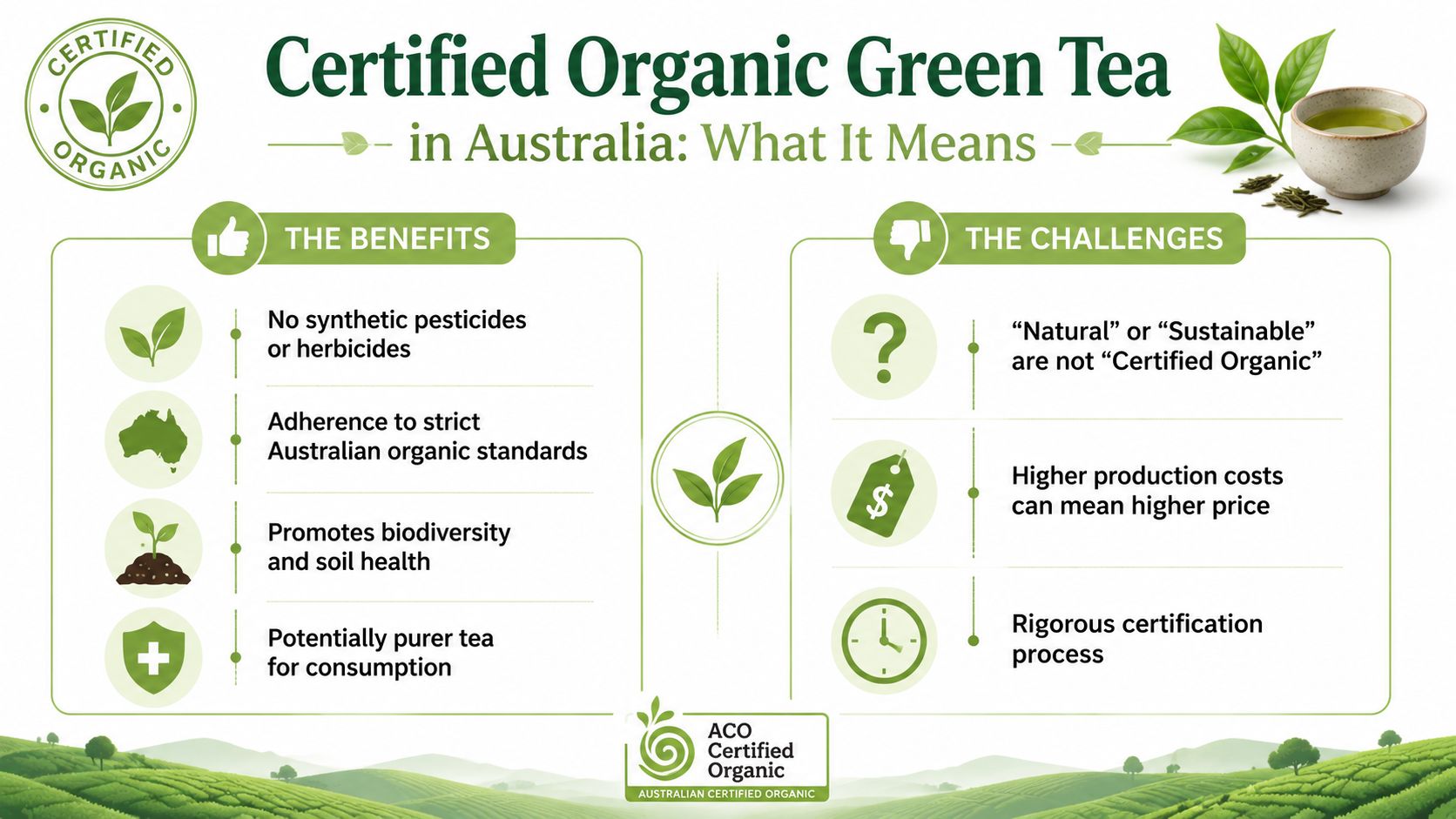
In everyday conversation, organic often means clean, natural, or grown with care. On a label, certified organic means the product has gone through a documented system of standards, checks, and verification. That includes rules around synthetic pesticides, herbicides, and fertilisers, plus record-keeping through the supply chain.
A simple way to read it is this. “Organic” can sound like a promise. “Certified organic” gives you something to verify.
If you want a closer look at how that works at brand level, Pep Tea explains the process in its guide to organic certification standards for tea in Australia.
Why that difference changes your buying decision
For a calm daily cup, certification helps answer a basic question. Has someone checked the claim, or am I just reading attractive packaging?
For matcha, the answer matters even more because you consume the whole powdered leaf rather than just an infusion. For culinary use, such as smoothies, baking, or lattes, a certified product can give more confidence about how the tea was grown and handled before it reached your kitchen.
That does not mean every non-certified tea is poor quality. It means certified organic gives you a clearer paper trail. In a category filled with soft marketing words, that clarity is useful.
What to look for on the label
A good tea label should help you choose without guesswork. If the pack is vague, treat that as a signal to slow down.
Look for:
- Certified organic wording linked to a recognised standard or certifier.
- Clear country of origin so you know where the leaf was grown.
- Packing or supplier information that tells you who is responsible for importing or selling it in Australia.
- Plain-language quality details about sourcing, testing, or handling.
This is less glamorous than reading tasting notes, but it is often more helpful.
Safety is part of quality
Tea advice often jumps straight to antioxidants, flavour, or caffeine. Sensible buyers also ask about residues, contaminants, and packaging.
That is where certified organic becomes practical rather than abstract. It supports tighter supplier verification and better traceability. If you are choosing a tea for everyday drinking, that can make the difference between a product that sounds wholesome and one backed by a clearer standard.
Loose leaf can also be a sensible option if you want more control over what ends up in the cup. It lets you inspect the leaf more easily, adjust the amount you brew, and avoid some of the unknowns that can come with low-quality bagged tea.
A useful rule: ask for proof, not mood. Certified organic, clear origin, and visible supplier accountability tell you much more than earthy colours and words like “pure” or “clean.”
A practical way to choose
If you want a reliable everyday green tea, start with certified organic loose leaf from a supplier that explains origin and handling clearly. If you want a vivid tea for cooking or whisking, apply the same test, but pay closer attention to whether the product suits full-leaf use, as with matcha.
This highlights the value of understanding organic tea in Australia. You move from broad health claims to concrete choices that fit how you drink tea.
A Guide to Popular Organic Green Tea Types
Once you know what organic means, the next question is more enjoyable. Which kind of green tea do you want to drink?
Japanese green teas are a great place to learn because the differences are easy to taste. Three styles come up again and again. Sencha, Gyokuro, and Matcha. They all come from the tea plant, but how they're grown and processed changes the flavour and the experience.
Sencha for everyday drinking
Sencha is the green tea many people meet first. It's usually sun-grown, then steamed, rolled, and dried. The flavour tends to feel lively and fresh, with a balance of sweetness, grassiness, and a little briskness.
If you want a tea for your work mug, your afternoon reset, or an iced green tea in summer, Sencha is often the easiest place to start. It feels familiar quite quickly.
Gyokuro for a softer, sweeter cup
Gyokuro is shade-grown before harvest. That matters because shading tea plants increases chlorophyll and L-theanine, producing a sweeter, less bitter leaf, as described in this guide to organic loose-leaf green tea styles and handling.
The cup is usually more savoury and umami-rich than Sencha. Less sharp. More rounded. If Sencha is a bright conversation, Gyokuro is a quieter one.
Matcha for full-leaf drinking and versatility
Matcha is also shade-grown, but instead of steeping the leaves and removing them, the leaf is processed into a fine powder and whisked into water. You're drinking the tea itself, not just an infusion.
That makes Matcha particularly useful if you want one tea that can move across rituals and recipes. A traditional bowl in the morning. A latte after lunch. A baking ingredient on the weekend.
If you're deciding between styles, Pep Tea's explainer on the difference between Matcha, green tea and green tea helps sort out the common confusion.
Organic Green Tea Comparison
| Tea Type | Processing | Flavour Profile | Best For |
|---|---|---|---|
| Sencha | Sun-grown leaves, steamed and rolled | Fresh, grassy, lightly sweet, sometimes brisk | Daily cups, iced tea, easy entry into green tea |
| Gyokuro | Shade-grown before harvest, then processed as loose leaf | Sweet, umami-rich, softer, less bitter | Slow sipping, a calming ritual, refined tasting |
| Matcha | Shade-grown leaves processed into fine powder and whisked | Creamy, vegetal, savoury, can be sweet if high quality | Ceremonial drinking, lattes, smoothies, baking |
Which one suits your day
Here's the easiest shortcut.
- Choose Sencha if you want a straightforward loose-leaf tea you can brew without much fuss.
- Reach for Gyokuro if bitterness puts you off and you enjoy a sweeter, more layered cup.
- Pick Matcha if you want versatility and don't mind a more hands-on preparation.
Whole-leaf quality and uniformity usually signal better handling. That matters more than flashy packaging when you're buying for flavour and consistency.
A lot of Australians now use green tea in lattes, desserts, and non-alcoholic menus, so this isn't just about tradition. It's about function. The tea you choose should fit the job.
The Science of Wellness in Every Leaf
You brew a cup after dinner, take that first sip, and feel your shoulders drop a little. That everyday moment is where green tea's wellness story makes the most sense. The value is not in vague health promises. It is in what is in the leaf, how it is grown, and whether you can trust what the label says.
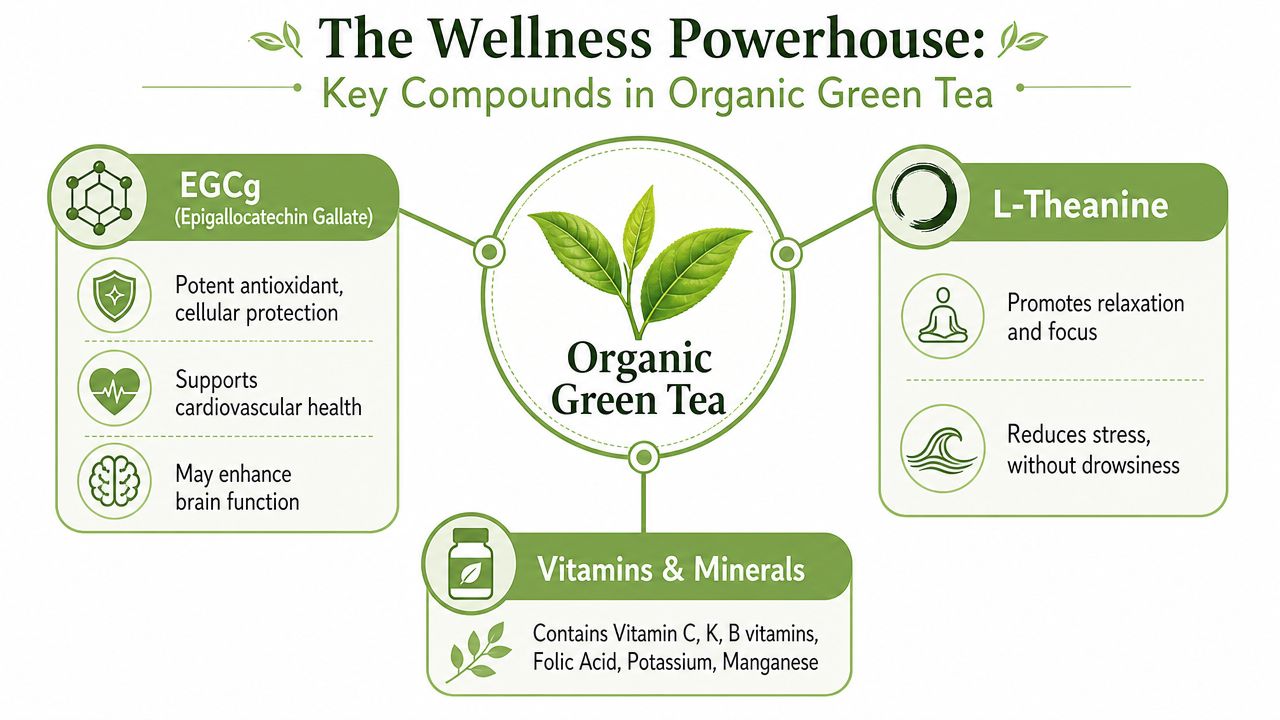
The chemistry of green tea starts with polyphenols, a group of plant compounds that help protect the leaf itself. Among them, catechins get the most attention, especially EGCG, short for epigallocatechin gallate. You do not need to remember the full name. The practical point is simple. Fresh, well-handled green tea contains natural compounds that are widely studied for their antioxidant activity.
Why one green tea can feel different from another
Green tea is not a single experience.
A brisk sencha for your daily mug and a smooth, shaded matcha for a slow morning can affect you differently because the balance of compounds changes with cultivar, growing conditions, shading, harvest timing, and processing. That is one reason quality matters so much. If a seller uses “organic” loosely, you still do not know much about residues, handling, or consistency. In Australia, certified organic gives you a clearer standard to trust, which matters even more if you are consuming the whole leaf in powdered tea like matcha.
Another compound worth knowing is L-theanine, a naturally occurring amino acid found in tea. It is often linked with the calm, steady feeling many tea drinkers describe, especially in shaded teas such as Matcha and Gyokuro. Coffee can feel like a floodlight. Green tea often feels more like a lamp on your desk. You are awake, but not pushed around.
What research suggests, and what it does not
Large observational studies have linked regular tea drinking with positive long-term health patterns, including heart and metabolic health, as summarised in Harvard's overview of tea and population research.
That does not mean green tea acts like a prescription or guarantees a specific outcome. Observational research shows associations, not proof of cause and effect. Still, the pattern is encouraging enough to support a sensible takeaway. A consistent tea habit can sit comfortably inside a healthy lifestyle.
How to turn that science into a useful choice
People often get stuck. They hear “antioxidants” and “wellness” and still do not know what to buy.
Start with your real use case. If you want a calming daily cup, choose a certified organic loose-leaf tea you enjoy drinking regularly, because consistency beats perfection. If you want a vibrant ingredient for smoothies, lattes, or baking, certified organic matcha makes more sense because you are consuming the entire leaf. That is also where clean sourcing matters most. At PepTea, that quality focus is part of the job, not a marketing flourish.
One good cup a day is plenty for many people. Brew it well, choose certified organic when safety and residue standards matter to you, and let the habit do the quiet work.
How to Choose and Store Quality Green Tea
You bring home a tea that looked promising on the shelf, then a week later it tastes flat, dusty, or oddly dull. That usually comes down to two things. What you bought, and how you stored it.
Choosing well starts before the first sip. In Australia, one of the clearest quality signals is the difference between tea labelled organic and tea that is certified organic. The first can sound reassuring. The second gives you a standard that can be checked, which matters if you want confidence about how the leaves were grown and handled. At PepTea, that focus on verified quality is part of the selection process, especially for teas people drink often or use in recipes where the leaf plays a bigger role.
What to look for when buying
Good green tea should give off signs of life.
Colour is your first clue. Loose-leaf green tea should look fresh and clean, with greens that suit the style of tea rather than browns that suggest age or poor storage. Matcha should look bright and lively. If it resembles faded lawn clippings, it will usually taste the same way.
Then look at the leaf itself. Even size and careful rolling or shaping suggest more attentive processing. A bag full of broken bits and dust can still make a drinkable cup, but it often loses aroma faster and brews less cleanly.
Smell matters too. Fresh green tea often carries grassy, sweet, nutty, marine, or soft umami notes. A stale tea smells papery, musty, or tired, a bit like opening an old pantry packet that has been forgotten at the back of the shelf.
Questions worth asking before you buy
A good seller should be able to answer plain, practical questions without hiding behind fancy language.
- Is this certified organic, or only described as organic?
- Where was it packed, and how fresh is the current batch?
- Is it better for daily drinking, or for cooking and matcha-based recipes?
- Should I buy loose leaf, tea bags, or matcha for the way I use tea?
- What storage advice do you give after opening?
These questions help you match the tea to the job. A calming daily cup and a vibrant ingredient for baking or lattes are not always the same purchase.
Match the tea to your use
This part helps people avoid expensive mistakes.
If you want a reliable everyday tea, choose a certified organic loose-leaf green tea with an aroma and flavour profile you enjoy. You are far more likely to brew it regularly, and regular enjoyment beats buying a fancy tea that sits untouched in the cupboard.
If you want green tea for smoothies, desserts, iced drinks, or matcha lattes, certified organic matcha makes more sense. You are using the whole powdered leaf, so clean sourcing and careful storage matter even more. Culinary use also calls for a tea with enough colour and flavour to hold its own among milk, fruit, or sweet ingredients.
The four enemies of freshness
Green tea is delicate, a bit like fresh herbs. Leave basil in heat and sun and it loses its sparkle. Tea reacts in a similar way.
| Enemy | What it does | What to do |
|---|---|---|
| Air | Softens aroma and flattens flavour | Reseal quickly after each use |
| Light | Speeds up quality loss | Keep tea in an opaque tin or cupboard |
| Heat | Ages the leaf faster | Store away from kettles, ovens, and sunny benches |
| Moisture | Damages texture and taste | Use a dry spoon and avoid humid areas |
Buy an amount you can finish while it still tastes fresh. A smaller bag of well-made tea often gives more pleasure than a large bargain pack that lingers for months.
A home storage habit that works
Store green tea in a sealed container, in a cool dark cupboard, away from steam, spices, and coffee. Tea leaves absorb surrounding smells with surprising ease, so a beautifully fresh sencha can pick up kitchen odours faster than many people expect.
Keep the routine simple. Open, measure, reseal. If you do that consistently, you protect the flavour you paid for and give yourself a much better cup each time.
Brewing the Perfect Cup and Beyond
You fill the kettle, pour boiling water over a lovely green tea, take a sip, and get a mouthful of bitterness. It happens all the time. The leaf was probably fine. The water was the problem.
Green tea asks for a gentler hand than black tea. Heat works a bit like turning up the flame under fresh spinach. A little warmth softens it. Too much and the sweet, delicate character disappears fast. That is why even high-quality certified organic tea can taste rough if the brewing is careless.
How to brew loose-leaf green tea
A good first cup does not require special equipment. It requires attention to temperature, leaf amount, and time.
- Warm your cup or pot with a little hot water, then tip it out.
- Add your loose leaves using the tea's directions as your starting point.
- Let the water cool slightly after boiling so it does not shock the leaf.
- Infuse briefly first and taste. If it feels too light, add a little more time next round.
- Rebrew if the tea allows it. Many green teas give a lovely second infusion with a softer, rounder character.
If you are wondering why this matters so much, here is the simple version. Hotter water pulls compounds from the leaf faster. That includes the pleasant savoury and grassy notes, but it can also pull more bitterness than you want. Small changes make a big difference.
Loose leaf also gives you more control than a sealed tea bag. You can see the leaf, adjust the quantity, and match the brew to the moment. For a quiet daily cup, a softer infusion often suits. For iced tea, you may choose a slightly stronger brew so the flavour still shows up once chilled.
How to make Matcha without overthinking it
Matcha feels formal from the outside, but the home method is straightforward.
- Sift the Matcha if it has clumps.
- Add a small amount of warm water to the bowl.
- Whisk briskly until smooth and lightly frothy.
- Drink it straight, or add milk for a latte.
Matcha works differently from loose leaf because you are drinking the whole powdered leaf, not just an infusion. That is one reason certified organic matters in a practical way, not just as a label on the pack. If the tea is going into your bowl, your smoothie, or your baking mix, clean sourcing and careful handling become more meaningful.
If you are using Matcha in the kitchen, culinary grade is usually the smarter pick. It has enough colour and presence to come through milk, fruit, chocolate, or batter. A calmer, finer Matcha is better saved for drinking with water, where you can notice its texture and sweetness.
Here's a helpful visual if you'd like to see technique in action.
Beyond the cup
Green tea earns its place in the kitchen because it can play different roles depending on the type you choose.
- A gentle loose-leaf brew for an afternoon cup when you want something calm and clean
- A stronger chilled brew for warm weather
- Matcha in a latte when coffee feels too heavy
- Matcha in smoothies or baking when you want colour, freshness, and a mild savoury edge
- A pinch in dressings or desserts for depth without much effort
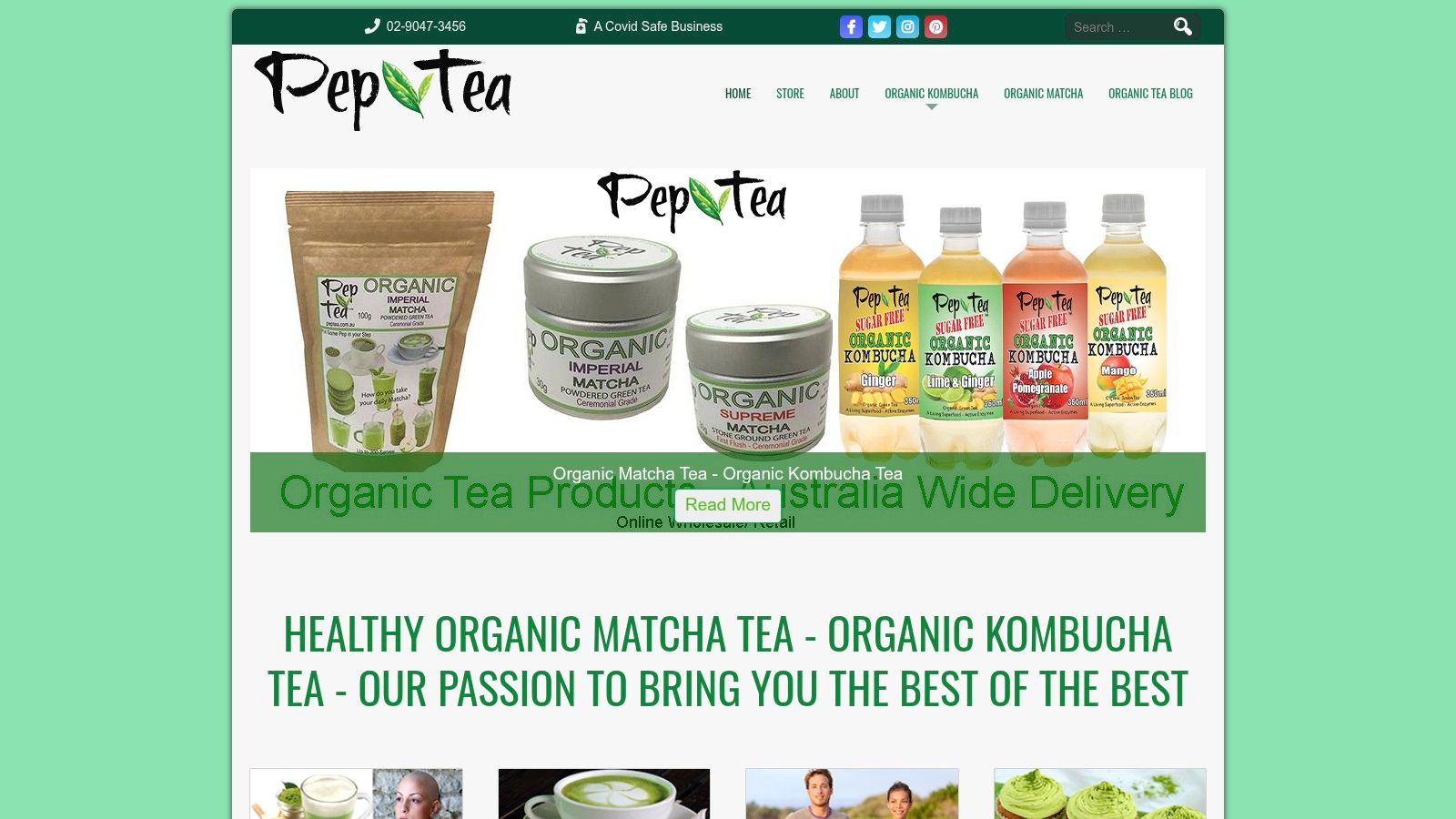
That practical difference in use is where choice becomes clearer. Certified organic loose leaf is a sensible option for everyday drinking. Certified organic Matcha is often the better fit for recipes and drinks where the whole leaf is part of what you consume. Pep Tea applies that same respect for the leaf in its Australian-brewed kombucha range, showing how organic green tea can move from teapot to fermented drink without losing its character.
Your Practical Green Tea Questions Answered
Is green tea better than coffee
They do different jobs. Coffee is often chosen for intensity. Green tea is often chosen for a gentler lift and a calmer ritual. If coffee feels too sharp for you, green tea can be a more settled option.
Are loose organic green tea leaves better than tea bags
Often, yes. Loose leaf usually gives you better visibility of leaf quality, more control over brewing, and, as noted earlier, may reduce microplastic exposure compared with tea bags. It also tends to feel more like a food ingredient than a convenience product.
Can I use any green tea for a latte
Not really. A standard loose-leaf green tea won't blend into milk the way Matcha does. If you want lattes, choose Matcha, ideally a grade suited to either drinking straight or mixing.
Why does my green tea taste bitter
The usual causes are water that's too hot, steeping too long, or using a tea that doesn't match your taste preferences. If you dislike bitterness, start with a shaded style or a smoother Matcha.
Is certified organic worth paying attention to
Yes, especially in Australia. Certified organic gives you more than a feel-good claim. It points to a regulated standard around inputs and verification, which is useful if you care about sourcing, residues, and clarity.
If you're ready to try organic green tea leaves with a bit more confidence, have a look at Pep Tea. We share practical guides, organic Matcha options, and ideas for using tea in everyday Australian routines, from a quiet morning bowl to café-style drinks at home.