
Tag: green tea energy powder
Green Tea Energy Powder: A Guide to Matcha’s Calm Boost
You're probably reading this in one of two moments. It's either early morning and you want energy that won't leave you rattled by mid-morning, or it's the middle of the afternoon and your brain has gone foggy while your to-do list hasn't.
That's where green tea energy powder enters the conversation. For many Australians, the interest isn't just about caffeine anymore. It's about finding something steadier, gentler, and easier to build into a daily routine. Matcha often sits at the centre of that shift because it offers more than a quick jolt. It brings ritual, flavour, and a different kind of focus.
Tea is still a smaller part of everyday beverage intake than water and coffee in Australia, but it remains part of the daily mix. In 2023, Australians consumed an average of 1,926 grams of non-alcoholic beverages per day, with tea at 153 grams, coffee and substitutes at 191 grams, and water at 1,352 grams, according to the Australian Bureau of Statistics food and nutrition release.
What matters more than the headline trend is the reason people keep returning to matcha. It feels cleaner. It fits a smoothie, a latte, or a quiet tea bowl. And when it's high quality, it can become one of the easiest swaps in a wellness routine.
The Search for a Smarter Energy Boost
The true desire isn't for ‘more energy' in the abstract. Instead, individuals want to get through a meeting without zoning out. They want to train after work without reaching for a sugary can. They want morning focus without the shaky hands that can come with too much coffee.
That's why matcha has become such an appealing option in the green tea energy powder category. It sits in the middle ground between comfort and function. You still get a proper drink, not a pill or an artificial pre-workout. But you also get compounds that many people associate with focus, steadier alertness, and a more balanced lift.
The broader Australian market reflects that interest. The Australian green tea market was valued at USD 319.0 million in 2025 and is projected to reach USD 521.6 million by 2034, with a 5.41% compound annual growth rate from 2026 to 2034, according to IMARC Group's Australia green tea market analysis. That same analysis notes that powder forms remain highly relevant in the extract segment, and that green tea's functional benefits are helping drive demand across beverages, supplements, and café applications.
Why people move away from harsher energy options
Some people are tired of the crash. Others want fewer additives.
A good matcha can feel more grounded because it belongs to a familiar food culture. You whisk it with water, blend it with milk, or stir it into breakfast. That changes the whole experience. It becomes part of your day rather than a rescue mission.
Matcha suits people who want energy with a bit more control. Not flat. Not frantic. Just more even.
Where confusion starts
The phrase green tea energy powder sounds simple, but it covers very different products:
- Whole-leaf matcha used in drinks and recipes
- General green tea powders that may vary in quality and processing
- Concentrated green tea extracts sold in capsules or formulation powders
Those aren't interchangeable. The benefits, taste, use, and safety profile can differ quite a bit. That distinction matters more than most labels make clear.
What Exactly Is Green Tea Energy Powder
When people talk about premium green tea energy powder, they're usually talking about matcha. Matcha is a finely ground powder made from green tea leaves, traditionally shade-grown before harvest and then milled into a soft powder.
That whole-leaf format changes everything. Instead of steeping leaves in water and discarding them, you consume the leaf itself. The result is a drink with a fuller flavour, deeper colour, and a very different nutritional profile from standard tea bags.
Matcha isn't just “green tea in powder form”
Regular green tea and matcha come from the same plant, but they're not handled the same way. Matcha is grown and prepared for powder use. The leaf is selected, processed, and ground with drinking in mind.
That's why authentic matcha tends to have:
- A brighter green colour from careful growing and processing
- A finer texture that whisks into water rather than floating in gritty clumps
- A fuller taste with grassy, savoury, and sometimes creamy notes
If a powder looks dull, tastes flat, or feels sandy, you're usually dealing with lower quality leaf, rougher milling, or a product designed more for blending than for drinking straight.
Whole-leaf powder versus concentrated extract
This is the distinction many guides skip, and it's the one worth understanding clearly.
Whole-leaf matcha is a food. You prepare it as a drink or use it in recipes.
Green tea extract powder is a concentrated ingredient, often standardised for compounds such as EGCG. In the Australian nutraceutical market, green tea extract powder for energy formulations is typically standardised to 50% to 70% EGCG, while certified organic matcha contains about 5% to 10% total polyphenols. That means the extract can be 5 to 14 times more concentrated in bioactive catechins per gram, according to Elchemy's analysis of green tea extract powder.
That same source notes that standardised extracts can more strongly inhibit COMT and are associated with an increase in 24-hour energy expenditure by 4% to 5%. Useful in some formulation contexts, yes. But very different from whisking up a bowl of matcha at home.
A simple way to think about it
Use this rule of thumb:
| Product type | Best thought of as | Typical use |
|---|---|---|
| Matcha | A whole-food tea powder | Lattes, tea, smoothies, baking |
| Green tea extract | A concentrated functional ingredient | Supplements or specialised formulations |
Practical rule: If you want a daily green tea energy powder for drinking, start with whole-leaf matcha, not a concentrated extract.
The Science of Calm and Sustained Energy
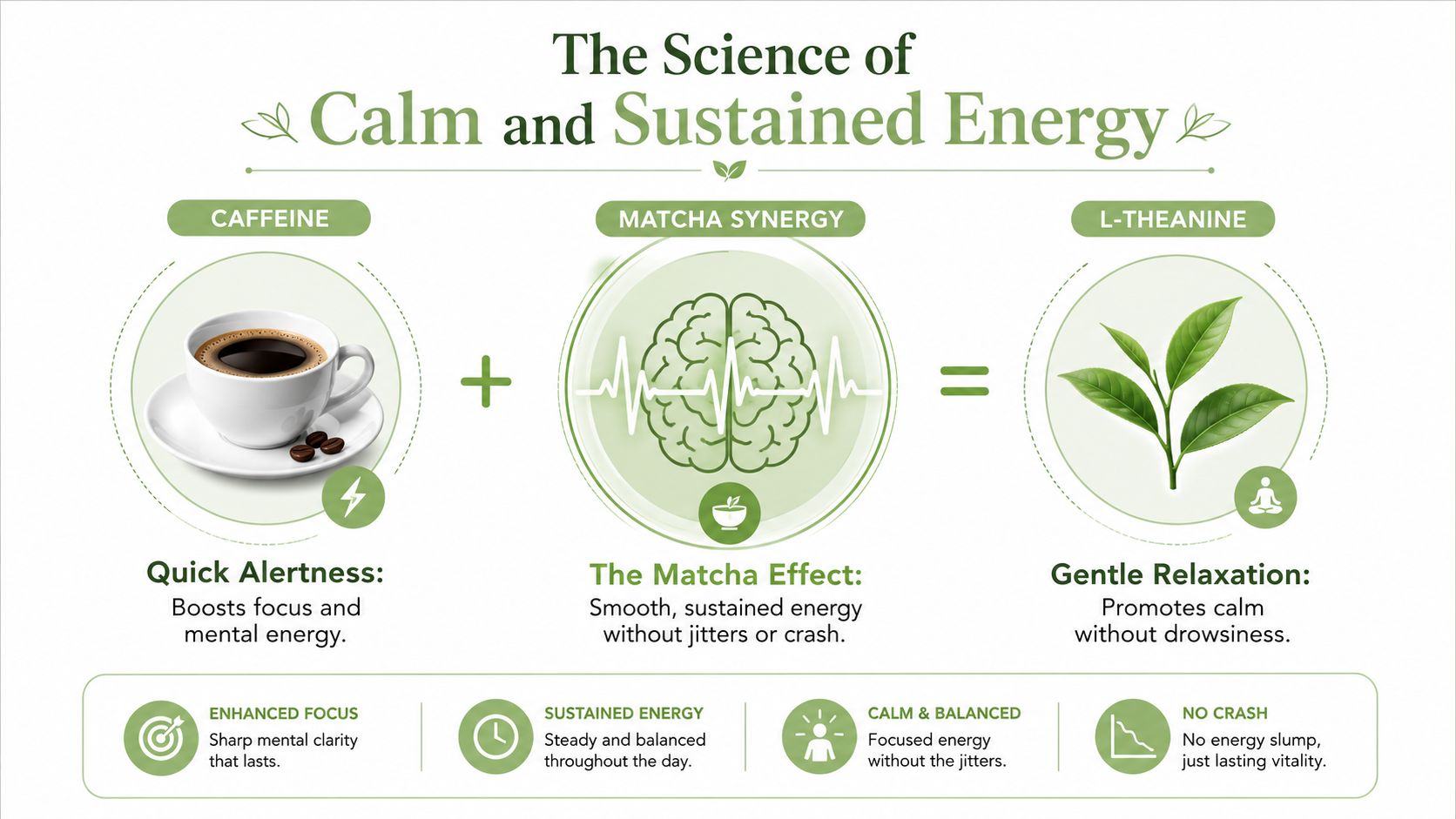
The reason matcha feels different from coffee isn't just marketing language. It comes down to the relationship between naturally occurring caffeine and L-theanine.
A single 2g serving of Australian-grade shade-grown matcha powder contains approximately 60 to 70 mg of caffeine, paired with L-theanine, according to Asian Pantry's matcha guide. That same source explains that L-theanine is linked with “calm alertness” through its effect on alpha-wave activity in the brain.
Why the pairing matters
Caffeine on its own often feels sharp. For some people, that's exactly what they want. For others, it can tip into jitteriness, tension, or a rapid rise and fall in energy.
Matcha behaves differently because the caffeine doesn't arrive alone. L-theanine changes the feel of the experience. Instead of a jagged spike, many drinkers describe a smoother curve. Focus comes on, but the body feels more settled.
Another source on matcha notes that L-theanine may modulate caffeine absorption to support a sustained energy release over 4 to 6 hours, while also supporting attention, reaction time, and memory in study settings, as described on Zen Green Tea's matcha information page.
Coffee versus matcha in plain language
This isn't about declaring one winner. It's about choosing the right tool.
- Coffee often suits moments when you want a quick, obvious lift.
- Matcha tends to suit work that needs steadiness, such as writing, study, long meetings, or travel days.
If coffee feels like a bright overhead light, matcha feels more like daylight through a window. You're awake, but not overwhelmed.
For readers who want a closer look at how this compares in a latte format, this guide on caffeine in a matcha latte is a helpful next step.
What “calm alertness” actually feels like
People sometimes expect matcha to hit like an energy drink and then assume it isn't working when it feels subtler. That's a misunderstanding.
The point isn't a dramatic rush. The point is usability.
It's the kind of energy that lets you keep going without feeling pushed around by it.
That makes matcha especially useful for mornings when you need concentration, or afternoons when you want to reset without wrecking your evening sleep rhythm.
More Than Just a Buzz Exploring the Health Benefits
A lot of people come to green tea energy powder for one simple reason. They want energy that feels usable. What often surprises them is that good matcha can offer more than that, because you are drinking finely ground whole tea leaf rather than a stripped-down stimulant or a concentrated extract.
That distinction matters. Whole-leaf matcha brings caffeine, L-theanine, catechins, and other plant compounds together in their natural mix. Extract products are different. They can be far more concentrated, and they do not always behave in the body the same way a traditional tea does. If we want an honest view of benefits, we have to keep those two categories separate.
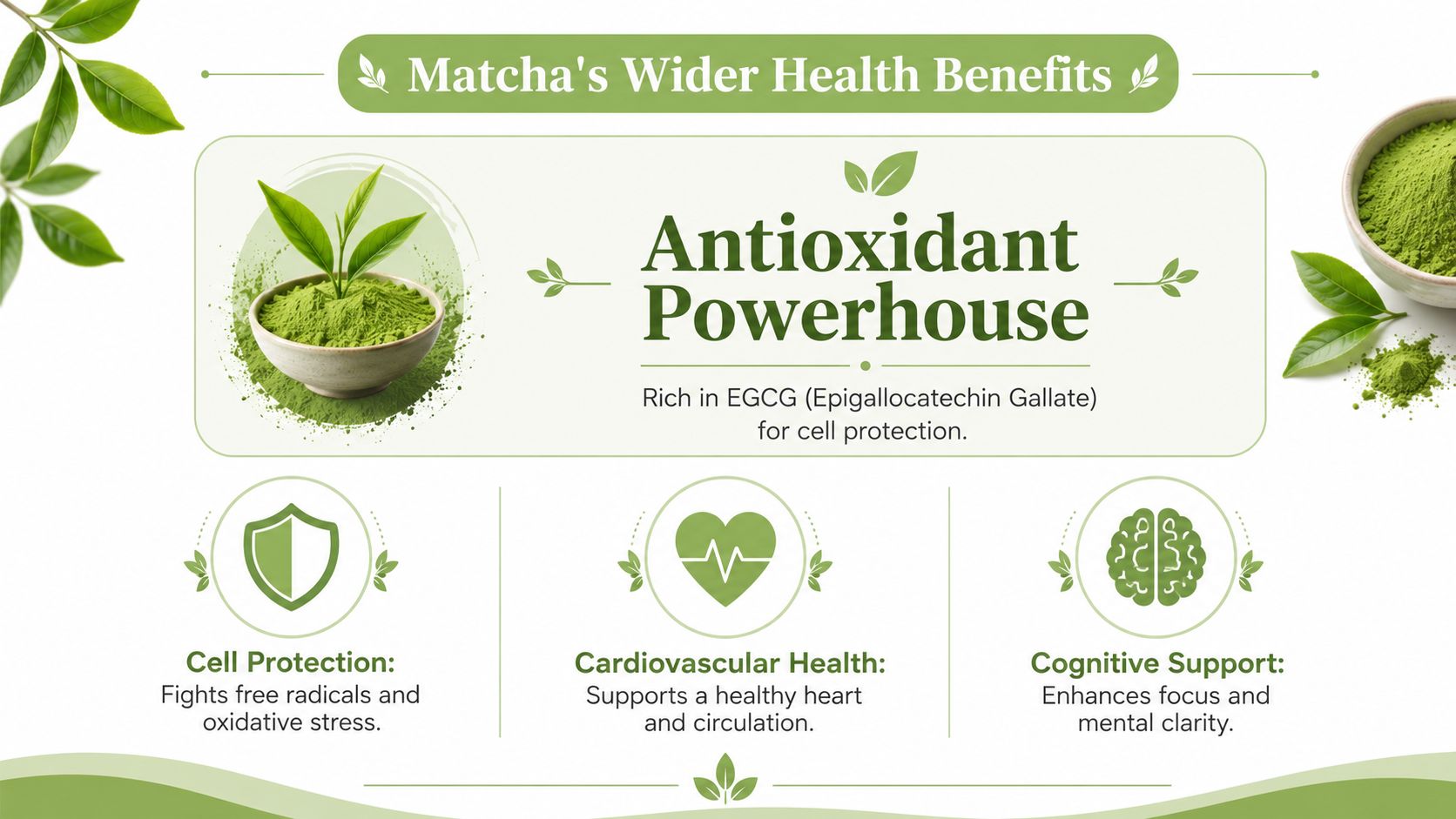
One of the compounds people talk about most is EGCG, a catechin found in green tea. According to Matcha Direct Kyoto's guide to EGCG and catechins in matcha, matcha is particularly rich in catechins because you consume the whole powdered leaf.
Antioxidant support
Catechins act a bit like the plant's built-in defence system, and when we drink matcha, we take in those compounds as part of the leaf itself. Researchers continue to study EGCG and related catechins for their role in helping the body manage oxidative stress, which is one reason matcha has earned its healthy reputation.
That said, matcha is still a food, not a cure-all.
The useful way to look at it is this. A daily cup can be part of a well-rounded routine, especially if it replaces drinks loaded with sugar or leaves you feeling rattled.
Benefits that may reach beyond energy
Green tea has also been studied for heart and metabolic health. A review published in Molecules on green tea catechins examines evidence linking these compounds with effects on lipid metabolism, glucose regulation, and cardiovascular function.
That does not mean every cup produces a dramatic result you can feel by lunchtime. It means regular green tea intake may support health in slower, background ways, much like exercise or sleep habits do. Subtle does not mean unimportant.
Why whole-leaf matcha deserves its own category
Wellness content often gets blurry. A headline about "green tea benefits" may be referring to brewed tea, whole-leaf matcha, or isolated green tea extract. Those are related, but they are not interchangeable.
Matcha works more like eating the whole orange instead of taking a heavily concentrated shot of one compound from the peel. You get the broader package, in a traditional food form, with effects that tend to be gentler and easier to use day to day. If you want help preparing it properly so taste and texture don't put you off, our guide to making matcha tea at home is a good place to start.
A better way to frame the benefits
Matcha can support health in a few layers at once:
- Immediate support: steady, workable energy for mornings or long focus blocks
- Nutritional support: catechins and other tea compounds that may contribute to long-term wellbeing
- Habit support: an easier swap for harsher, sweeter, or more processed energy options
That third layer is often the one people underestimate. Sometimes the benefit comes from the compounds in the cup. Sometimes it comes from what the cup replaces.
Your Practical Guide to Using Matcha Daily
The easiest way to make matcha stick is to stop treating it like a complicated wellness project. It's just a powder with a few very useful jobs. It can wake you up, slot into breakfast, or become your café-style afternoon drink at home.
Start small and pay attention
If you're new to green tea energy powder, begin with a modest serve and notice how you feel. Matcha is generally gentler than many energy products, but it still contains caffeine.
A simple approach works well:
- Begin with a small amount if you're caffeine-sensitive
- Use it earlier in the day while you learn your ideal timing
- Keep the rest of the recipe plain at first so you can taste the matcha itself
A simple hot matcha latte
This is the most accessible entry point.
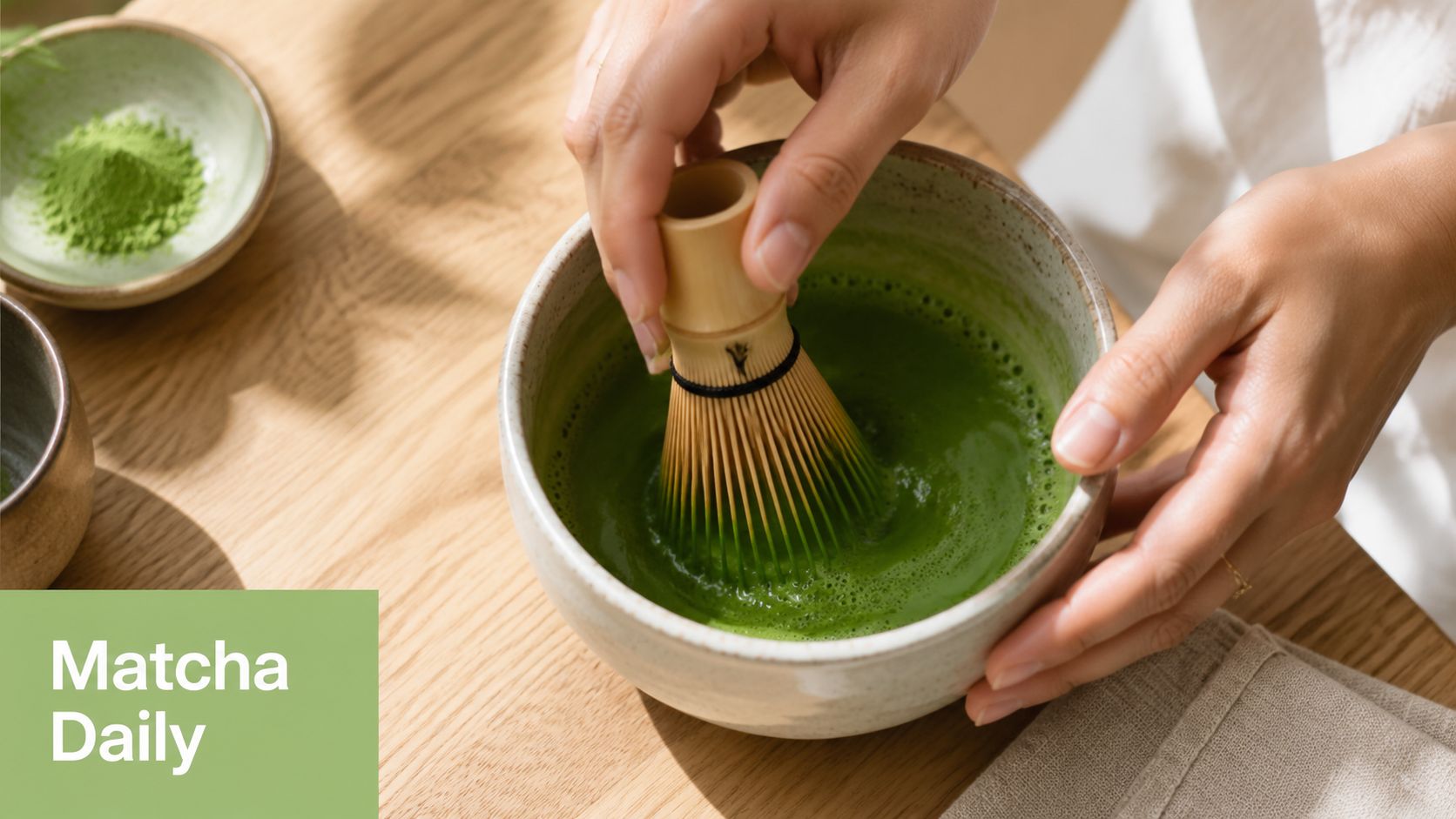
- Sift your matcha into a bowl or mug to avoid clumps.
- Add a small amount of warm water.
- Whisk until smooth and lightly frothy.
- Top with warmed milk of your choice.
- Leave it unsweetened at first, then adjust only if needed.
Ceremonial-style powders usually shine with fewer extras. If you're making a stronger latte or adding spices, a culinary-style powder often works better.
An iced version for warm Australian afternoons
Iced matcha is brilliant when you want refreshment as much as energy.
Try this method:
- Whisk matcha with a little water until smooth
- Fill a glass with ice
- Add cold milk
- Pour the matcha over the top
- Stir just before drinking
The colour alone makes it feel like a café order.
For a visual walkthrough, this guide on making matcha tea is useful if you want to refine your whisking and water technique.
Matcha in smoothies and baking
You don't have to drink it traditionally every day. Matcha works beautifully in food.
A few easy uses:
- Morning smoothie: Blend matcha with banana, yoghurt, oats, and milk.
- Yoghurt bowl: Stir a little through yoghurt for a grassy, creamy note.
- Baking: Add it to muffins, pancakes, or bliss balls for colour and earthiness.
Here's a quick video if you want to see the basics in action before trying your own routine.
Best times to use it
Matcha's personality suits certain moments better than others.
| Time of day | Why it works well |
|---|---|
| Morning | A gentler start than heavier caffeine options |
| Mid-afternoon | Useful when you want focus without feeling overcooked |
| Before quiet exercise | Often suits walking, yoga, or longer sessions that need steadiness |
A daily matcha habit works best when it feels easy. Pick one time, one recipe, and repeat it until it becomes automatic.
How to Choose a High Quality Green Tea Powder
Not all green tea energy powder deserves space in your pantry. Some powders are vibrant, smooth, and fresh. Others are bitter, dull, and disappointing before the first sip is finished.
The quickest way to buy better is to focus on a handful of quality markers rather than marketing noise.
Look at grade, colour, and texture
For drinking, many people prefer ceremonial-grade matcha because it's made to stand on its own with water or milk. Culinary-grade matcha is often the better fit for baking, smoothies, and stronger flavoured recipes.
Use your senses too:
- Colour matters: A lively green tone usually signals better handling and fresher leaf.
- Texture matters: Fine powder should feel soft, not gritty.
- Taste matters: Good matcha can be grassy and savoury, but it shouldn't taste harsh for the sake of it.
Origin and certification matter
Japan remains the benchmark many buyers look for, especially when they care about traditional production and consistency. Organic certification also matters because matcha is consumed as the whole leaf rather than infused and discarded.
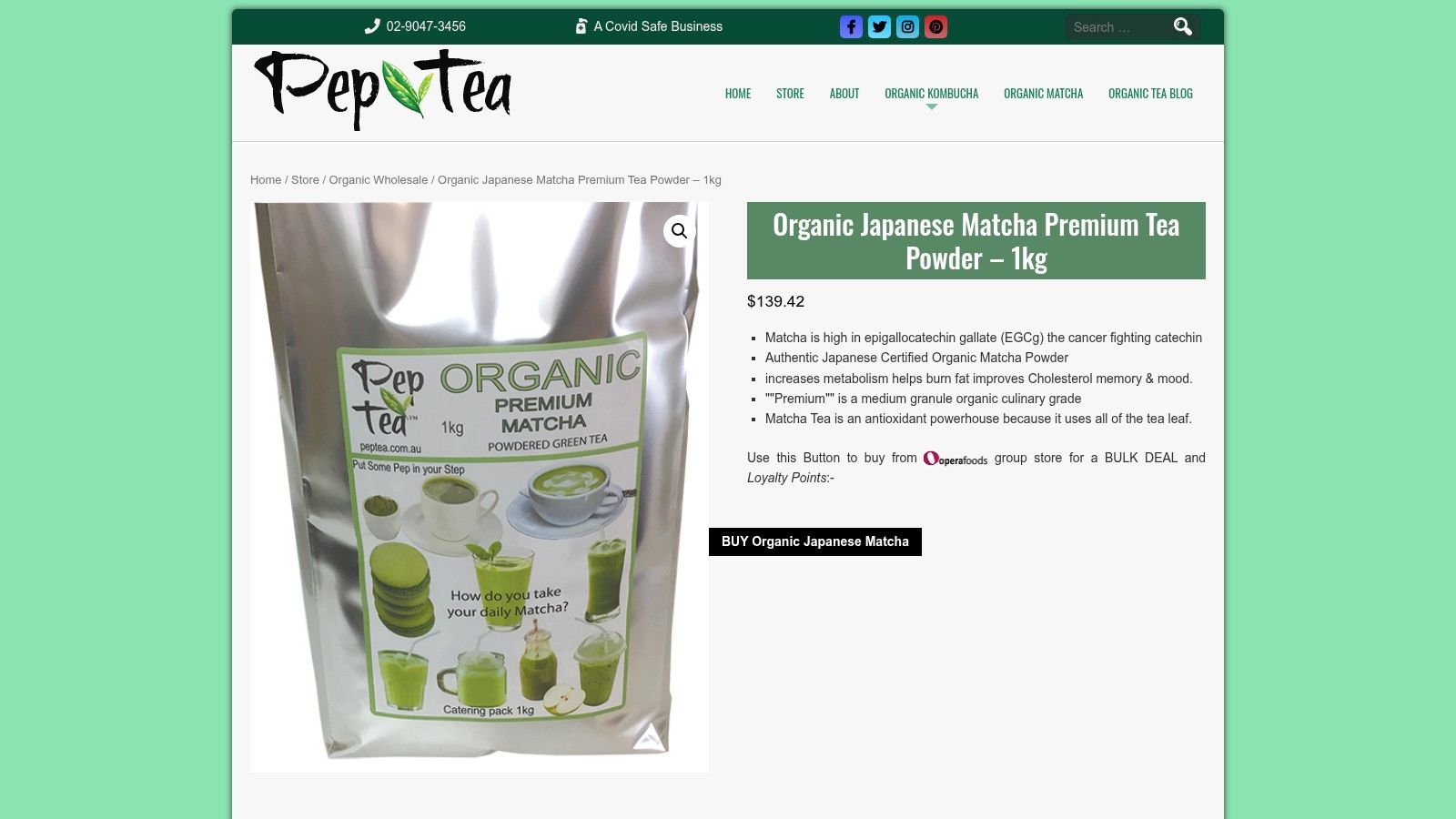
Pep Tea's organic Japanese Matcha is certified by the Japanese Ministry of Agriculture, which validates its organic status and confirms it is grown without synthetic pesticides or fertilisers in southern Japan's tea-growing regions, as shown on the Pep Tea Organic Japanese Matcha product page.
A buyer's checklist
If you're choosing for home or for a café, ask these questions:
- Is it from Japan? Specific origin tends to be a good sign.
- Is the intended use clear? Drinking matcha and cooking matcha don't have to be the same product.
- Is it certified organic? That's especially valuable with whole-leaf powders.
- Does the seller explain the grade? If the description is vague, quality often is too.
For a clearer breakdown of styles and uses, this guide to different grades of matcha can help you match the powder to the job.
Buy for purpose. If you want a clean daily drink, prioritise freshness, origin, and drinkability over flashy claims.
Common Questions on Matcha Safety and Efficacy
People often assume all green tea powders are equally safe because they're all “natural”. That's where things get murky.
Is matcha safe to drink every day
Drinking whole-leaf matcha as a beverage is a different situation from taking high-dose green tea extract supplements. That difference matters. Reporting covered by ABC Science on green tea extract and liver risk documents multiple cases in which green tea extract supplements were linked to acute liver damage and jaundice requiring hospitalisation. Brewed tea isn't typically associated with that same risk in the same way.
That doesn't mean more matcha is always better. It means whole-leaf matcha and concentrated extract pills shouldn't be treated as the same thing.
Is matcha good pre-workout
Sometimes. It depends on the workout.
If you want calm focus for walking, long sessions, yoga, or general training, matcha can fit beautifully. If you want a rapid, punchy lift for sprinting or heavy lifting, it may feel too gentle. Coverage on matcha green tea powder and caffeine timing points to the slower, steadier profile that many people like for focus, but that same profile may not suit fast-twitch performance demands.
What's the smartest takeaway
Use matcha as a beverage, not as a shortcut.
Choose high-quality whole-leaf powder. Start modestly. Notice how your body responds. And be cautious around concentrated extract products that promise a lot in very small servings.
If you'd like to try a cleaner daily tea ritual, explore Pep Tea for premium organic Japanese matcha and Australian-brewed sugar-free organic kombucha. Whether you're whisking a morning bowl, making a latte at home, or adding a functional option to your café menu, we're here to help you choose well and enjoy it properly.