
Uji Matcha Latte: Your Authentic Recipe (Hot & Iced)

You're probably here because you've had one of those matcha lattes that looked stunning but tasted flat, gritty, or oddly sweet. Then you try making one at home, and it turns into a clumpy green milk drink that feels nothing like what a good café serves.
A proper uji matcha latte is different. It should taste smooth, creamy, fresh, and softly vegetal, with a clean finish rather than a harsh one. When the matcha is good and the method is right, you don't need to hide it under heaps of sugar or syrup.
At PepTea, we love teaching this drink because it sits right at the intersection of craft and everyday comfort. You can make it in a home kitchen before work, or build it into a polished café menu. The secret isn't complexity. It's understanding the ingredient, then treating it with care.
What Makes an Uji Matcha Latte Special
The first thing to know is that Uji isn't just a flavour label. It refers to a famous tea-producing area in Japan, and that place name carries real weight in tea.
In Australian cafés, “uji matcha latte” often signals something more refined than a standard matcha drink. It suggests provenance, not just colour. That matters because matcha buyers are often trying to work out whether they're paying for true quality or just attractive branding.
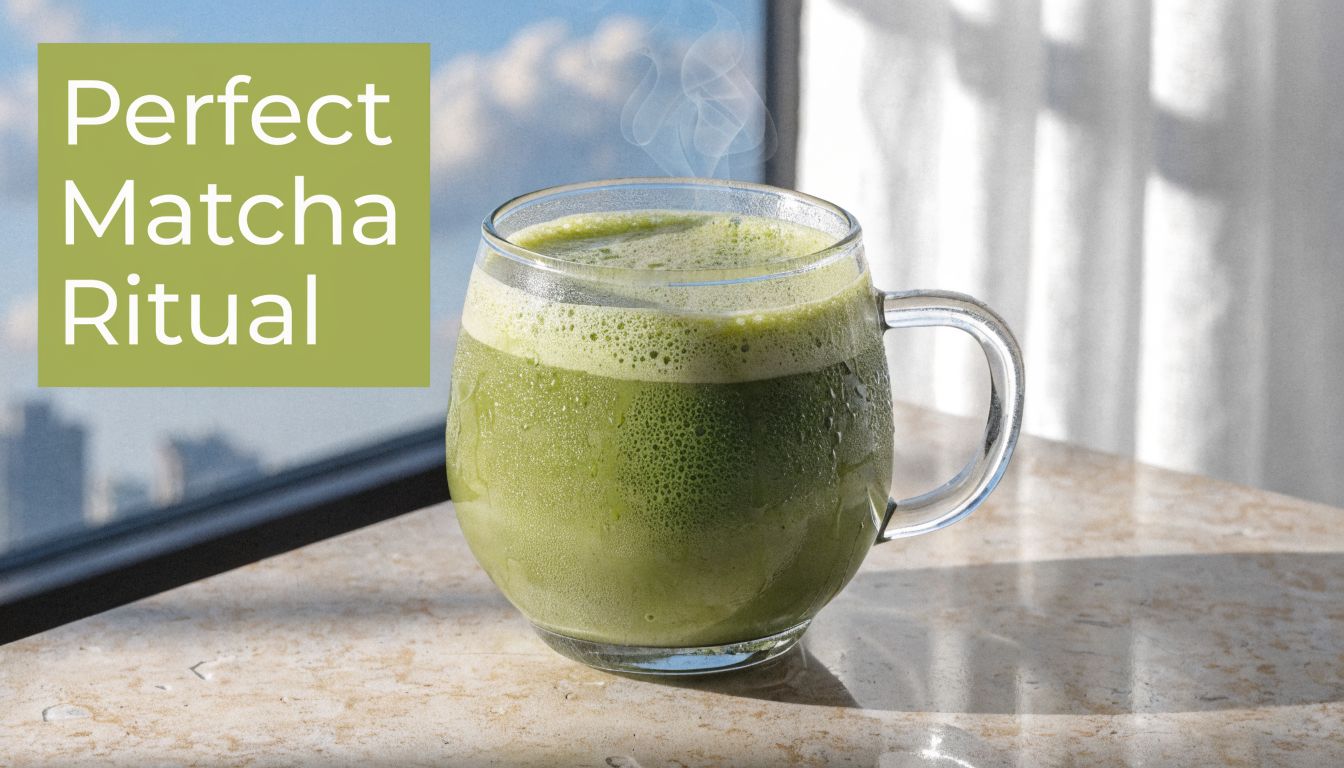
Why Uji carries so much prestige
Uji's reputation as Japan's premier tea region dates back to the Kamakura period (1185–1333), and by the 16th century Uji tea masters had developed the shaded cultivation method that became the origin of modern ceremonial matcha, according to Nippon's history of Uji tea.
That history still shapes what drinkers expect today. When you order an uji matcha latte, you're not just ordering something green and milky. You're buying into a long tradition of tea cultivation and preparation that helped define what premium matcha is meant to be.
Uji matters because it gives the drink a story, a standard, and a point of reference. That's why the name feels different on a café menu.
What that means for Australian drinkers
For home brewers, Uji gives you a useful benchmark. If a powder is sold as Uji-origin, you can start asking sharper questions about colour, texture, taste, and how the drink is built.
For café owners, it helps frame the latte as a premium tea beverage rather than a generic sweetened mix. That's especially useful when customers are looking for cleaner energy options and are comparing matcha with coffee. If you're exploring that broader shift, this guide to Peak Performance coffee alternatives is a helpful companion read.
If you want to start with an origin-specific powder, one practical place to begin is Uji matcha powder from PepTea.
Selecting the Right Uji Matcha Grade
A great latte starts before the kettle goes on. It starts when you choose the powder.
Many people get stuck on one phrase: ceremonial grade. It sounds reassuring, but it doesn't tell you everything you need to know. For Australian consumers, the more useful test is whether the matcha has the right colour, texture, purity, and value per serve.
What to judge instead of the label
A practical rule from the Australian buying angle is this: a premium Uji matcha for lattes should be judged on its vibrant colour, fine texture, and grams-per-serve value, not just a ceremonial label. It's also important to check whether the product is 100% pure matcha, because many options on the market are sweetened pre-mixes, as noted by Chicago Tea House's Uji matcha product guidance.
That point clears up a common confusion. A sweetened mix can still look nice in a tin or on a shelf, but it behaves differently in the cup. It can taste flatter, dissolve differently, and make it harder to control sweetness.
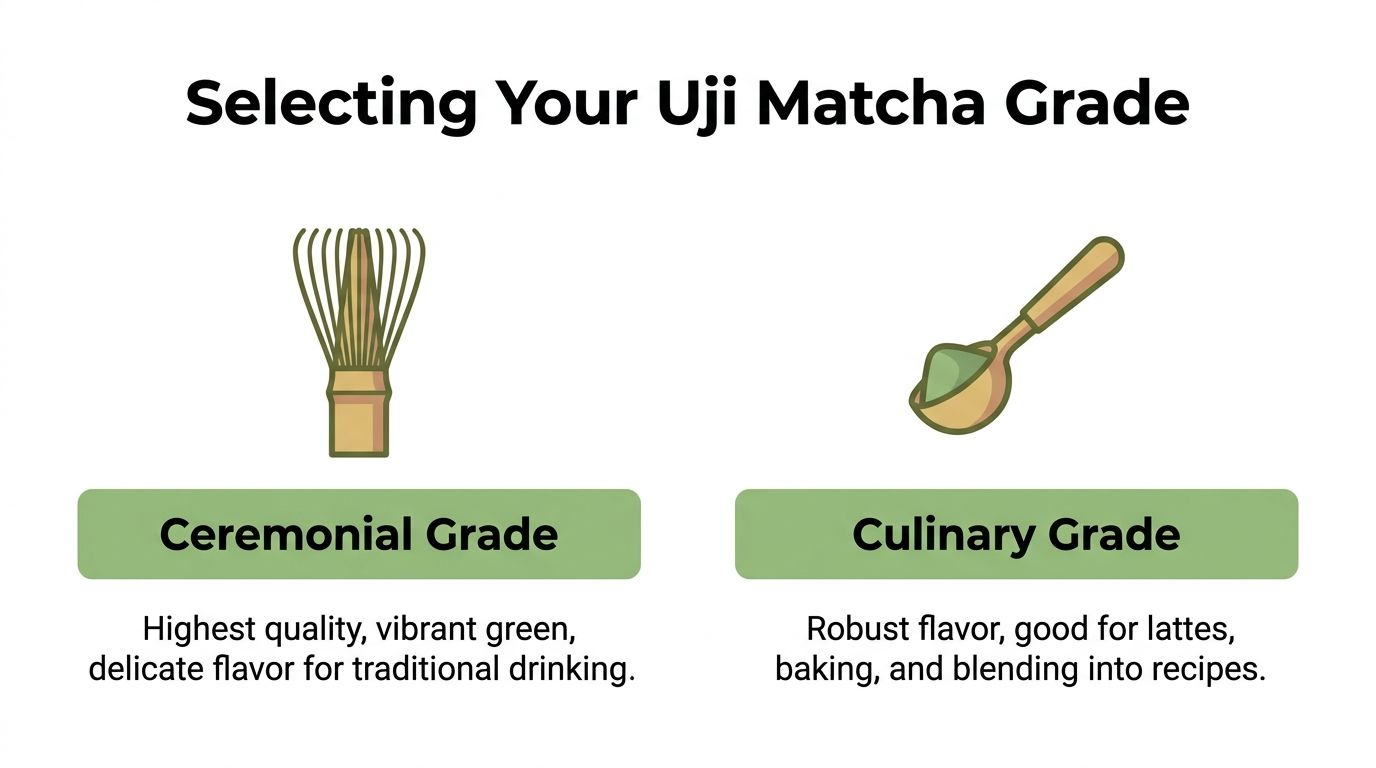
Ceremonial or culinary for a latte
Both grades can have a place. What matters is your goal.
| Grade | Best fit | What to expect |
|---|---|---|
| Ceremonial grade | Straight drinking, premium lattes, minimal sweetener | Softer flavour, brighter colour, finer finish |
| Culinary grade | Baking, smoothies, blended recipes, stronger latte style | More robust taste, usually better when mixed with other ingredients |
For a café-style uji matcha latte where the tea still needs to shine through milk, a better-quality ceremonial or latte-friendly premium blend is usually easier to work with. You'll spend less time trying to correct bitterness with sweetener.
A simple buying checklist
When you're standing in an aisle or comparing tins online, check these first:
- Colour first: Look for a lively green rather than a dull, brownish, or yellow-leaning tone.
- Texture matters: Fine powder should look silky, not coarse.
- Ingredient list: If it isn't pure matcha, it's a different product.
- Serving logic: Think in grams per serve, not just pack size.
- Origin claim: “Uji” should mean more than a decorative word on the front label.
Buying shortcut: If a product leans heavily on marketing terms but doesn't help you judge purity, colour, or serve size, keep looking.
If you'd like a clearer breakdown of how different styles are used, PepTea's guide to different grades of matcha is useful for comparing what suits lattes versus traditional bowls.
Mastering the Hot Uji Matcha Latte
Technique is where most home-made matcha lattes go wrong. Not because people are careless, but because matcha responds badly to shortcuts. If you stir powder straight into a full mug of hot milk, you usually get lumps, uneven flavour, and a muddy finish.
The better approach is to build the drink in stages.
Start with the paste, not the milk
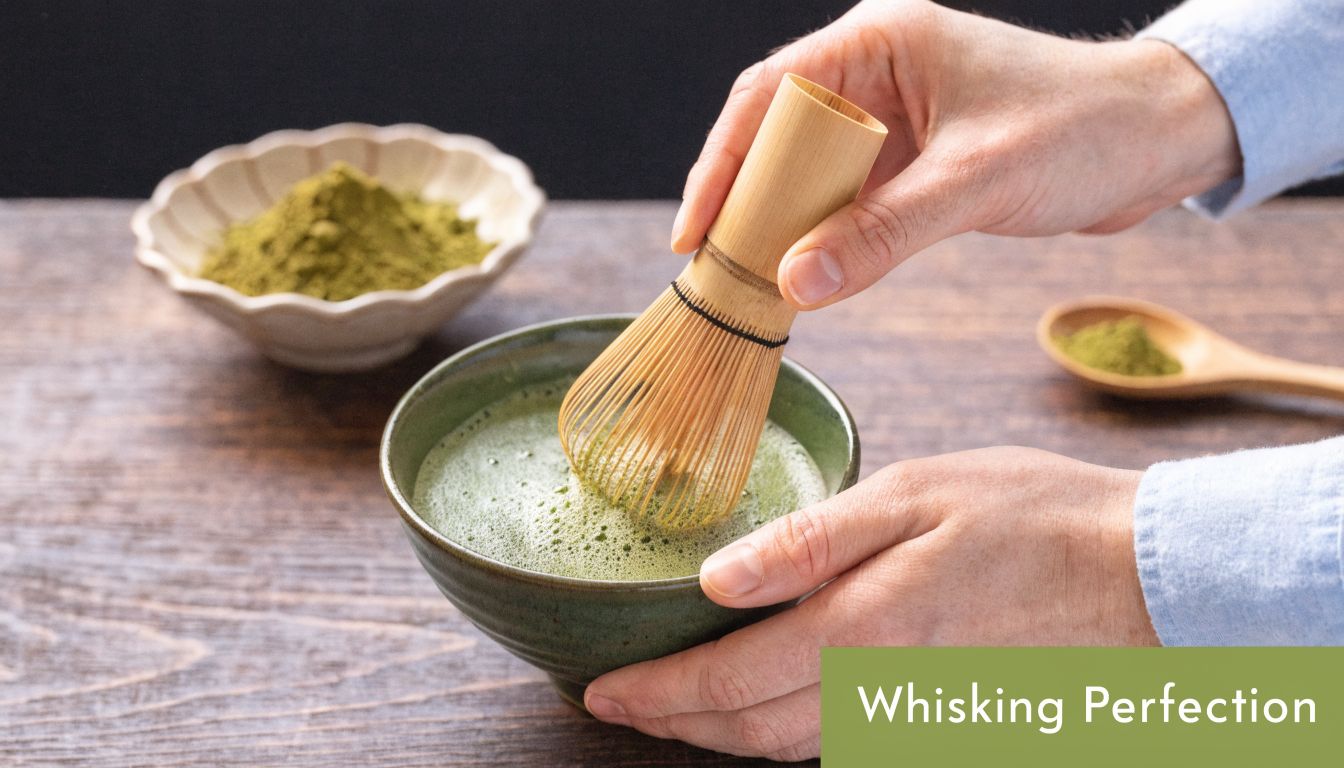
For a smooth uji matcha latte, whisk 2 teaspoons of sifted matcha with a small amount of room-temperature water to make a paste. Then add water at 75–85°C and whisk in an M or W pattern for 15–30 seconds. This is the technique recommended in Uji Matcha Tea's preparation guide.
That method does two important jobs. First, it hydrates the powder evenly so you don't get dry clumps. Second, it builds the fine foam that makes the drink feel creamy before the milk even goes in.
Why temperature changes the whole drink
A lot of people assume hotter water equals better dissolving. With matcha, that's not the goal. Boiling water can flatten the flavour and push the drink toward bitterness.
The sweet spot is warm enough to disperse the powder, but gentle enough to protect the character of the tea. If your latte has ever tasted sharp, scorched, or dull, temperature is often the first thing to check.
Practical rule: If you wouldn't sip the water comfortably, it's probably too hot for premium matcha.
Whisking for texture, not ceremony alone
A bamboo chasen isn't just a traditional accessory. It helps create the tiny bubbles that give matcha a soft, even texture.
Move the whisk briskly in a loose M or W motion rather than stirring in circles. Circular stirring tends to push the powder around the bowl. The faster patterned motion suspends it and creates that fine surface froth you see in a well-made café cup.
If you want to see the motion in action, this quick demonstration helps:
Bringing in the milk properly
Once the matcha base is smooth, heat your milk separately and keep it below a boil. You're aiming for warm, silky milk, not scorched milk.
Here's the part many people skip. Don't pour cold milk into the bowl and hope the whisk fixes everything. Build the tea base first, then pour the warm milk in a steady stream. If you're frothing milk, keep the foam soft and fine so it supports the matcha rather than burying it.
A reliable workflow looks like this:
- Sift the matcha into a bowl or wide cup.
- Add a small splash of room-temperature water and mix into a smooth paste.
- Pour in hot water within the recommended range and whisk briskly until lightly foamy.
- Warm the milk separately until hot but not boiling.
- Combine gently and taste before adding anything extra.
For readers who want to improve their whisking technique specifically, this PepTea how-to on whisking matcha is a practical reference.
Your Guide to a Refreshing Iced Matcha Latte
An iced uji matcha latte isn't just the hot version poured over ice. Cold drinks magnify flaws. If the powder isn't properly dispersed, you'll notice grit straight away.
That's why the best iced version starts with a concentrated matcha base.

Build the matcha shot first
Sift your matcha, add a small amount of water, and work it into a smooth paste before adding more liquid. This matters even more for iced drinks because cold milk won't help dissolve stubborn clumps.
If you like a layered café look, make the matcha base separately and pour it over milk and ice at the end. The result looks polished, but it also gives you more control over flavour.
Sweeten at the right moment
For a smooth hot or iced uji matcha latte, add any sweetener after whisking the matcha into a paste but before adding the bulk of the liquid, which helps it dissolve fully and prevents crystallisation in iced drinks, as explained in Ocha & Co's matcha latte method.
That one detail saves a lot of frustration. If you add sweetener too late, especially in a cold drink, it can sit at the bottom or throw off the texture.
An easy assembly method
Try this order for a cleaner result:
- First the glass: Fill it with ice.
- Then the milk: Add your dairy or plant milk.
- Next the matcha base: Pour slowly over the top for a layered look.
- Final adjustment: Stir just before drinking so the flavour is even.
A good iced matcha latte should taste crisp and creamy at the same time, not watery, chalky, or syrupy.
Pro Tips and Healthy Variations
Once your basic method is sound, small adjustments make a big difference. These refinements ensure an everyday uji matcha latte becomes your version of the drink.
Fixing the most common problems
If your latte tastes bitter, the issue is often heat or powder quality rather than matcha itself.
If it's lumpy, the fix is usually mechanical. Sift first, make a paste, then whisk properly. Most texture problems begin before the milk goes in.
A quick troubleshooting list helps:
- Bitter cup: Check whether your water was too hot or your powder too rough.
- Flat flavour: Use less sweetener so the tea can still come through.
- Gritty finish: Sift the powder and spend longer on the paste stage.
- Weak colour: Review the quality of the matcha itself before changing the recipe.
Choosing milk for flavour and texture
Different milks push the latte in different directions.
Oat milk often gives a rounder, creamier feel. Almond milk can make the drink lighter and a little nuttier. Soy can hold its structure well in a café setting. Dairy gives a familiar richness, but it can also soften some of the tea's sharper edges.
The best milk is the one that lets the matcha remain recognisable. If the milk completely dominates, the tea disappears.
Keeping it sugar-free or lower sugar
Health-conscious Australian drinkers often get more selective. If you've bought a good Uji powder, you may not need much sweetener at all.
Try these approaches:
- Go unsweetened first: Taste the latte before adding anything.
- Use a small amount only if needed: A light touch keeps the tea present.
- Avoid pre-mixes: They remove your control over sweetness and flavour balance.
For café service, consistency matters as much as flavour. Standardise your scoop, whisking time, and milk pour. If you're batching for busy periods, keep the matcha base fresh and don't let it sit too long before service.
Some venues also use commercial blending tools for fast cold drinks and menu variations. If that's relevant to your setup, Vitamix blenders for hospitality are worth reviewing alongside your tea tools.
One practical option for Australian buyers looking for an origin-led powder is Pep Tea's Uji matcha range, particularly when you want a format suitable for controlled latte prep rather than a sugary shortcut.
Your Uji Matcha Latte Questions Answered
How should I store matcha powder?
Keep it sealed, dry, and away from heat, light, and moisture. Matcha is delicate. Once opened, good storage helps preserve colour and aroma.
Can I make an uji matcha latte without a bamboo whisk?
Yes, though a chasen gives the nicest texture. If you don't have one, use a small handheld frother or shake the matcha paste and water in a tightly sealed jar before adding milk. The key is still the same. Break up the powder fully before the main liquid goes in.
Is café matcha always better than homemade?
Not always. A café can still use a sweetened pre-mix or poor technique. At home, you often get a better result when you start with pure matcha and pay attention to temperature and whisking.
What should a good uji matcha latte taste like?
Smooth, fresh, creamy, and balanced. You should notice the tea, not just milk or sweetness.
If you'd like to put this into practice, explore Pep Tea for organic matcha options, brewing guides, and everyday ideas for making café-style matcha at home or on your menu.