
Tag: matcha dessert
What Is Matcha Cake? a Practical Baker’s Guide
Matcha cake is a cake flavoured and coloured with finely ground matcha green-tea powder, while its texture comes mainly from flour, fat, eggs, sugar and the chosen cake style. In one Australian matcha cake bites recipe, the matcha is measured in teaspoons, while the structure comes from ingredients such as 225 g self-raising flour, 220 g sugar, 125 g plant milk and 125 g vegan butter.SBS Food's matcha cake bites recipe
So, what is matcha cake beyond a green slice on a café counter? It's a useful baking category rather than one fixed recipe. Matcha can tint a light sponge, deepen a creamy mousse, flavour a Swiss roll or add a vegetal note to a layered celebration cake. Two cakes may look almost identical from the outside, yet one may be airy and springy while another is dense, moist and rich.
The difference comes from how the powder is used, which grade you choose, and what surrounds it. This guide will help you recognise the style you want, choose a sensible matcha for baking and avoid the common assumption that more green powder automatically means a better cake.
What Matcha Cake Actually Is
Matcha cake is cake made with matcha powder, a finely ground form of green tea that contributes colour, flavour and tea-derived compounds. Matcha is not a green food colouring with a neutral taste. Pure powder brings a fresh, grassy character, gentle bitterness and, in some recipes, an umami-like depth.
For a practical introduction to the ingredient itself, PepTea's guide to what matcha powder is is a useful starting point. Once you understand the powder, the cake becomes easier to judge because you can separate the tea from the baking structure.
Why the same name covers different cakes
Imagine ordering matcha cake at a café. The display might include a pale-green chiffon, a compact Swiss roll and a chilled mousse cake. All three qualify because matcha describes the main flavour direction, not a mandatory crumb, filling or cooking method.
A sponge is usually the most familiar format, with a soft crumb that can carry buttercream or cream. Chiffon tends to feel lighter because its oil-based batter and aerated structure create an airy bite. Mousse cake may contain a baked base, but its main experience is creamy, chilled and layered. A Swiss roll offers a thin, flexible sheet wrapped around filling, while a layer cake makes the matcha flavour part of a more elaborate assembly.
Ordering clue: Ask whether the cake is baked or chilled, light or dense, and filled or plain. “Matcha cake” alone doesn't answer those questions.
How to recognise real matcha flavour
Look for a colour that sits somewhere between soft pistachio and deeper leafy green, although colour varies with the powder, recipe and heat exposure. The aroma should suggest tea, fresh leaves or mild grass rather than sweet vanilla.
A cake that is green but tastes only of sugar may contain very little matcha, or it may rely on colouring and flavouring. That doesn't make it automatically poor, but it creates a different product. In Australia, retail examples show matcha can appear at only 1% in a strawberry-matcha cake, demonstrating how a small amount can still influence colour and flavour.Australian matcha ingredient example
The most reliable definition is therefore simple: matcha cake is a cake in which matcha provides the tea identity, while the flour, eggs, fat, sugar, starches and method determine how the slice behaves.
How Matcha Shapes Flavour and Texture
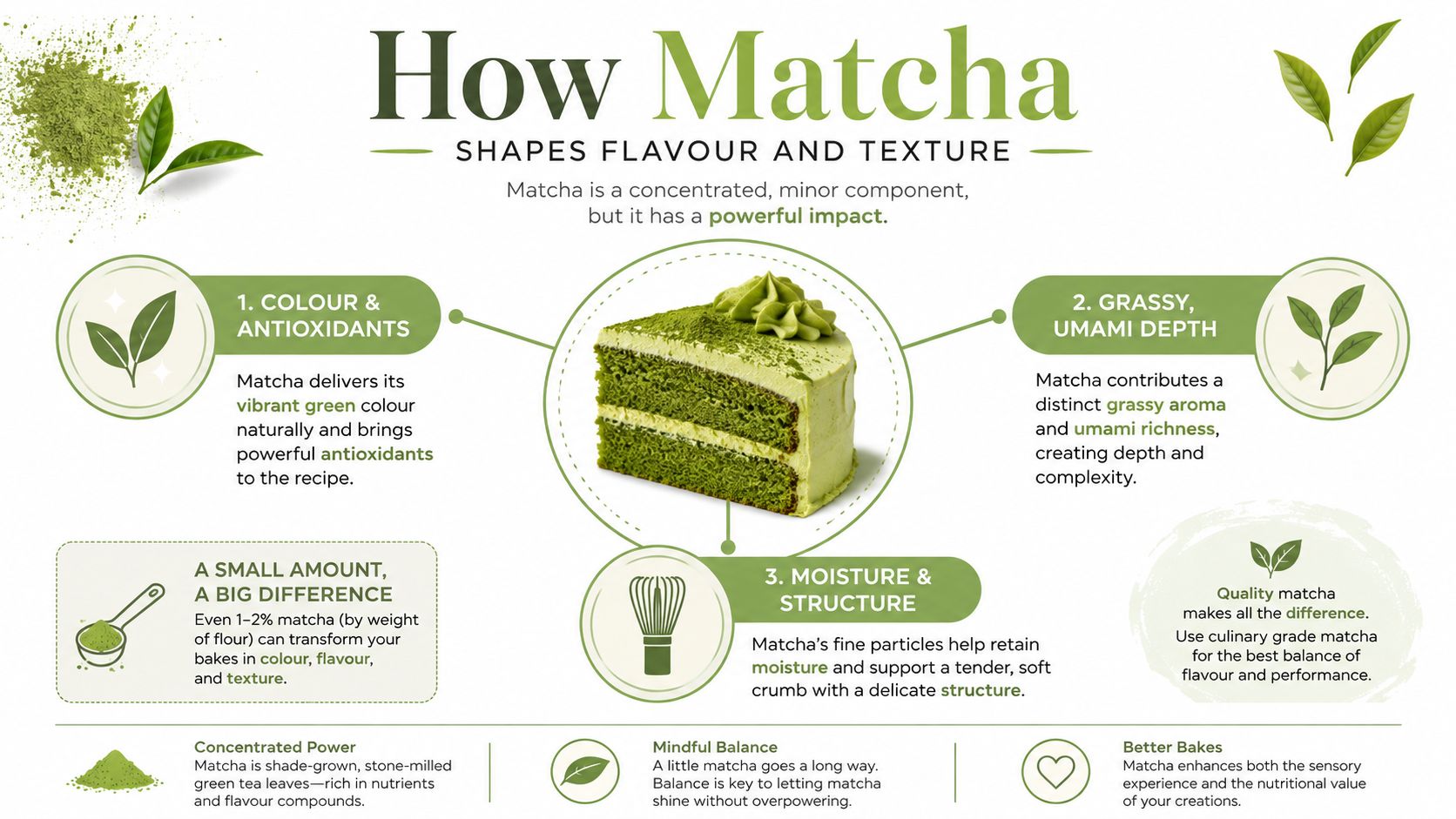
Why can a cake contain only a little matcha yet taste unmistakably like tea? Matcha works like a concentrated seasoning within the formula. It colours the batter and adds a leafy, slightly bitter finish, while flour, eggs, fat and sugar build the cake's structure, softness and sweetness.
A modest amount can therefore influence the whole slice without carrying its weight. An Australian formula uses 2 teaspoons of matcha in the cake base and another 1 teaspoon in the white chocolate shell, while flour, sugar, vegan butter, plant milk and buttercream provide the main structure and texture.SBS Food's matcha cake bites formula
Read the cake as an ingredient map
| Component | Main role | Practical result |
|---|---|---|
| Matcha powder | Colour and concentrated tea flavour | Green hue, grassy aroma and gentle bitterness |
| Flour and starches | Framework and crumb formation | Sliceable structure and body |
| Eggs | Binding, lift and richness | Stability, aeration and tenderness |
| Fat | Tenderness and moisture perception | Softer mouthfeel and fuller flavour |
| Sugar | Sweetness, browning and moisture management | Balance against matcha's bitterness |
| Raising agents | Gas production and lift | More open or lighter crumb |
| Fillings and frostings | Contrast and moisture | Creaminess, sweetness and visual definition |
The surrounding ingredients determine whether matcha tastes smooth, sharp or subdued. Sugar balances bitterness, fat gives the flavour a rounder mouthfeel, and cream-based fillings provide a cool contrast. Sweetness should support the tea rather than conceal uneven mixing or old powder.
Distribution matters. Sift matcha with the dry ingredients, or blend it into a smooth paste with a small amount of liquid before adding it to the batter. Unmixed powder can leave bitter green flecks while the rest of the cake remains pale.
Colour offers a useful clue, not a final verdict. A vivid green cake may have a mild tea flavour if only a small amount of matcha is present. A darker cake can taste harsh when the powder is overused or the batter receives excessive heat.
Pure powder isn't the same as latte mix
Check the ingredient panel before replacing matcha with a latte product. Australian retail information shows that some latte mixes contain sugar, maltodextrin, vegetable oil or flavouring, and one listed product reports 6.8 g of sugars per 10 g serve.Australian matcha latte nutritional information
The blend may make the batter sweeter, dissolve differently and change the crumb. Pure culinary matcha gives more predictable results, while a sweetened premix suits a recipe formulated for its added ingredients.
Popular Matcha Cake Styles
The best matcha cake style depends on the texture you want, the time available and whether the dessert needs to travel or wait in the fridge. A light cake for afternoon tea has different requirements from a make-ahead centrepiece.
Australian mainstream recipe publishing already shows matcha in more than one home-baking format. SBS Food published matcha cake bites in 2023 and a matcha and almond layer cake in 2018, showing an established presence across at least a 5-year span in national food media.SBS Food's matcha and almond layer cake
| Cake style | Typical texture | Best suited to |
|---|---|---|
| Sponge | Soft, springy and straightforward | Birthdays, slicing and simple frosting |
| Chiffon | Airy, tender and light | Afternoon tea or a less heavy dessert |
| Mousse cake | Creamy, chilled and layered | Make-ahead entertaining |
| Swiss roll | Flexible sheet with a soft filling | Shareable slices and compact presentation |
| Layer cake | Moist sponge with filling and frosting | Celebrations and dramatic decoration |
Sponge and chiffon
A standard sponge gives you the clearest route into matcha baking. Its structure is familiar, and a thin layer of cream or buttercream can soften the tea's vegetal edge. It's a sensible choice when you want a dependable cake that can be cut into neat portions.
Chiffon feels lighter and more delicate. Oil helps maintain a tender mouthfeel, while whipped eggs provide lift. The trade-off is fragility. Overmixing or rough handling can reduce the air you worked to create, so chiffon rewards a gentle folding technique.
Mousse and Swiss roll
Mousse cake makes matcha feel more like a patisserie dessert. The baked base may be thin, with the main flavour carried by a creamy matcha layer. This style is ideal if you want a pronounced tea impression without putting a large amount of powder into a flour-based batter.
A Swiss roll uses a flexible sheet that's baked evenly, cooled appropriately and wrapped around cream, ganache, jam or red bean paste. Its thin format distributes matcha through every bite, but the sheet can crack if it loses too much moisture or if the filling is applied too thickly.
Layer cake
Layer cake is the most adaptable format. Matcha can appear in the sponge, the buttercream, a white chocolate filling or several components at once. Almond, raspberry and cream can make the cake feel refined, while red bean creates a more traditional Japanese-inspired pairing.
The same powder can therefore produce five very different desserts. Search by the structure you want first, then add “matcha” to narrow the flavour.
Choosing the Right Matcha Grade and Amount
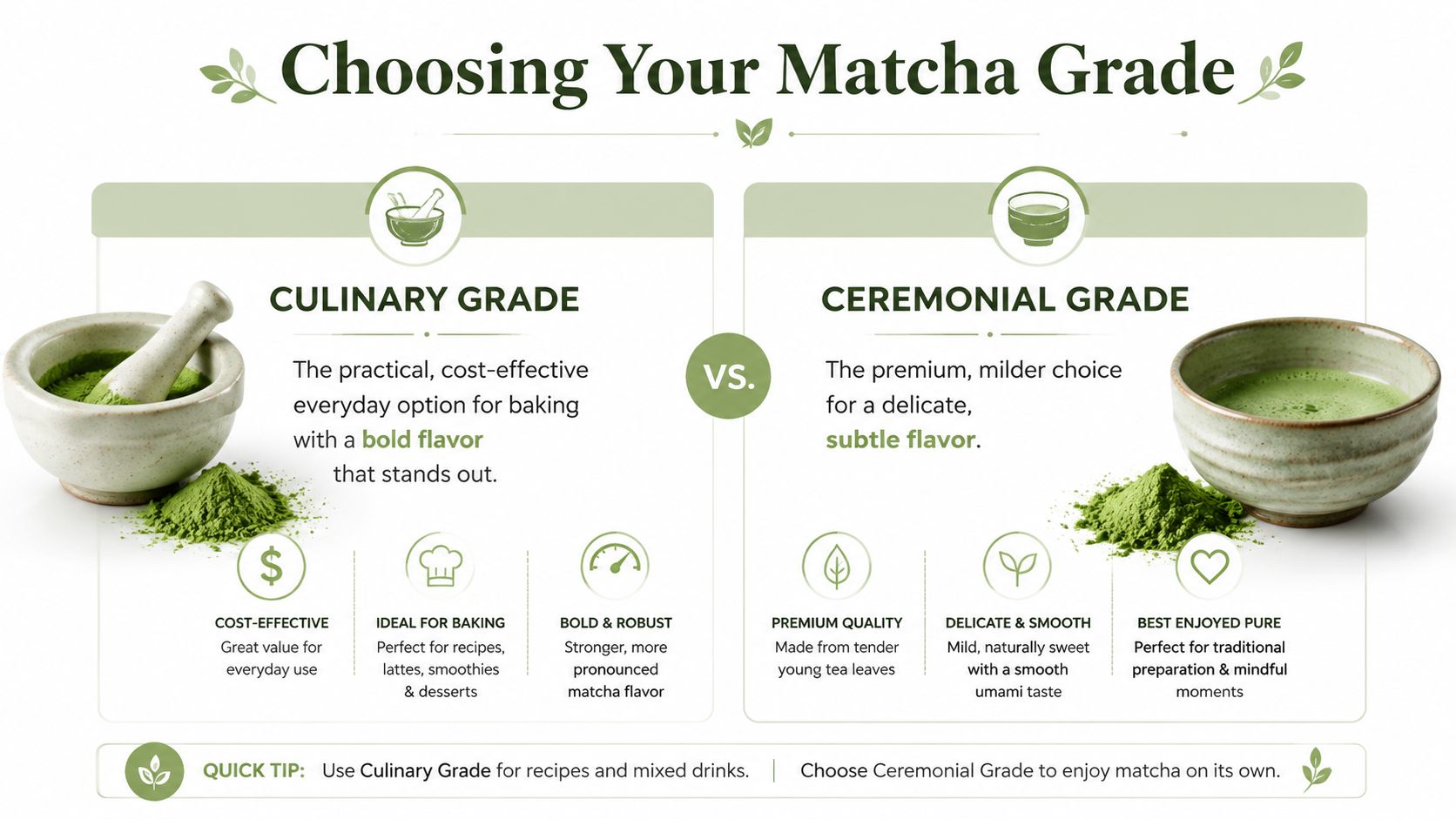
Which matcha should go into a cake, and how much is enough? For most baking, culinary-grade matcha is the practical choice. It is formulated to work alongside flour, fat, sugar and fillings, so its flavour can remain noticeable after mixing. It also suits a full cake or regular baking better, because you are not paying for delicate qualities that frosting may partly hide.
Ceremonial-grade matcha is made for drinking and can have a smoother, more refined profile. That quality does not automatically make it better in cake. Once the powder is spread through batter, buttercream and filling, a dependable culinary grade may provide better value and a clearer baking flavour.
Use a measured starting point
Begin with a measured amount rather than adding powder until the batter looks green. Two teaspoons in the cake base is a useful starting point for recipe development, then you can assess the baked flavour. Treat it as a guide, not a universal rule. A small loaf, thin sheet and tall layer cake distribute matcha differently, much like spreading the same amount of cordial through glasses of different sizes.
For a gentler result, keep most of the matcha in the sponge and pair it with vanilla or cream. For a stronger tea profile, put some powder into the frosting or filling. Those components are less diluted by flour, giving you more control when the cake tastes balanced but not distinctive enough.
Cost-conscious approach: Use culinary matcha throughout the cake, or reserve a premium powder for buttercream, mousse or a finishing dust, where its aroma is easier to notice.
Matcha also contributes caffeine, so the amount matters beyond colour and flavour. A darker green cake is not necessarily better. Extra powder can bring a sharper, more bitter vegetal note, while sugar, dairy and white chocolate can soften that edge.
Scale the amount in the same proportion as the batter. If you double the mixture, double the matcha first, then taste and assess the balance rather than chasing a deeper colour. A larger pan may produce a thinner cake, while a smaller, taller cake can make the same quantity taste more concentrated.
PepTea's guide to different grades of matcha helps compare drinking and cooking purposes before you buy. The useful question is where the matcha will be tasted, how strongly it should register, and which parts of the dessert need to carry it.
Making Matcha Cake Successfully
Good matcha cake begins before the oven is switched on. Check whether the recipe uses pure matcha or a blend, gather the ingredients, and bring butter, eggs or other temperature-sensitive items to the condition the method requires. A chiffon, loaf and mousse each need different handling, but the sequence below provides a dependable starting point.
Prepare and disperse the powder
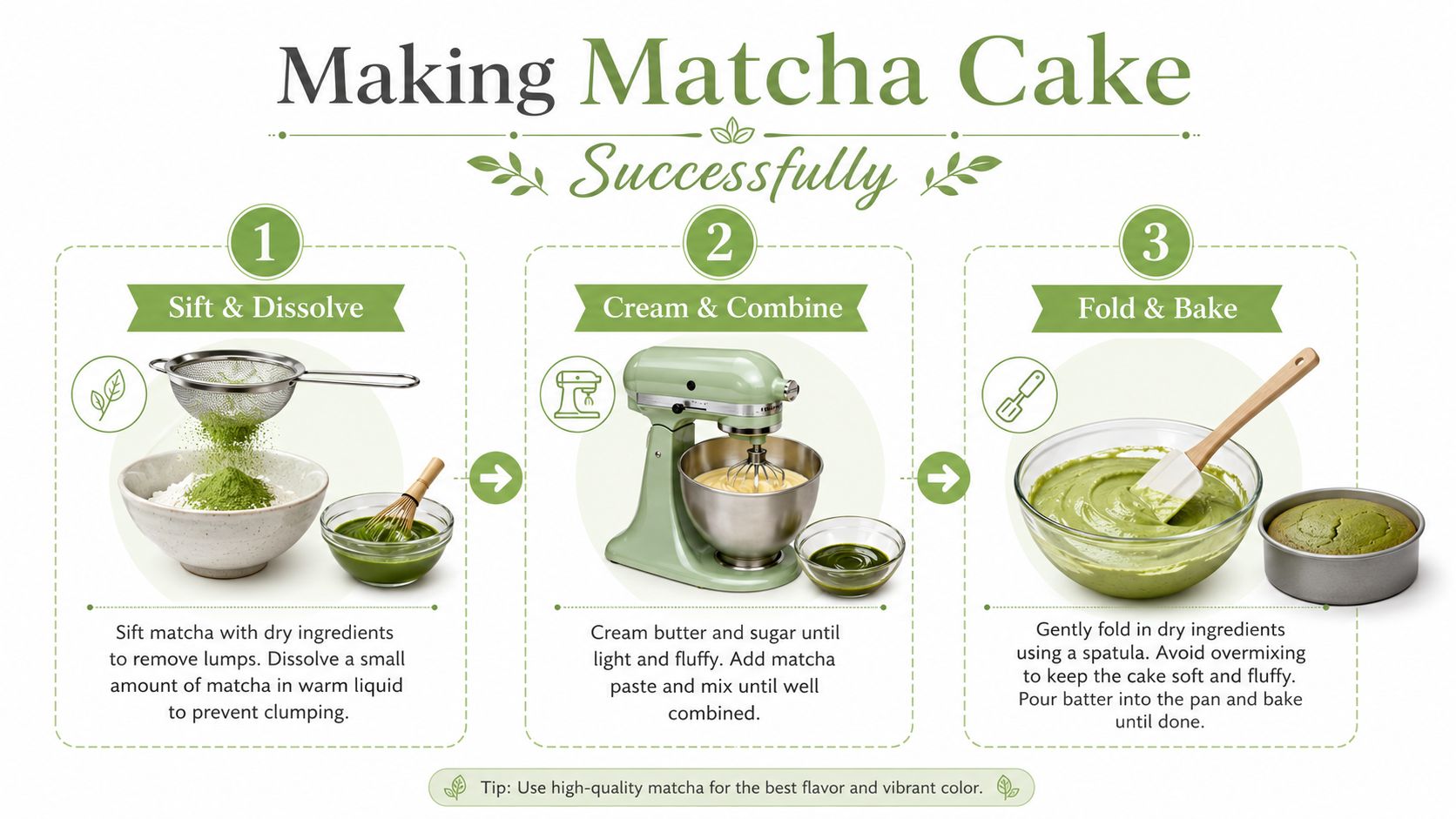
Sift the matcha. Pass it through a fine sieve with the flour or other dry ingredients. This breaks up compacted powder and distributes the colour through the batter.
Make a paste when needed. Stir the matcha with a small amount of warm liquid or another suitable wet ingredient. Aim for a smooth paste rather than a hot mixture. Clumps are difficult to remove after the powder is buried in the batter.
Taste for balance. A separate matcha-and-cream or frosting component can show whether the tea flavour is being softened too much by sugar or pushed towards bitterness. Avoid tasting raw batter containing egg.
Build the structure carefully
For a creamed cake, beat the butter and sugar as directed. If the recipe relies on aerated eggs, whisk them properly. With chiffon, fold the dry and wet ingredients gently so the mixture keeps the air that gives the cake its light crumb.
Overmixing can develop toughness and create a dense cake. Under-mixing leaves streaks of matcha and pockets of flour. Stop once the batter is combined, transfer it to the prepared tin, and follow the recipe's baking cues rather than judging doneness from colour alone.
Coffee-baking guidance also helps explain how a concentrated flavour should be added without treating it as a bulk ingredient. These pro techniques for coffee baking offer a useful comparison for planning where matcha will have the greatest impact.
Diagnose one variable at a time
- Pale or streaky colour: The powder was not dispersed properly, or it was added late without enough mixing.
- Bitter edges: The formula may contain too much matcha for the cake's size, or the edges may have dried during baking.
- Dry crumb: Check for overbaking before changing the flour. Matcha cannot replace lost moisture.
- Collapsed mousse: The mixture may have been set too quickly, or its supporting structure was not stable enough.
- Cracked Swiss roll: The sheet may have been overbaked, cooled in the wrong shape or filled too heavily.
For Australian recipes, 1 teaspoon is 5 ml and 1 cup is 250 ml. Use the same measuring system when scaling a formula or comparing recipes, because small differences can alter a delicate batter.
PepTea's guide to baking with matcha and beyond provides further ideas for using the powder in cakes and other baked desserts.
Pairings and Dietary Variations
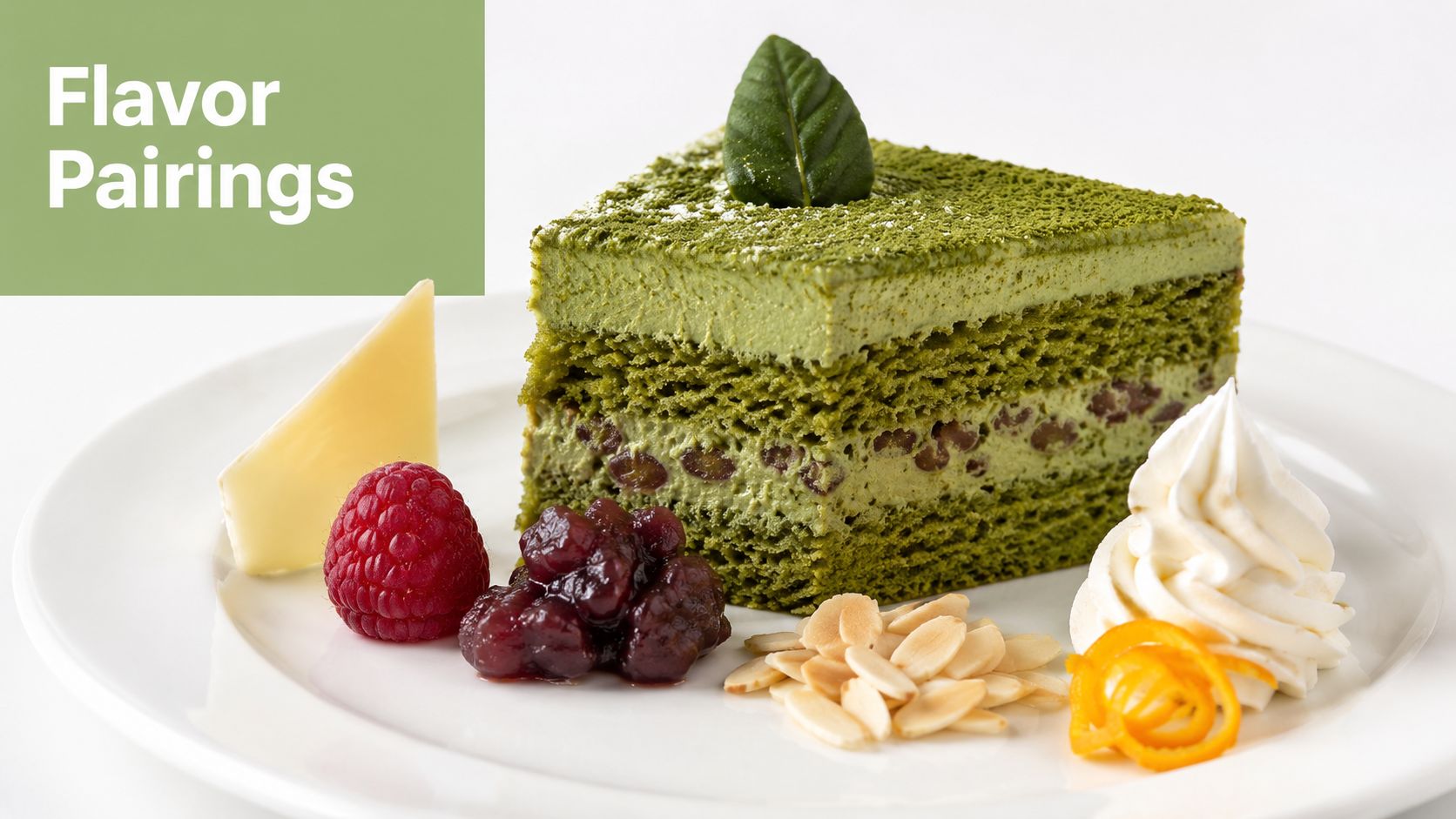
Matcha tastes best when a pairing supports its grassy profile instead of masking it. White chocolate adds creamy sweetness and softens bitterness, while raspberry supplies acidity and fruit brightness. Red bean brings an earthy sweetness that feels especially natural with green tea, and almond adds nuttiness without competing aggressively.
Citrus can lift a dense cake, particularly through zest in a glaze or cream. Plain whipped cream creates a clean contrast, while mascarpone or cream cheese gives a richer, slightly tangy finish. For a chiffon, keep the topping light. A sturdy layer cake can handle a thicker frosting and more elaborate filling.
Choose the drink beside it
Unsweetened green tea keeps the tasting experience focused on the cake. Coffee brings roast and bitterness, which can make a sweet matcha dessert feel more intense. Kombucha adds acidity and refreshment, but choose a flavour that won't fight the filling. Ginger can cut through cream, while lime and ginger can sharpen a rich slice.
Caffeine deserves attention when the cake is served with another caffeinated drink. ABC News reports that a 250 ml cup of coffee contains about 100 mg of caffeine, compared with about 60 to 75 mg in a typical 250 ml cup of matcha.ABC News caffeine comparison The amount in a slice depends on the recipe and how many portions it makes, so sensitive customers should consider the whole café order.
Adapt the formula, not just the label
A vegan cake can use plant milk, plant butter and a suitable egg replacement, but each swap changes emulsification and structure. Gluten-free versions need a recognised gluten-free flour blend and, where necessary, a binder to prevent crumbling. A sugar-reduced cake may taste less sweet, but it isn't automatically sugar-free.
Read the full ingredient list, especially for premixed matcha products. Australian packaged-food rules generally require ingredients to be declared unless an exemption applies, making the panel important for identifying flour, dairy, eggs, soy, added sugar and blended matcha ingredients.Australian Food Standards Code ingredient requirements
Quick Matcha Cake Ideas
Start with the format that matches your confidence rather than attempting the most decorated cake immediately.
For a simple afternoon bake, make a matcha sponge or loaf using culinary-grade powder and finish it with vanilla buttercream, cream cheese frosting or a light glaze. Sift the matcha with the flour, keep the batter gently mixed and let the cake cool fully before decorating. This route suits a standard home oven and gives you a clear read on the powder's flavour.
For a make-ahead dessert, use matcha in a mousse or layered cake. Put the tea flavour into the cream or filling as well as the base, then allow enough time for the chilled layers to set. White chocolate, raspberry and almond are strong choices when you want contrast without losing the green-tea identity.
For sharing, turn one sheet cake into small bites or try a Swiss roll. Cake bites create more surface area for a white chocolate shell or dusting, while a roll gives you a clear spiral of matcha sponge and filling. Australian recipe coverage includes both bite-sized and layered formats, so you can choose between casual portions and a celebration-style centrepiece.SBS Food's Australian matcha cake coverage
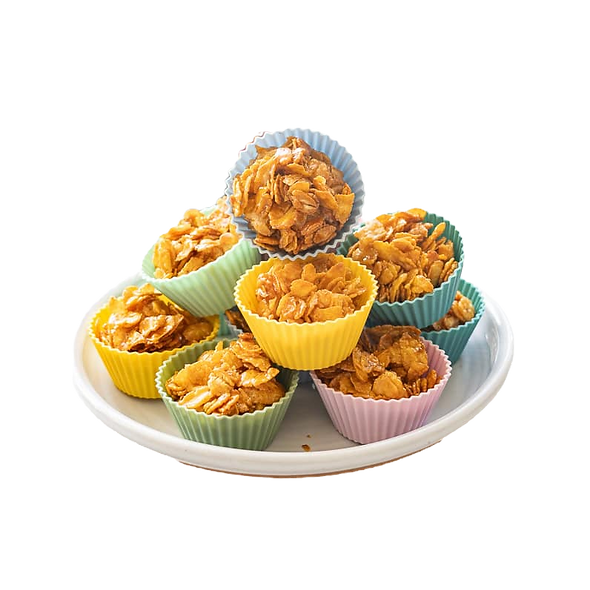
For decoration inspiration beyond tea desserts, an illustrated Dubai gourmet honey cornflakes treat shows how texture and garnish can make a small sweet feel special. Use the same principle with toasted almonds, raspberries or a fine matcha finish.
Serving, Storage and Buying Advice
Matcha doesn't automatically make cake healthy. The overall profile is still shaped mainly by sugar, fat, portion size and the amount of powder used, while matcha contributes colour and tea character in a relatively small formulation role. Serve a slice as a dessert, not as a substitute for a balanced meal or a cup of plain tea.
Keep a plain sponge sealed so it doesn't dry out. Filled or frosted cakes may need refrigeration, particularly when they contain fresh cream, mousse or other perishable components, although chilling can firm the crumb and mute aroma. Let the cake stand briefly before serving if the recipe allows.
Remember that matcha contains caffeine, and chocolate or coffee served alongside it can add more. When buying, check the grade, ingredient list, cake style and desired intensity. If you want an organic powder for baking or drinking, explore PepTea's range with those practical criteria in mind.
Pep Tea offers Japanese organic matcha in ceremonial and culinary styles, along with Australian-brewed sugar-free organic kombucha from the Hunter Valley, NSW. Visit Pep Tea to compare matcha options for your next cake, latte or everyday tea ritual.
Easy Matcha Mochi Recipe: Chewy and Authentic for 2026
You're probably here because you want a matcha mochi recipe that works. Not one that turns rubbery by dinner, tastes flat, or leaves you scraping gluey dough off every surface in the kitchen.
Good news. Matcha mochi is one of the most satisfying homemade treats once you understand the small details that matter. The ingredient choice matters. The cooking method matters. The handling matters even more. Get those right and you end up with mochi that's soft, springy, lightly sweet, and fragrant with green tea, with that signature chew people chase in good Japanese sweets.
This version leans a little more modern and a little more Australian in spirit. It keeps the pleasure of classic mochi, but uses thoughtful ingredients and simple techniques that suit home bakers who want a cleaner, more balanced dessert. If you love café-style sweets but want better control over flavour, sweetness, and texture, this is the one to make.
A Healthier Indulgence The Pep Tea Way
A good matcha mochi recipe feels indulgent without being heavy. The dough should be tender and stretchy, not tough. The matcha should taste grassy, creamy, and slightly savoury, not harsh or dusty. The sweetness should support the tea, not bury it.
That balance is why matcha and mochi work so well together. Mochi has deep roots in Japanese food culture. Matcha carries its own long ceremonial history. Their pairing feels timeless, but it also suits the way many Australians like to eat now: smaller treats, clearer flavours, and ingredients chosen with more care.
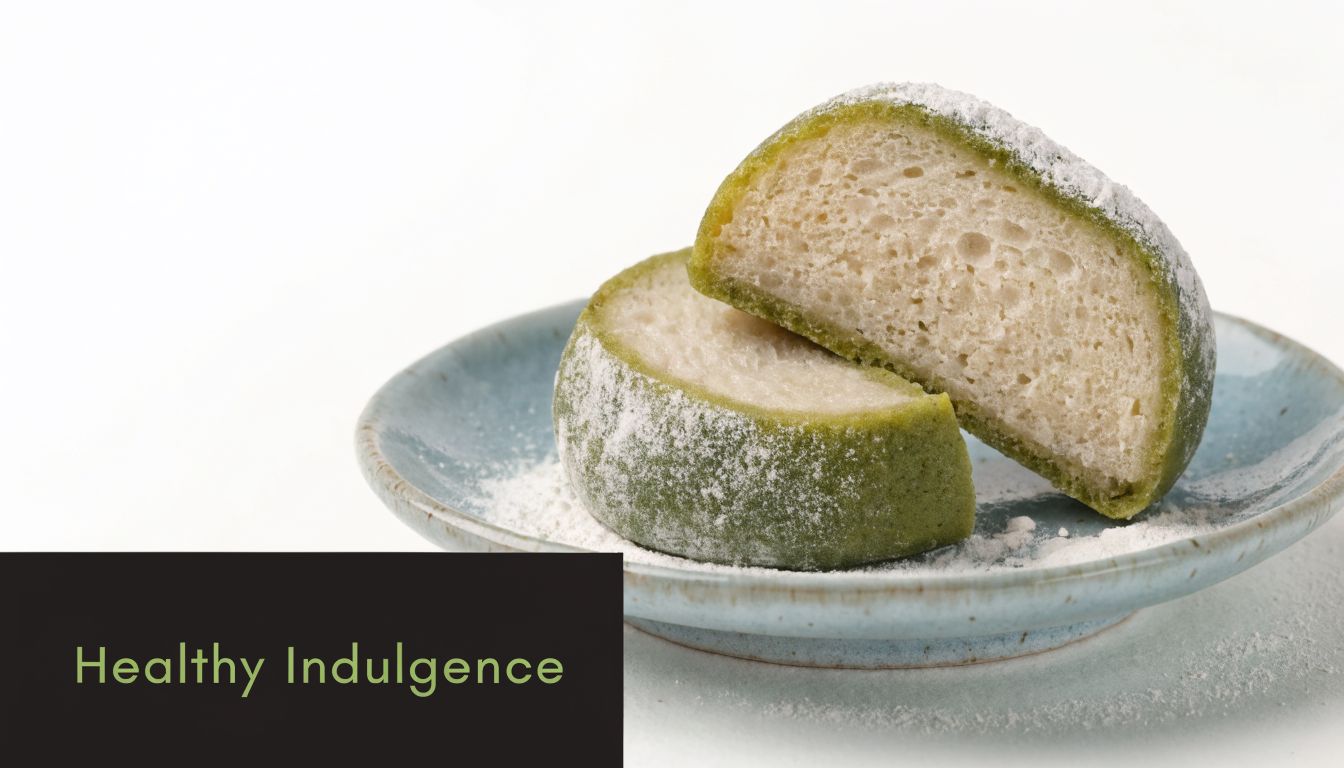
One reason matcha mochi has found a place in modern kitchens is that it can be adapted beautifully. You can keep it traditional with sweet bean paste, or make it lighter with fruit or a restrained ganache. You can also control the sugar level far more easily than you can with many bought sweets.
Why quality changes the result
Matcha isn't just there for colour. It shapes the whole personality of the dessert. A poor matcha gives you a dull khaki dough and a bitter finish. A fresher, better-made powder gives you brighter colour and a rounder, calmer flavour.
That's also why many tea drinkers care about origin and processing. If you want a deeper read on that side of matcha, Pep Tea's guide to the benefits of matcha green tea is a useful starting point.
Practical rule: If your matcha tastes unpleasant on its own, it won't magically improve once it's folded into dough.
What makes this style feel lighter
The “healthier” part isn't about pretending mochi is a salad. It's about making sensible choices that improve the eating experience. Use a clean-tasting matcha. Sweeten lightly. Choose fillings that bring contrast instead of extra heaviness. Keep the pieces modest, because mochi is at its best as a small, satisfying treat.
That approach gives you something special enough for guests and relaxed enough for an afternoon tea at home.
Gathering Your Mochi Making Essentials
Good mochi starts before the heat goes on. If the flour is wrong or the matcha is stale, no mixing trick will rescue the texture or flavour later.
A reliable matcha mochi recipe begins with glutinous rice flour. It contains no gluten. What it does contain is the starch balance that gives mochi its signature stretch and chew. Regular rice flour cooks up more brittle and chalky, so the dough cracks sooner and feels dry in the mouth.
In Australia, glutinous rice flour is easy to find in Asian grocers and many larger supermarkets. The label should clearly say glutinous rice flour or sweet rice flour. Different brands behave slightly differently, especially with water absorption, but any fresh bag from a busy shop usually performs well.
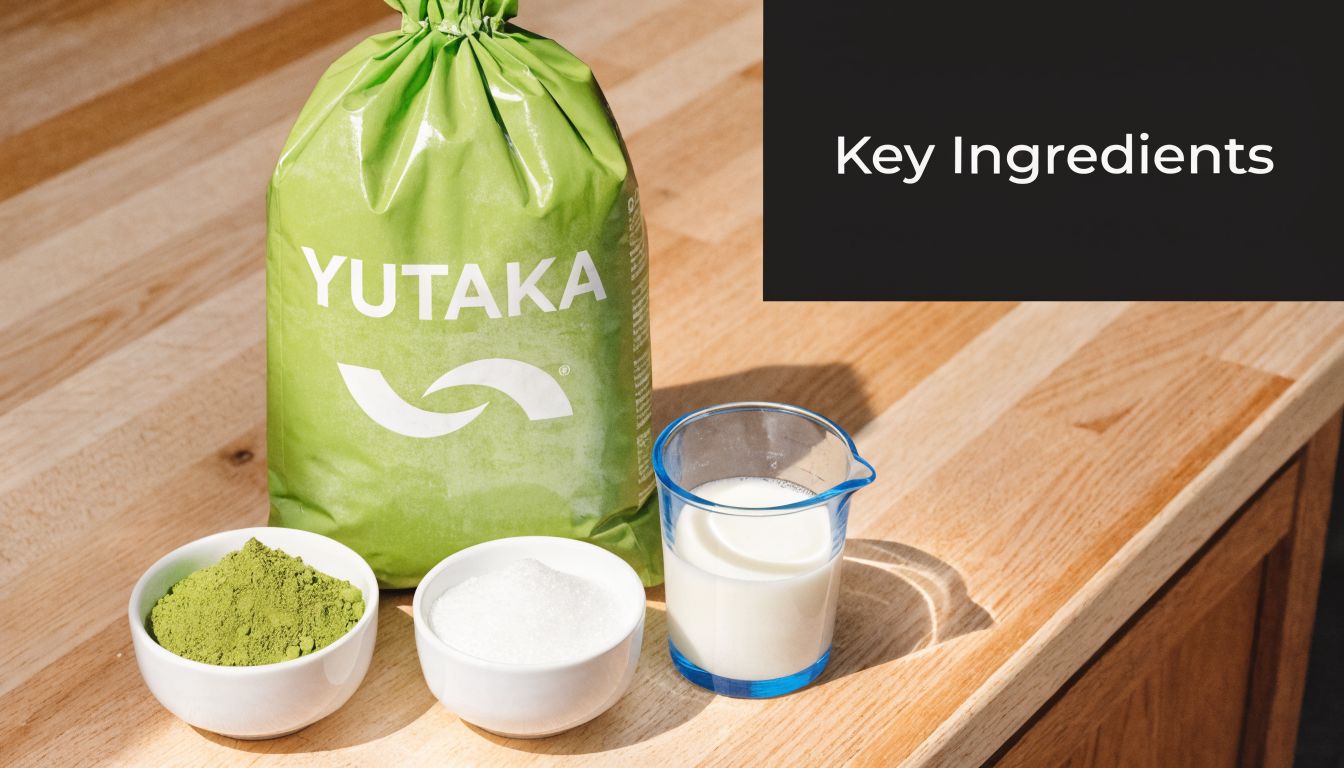
The ingredient list that works
For the dough, gather:
- Glutinous rice flour for the classic chew
- Matcha powder for flavour, colour, and aroma
- Sugar or a low-sugar alternative for a lighter, more balanced sweetness
- Water or milk depending on whether you want a cleaner or creamier finish
- A neutral oil, optional if you prefer a slightly softer bite
- Potato starch or cornflour for dusting during shaping
For fillings, keep the texture in mind as much as the flavour. Red bean paste is dependable. A thick fruit centre gives a fresher Australian-style feel. A firm white chocolate or dark chocolate ganache pairs beautifully with good organic matcha, but it needs to be chilled first so it does not melt into the dough. Very wet fillings are harder to seal and often break through after resting.
Why sourcing matters in Australia
Ingredient quality shows up fast in mochi. Fresh matcha gives you a cleaner green colour, a softer finish, and less bitterness, which matters even more in a recipe with relatively few ingredients. For a healthier homemade version, I prefer certified organic matcha with a bright aroma and a fine texture, because it blends more evenly and lets you keep the sugar lower without the dough tasting flat.
The same principle applies to the rest of the ingredient list. Use fresh flour, not a packet that has been sitting open in the cupboard for months. Choose a filling with enough body to hold its shape. Small decisions like that are what make homemade mochi feel polished instead of patchy.
If you like setting up properly before you start, a few basic tools from matcha tea accessories make prep cleaner and more consistent.
Sift the matcha and flour together before adding liquid. It prevents stubborn green specks and gives the dough a smoother finish.
The few tools worth pulling out
You do not need a specialist mochi kit. A simple home setup works well:
| Tool | Why it helps |
|---|---|
| Mixing bowl | Gives you room to whisk out lumps |
| Fine sieve | Helps the matcha blend smoothly through the flour |
| Silicone spatula | Handles sticky cooked dough better than a spoon |
| Microwave-safe or heatproof bowl | Use the one that suits your cooking method |
| Small scoop or knife | Makes portioning more even |
| Tray dusted with starch | Keeps shaping tidy and prevents sticking |
I also keep a bowl of extra starch nearby and lightly dust my hands as I work. It is the easiest way to stay in control of a sticky batch without drying the surface too much.
And because organised prep saves frustration in any hands-on job, this guide on how to pick a NZ axe follows the same practical approach to choosing tools that suit the task.
Crafting the Perfect Mochi Dough Two Ways
You mix the batter, the matcha smells fresh and grassy, and then the cooking test begins. Cook the dough too little and it tastes floury. Cook it too far and the chew turns tough. Good mochi sits in the middle. It should be glossy, elastic, and soft enough to stretch without tearing straight away.

The base dough formula
For a small batch, use:
- 200 g glutinous rice flour
- 1 to 2 tsp matcha powder
- Sugar to taste, or your preferred alternative
- Liquid until you have a smooth batter-like mixture
That amount of matcha gives most home batches enough tea character without pushing the dough bitter or chalky. I stay closer to 1 teaspoon for a softer, milder mochi, and closer to 2 teaspoons if I want a greener colour and a clearer tea finish. Using a good organic matcha helps here. You get cleaner flavour without needing to overload the dough.
The uncooked mixture should be looser than cake batter but thicker than milk. It should fall from the whisk in a ribbon. If it drops in heavy clumps, add a little more liquid. If it runs fast around the bowl, whisk in a touch more flour.
Microwave method for speed
The microwave is the fast option, and it works well if you stop and stir properly between bursts.
A practical microwave method for green tea mochi is shown in this guide to green tea mochi microwave timing, where the dough is cooked in short intervals with mixing in between to prevent raw spots and rubbery edges.
- Mix the dry ingredients first. Sift the flour and matcha together, then whisk in sugar.
- Add the liquid gradually. Stir until the batter is smooth and lump-free.
- Microwave in short bursts. Start with 1 minute, then stir well, scraping the thicker edges into the middle.
- Repeat and watch the texture. The dough will look patchy before it comes together.
- Stop once it turns glossy and cohesive. There should be no puddle of thin liquid hiding underneath.
If part of the dough looks clear and sticky while another part still looks pale, stir hard before adding more heat. Uneven cooking often fixes itself with one thorough mix.
Here's a useful visual walkthrough before you try it yourself:
Stovetop method for control
The stovetop method takes longer, but it gives you more control over the finish. I prefer it when I am using less sugar or testing a new filling, because the dough tightens more gradually and is easier to judge by feel.
- Start with the smooth batter in a non-stick saucepan, or set a heatproof bowl over simmering water.
- Stir steadily with a silicone spatula.
- As the heat builds, the mixture will shift from loose and opaque to sticky and stretchy.
- Keep folding and pressing until it forms one smooth mass and pulls away from the sides.
This method suits a modern lighter-style mochi because you can stop at the moment the dough is cooked through but still supple. That matters if you want a cleaner tea flavour and a less sugary finish, which is closer to the Australian café style many home bakers are after.
What works and what doesn't
Both methods make good mochi. The better choice depends on how you like to cook.
- Microwave works best for a quick batch and easy cleanup.
- Stovetop works best if you want more control over texture.
- Extra matcha can dry the dough slightly and make bitterness more obvious, especially with lower-grade powder.
- Sugar affects texture as well as flavour. Cut it too far and the dough can feel firmer and less plush.
Quick comparison
| Method | Best for | Risk |
|---|---|---|
| Microwave | Speed and ease | Overcooked edges if not stirred well |
| Stovetop | Even cooking and feel | Tiring stirring and sticking if neglected |
Once the dough is cooked, tip it onto a well-dusted surface and let it cool just enough to handle. Warm mochi is easier to portion, easier to wrap, and much more forgiving than dough that has gone cold.
Delicious Fillings From Classic to Creative
The outer layer gets the attention first, but the filling is what makes each piece memorable. A great filling gives contrast. Mochi is chewy and mild, so the centre should either bring creaminess, softness, or a clean burst of flavour.
Classic anko, or sweet red bean paste, is still one of the best choices. It has enough body to hold its shape, and its earthy sweetness sits naturally beside matcha. If you're using ready-made anko, chill small spoonfuls first so they're easier to wrap.
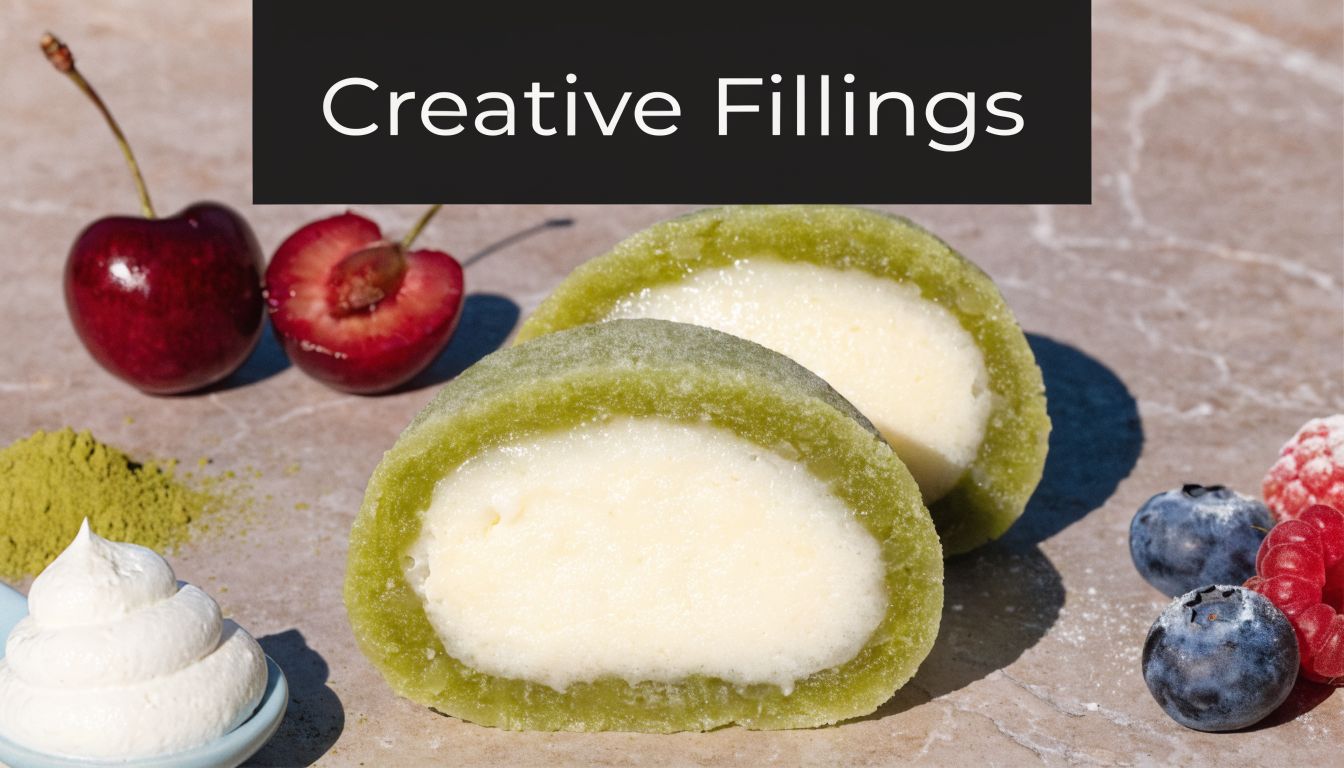
Three filling directions that suit this dough
Traditional and balanced
Red bean paste gives you the most classic flavour story. It keeps the dessert grounded and not overly rich. This is the option to choose if you want the matcha itself to stay in the lead.
Creamy and richer
A firm white chocolate ganache with a little extra matcha folded through it creates a more dessert-like centre. The dairy sweetness softens the tea's savoury edge and gives a smooth contrast to the chewy shell. Make it thick, then chill or portion it before wrapping.
A filling should be cool, thick, and calm. If it slumps on the bench, it's too soft for easy shaping.
Fresh and lighter
If you want something brighter, use a thick strawberry purée, a nut butter, or a softly set fruit centre. These versions feel a bit more modern and work well when you're serving mochi with tea in the afternoon rather than as a heavy dessert after dinner.
Low-sugar filling ideas that still taste finished
Not every lighter filling tastes satisfying. Some taste reduced. Better options are the ones that replace sweetness with flavour or texture:
- Roasted strawberry centre because cooked fruit tastes fuller than raw purée.
- Unsweetened nut butter with a pinch of salt because it adds depth.
- Reduced-sugar ganache because fat and matcha together still create a rounded finish.
- Mashed red bean with restrained sweetening because it keeps the classic profile intact.
The key is firmness. Whatever filling you choose, portion it first and chill it. That one step makes assembly dramatically easier.
Assembling Storing and Troubleshooting Your Mochi
Freshly cooked mochi dough is sticky enough to test anyone's patience. That's normal. The answer isn't more flour in the dough. The answer is a well-dusted work surface and quick, confident hands.
Potato starch is especially useful here because it coats the exterior without being absorbed too quickly. Dust your tray, your fingers, and the dough lightly. You want enough to stop sticking, but not so much that the outside feels dry and chalky.
How to shape it neatly
- Portion the warm dough once it's cool enough to touch.
- Flatten one piece into a small round disc with dusted fingers.
- Place the chilled filling in the centre.
- Lift and pinch the edges together until the filling is enclosed.
- Turn it seam-side down and gently round it in your hands.
If the dough tears, the disc was probably too thin in the middle or the filling was too large. If the dough keeps sticking, pause and dust your fingers again rather than fighting it.
Common texture problems
A few problems show up again and again in home kitchens:
- Hard mochi usually means the dough was cooked too long or made with too little liquid.
- Wet, pasty mochi means it needed more cooking or better stirring during cooking.
- Dull green colour can happen when matcha is overheated.
- Leaking filling often means the centre was too soft or the wrapper too thin.
Warm mochi is forgiving. Cold mochi is less so. Shape it while it still has some softness and flexibility.
Storing it without ruining the texture
Mochi is best the day it's made. That's when the chew is at its peak and the outer layer is still supple. If you need to store it, place the pieces in an airtight container with a little space between them and keep them cool.
Avoid leaving them uncovered. They dry out fast. If they firm up, let them sit briefly at room temperature before serving so the texture relaxes a little.
Serving ideas are simple. Dust with extra starch or a touch of matcha, plate with berries, or pair with plain tea so the flavour stays clear.
Perfect Pairings and Café Considerations
A plate of soft matcha mochi lands very differently once the drink beside it is right. Serve it with something too sweet or too heavy, and the gentle bitterness of the tea disappears. Give it a clean, refreshing pairing, and the mochi tastes greener, fresher, and far more polished.
I like to pair matcha mochi the same way I build the recipe itself. Keep the flavour clean, let the tea lead, and avoid anything that fights the chewy texture.
Pairings that make sense
At home, three pairings work especially well.
- A bowl of straight matcha for a focused tea experience and a more traditional finish.
- An iced matcha drink for a softer, more modern café-style serve.
- A dry, crisp kombucha for brightness, especially if your filling is richer, such as white chocolate, sweet red bean, or a cream-based centre.
If you want the iced option, this guide on how to make an iced matcha latte is a good place to start. A lighter latte works better than a very milky one, because it keeps the mochi from feeling heavy.
This is also where ingredient quality shows up clearly. Organic matcha with a clean finish gives you more room to pair with fruit, sparkling drinks, or cultured flavours without turning the whole plate bitter.
Why cafés are paying attention
Matcha mochi suits the way many Australian cafés serve now. It is small, visually sharp, easy to portion, and flexible enough to sit beside tea, coffee alternatives, or non-alcoholic drinks. It also gives cafés a dessert that feels a little lighter than a cake cabinet staple, especially when the ingredients are clean and the sweetness is kept in check.
That healthier café angle matters. A modern Australian-style version can use certified organic matcha, modest sweetness, and naturally gluten-free ingredients by profile. The result still feels indulgent, but not overly rich.
For cafés, the practical appeal is straightforward:
| Benefit | Why it matters |
|---|---|
| Visually distinctive | The green colour stands out in a cabinet and photographs well |
| Naturally portioned | Easy to sell as a premium single serve |
| Flexible pairing | Works with matcha, hojicha, kombucha, and other non-alcoholic options |
| Gluten-free by ingredient profile | Useful for many menus, with cross-contamination handled separately in the kitchen |
Menu strategy beyond the plate
Good café mochi needs more than a nice recipe. It needs a clear place on the menu. Pair it with one drink that makes sense, describe the filling properly, and give staff a simple way to recommend it.
Digital menus can help with that. A QR menu can show the mochi beside its best drink match, explain the flavour in a few words, and prompt an easy add-on. For operators trying to improve restaurant table scan rates, that setup is worth studying.
The best version is usually the simplest. One soft, chewy matcha mochi made with good organic tea, one filling with contrast, and one thoughtful drink pairing will outperform an overloaded dessert plate almost every time.
If you're ready to make your own matcha mochi with cleaner flavour and a vibrant green finish, explore Pep Tea for organic matcha and Australian-brewed kombucha that suit both home kitchens and café menus beautifully.