
Tag: how to brew tea
Electric Tea Kettle with Temperature Control: Elevate Your

You make a cup that should taste fresh and lively. Instead, the liquor turns sharp, dull, or strangely bitter after the first sip. In many Australian kitchens, the tea gets blamed when the culprit is much simpler. Water that was far too hot for the leaves or powder in the cup.
A standard kettle gives you boiling water. An electric tea kettle with temperature control gives you choice. That sounds like a small upgrade, but it changes the result in a very practical way. Delicate green teas stay softer and sweeter. Matcha keeps more of its creamy, rounded character instead of turning harsh. Even the aroma is clearer, much like cooking vegetables gently instead of blasting them until their colour and freshness disappear.
That precision matters for more than taste. Heat changes how flavour compounds show up in the cup, and it also affects the qualities people often seek from premium organic drinks. With matcha, the wrong temperature can make a beautiful powder taste aggressive before you have a chance to enjoy its natural sweetness. With kombucha, careful heating matters when you want to serve it warm without being careless with the living culture.
A useful way to picture it is as the difference between using a toaster and using an oven with a proper dial. One gives you the highest setting every time. The other lets you match the heat to the job. Tea is much the same. If you are whisking matcha before breakfast or warming water for an afternoon kombucha serve, precision gives you repeatable results instead of guesswork.
That is why temperature control kettles have become so popular with home tea drinkers. They suit the way many of us brew now. One person wants a clean, sweet sencha. Another is making ceremonial-style matcha. Someone else wants warm, not scalding, water ready in seconds. The right kettle makes those small decisions easier, and the drinks in your cup taste better for it.
The End of Burnt Tea Your Introduction to Precision Brewing
The biggest mistake home tea drinkers make is simple. They use boiling water for everything.
That works well enough for some black teas and many herbal infusions, but it can ruin more delicate styles. Green tea, white tea, and matcha respond very differently to heat. Too much, and you draw out harshness before you get the sweetness and aroma you were hoping for.
A temperature control kettle removes the guesswork. Instead of waiting for boiled water to cool down and hoping you’ve judged it right, you press a button or dial in a setting and let the kettle stop at the right point. That means fewer disappointing cups and a lot more consistency.
Practical rule: If your tea tastes bitter, dry, or overly grassy, the water may be too hot rather than the tea being poor quality.
For many people, this is the first tool that makes premium tea feel easier rather than fussier. You don’t need to memorise complex brewing rituals. You just need water at the right temperature.
That matters even more when you’re working with drinks where heat affects both flavour and useful compounds. Matcha is the clearest example. Precision helps preserve the character you paid for, instead of scorching it away in the first pour.
What Exactly Is a Temperature Control Kettle
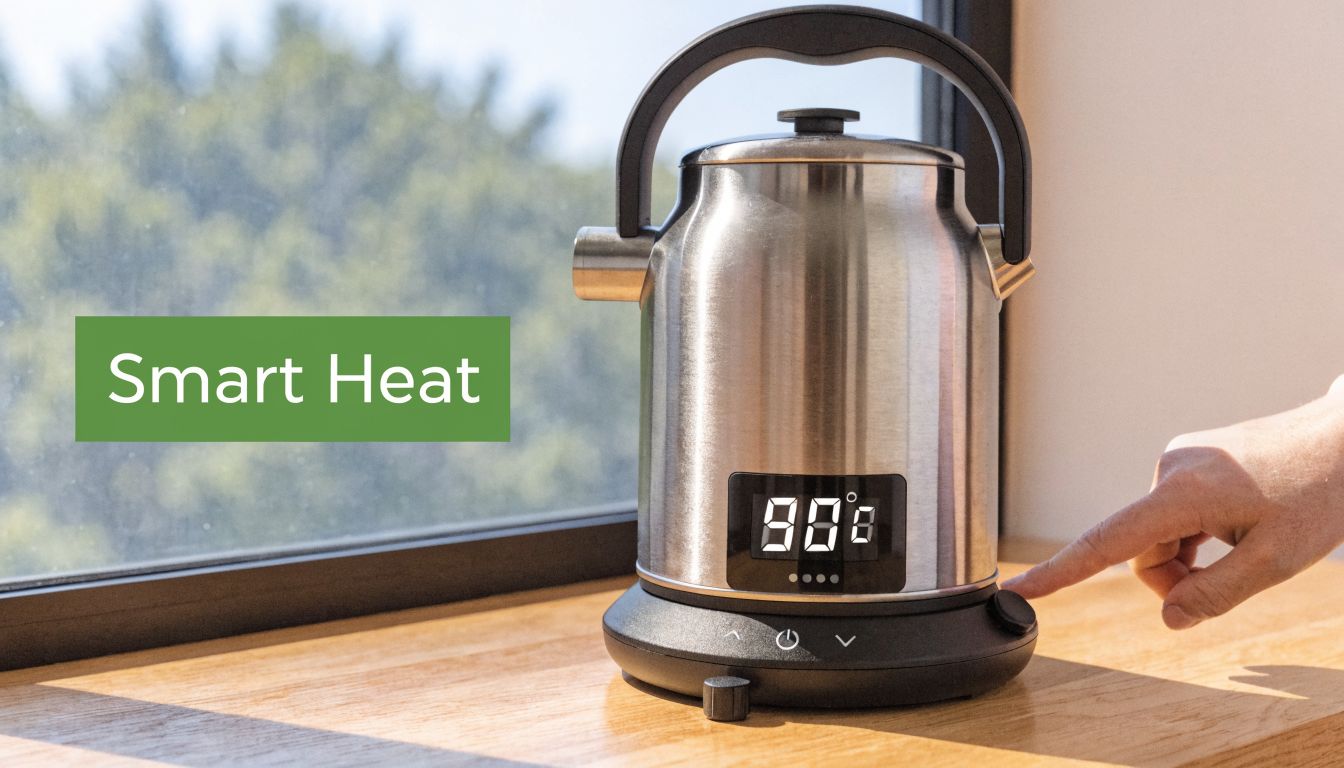
You fill the kettle, choose a temperature, and the water stops there instead of rolling all the way to a boil. That simple change gives you far more control over what ends up in your cup.
A standard kettle has one job. Heat until boiling. A temperature control kettle adds a small layer of judgment. It monitors the heat as the water warms and cuts off at the point you selected, whether that is a gentler setting for organic matcha or a hotter one for black tea.
How the kettle knows when to stop
Inside the kettle or its base, a temperature sensor measures the water as it heats. Many models use a thermistor. As the reading rises, the control system compares it with your chosen setting and switches the heating element off at the right moment.
The better ones do more than just stop. They hold the water close to that temperature for a set time, which is handy if you are whisking matcha for two people, pausing between pours, or serving tea alongside breakfast. In a practical Australian kitchen, that means less waiting around for boiled water to cool and less guesswork with every second cup.
Local compatibility matters too. Kettles sold for Australian homes should match our 220 to 240V, 50Hz power supply. The wattage varies by model, but the goal is the same. Fast, stable heating that behaves predictably on your bench.
What makes it different from an ordinary kettle
The easiest way to understand the difference is to compare it to cooking. Boiling all tea water is a bit like cooking every vegetable on high heat until it is soft. You will get something drinkable, but you lose nuance.
A temperature control kettle lets you match the water to the drink. Lower temperatures suit delicate teas and matcha, where too much heat can push the flavour toward bitterness and flatten the creamy, sweet notes people look for in premium powders. Higher temperatures suit sturdier teas and many herbals, where more heat helps draw out body and aroma.
That precision also matters for what you are trying to keep, not just what you are trying to taste. With premium matcha, gentler water helps protect the smooth character and useful plant compounds that make people choose it in the first place. With kombucha, careful heating is useful in a different way. You can prepare tea for brewing without accidentally treating every step as if it needs boiling water.
Common features you’ll see
Some electric tea kettles with temperature control keep things simple. Others give you fine control down to a specific degree. The most useful features are the ones that make good results repeatable.
- Preset temperatures for drinks like green tea, black tea, or coffee
- Variable temperature selection if you want to choose the exact setting
- Keep warm mode for multiple pours or slower mornings
- Auto shut-off for safety
- Boil-dry protection so the kettle does not keep heating when empty
If you are new to precision brewing, start with one idea. The kettle is not there to make tea feel complicated. It is there to make good tea easier to repeat, especially when you care about getting the best flavour and benefits from drinks like organic matcha and kombucha.
Why Temperature Unlocks Flavour and Health Benefits
You fill the kettle, scoop out a premium matcha, and do everything right except one small step. The water is a bit too hot. Suddenly the bowl tastes sharper than expected, the sweetness fades, and that soft, creamy finish never quite shows up.
That one detail changes more than flavour. Water temperature affects how quickly tea compounds move into the cup, how balanced they taste, and how gentle the brewing process is on the elements people value in drinks like organic matcha and kombucha.
What hot water actually changes
Tea leaves and tea powders contain many different compounds. Some bring sweetness, umami, floral aroma, or briskness. Others can taste harsh if they come out too fast. Temperature acts a bit like the flame under a frying pan. Low heat coaxes flavour out gently. High heat can push things too hard and throw the balance off.
With delicate teas, that balance matters a lot. Matcha is a clear example because you are consuming the whole powdered leaf, not just an infusion poured off the leaves. If the water is too hot, the result can taste bitter, rough, and slightly flat rather than smooth and rounded.
The same idea matters for kombucha in a different way. If you are brewing the base tea for fermentation, careful heating helps you prepare a clean, pleasant tea without treating every style as if it needs a rolling boil. If you are serving finished kombucha warm, gentler heat is also kinder to its fresh, lively character.
Water temperature shapes both taste and what you keep in the cup.
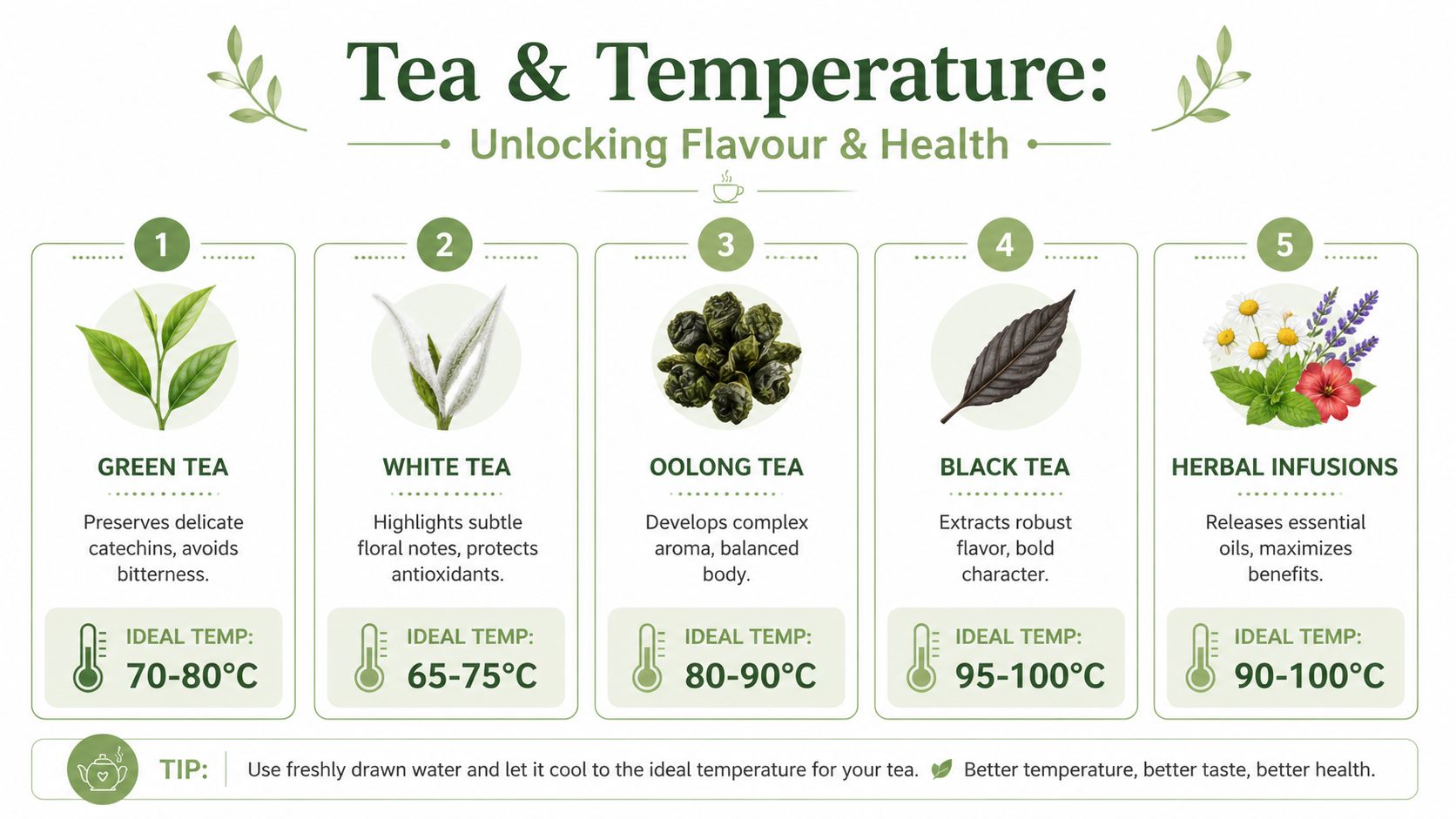
A practical temperature guide for everyday brewing
You do not need to memorise chemistry to brew well at home. A simple temperature map is enough for most Australian kitchens.
| Tea Type | Ideal Temperature (°C) | Steeping Time | Notes |
|---|---|---|---|
| Green Tea | 70 to 80 | Short infusion | Helps preserve delicate character and reduce bitterness |
| Matcha | 70 to 80 | Whisk briefly, don’t steep | Best for smooth texture and rounded umami |
| White Tea | 65 to 75 | Gentle infusion | Supports subtle floral notes |
| Oolong | 80 to 90 | Moderate infusion | Brings out aroma and body |
| Black Tea | 95 to 100 | Full infusion | Suits bold flavour extraction |
| Herbal Infusions | 90 to 100 | Full infusion | Useful for drawing flavour from herbs and spices |
Use this chart as a starting point, not a strict rulebook. A grassy Japanese green, a roasted oolong, and a spice-heavy herbal blend all respond a little differently. The value of a temperature control kettle is that you can repeat what tastes good, then adjust one variable at a time.
Why this matters for health-focused brewing
People often choose premium organic matcha for more than taste. They also care about plant compounds such as catechins, along with the calm, steady feel that makes matcha different from a standard cuppa. Gentler brewing supports a more pleasant drinking experience and avoids the scorched taste that can make a quality powder seem ordinary.
Kombucha drinkers often have a similar goal. They want a drink that feels fresh, bright, and easy to enjoy. Good temperature habits help there too, whether you are preparing tea for fermentation or warming a serve without stripping away its appealing character.
If you are still learning the basics, a clear matcha whisking guide for home preparation pairs well with controlled water temperature, because technique and heat work together.
Why stronger teas behave differently
Black tea usually handles hotter water better because its processing changes how the leaves respond during brewing. More heat helps draw out body, colour, and deeper maltier notes. Delicate teas are less forgiving. Treat them the same way, and the cup can lose finesse very quickly.
That is why precision is so useful. It gives each tea the kind of heat that suits its structure, flavour, and purpose, whether you are chasing the savoury sweetness of matcha or the clean, lively profile of kombucha.
A Practical Guide to Perfect Matcha Every Time
You boil the kettle, pour the water, whisk with good intentions, and your premium matcha still comes out harsh. That moment catches plenty of home brewers off guard, especially when the powder itself is fresh, organic, and beautifully made. In many Australian kitchens, the problem is simpler than people expect. The water is too hot.
A home method that gives you a smoother bowl
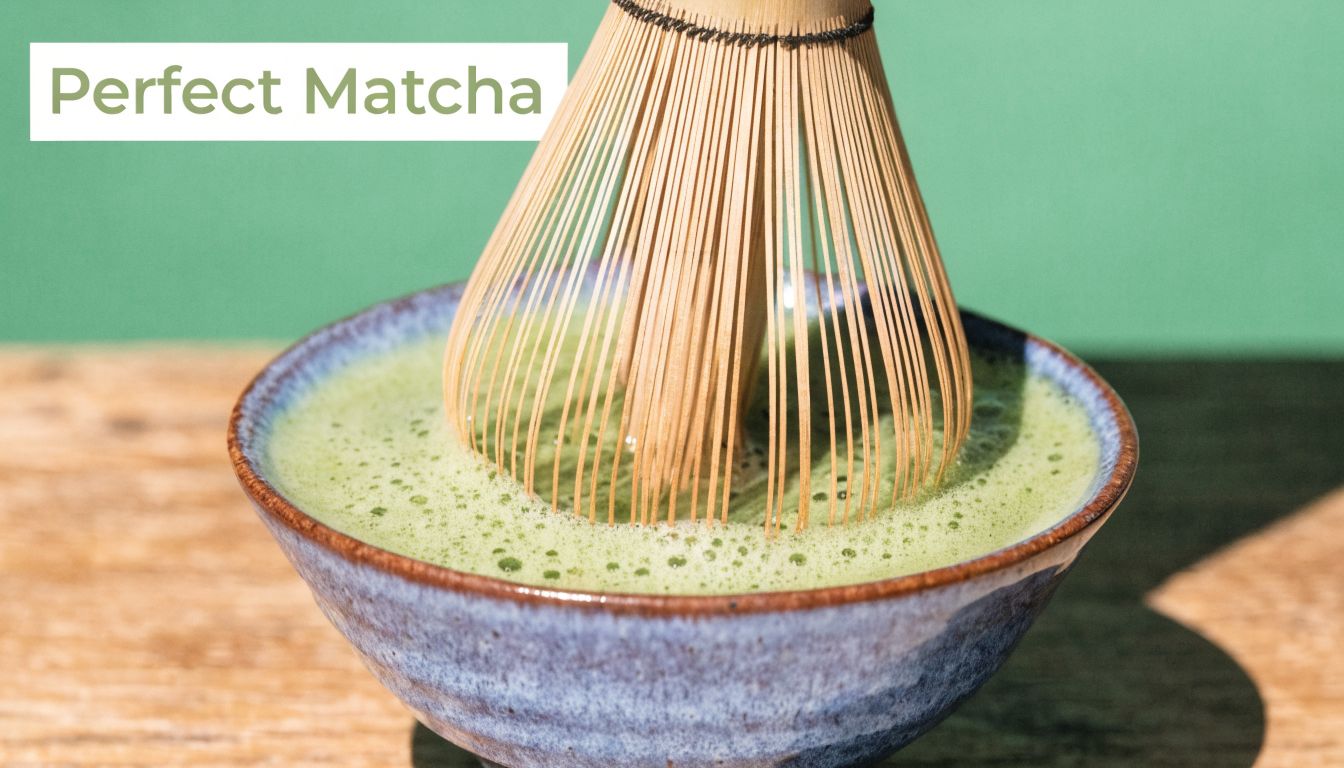
Matcha is a fine powder, so it reacts to heat quickly. Leaves steep more gradually. Powdered tea gives up flavour almost at once, which is why a few degrees can change the whole bowl. Gentler heat helps the sweet, creamy, savoury side show up before bitterness takes over.
For everyday preparation, aim for water around 70 to 80°C. A setting near 75°C is a practical starting point for many ceremonial-style matchas. Then keep the rest of the method simple and repeatable:
- Sift the matcha into the bowl to break up clumps
- Add a small amount of water first
- Whisk into a smooth paste
- Pour in the remaining water
- Whisk briskly until a light foam forms
A common home ratio is 2g of matcha with 60ml of water, whisked for about 15 seconds. You can then adjust from there. If the bowl tastes too intense, add a little more water. If it feels thin, increase the matcha slightly next time rather than overheating the water.
If you want help with the whisking motion itself, this step-by-step matcha whisking guide for home preparation is a handy reference.
Why this matters for flavour and the good stuff in the cup
Premium organic matcha is often chosen for more than colour and taste. People also want the plant compounds that make it feel satisfying and steady, along with the fresh, clean character that sets a good matcha apart from a dull one.
Heat affects both experience and enjoyment. Water that is too hot can flatten sweetness, push bitterness forward, and make a vibrant powder taste tired. It is a bit like overcooking good greens. The ingredients are still there, but the pleasure drops off fast.
That is why precision matters so much with matcha. You are not chasing perfection for its own sake. You are giving a high-quality tea a fair chance to show its flavour and character.
Straight matcha and matcha lattes need slightly different handling
A straight bowl of matcha usually benefits from the lower to middle part of the range. That helps preserve softness, umami, and a cleaner finish.
A latte still needs the matcha base prepared with care. Hot milk cannot hide scorched powder. If the base is rough, the whole drink tastes muddy, no matter how creamy the milk is.
A reliable latte routine looks like this:
- Whisk the matcha with water in the correct temperature range.
- Make sure the base is smooth before adding anything else.
- Pour in warmed milk or your preferred milk alternative.
- Taste before sweetening.
That small order of operations makes a big difference.
Common mistakes that make matcha harder than it needs to be
A few habits cause most home matcha problems:
- Using boiling water, which makes bitterness harder to avoid
- Skipping the sift, which leaves dry lumps that resist whisking
- Adding all the water at once, which makes a smooth paste harder to form
- Guessing the temperature, especially after letting boiled water sit and hoping for the best
A quick visual can help if you prefer to watch the process before trying it yourself.
Matcha responds best to controlled heat and a routine you can repeat with confidence.
Good matcha is worth treating gently. Once your kettle is set correctly, the rest of the ritual becomes much easier, and the bowl in your hands tastes more like the tea you paid for.
Using Your Kettle for Kombucha Brewing and Serving
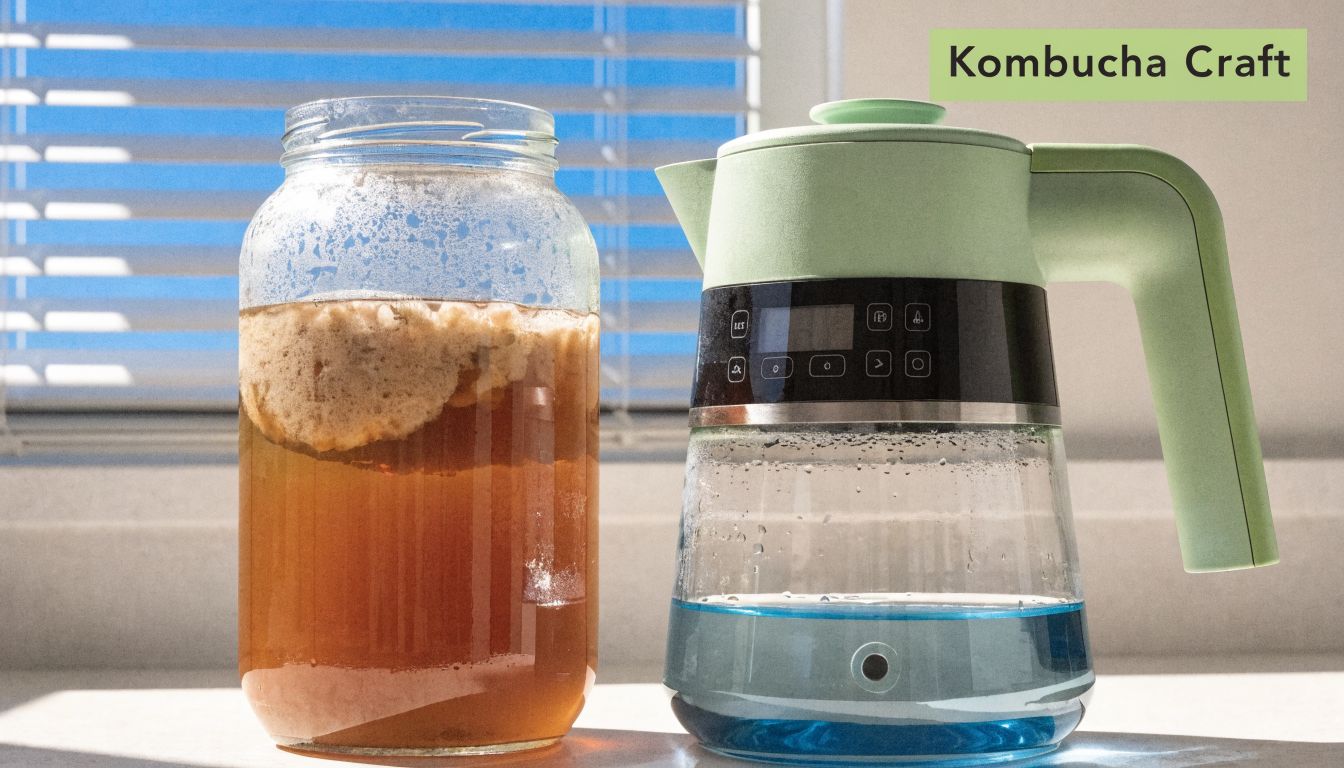
You brew a beautiful tea base, add your SCOBY, then wonder why the finished kombucha tastes flat or the culture seems sluggish. In many home kitchens, the problem starts with heat. A temperature control kettle helps you treat kombucha more like a living food and less like a standard hot drink.
For brewing the tea base
Kombucha begins as tea, so the same temperature choices that shape flavour in a cup of green tea also shape the character of your ferment. If the base is harsh, overly tannic, or muddy, fermentation will not magically tidy it up. You often taste those early decisions all the way through to the bottle.
That matters if you use premium organic tea. Green tea bases can become bitter with water that is too hot, while black tea usually handles higher heat more comfortably. A variable-temperature kettle gives you a repeatable starting point, which is handy when you want brighter, cleaner flavours rather than a rough edge.
The next heat decision matters even more. Once live culture is involved, very hot water can damage the bacteria and yeast that make kombucha distinctive. The safe habit is simple. Brew the tea first, let it cool to an appropriate temperature, then add the starter liquid and SCOBY. If you are learning the process, a kombucha tea kit makes that order much easier to follow in a real Australian kitchen.
A kettle with precise settings also helps with consistency between batches. If your first brew tastes lively and balanced, you can repeat the same tea, the same steep, and the same temperature instead of guessing your way back.
For serving a warm kombucha-style drink
Some people enjoy kombucha cold all year. Others want something gentler in winter, especially at night. You can warm the experience without treating the kombucha like boiling tea.
The easiest method is to heat water separately, then use that warm water with spices, citrus, or a little honey before adding a smaller amount of kombucha. It works a bit like protecting delicate matcha. Gentle heat keeps more of the drink’s character intact, while aggressive heat strips out the freshness that made you reach for kombucha in the first place.
If preserving live cultures is your priority, keep the final drink only mildly warm. Once kombucha is in the cup, high heat works against the probiotics many people are trying to enjoy.
A practical kombucha workflow
A simple routine keeps both flavour and culture in better shape:
- Heat water to suit the tea you are using.
- Brew the tea base with attention to strength and steep time.
- Cool the sweetened tea before adding starter liquid and SCOBY.
- Ferment as directed for your recipe.
- For serving, warm water or flavourings first, then add kombucha last if you want a softer drink.
That order removes a lot of confusion.
Which kettle features help most
For kombucha drinkers, the best kettle is usually the one that gives you control without fuss.
Variable temperature control
This is the feature that matters most. It lets you brew green, black, or herbal tea bases with more accuracy and helps you avoid overheating ingredients that benefit from a gentler approach.
Keep warm function
Useful while you prepare sugar, jars, or flavourings. It is most helpful before live kombucha enters the process.
Clear controls
You want settings you can read at a glance, especially if you brew early in the morning or while juggling other kitchen tasks.
Safe shut-off and practical design
A stable base, comfortable handle, and dependable shut-off make daily use easier. If you are planning a kitchen that supports regular brewing, this broader guide to Templeton Built kitchen renovation advice can help you choose appliances that suit the way you cook and serve at home.
For kombucha, precision is less about gadget appeal and more about respecting a live ferment. A good kettle helps you get cleaner flavour, steadier batches, and a serving routine that makes sense.
How to Choose the Right Kettle for Your Kitchen
You fill the kettle for a quick morning matcha, press boil out of habit, and end up with water that is too hot before the whisk even touches the bowl. The result is familiar. Sharper bitterness, less sweetness, and a cup that hides the clean, grassy character you paid for.
That is why choosing the right kettle matters. In a tea-focused kitchen, the kettle is less like a basic appliance and more like the thermostat for flavour. A few degrees can change how your matcha tastes, how gently you warm ingredients for kombucha service, and how consistent your routine feels on a busy Australian weekday.
Start with fit for an Australian kitchen
Before you compare colours, spouts, or presets, check that the kettle is designed for Australian power and local safety requirements. Imported appliances can look appealing online, but compatibility should be confirmed through the manufacturer, retailer listing, product documentation, or local certification details rather than relying on a video discussion.
If you’re planning a bigger kitchen update rather than just replacing one appliance, this broader guide to Templeton Built kitchen renovation advice is a practical read. It helps you think about how your bench appliances should fit the way you cook and serve at home.
Match the kettle to your brewing habits
The best kettle depends on what happens on your bench most often.
If organic matcha is part of your daily ritual, fine temperature control should sit near the top of your list. Matcha is delicate. Water that is even a little too hot can push tannic, harsh notes forward and cover the softer umami character many drinkers want. Gentler heat also supports a more careful approach to compounds like catechins, which is part of why temperature matters for both flavour and the wellness side of tea.
If your household brews several styles, presets can save time. Green tea, black tea, herbal infusions, and warm water for serving all ask for slightly different treatment. Good presets remove guesswork without forcing you to memorise numbers before your first cup.
If you also make pour-over coffee, spout shape deserves more attention than many buyers expect. A gooseneck gives slower, steadier flow. A standard spout pours faster and usually suits everyday tea drinking better.
Presets versus manual control
Both can work well.
Presets are handy for households that want speed and consistency. Press one button, get close to the right range, and move on with your morning.
Manual control suits people who like precision. That includes anyone making matcha regularly, because small temperature differences show up clearly in the bowl. If you want a kettle built around that level of control, the Fellow Stagg EKG electric kettle for precision brewing is a well-known example.
Material, shape, and size
Material changes how the kettle feels to use and how easy it is to live with over time.
- Stainless steel is durable, simple to maintain, and a strong all-round choice for frequent use.
- Glass lets you see the water level clearly, though mineral marks are more visible.
- Plastic components vary by model. Many tea drinkers prefer as little plastic as possible in areas that contact hot water.
Capacity matters too. A compact kettle often makes more sense for one or two careful brews than a large model that feels heavy and takes up extra bench space. A bigger kettle suits family breakfast service or households that make several drinks back to back.
Small design details matter every day
Look closely at the parts you will touch and clean, not just the headline features.
A comfortable handle helps when you are pouring slowly into a matcha bowl or teapot. Clear buttons matter at 6 am. A wide opening makes it easier to check for mineral buildup before it affects taste. A removable filter is useful if your local water leaves residue behind.
These details sound minor, but they shape the daily workflow. A kettle that is simple to read, simple to pour, and simple to clean tends to get used properly. That usually means better flavour in the cup and fewer moments of frustration on the bench.
Choose the model that suits your real routine, not the one with the longest feature list. That is how you get cleaner flavour, steadier results, and a kettle that earns its place in the kitchen.
Kettle Care and Safety Tips for Lasting Performance
A temperature control kettle doesn’t ask for much, but it does need some care. If you ignore scale buildup, even a very good kettle can become less accurate and less pleasant to use.
That’s especially relevant in parts of Australia with harder water. A 2024 Choice Australia review reported high user satisfaction with temperature-control kettles, but also noted limescale as a common issue in coastal NSW and QLD, and that buildup can affect temperature accuracy by up to 40% if it isn’t managed, according to this review summary on kettle performance and limescale.
What scale looks like
You don’t need special tools to spot it. Check inside the kettle when it’s empty and cool.
Common signs include:
- White or chalky marks on the base or walls
- Cloudy patches that don’t rinse away
- A rough mineral ring near the waterline
- Water tasting flat or slightly minerally when the kettle is overdue for cleaning
A simple descaling routine
For many households, a gentle food-safe approach is enough.
- Fill the kettle with a mix of water and a natural descaling agent such as white vinegar or lemon juice.
- Let it sit for a short period.
- Empty and rinse thoroughly.
- Boil fresh water and discard it.
- Repeat if needed for stubborn buildup.
If you prefer a ready-made product designed for appliance cleaning, a purpose-made option like this My Nivona cleaning accessory can be a useful alternative.
Small habit, big payoff: Check the inside of your kettle weekly if you live in a hard-water area. It’s much easier to remove light scale than heavy buildup.
Basic safety that’s easy to forget
Most accidents with kettles come from rushing.
Keep these habits in mind:
- Don’t overfill above the marked line
- Don’t run it empty
- Watch for steam when opening the lid after heating
- Keep the base dry and the cord tidy
- Place it on a stable surface away from the sink edge or clutter
Material-specific care
Glass kettles usually need more frequent cosmetic cleaning because scale shows quickly. Stainless steel hides marks better but still needs interior descaling. Exterior fingerprints can usually be wiped away with a soft damp cloth once the kettle is cool.
If the kettle has a removable mesh filter near the spout, rinse that regularly too. It’s a small part, but it can collect residue that affects flow and cleanliness.
A well-maintained kettle stays more accurate, tastes cleaner, and gives you fewer reasons to second-guess your brew.
Brew with Confidence and Taste the Difference
Good tea isn’t only about the leaf. It’s also about the water that meets it.
An electric tea kettle with temperature control gives you something a basic kettle can’t. It gives you intention. You stop treating every tea the same and start brewing each one in a way that suits its character. That means smoother matcha, more expressive leaf tea, and smarter handling when kombucha is part of your routine.
Once you’ve used one for a while, the difference feels obvious. You waste fewer good ingredients. You get more consistent flavour. You build a home brewing rhythm that’s simple enough for weekdays and satisfying enough for slower weekends.
If you care about flavour and want to be gentler with delicate teas, precision is worth it. Not because it’s fancy, but because it works.
If you’re ready to put that knowledge into practice, explore Pep Tea for premium organic matcha, sugar-free organic kombucha, and practical brewing inspiration suited to Australian kitchens.