
Tag: healthy drink recipes
8 Healthy Drinks to Make at Home or in a Café

Healthy drinks shouldn't be bland, complicated or buried under sweeteners. The best healthy drinks to make fit the moment first, then use ingredients that deliver flavour, texture and a clear purpose. A morning latte needs a smooth finish and dependable energy. A drink for guests needs brightness, fizz and easy batch service.
This collection uses organic Japanese Matcha and properly fermented sugar-free organic Kombucha as practical foundations. Matcha may support calm focus through its naturally occurring L-theanine and caffeine, while Kombucha offers a bright, fermented alternative to soft drinks and alcohol. PepTea's Matcha is sourced from Japan, and its Kombucha is brewed in the Hunter Valley, NSW, using organic tea and live cultures.
You'll find hot and cold options, breakfast recipes, café-friendly serves and drinks for entertaining. Choose by occasion, temperature and serving style, then adjust sweetness and strength to suit your household or customers. If you're researching wider water quality considerations, well water treatment in Kentucky is a separate resource worth exploring.
1. Organic Matcha Latte for Smooth Energy
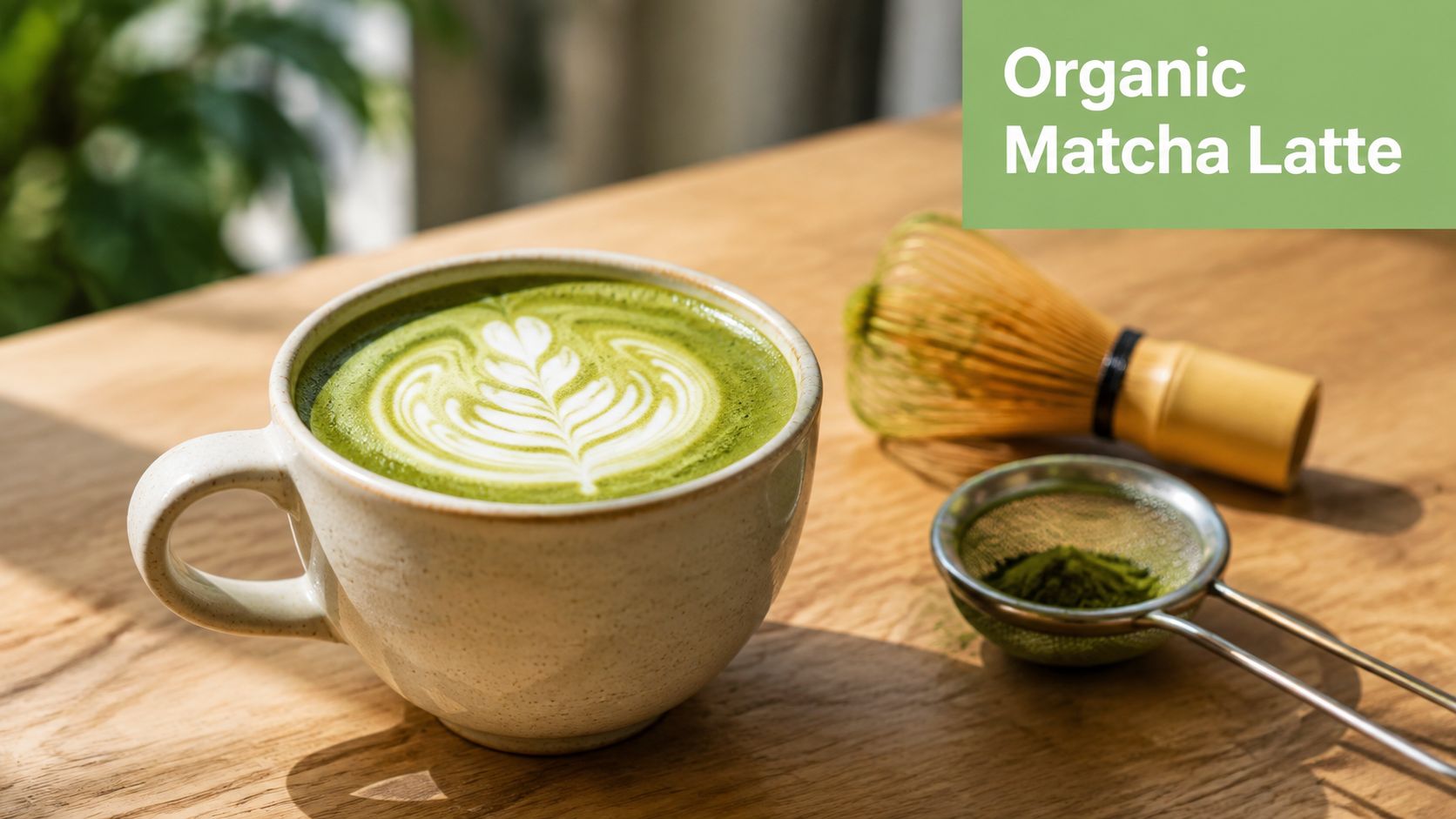
A Matcha latte is one of the most dependable healthy drinks to make at home or serve in a café. It has the comfort of a familiar milk drink, but the flavour is more layered, with fresh, grassy and gently umami notes. Ceremonial-grade Matcha is the natural choice when the tea itself leads the drink, while culinary-grade Matcha is earthier and better suited to recipes where fruit, spices or cocoa are present.
Matcha is consumed as a fine powder rather than infused and discarded, so preparation matters. Sifting removes compacted particles, and whisking creates the smooth texture that separates a polished latte from a gritty one. Matcha contains L-theanine, and an Australian laboratory result cited by Pure Matcha reported 21.3 mg of L-theanine per 1 g serve in its Matcha potency testing. That combination may suit people looking for alertness with a calmer feel, although caffeine sensitivity varies.
A reliable café-style method
Sift Matcha into a bowl, add hot water between 70 and 80°C, and whisk briskly with a bamboo chasen until frothy. Boiling water can make the tea taste harsh and bitter. Warm your preferred milk separately, then pour it gradually into the whisked Matcha rather than shocking the tea with a sudden temperature change.
- For a sugar-free serve: Use naturally creamy oat, dairy or soy milk and let the Matcha's umami flavour carry the drink.
- For café service: Prepare the Matcha base to order and texture the milk separately for a cleaner, more consistent finish.
- For multiple serves: Whisk a larger batch in a jug, but serve it soon after preparation so the flavour stays fresh.
PepTea's guide to caffeine in a Matcha latte is useful when choosing a morning or afternoon serving routine. Start with ceremonial Matcha for a drinking preparation, then reserve culinary Matcha for smoothies, baking and frozen desserts.
2. Iced Matcha Lemonade for Warm Days
Cold Matcha works best when you build contrast. Fresh lemon brings acidity, ice provides refreshment, and a small amount of honey can round out Matcha's green bitterness without turning the drink into a soft drink. The result is bright enough for a summer breakfast, afternoon break or outdoor café menu.
Whisk the Matcha with a small amount of warm water first. This step matters because Matcha doesn't dissolve well when you tip the powder straight into a glass of cold liquid. Add honey while the tea is still warm, then allow the mixture to cool before adding lemon juice and ice. Using room-temperature lemon juice makes it easier to combine and keeps the drink from becoming instantly watery.
For a single glass, combine whisked Matcha, fresh lemon juice, honey to taste and cold water. Shake or stir with ice, then top with sparkling water if you want a lighter, effervescent finish. A pitcher version should be chilled before ice is added, otherwise the ice will melt quickly and flatten the flavour.
Make the texture work
Practical rule: Whisk first, chill second, dilute last.
Freeze some of the prepared Matcha mixture in ice-cube trays for a stronger drink as it melts. You can also prepare lemon juice in advance and refrigerate it for quick assembly. Keep the sweetness restrained. Honey adds flavour, but it still contributes sugar, so the amount should reflect the occasion rather than habit.
For a café menu, describe this as an iced Matcha and lemon drink rather than promising a health outcome. Matcha is widely valued for catechins, including EGCG, and an Australian tea source reports that consuming the whole leaf can provide about two to three times the catechin content of steeped green tea in its explanation of Matcha antioxidants. For a related flavour idea, explore PepTea's organic green tea with lemon, then adapt the profile into a cold Matcha serve.
3. Kombucha and Matcha Green Energy Elixir
Matcha and Kombucha reward careful handling. Matcha supplies concentrated green tea flavour and caffeine, while Kombucha adds acidity, fermentation character and carbonation. The result suits drinkers seeking a lively, lower-sugar alternative to soft drink or an alcoholic serve, provided the sweetness and caffeine fit the occasion.
Whisk the Matcha fully before adding Kombucha. A smooth tea base keeps dry powder from floating in the glass. Let it cool to at least room temperature, pour it into the glass, then add chilled Kombucha slowly down the side. Stir once, gently. Shaking can quickly flatten the carbonation.
PepTea's sugar-free organic Kombucha is brewed in the Hunter Valley, NSW. Its Ginger flavour pairs well with Matcha because the spice gives the green tea a warmer finish. Lime & Ginger creates a sharper, more refreshing drink, while Mango adds roundness and can soften Matcha's savoury edge for new drinkers.
Choose the flavour by service context. Ginger fits a morning ritual, Lime & Ginger suits an afternoon café serve, and Mango works well when the tea needs a gentler introduction.
What to watch when combining live drinks
Authentic Kombucha uses tea, water, sugar and a SCOBY, with some sugar consumed during fermentation. Products still vary considerably. CHOICE notes that low sugar under the Food Standards Code means 2.5 g of sugar or less per 100 mL, while the Kombucha products it reviewed ranged from less than 0.1 g to 3.8 g per 100 mL in its Kombucha review. Read the label rather than assuming every fermented drink is low in sugar.
Serve the elixir immediately for the freshest carbonation. A room-temperature version is possible, but heating Kombucha may reduce some probiotic activity. Those who are sensitive to caffeine, acidity or fermented drinks should begin with a modest serve and assess their response. The earlier Matcha discussion covers the tea's caffeine profile, so this combination is best adjusted through temperature, flavour choice and portion size rather than treated as a guaranteed energy remedy. PepTea's Matcha and Kombucha benefits guide provides further preparation context without presenting the drink as a medical treatment.
4. Matcha Smoothie Bowl for Breakfast
A smoothie bowl is technically eaten with a spoon, but it belongs on any practical list of healthy drinks to make because the base uses the same blending principles as a drinkable smoothie. The thicker format also gives Matcha room to work alongside banana, yoghurt, berries and seeds instead of competing with them.
Blend frozen banana, Greek yoghurt or a dairy-free alternative, milk and culinary-grade Matcha until thick and smooth. Culinary Matcha is the sensible choice here. Its deeper flavour stands up to fruit and toppings, and using a premium ceremonial powder in a blended breakfast can be unnecessary when the tea isn't the main tasting note.
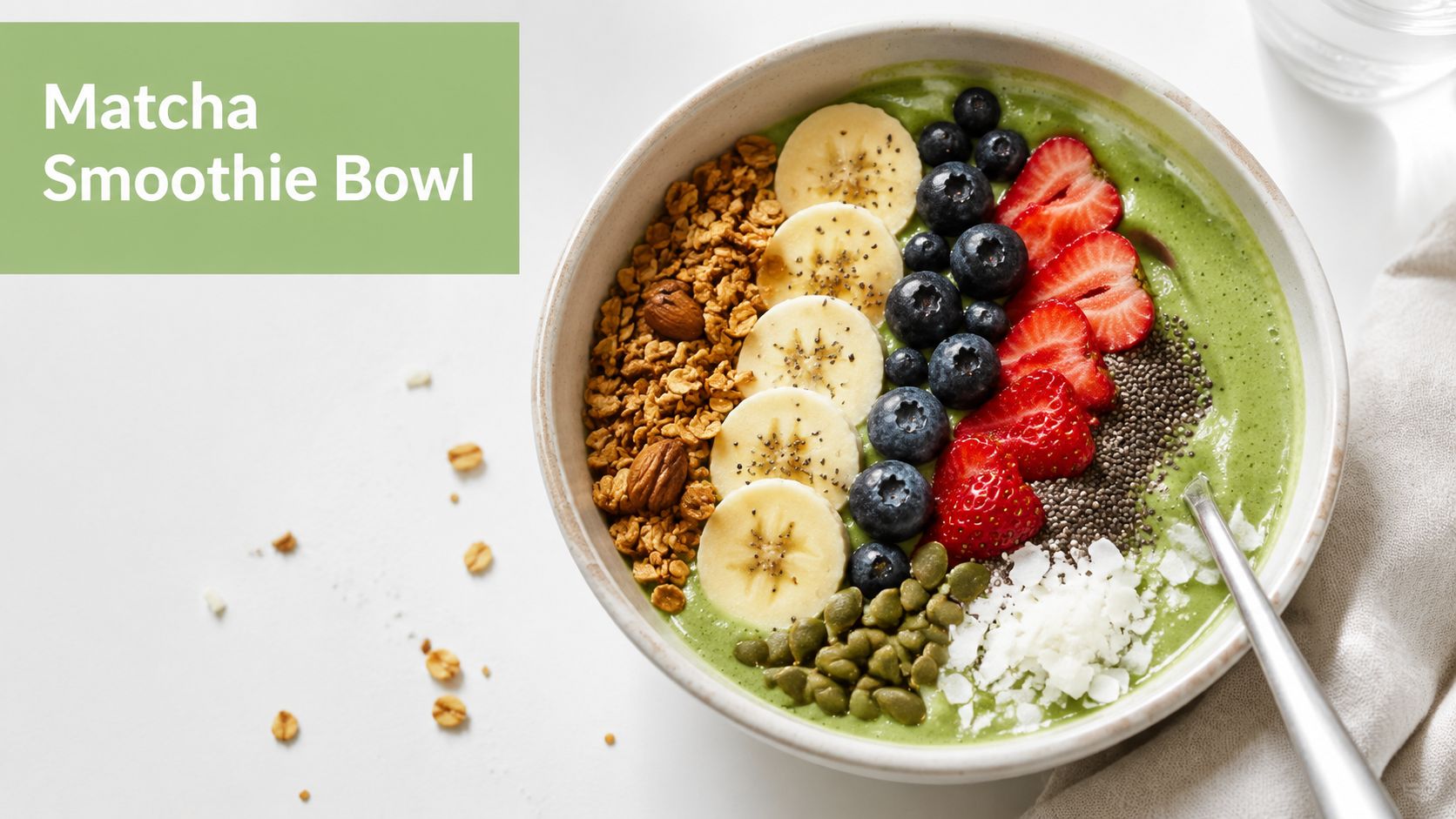
Freeze sliced banana in a sealed bag the night before. Add only enough milk to help the blender move, because excess liquid turns the bowl into a thin smoothie. Frozen yoghurt cubes can make the base creamier, while protein powder can make it more substantial for a post-training breakfast. If you use collagen peptides, remember that they change the nutritional profile but not the need for a balanced meal overall.
Build toppings that stay on the surface
Arrange granola, fresh berries, coconut, nuts and seeds in separate sections rather than scattering everything at once. This improves texture and keeps softer toppings from disappearing into the base. Prepare dry toppings in small containers if you're assembling breakfast before work.
Matcha's antioxidant profile makes it an appealing ingredient, but a bowl still needs sensible structure. Fruit supplies sweetness, yoghurt can add protein, and seeds contribute texture and fat. Keep added syrups optional. A café can offer the bowl unsweetened, then let customers choose a small drizzle if they want one.
5. Kombucha Immunity Spritzer for Everyday Refreshment
A spritzer turns Kombucha into an easy hospitality format. It looks celebratory, has natural acidity and fizz, and can be built around a small amount of juice or a chilled herbal infusion rather than a large quantity of sweet mixer. That makes it useful for cafés, yoga studios, wellness events and alcohol-free gatherings.
Start with chilled PepTea Ginger or Lime & Ginger Kombucha. Add a modest splash of fresh apple, citrus or another fruit juice, then top with sparkling water. Fresh mint, basil, rosemary or a citrus wheel gives the glass a more finished appearance without needing extra sweetener. A clear tumbler or wine glass lets guests see the colour and carbonation.
For a turmeric variation, brew a mild turmeric infusion, chill it thoroughly and combine it with Lime & Ginger Kombucha and sparkling water. Don't over-steep herbal ingredients. Bitterness becomes more noticeable once acidity and carbonation are added, and no amount of garnish will fully hide an unbalanced base.
Design the serve around the setting
- For mornings: Pair Ginger Kombucha with apple and mint for a soft, familiar flavour.
- For afternoons: Use Lime & Ginger with citrus and sparkling water for a sharper finish.
- For events: Chill the glasses, prepare the non-carbonated ingredients ahead, and add Kombucha just before serving.
- For cafés: List the flavour components clearly so customers can choose a lower-sweetness option with confidence.
The word “immunity” needs care. A spritzer can be refreshing and may contribute tea-derived or fruit-derived compounds, but it won't replace sleep, balanced food or medical care. CSIRO warns that some Kombucha products become high in sugar when manufacturers add fruit juice for flavour and fermentation, so checking the nutrition label is important when choosing a regular drink.
6. Golden Turmeric and Matcha Latte for a Warming Ritual
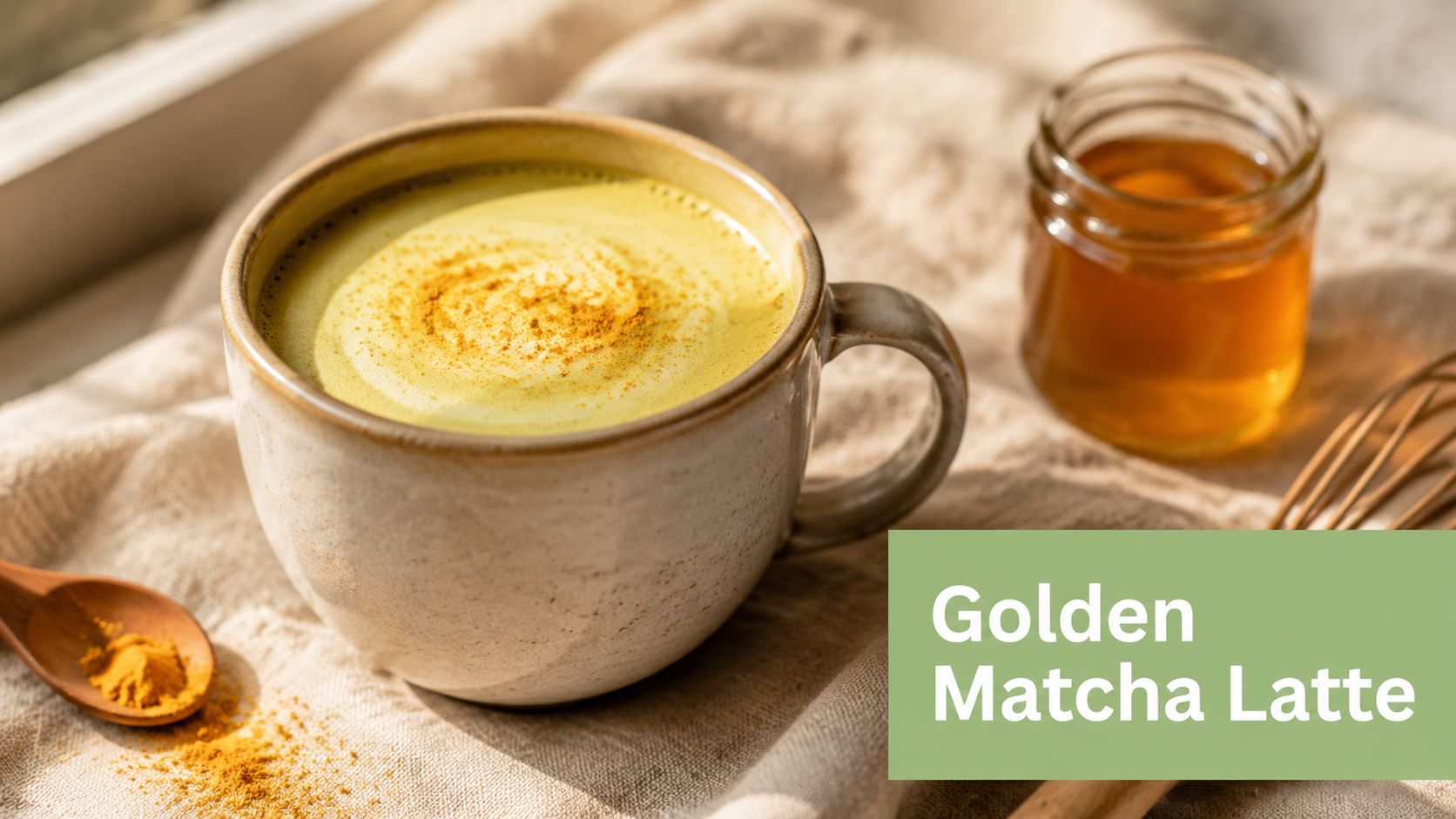
Turmeric and Matcha create a striking golden-green latte, but the drink succeeds because of balance rather than the colour alone. Turmeric brings earthy spice, Matcha adds vegetal depth, and milk provides the body needed to soften both flavours. Black pepper is traditional in many turmeric preparations, but it isn't a guarantee of a health outcome.
Sift Matcha into a bowl with turmeric, cinnamon and a small pinch of black pepper. Add warm water and whisk until the powders are evenly dispersed. Heat coconut, oat or dairy milk separately, then combine it with the tea mixture. Oat milk often gives a soft foam, coconut milk brings richness, and dairy milk creates a familiar café-style texture.
Fresh grated turmeric can taste livelier than dried powder, though it also creates more preparation and can stain equipment. For busy service, a measured dry spice blend is easier to keep consistent. Store it in an airtight container and make only what you'll use promptly.
Keep the promise modest
Turmeric is often discussed for curcumin and inflammation, but a homemade latte shouldn't be presented as treatment for arthritis, chronic conditions or post-workout injury. People taking medication, managing a health condition or experiencing digestive sensitivity should ask a qualified health professional whether concentrated spices suit them.
Serve this drink as a warming ritual, not a prescription. A little honey can soften the spice, but it's optional. If you want a sugar-free menu option, use a naturally creamy milk and allow cinnamon, pepper and Matcha to provide the aromatic interest.
7. Kombucha Fruit Punch for Gatherings
Fruit punch often becomes unhealthy because the base is sweet juice, cordial or soft drink. Kombucha changes the structure of the drink. It brings acidity and fizz, so you can use fresh fruit, citrus and herbs for flavour while keeping the punch lighter and more complex.
For a large jug, combine chilled PepTea Kombucha with fresh juice, citrus slices and a small amount of honey if needed. Add sparkling water immediately before serving. Ginger Kombucha works with apple, pear, mint and rosemary. Lime & Ginger suits pineapple, cucumber and citrus. Mango can pair with passionfruit, orange and berries.
Avoid assembling the punch too early. Carbonation fades, fruit can become soft, and the acidity may dominate as the drink stands. Keep the juice, garnishes and Kombucha chilled separately for a café or event, then combine shortly before guests arrive.
Make one base serve two audiences
Prepare the main punch without alcohol, then offer spirits separately for guests who want them. This keeps the non-alcoholic option complete rather than treating it as a diluted substitute. It also suits Australian gatherings where some guests may be driving, taking a break from alcohol or looking for something refreshing.
Use a wide glass dispenser or clear jug so the fruit and herbs become part of the presentation. Fresh citrus wheels add aroma, while berries provide colour. Don't rely on large amounts of juice to make the punch attractive. Good Kombucha, fresh garnish and cold service do more for the finished drink.
For a lower-sugar result, choose a Kombucha with a label that supports your intention and keep honey optional. “Sugar-free” is not a reason to ignore flavour balance, and “natural” doesn't automatically mean low sugar. The best punch tastes bright enough that guests don't miss cordial.
8. PepTea Pairing and Serving Guide
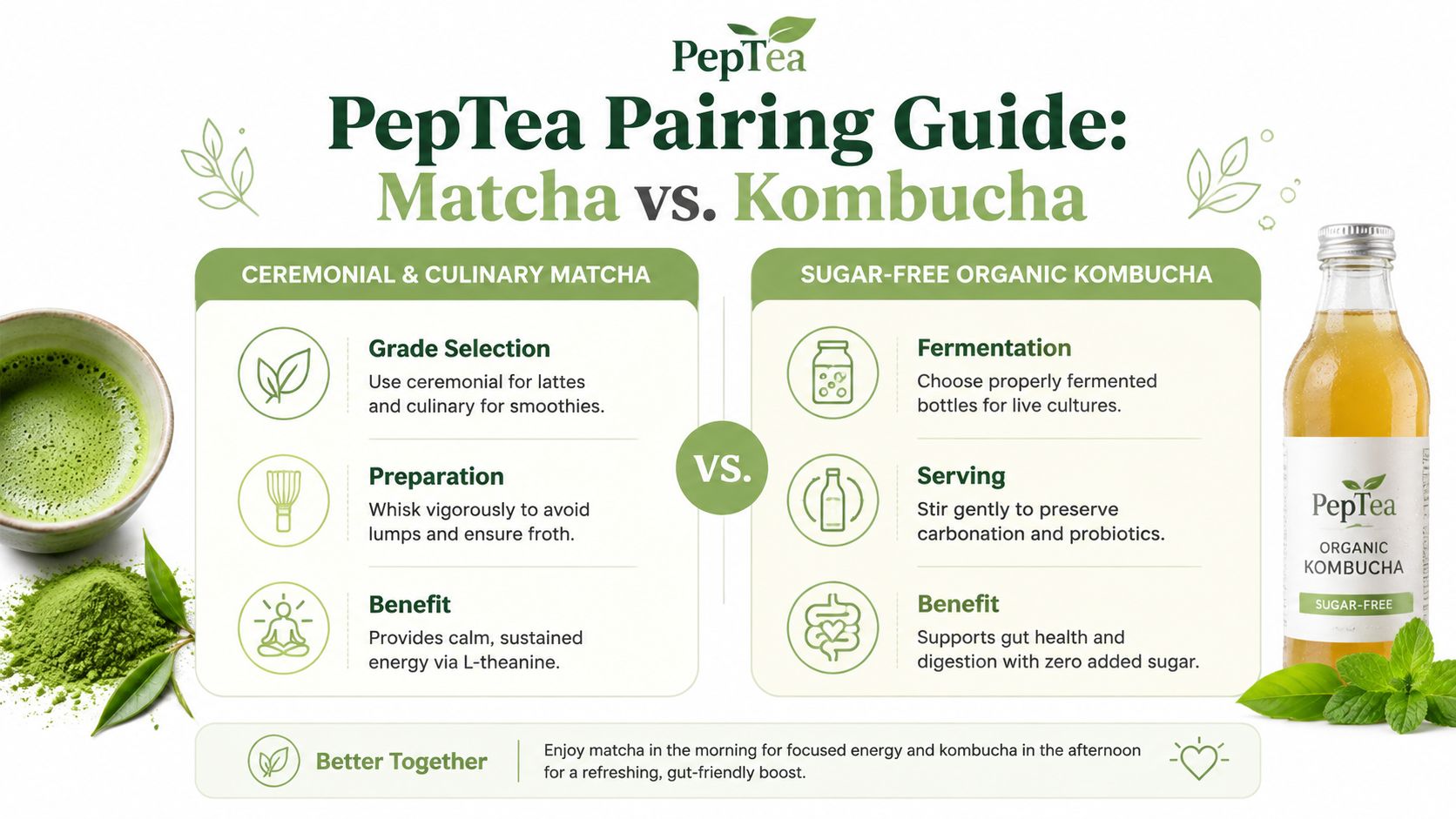
The simplest pairing rule is to match the Matcha grade and Kombucha style to the preparation. Ceremonial-grade Matcha is smoother for a whisked latte, straight tea or delicate iced drink. Culinary-grade Matcha is more practical in smoothie bowls, baking and blended recipes where other ingredients provide the structure.
Kombucha belongs in drinks that benefit from acidity and carbonation. Use it in spritzers, punches and the Matcha elixir, but add it late and stir gently. A carbonated drink loses its appeal when it's shaken, and live cultures are best treated as a food ingredient rather than exposed unnecessarily to heat.
For cafés, consistency comes from measuring the tea, controlling water temperature and keeping batch service close to the moment of pouring. For home use, the same principles make the recipes easier to repeat. Garnish with herbs, citrus wheels or edible flowers when presentation matters, but don't let decoration cover a drink that's too sweet, too hot or poorly balanced.
The Australian market gives these ingredients useful context. Food Standards Australia New Zealand found that Kombucha represented 55.2% of 239 fermented soft drink samples in its coordinated survey, and its report identified NSW as the biggest consumer market for fermented beverages, followed closely by Queensland in its fermented beverages outcomes paper. That doesn't make every Kombucha healthy, but it does show why careful product education matters.
8 Healthy Drinks Comparison
| Item | 🔄 Implementation complexity | ⚡ Resources & speed | ⭐ Expected outcomes | 📊 Ideal use cases | 💡 Key advantages / tips |
|---|---|---|---|---|---|
| Organic Matcha Latte – The Smooth Energy Classic | Moderate, requires basic whisking technique (short learning curve) | Minimal equipment (whisk or chasen, bowl, milk steamer optional); ready in <5 min | Calm, sustained focus; high EGCG antioxidant content; smooth mouthfeel | Daily morning ritual, café menu, afternoon energy without sleep disruption | Customisable milk/sweetness; sift Matcha, use 70–80°C water |
| Iced Matcha Lemonade – Refreshing Summer Wellness | Low, whisk then combine and chill | Needs fresh lemon, ice, chilled or sparkling water; pitcher-friendly; ~5–10 min | Refreshing hydration; vitamin C boost; sustained, jitter‑free energy | Summer entertaining, outdoor events, post-workout refresh | Use fresh lemon; batch in pitcher; freeze Matcha cubes to avoid dilution |
| Kombucha + Matcha Green Energy Elixir – Gut Health & Calm Focus | Low, whisk Matcha, then gently combine with Kombucha | Requires sugar‑free Kombucha and ceremonial Matcha; ready ≈3 min | Probiotic support + sustained mental clarity; antioxidant synergy | Gut‑health focus, wellness cafés, pre‑workout or recovery drink | Stir gently to preserve live cultures; serve immediately for fizz |
| Matcha Smoothie Bowl – Creamy, Nutrient-Dense Breakfast | Moderate, whisk then blend; assembly/decoration step | Blender required; frozen banana prep; ~10 min (prep dependent) | Protein-rich, satiating breakfast; sustained energy and digestive fibre | Breakfast, post-workout, meal-prep, Instagram-friendly brunch | Freeze banana ahead; use culinary Matcha to reduce cost; layer toppings for texture |
| Kombucha Immunity Spritzer – Sparkling Wellness Refresh | Low, simple pour-and-gently-stir assembly | Kombucha, fresh juice or herbal infusion, sparkling water; <5 min | Probiotic and immune support; hydrating, low sugar impact | Everyday wellness, hospitality, non‑alcoholic bar menu | Use fresh‑pressed juice/herbal infusions; chill glasses; garnish heavily |
| Golden Turmeric + Matcha Latte – Anti-Inflammatory Wellness Ritual | Moderate, whisking multiple powders; spice balance important | Turmeric, black pepper (essential), Matcha, milk; ready <5 min | Anti‑inflammatory (curcumin) + antioxidant support; calming focus | Inflammation management, recovery rituals, evening wind‑down | Always include black pepper for bioavailability; sift powders before whisking |
| Kombucha Fruit Punch – Probiotic Party Drink for Gatherings | Low–moderate, batch assembly, visual garnish important | Large volumes of Kombucha, fresh juice, pitcher, ice; 5–10 min assembly | Crowd-pleasing probiotic punch; low‑sugar alternative to sweet punches | Parties, gatherings, events, wellness functions | Keep pitcher on ice to preserve carbonation; use frozen fruit cubes |
| PepTea Pairing & Serving Guide – Matcha + Kombucha Essentials | Low, informational; requires following guidelines in practice | Resource: guide/infographic for staff; speeds menu planning and batch prep | Improved pairing choices; consistent service; maximised probiotic & antioxidant benefits | Cafés, events, staff training, menu development | Use ceremonial for lattes, culinary for bowls; assemble shortly before serving; label 'sugar‑free' and 'probiotic' |
Choose Your Next Pour
The right drink depends less on a universal definition of “healthy” and more on what you need the drink to do. For a daily morning ritual, start with a whisked organic Matcha latte. Use ceremonial-grade Matcha, water between 70 and 80°C, and milk that gives you the texture you enjoy. The drink should taste smooth enough that you don't need a heavy syrup to make it appealing.
Choose iced Matcha lemonade when the weather is warm or you're serving a group that prefers a sharper, more refreshing profile. Whisk the tea before chilling, dissolve any honey while the liquid is warm, and add ice only after the flavour is balanced. Matcha ice cubes are a useful practical touch because they protect the drink from becoming weak as they melt.
A smoothie bowl makes more sense at breakfast, especially when you want fruit, yoghurt, seeds and granola alongside the tea. Culinary-grade Matcha is perfectly suited to this setting, and frozen banana gives the base body without requiring a large amount of milk. Keep toppings organised so each spoonful has a mix of creamy, crunchy and fresh elements.
For entertaining, Kombucha spritzers and fruit punch offer the easiest path to a refined non-alcoholic menu. Ginger, Lime & Ginger and Mango each create a different starting point, while fresh juice, citrus and herbs provide the finishing details. Assemble carbonated drinks close to service, because fizz and freshness decline when a batch sits for too long.
The Kombucha and Matcha elixir is the most distinctive option. It may suit someone who enjoys tea's focused energy and Kombucha's bright fermented character, but the combination also requires the most care. Cool the Matcha before adding Kombucha, stir gently and serve promptly. Anyone sensitive to caffeine, acidity or fermented beverages should adjust the strength or choose a different recipe.
Healthy doesn't mean every ingredient suits every person. Check labels, particularly when buying Kombucha, because added juice can increase sugar content. PepTea's own sugar-free organic Kombucha provides a useful starting point for lower-sugar recipes, but your finished drink can still contain sugar from honey, fruit juice or sweetened milk. Treat those ingredients as choices to measure, not automatic additions.
The same applies to Matcha. L-theanine and catechins make it an interesting tea ingredient, and Matcha's caffeine may support alertness, but people respond differently to caffeine and concentrated tea. Keep portions sensible, avoid presenting these drinks as treatments, and seek professional advice if you're pregnant, taking medication or managing a health condition.
For Australian cafés, the opportunity is practical rather than gimmicky. A menu can offer hot and iced Matcha, sugar-free Kombucha spritzers, breakfast bowls and alcohol-free punch while giving customers clear information about flavour, sweetness and caffeine. PepTea's Japanese organic Matcha and Australian-brewed Kombucha from the Hunter Valley, NSW, fit that approach because provenance and preparation are part of the product experience.
Explore the recipes by occasion, then make one small adjustment at a time. Reduce the honey, change the milk, swap Ginger for Lime & Ginger, or serve the same Matcha base hot and iced. The most useful healthy drinks to make are the ones you'll prepare confidently, enjoy regularly and serve wholeheartedly.
PepTea offers organic Japanese Matcha for lattes, smoothies and baking, alongside sugar-free organic Kombucha brewed in the Hunter Valley, NSW. Visit Pep Tea to explore the range, shop Kombucha for home entertaining, or enquire about café and wholesale supply.