
Experience Raspberry Lemonade Kombucha Benefits

By three o’clock, a lot of drinks start to feel like a compromise. Water is fine but not exciting. Soft drink tastes good for a moment, then leaves you feeling a bit flat. Juice can feel heavier than you wanted. Coffee isn’t always the right move, especially if you still want to sleep tonight.
That’s where raspberry lemonade kombucha earns its place. It hits that rare middle ground. Bright, fizzy, tangy, lightly fruit-driven, and much more interesting than plain sparkling water. It feels like a treat, but it can also fit neatly into a more mindful routine.
For me, it’s one of the most rewarding flavours to brew and drink here in NSW. You get the familiar comfort of raspberry and lemon, then the fermented tea base adds structure, acidity, and that clean, lively finish that keeps you going back for another sip. It works on a hot afternoon, with lunch, poured over ice for guests, or tucked into a café menu as a proper non-alcoholic option.
Your Search for the Perfect Refreshment Ends Here
A lot of people arrive at raspberry lemonade kombucha after getting tired of the same cycle. You want something cold and satisfying, but you don’t want the syrupy sweetness of soft drink or the one-note feel of flavoured soda water. You want flavour with some personality.
That’s exactly why this style stands out. Raspberry gives it a soft berry roundness. Lemon brings the sharp, refreshing edge. Kombucha ties the whole thing together with natural tartness and fine fizz. The result tastes grown-up, not childish. It’s refreshing without being boring.
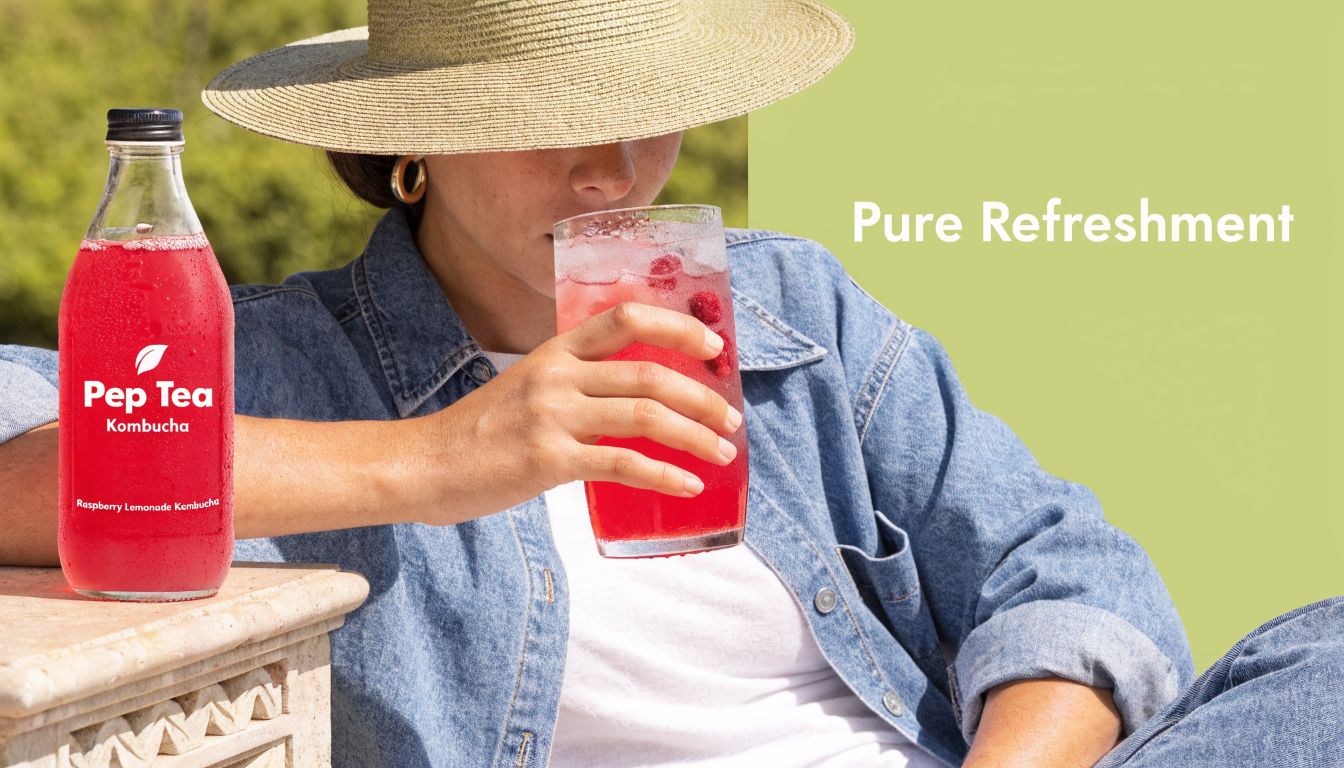
In the Hunter Valley, where warm days call for something crisp and cooling, this flavour just makes sense. It has the nostalgic feel of raspberry lemonade, but fermentation gives it more depth. That’s the bit many first-time drinkers don’t expect. It’s not just “fruit flavour added to bubbles”. It’s a brewed drink with layers.
A good raspberry lemonade kombucha should feel lively and clean, with enough tartness to refresh and enough fruit to stay welcoming.
Some readers come to it for wellness. Others just want a better fridge staple. Café owners often want a polished alcohol-free option that doesn’t feel like an afterthought. Raspberry lemonade kombucha can do all three jobs at once, which is a big reason it’s become such a favourite flavour in modern Australian drinking habits.
What Makes Raspberry Lemonade Kombucha So Special
Raspberry lemonade kombucha earns its place by doing two jobs at once. It feels immediately familiar, because most Australians already know the appeal of raspberry and lemon together. At the same time, it drinks with more character than a standard fizzy fruit drink because fermentation gives the flavour shape, length, and a dry finish.
If you are new to kombucha, that difference can be hard to name at first. A simple way to understand it is to compare it with cooking. Fruit provides the bright top notes, but the brewed tea base works like stock in a good soup. You may not talk about it first, yet it is what gives everything underneath real body.
The flavour comes in clear stages
A well-made bottle does not hit your palate all at once. It unfolds.
You usually notice raspberry on the first sip. It brings soft berry perfume and gentle sweetness. Lemon follows quickly and tightens the whole drink, adding brightness and a clean, mouth-watering edge. Under both sits the brewed and fermented tea, which adds light tang, structure, and that grown-up finish people often describe as crisp.
That layering is what makes this flavour so enjoyable for both home drinkers and café service. At home, it feels more satisfying than opening another soft drink. In a café fridge or on a drinks list, it gives customers a proper alcohol-free option with enough personality to stand beside coffee, wine, or spritzes rather than feeling like a fallback.
Balance is what separates a good bottle from an average one
Some first-time drinkers worry kombucha will taste harsh or overly vinegary. That can happen in an unbalanced brew. In a good raspberry lemonade kombucha, acidity behaves more like the squeeze of lemon over fresh fruit. It sharpens and refreshes. It should never bully the berry flavour out of the glass.
Here are the signs brewers and café owners often look for:
| Quality | What you notice in the glass |
|---|---|
| Aroma | Fresh raspberry, lifted citrus, light tea character |
| Palate | Bright opening, rounded fruit, tidy tartness |
| Carbonation | Fine bubbles that carry flavour without stinging |
| Finish | Clean and dry enough to invite another sip |
That final point matters more than many people realise. A sticky finish makes a drink feel heavy. A clean finish keeps it versatile, which is one reason flavours like this suit cafés, office fridges, and even curated vending ranges alongside other best healthy vending machine snacks.
The tea base does more work than the fruit
Fruit draws people in, but tea gives kombucha its backbone. Without a proper tea base, raspberry and lemon can taste flat, thin, or overly sharp. With it, the drink has tension. It feels brewed rather than mixed.
Fermentation changes that base in practical ways too. As the culture works through the sweetened tea, the drink develops acids, fine carbonation, and the tart complexity kombucha is known for. That is why raspberry lemonade kombucha tastes more composed than sparkling juice. The fizz is only part of the story. The structure comes from brewing and fermentation.
If you want a clearer picture of how that process shapes flavour and function, Pep Tea explains more in its guide to the benefits of kombucha and how fermentation changes the drink.
Practical rule: If the raspberry tastes artificial, the lemon lands harshly, or the finish feels syrupy, the brew is out of balance.
It is one of the easiest flavours to serve well
Raspberry lemonade kombucha is approachable, but it is not simplistic. That makes it especially useful for introducing kombucha to someone who is curious yet cautious. Berry softens the entry point. Lemon keeps it lively. Fermentation adds enough depth to hold the interest of regular kombucha drinkers.
From a brewer’s perspective here in the Hunter Valley, that is the charm of this flavour. It carries a familiar Australian refreshment profile, then adds the detail and craft that come from a proper brew. Home consumers get a fridge staple with more life than soft drink. Café owners get a polished non-alcoholic pour that works with food, looks at home in a wine glass, and gives customers a reason to come back for another bottle.
Unpacking the Health Benefits Inside Every Bottle
Flavour gets people through the first sip. Function is what often brings them back.
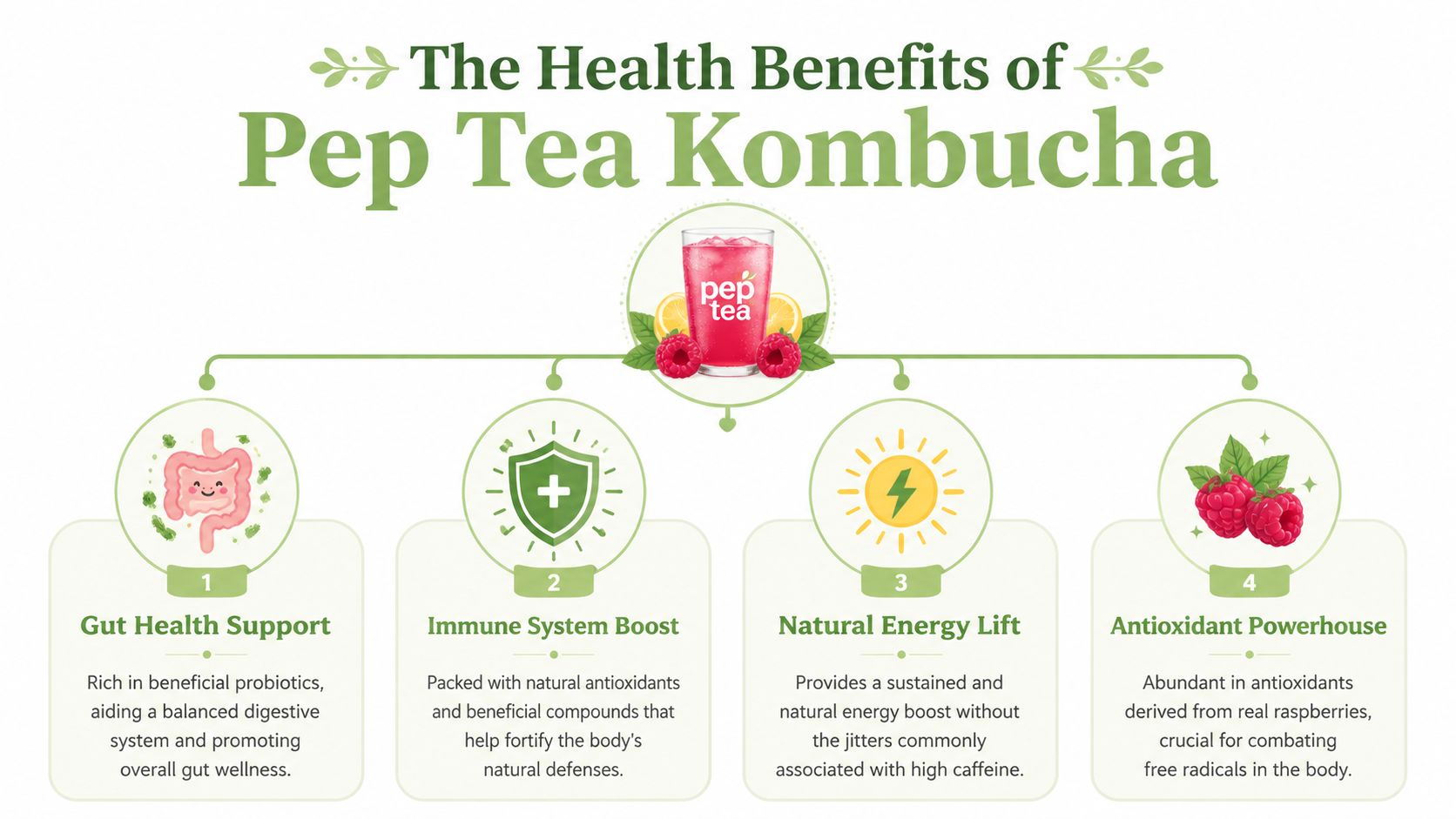
When people talk about kombucha being “good for you”, they sometimes bundle everything together into one vague idea. It’s more helpful to break it into parts. Raspberry lemonade kombucha can offer live cultures from fermentation, tea-derived compounds, and a lighter feel than many sweeter drinks.
What live cultures actually mean
The word probiotics can sound technical, but the simple version is this. They’re beneficial microbes associated with fermented foods and drinks. In kombucha, those microbes come from the fermentation process itself.
One raspberry lemonade kombucha product states that it delivers up to 2 billion probiotics per serving, and that fermentation helps turn tea polyphenols into more bioavailable catechins such as EGCg, supporting antioxidant capacity, according to this raspberry lemonade kombucha product page.
That doesn’t mean kombucha is a magic cure. It means it can be a practical way to include fermented foods and drinks in everyday life.
Why gut health matters in plain language
Your gut does more than digest lunch. It’s tied to how comfortably you process food and how steady you feel day to day. That’s why so many people start looking for fermented options when they want to support a more balanced routine.
Kombucha can fit nicely here because it feels easy to drink. You’re not swallowing a pill or forcing down something unpleasant. You’re enjoying a cold, tart, fruit-led drink that also comes from live culture fermentation.
If you want a broader primer on this topic, this guide to the benefits of kombucha is a useful next read.
Antioxidants are easier to understand than they sound
Antioxidants often get mentioned without explanation. A simple way to think about them is that they’re compounds found in foods and drinks that help deal with oxidative stress in the body. Tea is naturally known for these compounds, and kombucha starts with tea.
During fermentation, the drink changes. That matters because it can alter how those tea compounds show up in the final beverage. Raspberry and lemon also add to the overall sensory freshness, which is part of why this style feels so clean and lively.
Here’s where people often get mixed up. “Healthy” doesn’t have to mean bland. A drink can taste sharp, juicy, and satisfying while still fitting a wellness-minded routine.
- For the afternoon slump it can feel lighter than sugary options.
- For café fridges it gives customers a more functional-looking pick.
- For busy people it’s a simple grab-and-go choice that doesn’t feel like punishment.
If you’re stocking an office kitchen, gym foyer, or retail fridge, these ideas overlap with broader thinking around best healthy vending machine snacks, where people usually want convenience without the heavy sugar hit.
A functional drink still has to be enjoyable. If people don’t like the taste, they won’t make it part of their routine.
It can feel like a more balanced kind of lift
Some drinks come in hot. Big sweetness. Big caffeine. Big crash. Raspberry lemonade kombucha tends to feel gentler. The fruit makes it engaging, while the fermented tea base gives it some character without the intensity many people associate with energy drinks or multiple coffees.
That softer profile is part of the appeal. You’re choosing something lively, not overstimulating.
The Pep Tea Difference How We Brew in the Hunter Valley
A good raspberry lemonade kombucha should feel the same every time you crack the cap. Bright. Crisp. Tangy enough to wake up the palate, but still easy to drink with lunch, after work, or straight from a café fridge. That kind of consistency does not happen by accident. It comes from careful brewing, steady fermentation, and respect for the raw ingredients.
In the Hunter Valley, you learn quickly that fermentation rewards patience and punishes shortcuts. Tea, culture, temperature, and timing all pull on the final flavour like different players in the same band. If one rushes ahead, the drink loses balance.

It starts with strong brewing fundamentals
At the centre of kombucha is the SCOBY, the living culture that ferments sweet tea into something tart, refreshing, and far more layered than soft drink. For newcomers, the confusing part is usually the sugar. If sugar goes in at the start, how can the final drink be much lighter and less sweet?
Fermentation is the key. The culture uses that sugar as fuel, then transforms it over time. A simple way to picture it is bread dough. Yeast feeds, changes the mixture, and leaves behind something completely different from the starting ingredients. Kombucha works on the same principle, only the result is a lively, acidic tea instead of a loaf.
That process matters because flavour is built, not painted on at the end.
What careful brewing changes in the bottle
Well-made kombucha tastes clean because the sharpness comes from fermentation itself. It is not just fruit flavour trying to do all the heavy lifting. The tea base still speaks, the acidity feels natural, and the raspberry lemonade character sits on top rather than fighting underneath.
For us, brewing in a HACCP-accredited NSW facility is part of that discipline. Clean handling, controlled fermentation, and consistent bottling give both home drinkers and café owners something they can rely on. A customer at home wants a bottle that tastes fresh and balanced. A café owner wants exactly the same thing, plus a product that pours well, stores predictably, and supports repeat orders because the experience stays steady.
People in the trade sometimes talk about rough, inconsistent batches as “cowboy kombucha.” You can spot it quickly. The sourness feels harsh, the fizz is uneven, or the whole drink seems muddled. Good brewing avoids those problems before the bottle ever reaches the fridge.
A closer look at the style of brewing behind bottled kombucha helps here:
Why local brewing matters in practice
Local brewing is not just a nice story for the label. It affects freshness, consistency, and how confidently a venue can put the product on the menu. In a region like the Hunter, where food and hospitality standards are high, people notice when a drink feels thoughtfully made.
That is one reason our raspberry lemonade kombucha works for more than one kind of customer. At home, it gives people an easy fridge staple that feels more special than flavoured water. In cafés, it gives owners an Australian-brewed option they can serve as a non-alcoholic pairing, a fridge takeaway, or a base for alcohol-free spritzes and mixed drinks.
If you enjoy having fresh organic kombucha arrive ready to chill, this page on brewed and bottled organic kombucha delivered right to your door step is worth a look.
The Hunter Valley touch gives the flavour a real home
Raspberry lemonade is a familiar Australian flavour. People already know the shape of it. Sweet berries, bright citrus, instant refreshment. You can even compare it to effortless homemade lemonade, then add the extra tang and depth that only fermentation brings.
That is the part brand pages often skip. Brewing method does not only affect taste. It affects how useful the drink becomes in real life. It can sit comfortably beside a café pastry, a fresh salad, or a weekend cheese board. It can be sold as a better-for-you fridge option, or poured into a proper glass and treated like a grown-up soft drink.
Brewing kombucha well comes down to clean tea, a healthy culture, good timing, and the discipline to let the process do its job.
That connection between place, process, and practical use is the Pep Tea difference. It is Hunter Valley brewing with a clear purpose. Make kombucha that tastes authentic, works for everyday drinkers, and gives hospitality venues a product they are proud to stock.
A Nutritional Snapshot Compared to Other Drinks
When people compare drinks, they usually want one quick answer. Is this going to load me up with sugar, or not?
That’s where raspberry lemonade kombucha often stands apart. One verified product listing states that a typical serving contains just 5 calories and 0g of sugar, and notes that Australia’s kombucha market has grown by 25% annually while 68% of adults seek reduced-sugar alternatives, according to this raspberry lemonade kombucha nutrition listing.
Why the comparison matters
A drink doesn’t exist in a vacuum. Shoppers often choose between kombucha, soft drink, juice, flavoured water, or whatever else is in the fridge. Seeing them side by side makes the choice easier.
For raspberry lemonade kombucha, the strongest nutritional talking point is simple. Very low calories and no sugar. That’s the main reason it appeals to people trying to cut back without giving up flavour.
Here’s a practical comparison table. Only the kombucha row uses verified figures. The other rows are included as common beverage categories because people usually compare this drink against them.
Beverage Comparison per 350ml serving
| Beverage | Sugar (grams) | Calories |
|---|---|---|
| Sugar-free raspberry lemonade kombucha | 0g | 5 |
| Regular soft drink | Higher than sugar-free kombucha | Higher than sugar-free kombucha |
| Fruit juice | Higher than sugar-free kombucha | Higher than sugar-free kombucha |
| Energy drink | Often higher than sugar-free kombucha | Often higher than sugar-free kombucha |
That kind of contrast helps explain why kombucha gets picked up by people who are trying to reduce sweet drinks without switching to something dull.
It still feels like a treat
This is the key bit. A lot of “better choices” fail because they feel like a compromise. Raspberry lemonade kombucha doesn’t have to rely on a health halo alone. It still brings sparkle, fruit, acidity, and that little sense of occasion.
If you enjoy making your own citrus drinks at home too, this recipe for effortless homemade lemonade is a handy companion idea. It’s a nice reminder of why lemon works so well in refreshing drinks in the first place.
From Café Menus to Cocktails Creative Recipes and Pairings
One of the best things about raspberry lemonade kombucha is how easily it moves from casual fridge drink to something more polished. You can serve it straight from the bottle, but it also plays beautifully with herbs, citrus, ice, and food.
For cafés, that means a menu item with very little fuss. For home drinkers, it means you can turn one bottle into something that feels a bit special in under five minutes.

Raspberry Zinger mocktail
This one suits brunch service, baby showers, afternoon entertaining, or a café specials board. It keeps the kombucha front and centre rather than burying it.
What you’ll need
- Raspberry lemonade kombucha
- Fresh raspberries
- A squeeze of lemon
- Plenty of ice
- Mint or basil, optional
How to make it
- Add a few raspberries to a glass and press them lightly.
- Fill the glass with ice.
- Add a squeeze of lemon.
- Pour over chilled raspberry lemonade kombucha.
- Finish with mint or basil if you like a more aromatic edge.
The reason this works is balance. Fresh raspberry deepens the fruit note, while extra lemon sharpens the finish. Mint makes it feel cooler. Basil gives it a more savoury café-style twist.
Serve it in a wine glass rather than a tumbler if you want it to feel more premium with almost no extra effort.
Kombucha Spritz
If you’re after an easy evening serve, a spritz is the natural next step. You can make it with prosecco for a low-fuss cocktail, or use alcohol-free sparkling wine if you want to keep the whole thing non-alcoholic.
Simple build
- Start with ice in a large glass
- Add raspberry lemonade kombucha as the base
- Top with sparkling wine or alcohol-free sparkling wine
- Garnish with lemon peel or a few raspberries
This style works because kombucha already brings acid and fizz. You’re not building flavour from scratch. You’re just opening it up.
If you’d like more ideas in this lane, these kombucha cocktails show how well fermented tea can fit into modern drinks service.
Food pairings that make sense
Raspberry lemonade kombucha has enough brightness to cut through creamy foods and enough fruit to sit nicely next to lighter desserts. It’s quite forgiving, but some pairings are especially good.
| Food | Why it works |
|---|---|
| Goat cheese tart | The drink’s acidity cuts the richness |
| Fresh salads with herbs | Lemon and herbs echo the drink’s freshness |
| Grilled chicken | Tartness lifts simple savoury flavours |
| Lemon desserts | The citrus link feels natural |
| Berry pavlova | Fruit meets fruit, but the acidity keeps it lively |
For cafés, this means one bottle can pull double duty. It works as a grab-and-go fridge item and as part of a plated service pairing. For home drinkers, it means you don’t have to overthink it. If the food is fresh, bright, or lightly creamy, raspberry lemonade kombucha usually plays along beautifully.
Your Guide to Storing and Serving Kombucha Perfectly
A good bottle can lose some of its charm if it’s stored badly or served too warm. Kombucha is straightforward, but a few habits make a real difference.
Keep it cold and open it gently
Chilling helps preserve the crisp taste and makes the carbonation feel tighter and cleaner. Warm kombucha can taste flatter, looser, and more aggressive all at once. If the bottle has been shaken around, let it settle before opening.
Once opened, treat it like any fizzy drink you want to enjoy at its best. Recap it firmly and return it to the fridge.
The best way to pour it
You don’t need fancy glassware, but shape helps. A clean tumbler, stemless wine glass, or highball glass all work well. Pour at an angle if you want to keep the fizz under control, then straighten the glass near the end for a light head.
A few serving habits help:
- Use plenty of cold ice if you want maximum refreshment on hot days.
- Add garnish sparingly so the kombucha flavour stays clear.
- Pour before guests arrive only if you’re serving immediately, because fizz is part of the appeal.
Sediment isn’t automatically a fault. In many live-culture drinks, a little natural material in the bottle can simply be part of the product.
If it tastes different than expected
Too sour, too warm, too foamy, too flat. These issues are often serving issues, not drink issues. Chill it properly, use a clean glass, and avoid letting an opened bottle linger too long in the fridge. Most of the time, that solves it.
Frequently Asked Questions
If raspberry lemonade kombucha is sugar-free, what does the SCOBY eat
Sugar is the fuel that starts fermentation. The SCOBY, which is a living mix of yeast and bacteria, uses that fuel during brewing and changes it into acids and other flavour compounds. That is why sugar can be present at the beginning but not remain in the finished drink.
A good way to understand it is to picture firewood in a campfire. You need the wood to get the fire going, but the finished heat is not the same thing as the pile of logs you started with.
Is it safe for children
Many parents offer kombucha instead of soft drink because it has a tangy, grown-up flavour without the syrupy feel of cordial or juice. The sensible approach is to read the label, start with a small serve, and see how your child responds.
If there are medical concerns, or if you are choosing drinks for very young children, a quick check with a health professional is a wise call.
Will it make me feel bloated
It can, especially if fermented drinks are new to you or you drink a full bottle too quickly. Kombucha is lively by nature, and that fizz can feel like a lot at first.
Start with a smaller glass. Sip it with food if that feels better. Many people find the experience more comfortable that way.
What’s the sediment at the bottom
Sediment is often a normal sign of a live-culture drink. In traditionally brewed kombucha, tiny strands of culture, yeast, or fruit particles can settle at the bottom over time.
You have two good options. Swirl it gently if you want the full bottle mixed through, or pour carefully and leave the sediment behind. Café owners often choose the second option for a cleaner-looking serve, while home drinkers often do whichever suits their taste.
Is raspberry lemonade kombucha only for summer
Raspberry lemonade has a bright, warm-weather personality, but it is useful well beyond hot afternoons. In cooler months, it works beautifully alongside richer meals because the tart edge cuts through creamy, roasted, or salty foods.
That makes it a handy fridge staple for home drinkers and a flexible menu item for cafés that want a non-alcoholic option with more character than sparkling water.
What foods pair best with it
This flavour loves fresh, punchy food. Try it with salads full of herbs, grilled chicken, soft cheese, prawns, fish tacos, or a ploughman’s-style lunch with sharp cheddar and crackers.
It also plays well with desserts. Lemon tart, pavlova, berry crumbles, and white chocolate all pick up the raspberry and citrus notes without making the drink feel heavy.
If you are serving customers, it is the kind of kombucha that can sit comfortably beside brunch, lunch, or an early-evening mocktail list.
If you’re ready to try a clean, refreshing take on kombucha, explore Pep Tea for Australian organic kombucha and premium tea made with a focus on flavour, quality, and everyday wellness.