
Tag: umami recipes
Savoury Matcha Recipes: 6 Dishes Worth Cooking in 2026
It's Tuesday night. You've got a salmon fillet, a jar of miso and a tin of matcha left over from your last latte phase. Dinner doesn't need to become a project, but that green powder could do more than sit behind the coffee.
Savoury matcha recipes work best when you treat matcha as a seasoning, not the main event. Its vegetal flavour and umami can deepen a dressing or glaze, while a little bitterness cuts through rich fish, butter and cheese. Too much, though, makes dinner taste like overbrewed tea.
Culinary-grade matcha is the sensible choice for these dishes. Its assertive flavour stands up to miso, sesame and cheddar. Save ceremonial grade for drinking, where you can appreciate its finer character without competing ingredients.
- For tonight: Choose glazed salmon, chilled soba or a ginger chicken stir-fry.
- For everyday finishing: Make a jar of matcha sesame seasoning.
- For slower cooking: Try pea risotto or cheddar scones.
The useful distinction isn't whether matcha can turn something green. It's whether the tea makes that food taste better. Start lightly, taste the whole dish and stop before bitterness takes over.
1. Miso-Matcha Glazed Salmon
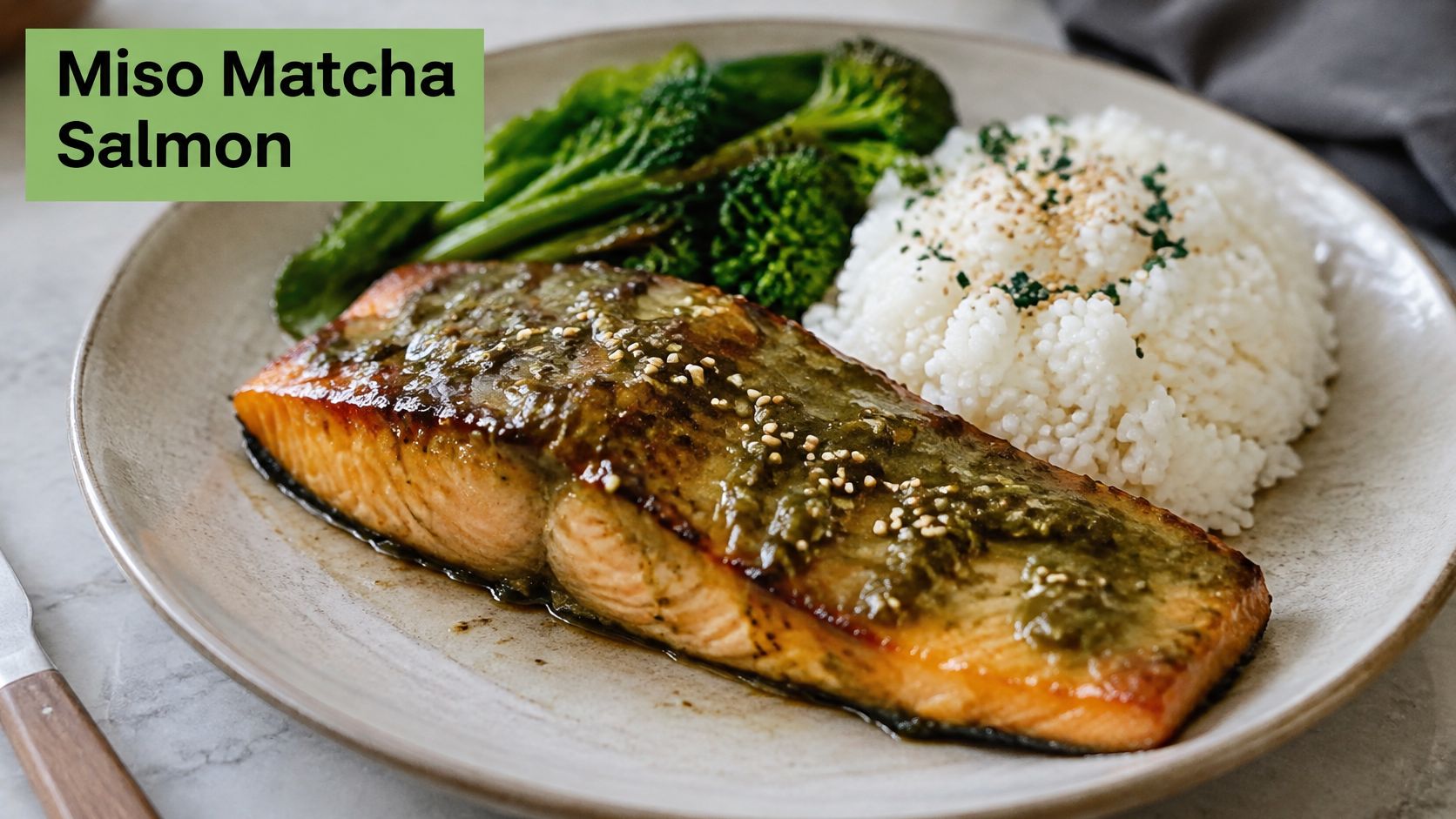
Kitchen role: glaze. Grade choice: culinary. Salmon's richness gives matcha somewhere useful to land, while white miso connects the tea's earthy flavour with the fish. Mirin rounds out the glaze, and a restrained splash of soy adds savouriness without drowning everything in salt.
Build a thin glaze, not a heavy crust
Whisk white miso with mirin and a little soy in a small saucepan. Warm gently until smooth, then take it off the heat before whisking in sifted matcha. Start with ½ teaspoon, taste, and increase towards 1 teaspoon only if the glaze still tastes balanced.
Pat the salmon dry and cook it most of the way through before brushing the glaze over the exposed flesh. Finish briefly under the grill, watching closely as the miso browns. A thin coating turns glossy; a thick layer can scorch before the fish is ready.
- Keep some glaze separate: Reserve a clean portion before your brush touches raw fish.
- Balance the plate: Serve with brown rice, edamame and pickled cucumber, or white rice and broccoli.
- Choose the right powder: PepTea's guide to cooking with organic matcha powder is a useful starting point for using culinary matcha beyond drinks.
Practical rule: Judge the matcha in a bite of salmon, not just from the mixing bowl. The fish's fat changes how strongly you perceive the tea.
For a café special, use the same glaze on roasted pumpkin or eggplant, brushing it on near the end rather than throughout roasting. Ceremonial grade adds little value here because the fermented miso and grill browning dominate its subtler qualities.
A small cup of hot PepTea culinary-grade matcha makes an optional tea pairing, although water keeps the meal simpler. If you're planning a wine pairing instead, the McLaren Vale Cellars seafood pairing guide offers seafood-focused ideas.
2. Matcha and Sesame Furikake Salt
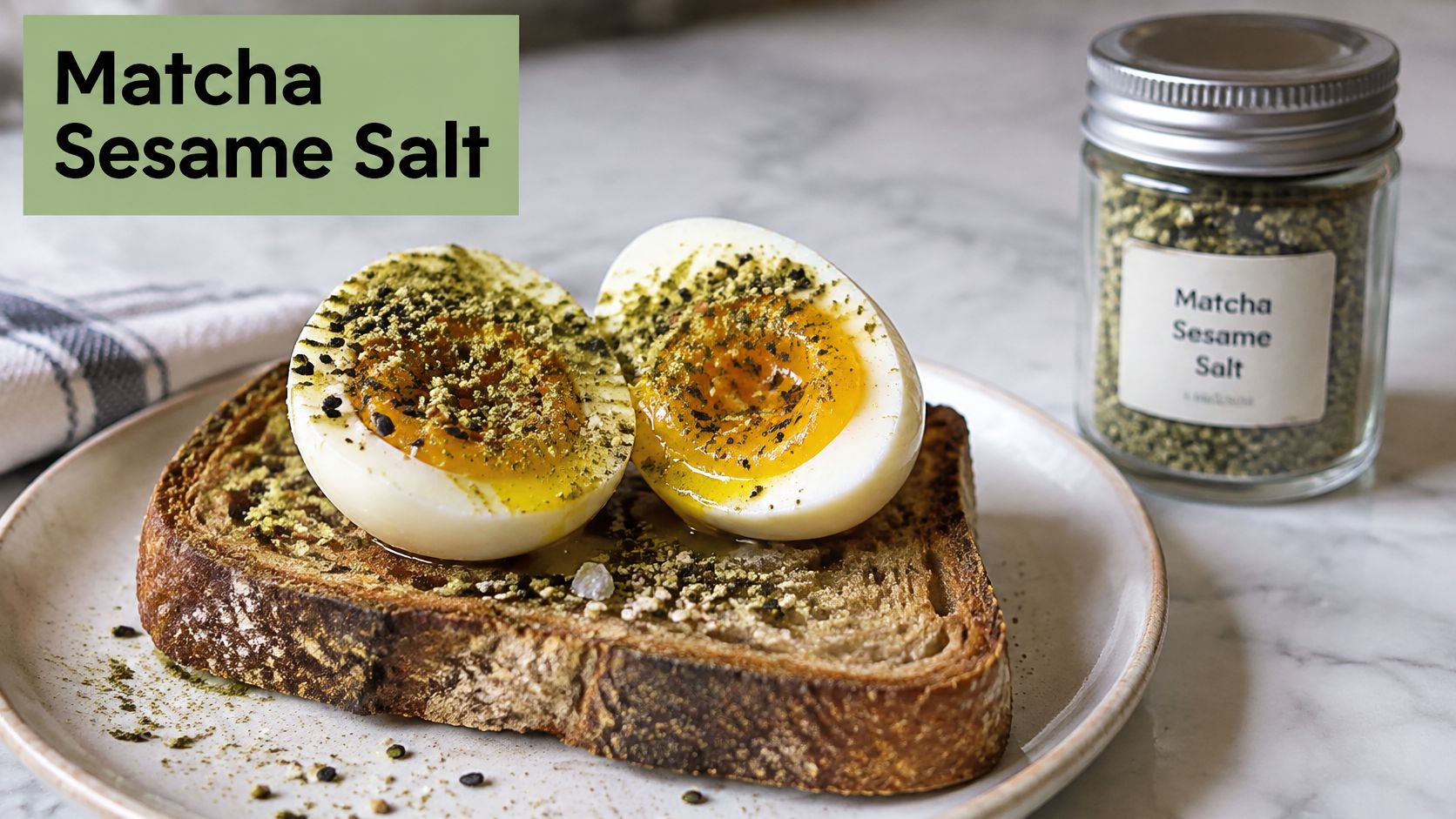
A bowl of plain rice, buttered popcorn or avocado toast can taste finished with one pinch. This furikake-inspired seasoning brings toasted crunch, a little seaweed and a clean earthy finish, and once the sesame is toasted there is no pan work left.
Kitchen role: dry seasoning. Grade choice: culinary. Ceremonial matcha earns little here because toasted sesame and nori carry the aroma; a well-sifted culinary grade gives colour and a gentle tea edge without pushing cost into a garnish.
Let sesame lead
Toast sesame seeds in a dry frying pan, keeping them moving until fragrant, then tip them onto a plate to cool completely. Warm seeds can carry a faint steam, so give them time before they meet the powder. Crumble crisp nori finely with scissors or your fingers. Combine cooled sesame and nori with sifted matcha, then crush in flaky sea salt sparingly.
Build the jar in that order: sesame as the bulk, nori as support, matcha as a light coating, salt last. Taste on plain rice before adding more salt; a blend that seems quiet from the spoon can turn assertive on eggs, popcorn or already-salted vegetables.
- For brunch: Sprinkle over avocado toast or cooked eggs just before serving.
- For snacks: Toss through warm buttered popcorn so the powder adheres.
- For vegetables: Finish roasted cauliflower after it leaves the oven rather than roasting the seasoning.
Keep moisture out of the jar. Steam from a saucepan can turn a loose seasoning into clumps surprisingly quickly.
Store the blend in a tightly sealed dark glass jar in a cool pantry, away from the stove. Make modest batches rather than assuming the flavour will stay fresh indefinitely.
Salt deserves restraint. Table salt, stocks and seasonings are major sources of sodium in most diets, so let this blend add sesame and tea character first, with salt doing only the sharpening. If a dish is already seasoned, use less; on plain rice or a soft egg, the same pinch will read brighter.
3. Matcha Miso Soba Noodle Salad
The main challenge here is water, not matcha. Poorly drained noodles dilute the dressing, leaving you tempted to add more miso, vinegar and tea when the bowl really needs better preparation.
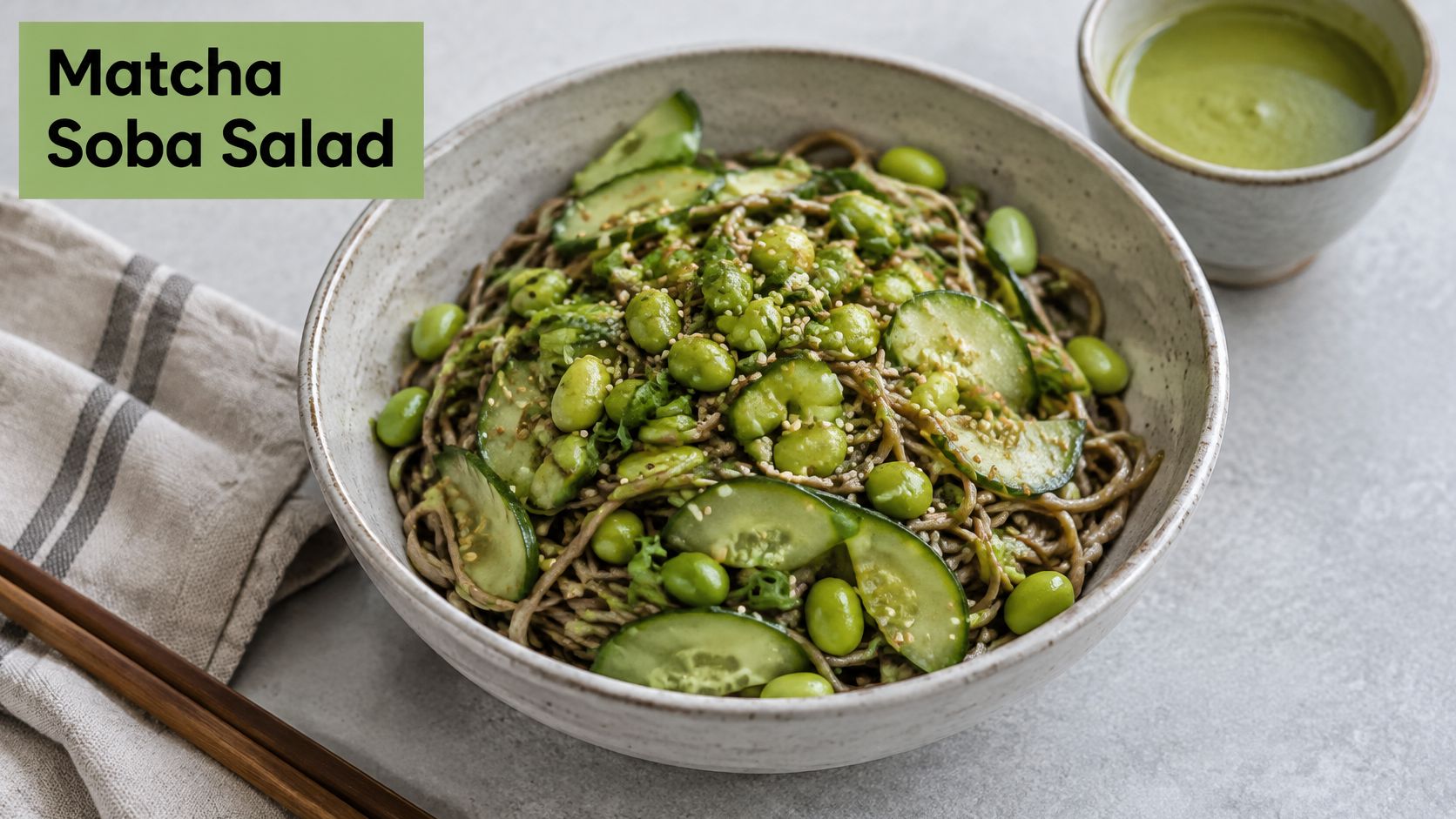
Kitchen role: cold dressing and lunch main. Grade choice: culinary. A restrained culinary matcha works well with sesame oil and white miso; ceremonial grade won't offer much advantage once those flavours are combined.
Dress just before eating
Cook buckwheat soba according to the packet, then rinse thoroughly under cold running water until chilled. Drain well, lifting and shaking the noodles gently rather than leaving water trapped beneath them. Slice cucumber, prepare edamame and toast sesame seeds while the noodles drain.
Whisk a small spoon of sifted matcha into rice vinegar until smooth, then work in white miso and sesame oil. Loosen with cold water until the dressing coats a noodle without sitting on it like paste. Taste with cucumber and soba before adjusting, because straight dressing should taste more concentrated than the finished bowl.
Australian culinary supplier Iki Matcha recommends sifting or dispersing matcha to reduce clumps and adding it late where possible. A cold dressing makes both techniques easy.
- For a lunch box: Pack noodles, vegetables and dressing separately, then toss when you're ready to eat.
- For a café bowl: Add tofu or cooked chicken and keep the vegetable toppings crisp.
- For a tangy variation: Stir a splash of PepTea Ginger kombucha into the finished cold dressing, reducing the vinegar first.
The kombucha belongs at the end, without heating, but it's primarily a flavour choice here rather than a promised health benefit. Its acidity varies from rice vinegar, so taste instead of swapping them blindly.
If the dressing becomes harsh, don't keep adding matcha to chase a greener colour. Dilute it with more noodles and vegetables, then reassess the balance.
4. Pea, Lemon and Matcha Risotto
Sweet peas are the bridge between creamy risotto and matcha's vegetal edge. Lemon zest lifts the aroma without making the rice sharply acidic, while parmesan gives enough savoury depth that the tea can remain subtle.
Kitchen role: main or small starter. Grade choice: culinary. This isn't a reason to use stale powder, but it is a reason to leave ceremonial matcha for your cup.
Finish with matcha off the heat
Soften finely chopped shallot in olive oil and butter without browning it. Stir in arborio or carnaroli rice until coated, then add warm stock gradually, stirring regularly and allowing each addition to absorb before adding more.
Add peas as the rice approaches tenderness. In a small bowl, whisk a pinch of sifted matcha with a spoonful of warm stock until completely smooth. Remove the risotto from the heat, stir in that mixture, then finish with butter, parmesan and finely grated lemon zest.
For a visual companion to the rice-cooking stage, use the video below alongside the matcha finishing method described here.
Texture first: Good risotto should spread gently in a warm shallow bowl. If it stands in a stiff mound, loosen it with warm stock before serving.
The trade-off is colour versus flavour. More matcha makes a greener bowl, but it can obscure the sweetness of the peas and leave a drying finish. Add lemon juice only after tasting; zest often gives enough freshness without adding another sharp element.
- For a weeknight dinner: Serve immediately with a leafy salad and lemon sparkling water.
- For guests: Prepare the chopped shallot, grated cheese and matcha slurry components ahead, but finish the rice close to serving.
- For a café starter: Use a smaller portion and let the peas remain the main green flavour.
Fully finished risotto isn't an ideal make-ahead dish because the rice keeps absorbing liquid. Reheating can make dinner service easier, but it won't give quite the same flowing texture.
5. Ginger and Matcha Chicken Stir-Fry with Kombucha Glaze
Kombucha gives this sauce tang, not the sticky sweetness of a conventional sweet-and-sour glaze. That difference is useful, provided you don't expect a sugar-free drink to caramelise like honey or sweet chilli sauce.
Kitchen role: light coating and pan glaze. Grade choice: culinary. Ginger, garlic and soy are too assertive to justify ceremonial matcha.
Keep the coating light and the pan uncrowded
Slice chicken evenly, pat it dry and toss with cornflour and a light dusting of matcha. Around 1 teaspoon per 500 g of protein is a sensible ceiling for this version, not a target you have to reach. Firm tofu also works, provided you drain and dry it well.
Brown the protein in a hot pan with neutral oil, working in batches so it fries rather than steams. Remove it, briefly cook grated ginger and garlic, then add a restrained splash of soy and water. Return the chicken and cook it thoroughly before finishing the sauce.
The dry rub tips for stir fry offer another perspective on seasoning the protein before it reaches the pan. Keep this coating especially thin, since scorched matcha tastes more bitter than browned cornflour.
- Choose the drink: PepTea's sugar-free organic Ginger kombucha suits ginger-forward sauces; Lime & Ginger gives another option.
- Finish carefully: Take the pan off the heat before adding kombucha, then toss to combine.
- Serve plainly: Spoon over jasmine rice with steamed greens and pickled vegetables.
Adding kombucha off the heat reduces its exposure to cooking, but a hot stir-fry isn't a reliable way to preserve live cultures. For that purpose, serve the drink chilled alongside instead.
This makes a useful family dinner or meal-prep alternative to a heavily sweetened sauce, although the finished dish isn't automatically low in sodium or sugar-free. Check the soy sauce and other condiments rather than assuming the kombucha determines the whole meal's nutrition.
6. Matcha and Cheddar Savoury Scones
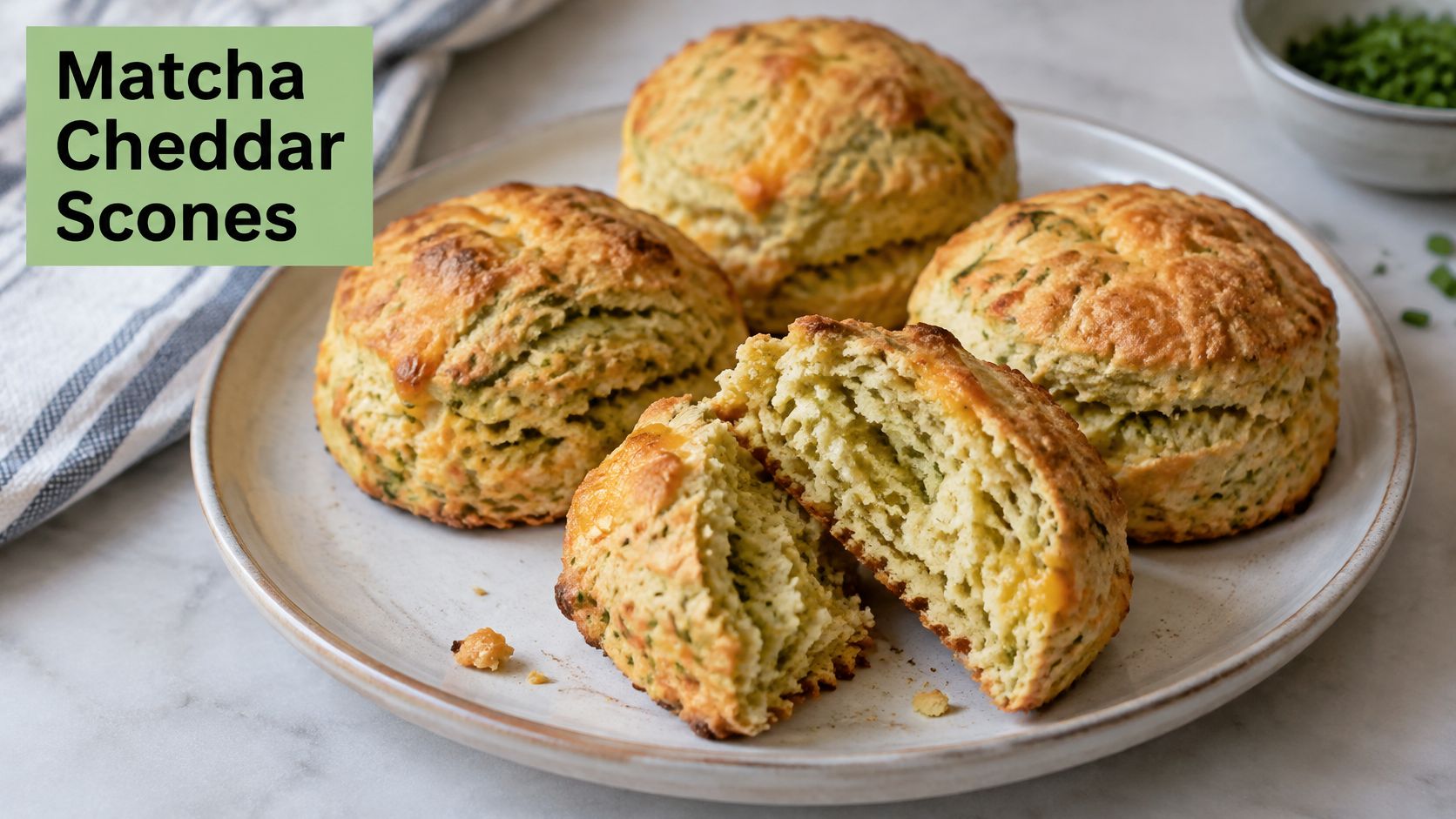
Warm cheddar scones are a forgiving introduction to savoury matcha baking. Mature cheese softens the tea's bitterness, chives keep the flavour fresh, and the crumb only needs a pale green tint.
Kitchen role: bake. Grade choice: culinary. Ceremonial matcha doesn't earn its place in a dough full of cheese and butter.
Adapt your usual cheese scone dough
Use a trusted self-raising-flour cheese scone recipe, adding a teaspoon of sifted matcha to the dry ingredients. Rub very cold diced butter into the flour quickly, then fold through grated mature cheddar and chopped chives. Add milk gradually until the dough just holds together.
Pat it out gently on a lightly floured bench and cut cleanly without twisting the cutter. Brush the tops with milk or beaten egg and bake according to your base recipe until risen, golden and cooked through. Extra kneading won't make them neater inside; it tends to make them tougher.
PepTea's baking with matcha and beyond guide offers further ways to move between tea drinks and baking. For this version, resist the temptation to keep adding powder until the raw dough looks vividly green.
- For brunch: Split and fill with cream cheese and smoked salmon.
- For a picnic: Let them cool before packing, then serve with chutney.
- For afternoon tea: Serve warm with butter and a glass of sugar-free kombucha or a small matcha latte.
Café operators can explore farmers' market bakery menus for ideas about presenting a savoury bake alongside familiar favourites. Keep the menu description clear: cheddar and chive should lead, with matcha identified rather than hidden.
Baking doesn't make matcha caffeine-free, as PepTea's matcha baking guidance explains. That matters if you're serving the scones with another matcha drink, or offering them to someone who limits caffeine.
Savoury Matcha Recipes at a Glance
| Item | Matcha Grade | Key Detail | Best Use |
|---|---|---|---|
| Miso-Matcha Glazed Salmon | Culinary grade | Sweet-savoury miso glaze balances matcha's bitterness | Weeknight dinner with rice and greens |
| Matcha and Sesame Furikake Salt | Culinary grade | Quick seasoning blend with sesame, sea salt and nori | Finishing eggs, rice, popcorn or vegetables |
| Matcha Miso Soba Noodle Salad | Culinary grade | Chilled soba with a tangy matcha-miso dressing | Summer lunches and meal prep |
| Pea, Lemon and Matcha Risotto | Culinary grade | Creamy risotto with peas, parmesan and lemon | Dinner parties or a special weeknight meal |
| Ginger and Matcha Chicken Stir-Fry with Kombucha Glaze | Culinary grade | Quick stir-fry with ginger kombucha glaze | Lower-sugar weeknight dinner |
| Matcha and Cheddar Savoury Scones | Culinary grade | Flaky cheddar and chive scones with an earthy matcha note | Brunch or afternoon tea |
Start Cooking With Matcha This Week
Choose the recipe that fits the food you already cook. The furikake salt is the lowest-effort introduction, because you can taste it on a bowl of rice before committing it to dinner. The miso-glazed salmon is the stronger choice when you want a complete meal built from familiar ingredients.
Use culinary-grade matcha for cooking and keep ceremonial grade for drinking. That is a buying decision, plain and simple. Ceremonial matcha can go into food, but you are unlikely to notice its finer qualities beneath cheddar, soy sauce or toasted sesame, so the extra cost earns you nothing on the plate.
Adjust the dish, not just the powder
If the result tastes bitter, pause before reaching for sugar or more salt. Try a smaller amount of dressing, more plain noodles, a little extra butter or a less acidic accompaniment, depending on the dish. Sometimes the right fix is just less matcha next time.
- Keep it smooth: Sift into dry mixtures or whisk into a little liquid before combining.
- Protect the flavour: Add matcha late when the cooking method allows it.
- Taste a complete bite: Judge sauces with the food they will accompany, not only from a spoon.
Caffeine deserves the same thought as seasoning. Food Standards Australia New Zealand identifies tea as a natural source of caffeine, so a savoury meal containing matcha is not stimulant-free. Ask your supplier for product-specific information if you need to estimate the caffeine in a portion.
For cafés, standardise the amount of powder and the finished portion before putting a dish on the menu. For home cooks, jot down what worked, especially the matcha amount and when you added it. Two lines in a notebook beat chasing the brightest possible green.
When you are ready to stock the pantry, pick an organic culinary-grade matcha you will use each week, and keep it tightly sealed away from heat and light. Pair the cooking with sugar-free organic kombucha if you enjoy its tang, without expecting either ingredient to turn dinner into a health treatment.
Pep Tea offers organic matcha for drinking and cooking, alongside sugar-free organic kombucha brewed in NSW. Visit Pep Tea to explore culinary-grade matcha for your next glaze, dressing or savoury bake, and choose a kombucha to serve alongside.