
Tag: organic certification nz
Organic Green Tea NZ: A Buyer’s Guide for 2026
You're probably looking at a shelf, or a product page, with half a dozen green teas all promising some version of clean, pure, premium, organic wellness. One box says “natural”. Another says “traditional”. A pouch looks beautifully designed but tells you almost nothing about where the tea came from, how it was grown, or whether the price difference means better quality.
That confusion is normal.
Organic green tea in New Zealand sits at the intersection of wellness, food standards, origin, and flavour. If you're buying for your own morning ritual, for your family, or for a café menu, the smart question isn't just “Is it organic?” It's “What exactly am I paying for, and how do I tell the difference between a decent tea and an excellent one?”
Your Guide to Navigating the World of Organic Green Tea
A typical New Zealand shopper might start in a supermarket, move to a health food store, then end up online after realising the labels don't answer the key questions. Is imported tea better than local tea? Does certified organic mean anything practical in the cup? Is matcha worth the premium? And how do you avoid paying extra for branding instead of quality?
Those questions matter more now because organic buying is no longer niche. New Zealand's organic sector reached a record valuation of NZ$1.18 billion in 2025, representing a 37% increase since 2020, according to the OANZ 2025 market report. That tells us Kiwi consumers are making a sustained move towards certified-organic products, not just occasional trial purchases.
Why the shelf feels crowded
Part of the problem is that green tea is sold in very different forms:
- Tea bags for convenience
- Loose leaf for aroma and control
- Matcha powder for a more concentrated whole-leaf style drink
- Ready-to-drink products that use green tea as a base ingredient
Each format can be good, but they solve different needs. A busy parent may want a quick morning tea bag. A wellness-focused buyer may prefer ceremonial-grade matcha. A café owner may need consistency, foodservice practicality, and confidence in origin.
What makes this guide useful
The easiest way to make sense of the organic green tea NZ market is to judge each product through three lenses:
- Certification
- Quality signals
- Fit for your purpose
Practical rule: Don't buy on the front label alone. The front sells a feeling. The back tells you whether the product deserves your trust.
If you want a solid starting point for understanding the category itself, this guide on what organic green tea is is a useful primer before you compare specific products.
By the time you finish reading, you should be able to spot vague marketing language, understand why origin matters, and choose a tea that matches your budget, taste, and wellness priorities.
What Organic Certification Means in New Zealand
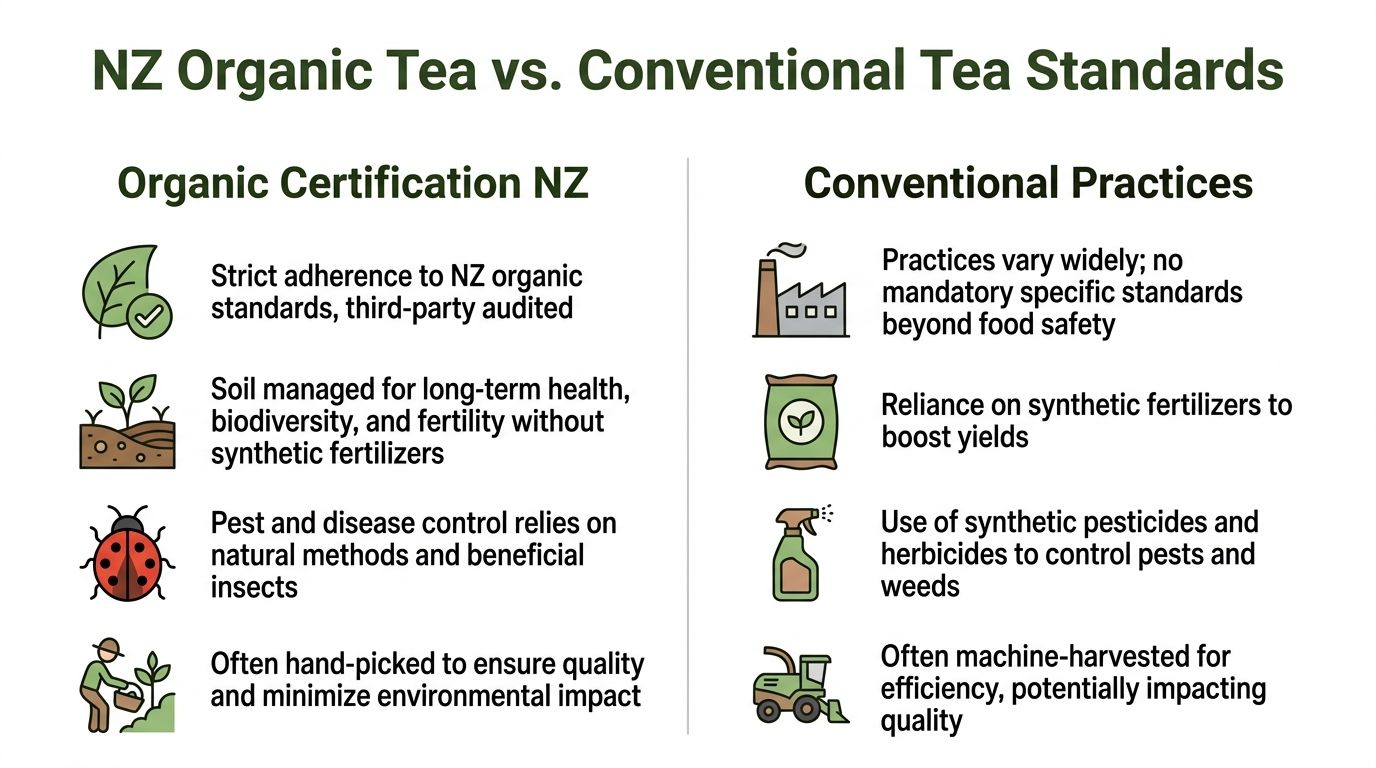
The word organic should mean more than “clean-looking packaging” or “natural positioning”. In practice, the most useful difference is whether a tea is certified organic by a recognised third party, rather than described with soft marketing words.
What a certification logo is really telling you
When you see a recognised organic certification, you're looking at a product that has been checked against a defined standard. That's different from words like “pure”, “natural”, or “farm fresh”, which can sound reassuring without making a specific audited promise.
In New Zealand, buyers commonly look for certification systems such as BioGro and AsureQuality on food and beverage products. The exact scheme matters less than the core principle. A genuine certification means an independent body has assessed the product or production system against organic rules.
How to read the pack without getting misled
Use this simple filter when you pick up a tea:
| Label feature | What it usually means for you |
|---|---|
| Certified organic logo | A third party has audited compliance with organic standards |
| “Natural” wording only | No clear organic claim on its own |
| Clear country of origin | Better transparency about where the tea was grown |
| Vague sourcing language | Harder to judge quality, farming conditions, and consistency |
Three quick checks help:
- Check the certifier first. If there's no recognisable certification mark, treat the organic story cautiously.
- Look for origin details. Country matters because climate, processing, and style shape flavour and function.
- Read beyond the front panel. The front is often about branding. The side or back panel usually reveals whether the brand is being precise.
Why this matters for tea quality
Organic certification doesn't automatically guarantee the most delicious tea on the shelf. It does tell you something important about how the tea was grown and handled. For many buyers, that's the baseline they want before they even begin comparing flavour, freshness, leaf grade, or antioxidant potential.
That's also why terms like “organic-style” or “grown naturally” shouldn't carry the same weight in your decision. They may describe an intention, but they don't replace verification.
If you want a broader view of how certified standards are used across the region, this organic certification overview helps connect the dots between New Zealand buying decisions and Australian supply standards.
A reliable organic logo reduces uncertainty. It doesn't answer every quality question, but it removes one of the biggest ones.
Understanding the Health Benefits of High-Quality Green Tea
You stand in front of the shelf comparing two organic green teas. Both look credible. Both promise wellness. One costs noticeably more. The useful question is not which pack sounds healthier. It is which tea is more likely to deliver the compounds you want, in a clean and effective form, often enough to justify the price.
That is where quality starts to matter in a practical way for New Zealand buyers.
Green tea is valued for its catechins, especially EGCG, along with a wider mix of polyphenols. These compounds are linked with antioxidant activity, but the amount that ends up in your cup can shift with leaf grade, processing, freshness, and format. A high-quality tea is a bit like good olive oil. The label category matters, but the growing, handling, and final product quality shape what you are really getting.
Why matcha draws so much interest
Matcha works differently from standard loose leaf green tea because you consume the powdered leaf rather than steeping leaves and discarding them. That changes both the texture of the experience and the concentration of tea compounds per serve.
Certified organic Japanese matcha contains 50 to 110 mg of EGCG per gram, and a standard 2g serving provides 100 to 220 mg of EGCG, which is roughly 2 to 3 times more than a standard cup of steeped green tea, according to this matcha EGCG analysis.
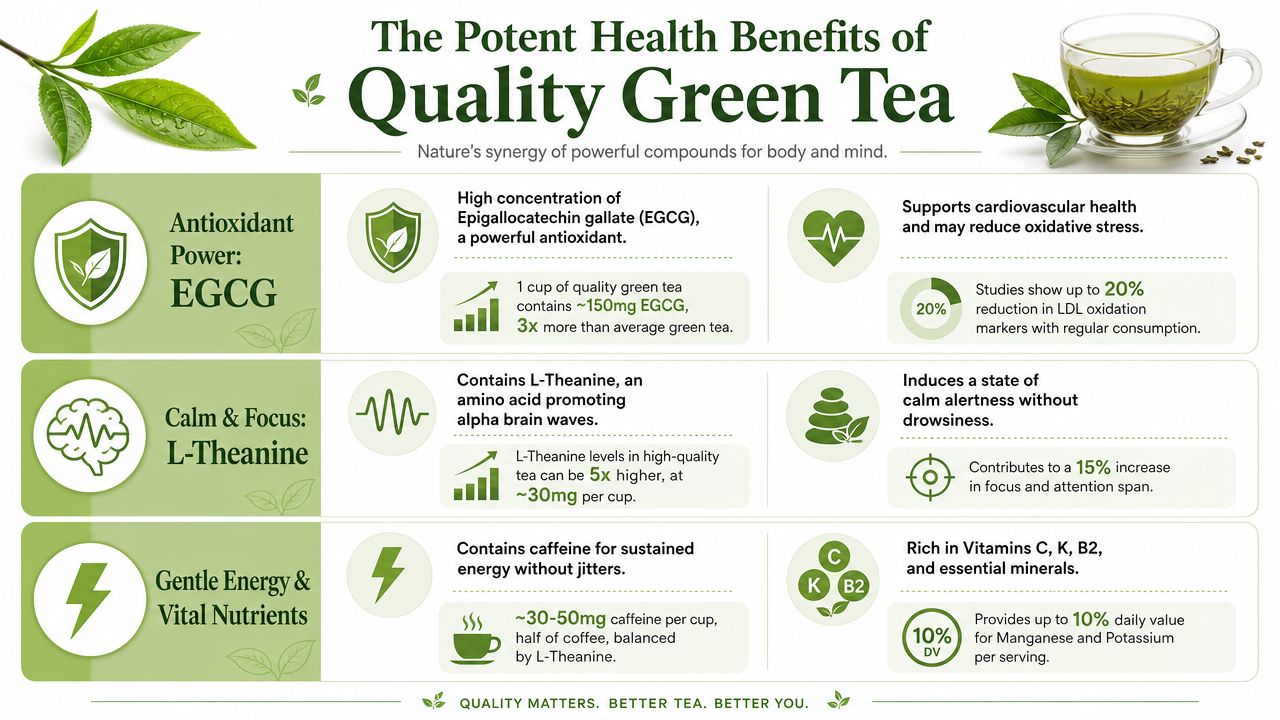
For a buyer, this helps explain why premium matcha often sits in a different price bracket. You are not only paying for flavour. You are paying for a format that can deliver more of the leaf itself, assuming the sourcing and processing are strong enough to preserve those benefits.
Another useful reference point comes from research showing that matcha tea's total polyphenolic content ranges from 169 to 273 mg GAE/g, with EGCG comprising 50 to 60% of all catechins, and one 2g cup delivering about 200 mg of total catechins, including about 100 mg EGCG, according to this peer-reviewed article on matcha composition.
What health-minded buyers should take from that
The first takeaway is simple. Potency varies.
The second is more important. Higher potency only helps if the tea is clean, enjoyable, and easy to use consistently. That is one reason quality standards matter so much. If a tea tastes flat, stale, overly bitter, or comes in low-grade packaging that raises questions about contamination, many people stop drinking it long before any habit forms.
This is also where New Zealand buyers should think beyond generic wellness claims. A cheaper tea can look like good value on the shelf, but if it delivers less flavour, lower satisfaction, and less confidence in purity, the health value equation changes. Brands that set a higher bar on sourcing, freshness, and packaging help reduce that uncertainty. That benchmark is what serious tea drinkers tend to look for, and it is where PepTea's quality standards set a useful reference point.
Benefits that make sense without overclaiming
High-quality green tea may support:
- Antioxidant intake through catechins and other polyphenols
- Steadier alertness because green tea naturally combines caffeine with L-theanine
- Better beverage habits when it replaces sugary drinks or overly sweet café options
- Long-term consistency, because a smoother, cleaner tea is easier to drink daily
One more point often gets missed. Health outcomes are connected to what you can stick with. The best organic green tea for you is not the one with the loudest claim. It is the one with verified standards, good flavour, and a composition that matches your goal, whether that is a gentle daily sencha or a more concentrated ceremonial matcha.
High-quality green tea supports health most effectively when it becomes a repeatable daily choice, not a short burst of motivation.
For buyers comparing price against benefit, that is the decision framework to use. Ask how much of the beneficial leaf compounds the tea is likely to provide, how confident you feel about purity and packaging, and whether the taste is good enough to make the ritual last.
How to Judge Green Tea Quality Beyond the Label
Once a tea has cleared the certification hurdle, the next question is harder. Is it good?
That's where many buyers get stuck. Two products can both be organic, yet taste completely different, look different, and deliver a very different drinking experience.
Start with origin, not marketing poetry
In 2023, New Zealand imported over 35,000 kilograms of green tea, with Japan and China the dominant suppliers, according to New Zealand import data from WITS. That matters because origin shapes flavour, processing style, and consistency.
Japan is often associated with greener, more umami-driven teas and carefully graded matcha. China offers broad variety, from delicate pan-fired styles to more full-bodied everyday greens. New Zealand-grown tea is much rarer, which makes local origin a distinct category rather than a default.
The five-part quality check
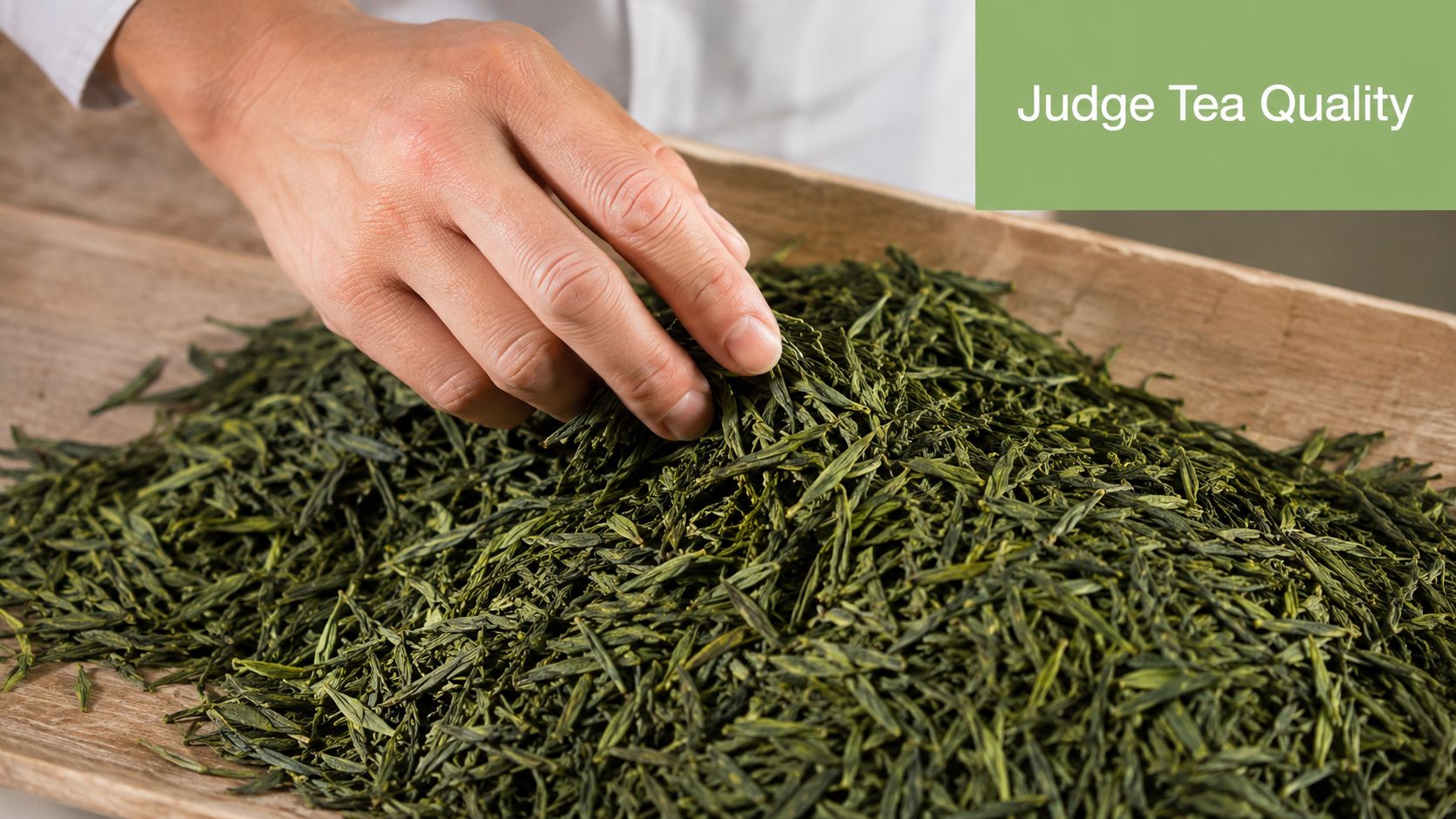
Use this framework when you compare products.
Colour
Good matcha should look vibrant and fresh, not dull, khaki, or brownish. Loose leaf green tea should also show life and clarity rather than looking tired or dusty.
Aroma
Fresh tea should smell clean and distinct. Depending on the style, that might mean grassy, marine, sweet, vegetal, or softly toasted notes. If the aroma is flat, stale, or vaguely cardboard-like, quality or storage may be an issue.
Cut and consistency
With loose leaf, broken fragments can be fine in some styles, but an excessively dusty mix often points to lower grade handling. With matcha, texture matters. Fine powder generally whiskes better and drinks more smoothly than coarse powder.
Transparency
A quality-focused brand usually tells you where the tea is from, what type it is, and how to use it. Vague copy often hides vague sourcing.
Packaging choices
An evolving buyer concern is now surfacing. People increasingly want to know not just whether the tea is organic, but whether the packaging and supply chain feel clean and credible. Questions around microplastic-free packaging are becoming more common, yet clear NZ-specific answers remain limited. That gap doesn't mean a product is unsafe. It means buyers should ask direct questions instead of assuming premium branding equals packaging transparency.
If a brand explains origin well but says nothing about packaging, freshness protection, or testing, ask. Silence isn't proof of a problem, but it isn't reassurance either.
A smart buyer's shortlist
Before you buy, try to answer these:
- Where was it grown
- Is the organic claim certified
- Does the colour look fresh
- Is the format right for how you'll use it
- Does the brand answer practical questions clearly
That checklist catches most weak products quickly.
Buying, Brewing, and Enjoying Your Tea
Good buying decisions become great tea experiences only if you store and prepare the tea properly. Even an excellent organic green tea can taste disappointing if it's brewed too hot, left open in the pantry, or chosen in the wrong format for the job.
Where to buy with confidence
You'll usually find the best options through specialty tea retailers, selected health food stores, premium grocers, and focused online shops rather than the broadest supermarket range.
For buyers who want a local benchmark, New Zealand's only commercial tea estate, Zealong in Waikato, produces 100% certified organic green tea, and its growing conditions are noted for enhancing antioxidant concentration in the hand-picked leaves, according to Zealong's estate information.
If you're shopping online, a specialist range often gives you clearer grade descriptions and better guidance than a generic marketplace. For example, browsing a curated organic green tea collection online can make it easier to compare formats such as ceremonial matcha, culinary matcha, and other green tea styles.
Which format suits which use
A quick decision guide helps:
- Ceremonial matcha suits straight drinking and a more refined flavour experience.
- Culinary matcha works well in smoothies, baking, desserts, and lattes.
- Loose leaf green tea suits drinkers who enjoy aroma, repeat infusions, and a slower brewing ritual.
- Tea bags are best when convenience matters most.
Brewing without ruining the flavour
Most green tea problems come from water that's too hot.
Try this simple approach:
- Heat the water, then let it cool slightly before pouring.
- Use less time, not more, if the tea tastes harsh.
- Taste and adjust. Green tea should taste clean and refreshing, not aggressively bitter.
- Store it airtight, away from heat, moisture, and strong pantry smells.
For matcha, sift the powder if you want a smoother drink, whisk with a small amount of water first, then top up. For an iced version, whisk well before pouring over ice.
A practical visual can help if you're learning whisking technique or want a café-style result at home.
Simple ways to enjoy it beyond a plain cup
You don't need to stop at hot tea. Organic green tea also works beautifully in:
- A matcha latte with your preferred milk
- An iced green tea for summer afternoons
- Smoothies when you want a greener flavour profile
- Baking, especially muffins, slices, and light desserts
- Homemade kombucha bases, if you already brew at home and understand proper fermentation hygiene
Some buyers also use green tea as part of a sugar-reduction strategy by replacing soft drinks with tea-based options or low-sugar fermented drinks.
Creating Your Perfect Green Tea Ritual
The best organic green tea NZ choice usually comes from a calm, repeatable checklist rather than impulse buying.
Start with certification. Then look at origin. Then ask whether the tea's format matches your actual routine. A beautiful ceremonial matcha isn't the right buy if you mainly want something for baking, and a cheap everyday tea isn't the right buy if what you really want is a satisfying morning ritual with flavour, freshness, and a sense of occasion.
A simple decision checklist
Keep these points in mind:
- Certified first. Look for a real organic standard, not just persuasive wording.
- Origin next. Japan, China, and New Zealand each bring different strengths.
- Quality signals matter. Colour, aroma, texture, and transparency tell you a lot.
- Ask harder questions. Packaging, testing, and sourcing details matter more than many labels suggest.
- Buy for the use case. Straight drinking, lattes, baking, and café service all need different tea styles.
Choose the tea you'll actually enjoy often. Consistency matters more than buying the most expensive option once and forgetting it in the cupboard.
A thoughtful green tea ritual can be simple. It might be a bowl of whisked matcha before work, a pot of loose leaf in the afternoon, or an iced green tea after a walk. The ritual itself matters because it turns a product decision into a daily habit.
Paying for quality often means paying for fewer compromises. Better flavour. Better transparency. Better confidence in what's in the cup.
Frequently Asked Questions About Organic Green Tea
A shopper in New Zealand often ends up comparing three very different products at once. One says organic. One highlights Japanese origin. One is cheaper, but says very little about testing, packaging, or grade. These questions help sort that out so you can choose based on health goals, flavour, and value, not just label design.
Is organic green tea better than regular green tea
Organic green tea is better if your priority is a verified farming standard with fewer synthetic inputs. That gives you a cleaner starting point.
It does not guarantee the best cup on its own. Tea quality still depends on origin, harvest timing, processing, freshness, and storage. A useful way to judge it is to treat organic certification as the first filter, then assess the tea itself, much like checking a car has passed inspection before deciding whether it is the right model for you.
Is New Zealand-grown green tea better than imported tea
New Zealand-grown tea can appeal for freshness, local identity, and shorter supply chains. Imported tea often has an advantage in depth of tradition, especially from regions in Japan and China that have spent generations refining specific green tea styles.
For buyers, the key question is fit. If you want a classic umami-rich matcha or a carefully shaded sencha, origin matters because those flavour and nutrient profiles are tied to cultivar, climate, and processing skill. If a brand is vague about origin, that makes quality harder to judge and price harder to justify.
Is matcha healthier than regular green tea
Matcha gives you the whole powdered leaf rather than a brewed extraction, so it can offer a more concentrated intake of the tea's natural compounds. That is why many buyers choose it for focus, antioxidant intake, and a stronger daily wellness ritual.
Regular green tea still has real value. It is often easier to drink throughout the day, and for some people it suits digestion and caffeine tolerance better. The better choice depends on what you will use consistently, because a tea that sits untouched in the cupboard does not help much.
What's the difference between ceremonial and culinary matcha
Ceremonial matcha is made for drinking on its own, usually with water. You are paying for smoother texture, more refined sweetness, and less bitterness.
Culinary matcha is designed to hold its character in recipes. It works well in lattes, smoothies, baking, bliss balls, and desserts.
The simplest way to choose is to match the grade to the job. Using ceremonial matcha in baking is like cooking with a delicate finishing oil. Much of what made it special gets lost. Using culinary matcha for straight sipping can feel harsher than you wanted.
How can I tell if a tea brand is trustworthy
Look for a pattern of proof, not one nice claim on the front of the pack.
A trustworthy brand usually shows:
- clear organic certification
- specific origin information
- realistic tasting or preparation notes
- honest detail about grade and intended use
- answers about packaging, tea bags, liners, and storage
- signs that quality control matters, not just marketing
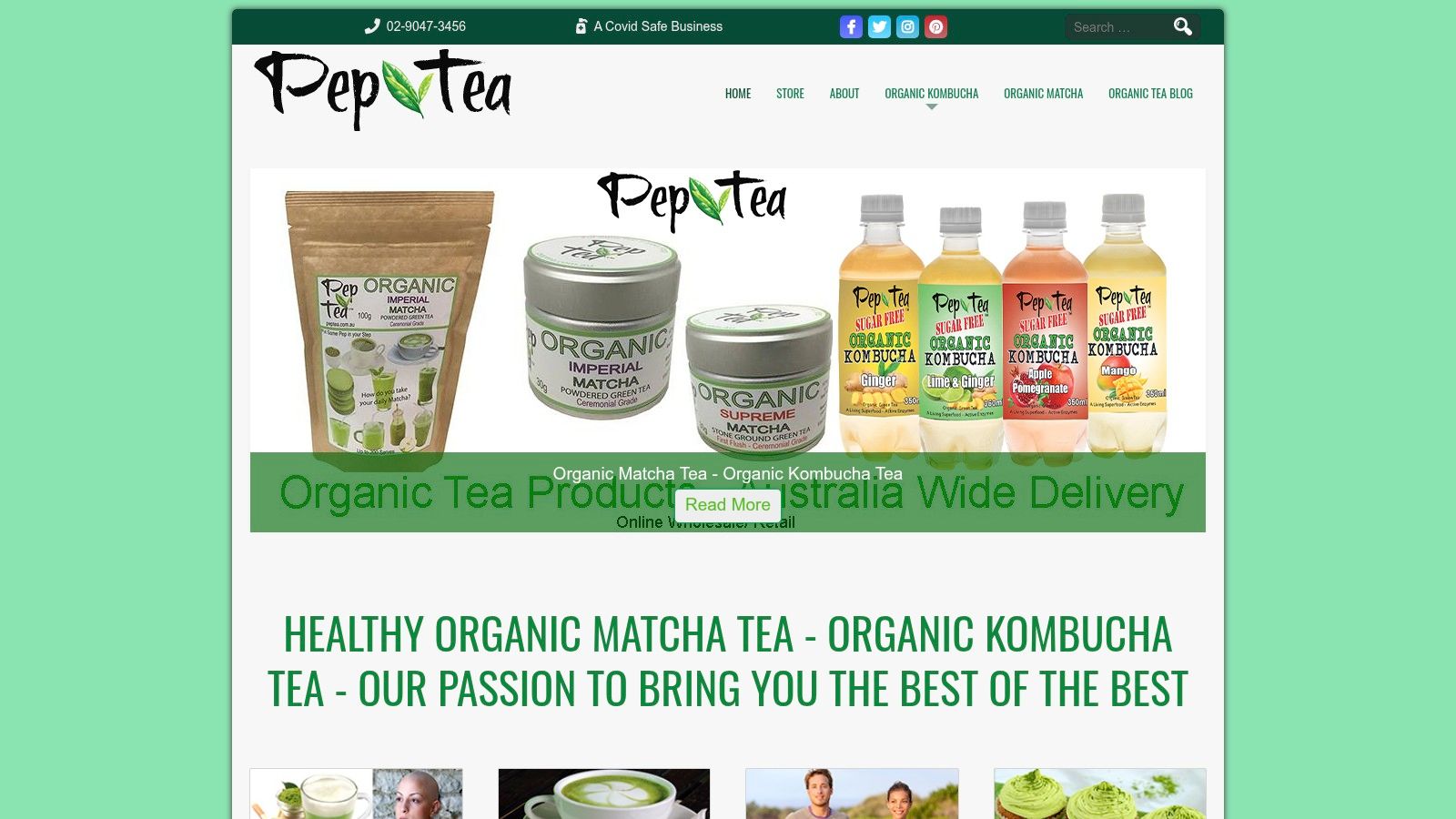
Premium brands distinguish themselves. Pep Tea sets a useful benchmark because the focus is not only on certified organic status, but also on authenticity, clean ingredients, and products that are easy to judge by origin and purpose.
Does organic mean microplastic-free
Organic does not mean microplastic-free. Farming standards and packaging materials are different issues.
This catches many buyers out. A tea can be organically grown and still be sold in packaging or tea bag materials that raise questions about plastic exposure. If that matters to you, ask direct questions about tea bag construction, sachet materials, liners, and whether the tea is sold loose leaf or as powder. Health-focused buying works best when you check both what was grown and what it is packed in.
Why can organic green tea vary so much in price
Price usually reflects a stack of decisions. Origin, harvest quality, shading methods, processing skill, freshness, certification costs, packaging standards, and batch size all affect the final number.
A cheap organic tea may still be a fair buy for casual drinking. A more expensive one may deliver better flavour, better texture, stronger aroma, and more confidence around sourcing and handling. The goal is not to buy the most expensive tea. It is to know what you are paying for.
If you'd like a practical benchmark for premium standards, Pep Tea is worth exploring. We focus on certified organic teas, premium Japanese matcha, and Australian-brewed sugar-free organic kombucha, with a strong emphasis on authenticity, clean ingredients, and everyday drinkability. Explore our range if you want organic tea options that make quality easier to judge and easier to enjoy.