
Best Electric Kettle Australia: 2026 Buyer’s Guide
You buy a beautiful Japanese green tea or a fresh ceremonial matcha. You heat the water, pour it in, whisk or steep carefully, then take a sip and wonder why it tastes flat, bitter, or oddly harsh.
That disappointment often gets blamed on the tea. In many kitchens, the actual problem is the kettle.
For tea lovers in Australia, the kettle isn't just a fast way to boil water. It's a brewing tool that shapes flavour, aroma, texture, and balance. If you love matcha, sencha, hojicha, oolong, or even a good breakfast tea, the right kettle can make the difference between a rushed cup and a memorable one. That matters at home, in a café, and anywhere hospitality is part of the experience.
Your Guide to the Perfect Brew Starts Here
A common tea mistake is simple. People treat all hot water as the same.
You might boil a standard kettle to its hottest setting, pour that water straight over delicate leaves, and accidentally cook away the sweetness you paid for. With matcha, the result can be even more obvious. Instead of a soft, creamy bowl with gentle umami, you get bitterness and a slightly aggressive finish. The tea hasn't failed you. The water has.
That's why electric kettle Australia searches have become more meaningful than they first appear. Many buyers aren't just replacing an old appliance. They're looking for better control, better flavour, and a better daily ritual.
Australia's electric kettle market was estimated at USD 57.3 million in 2025 and is forecast to reach USD 115.0 million by 2034, with growth linked to convenience, energy efficiency, and features such as temperature control, according to IMARC's Australia electric kettle market overview. That tells us something important. More Australians are starting to see the kettle as a smarter kitchen tool, not just a basic necessity.
Why this matters for real tea drinkers
If you mostly drink black tea, a simple kettle may still do the job well.
But if your cupboard includes green tea, white tea, oolong, or premium matcha, precision matters. Water that's too hot can overwhelm delicate flavours. Water that's too cool can leave the cup tasting dull and under-extracted. The sweet spot changes with the tea.
Practical rule: Better tea starts before the leaf ever touches the cup.
At Pep Tea, we care about this because quality ingredients deserve respectful preparation. A good kettle helps you get more from the tea you already love. It protects subtle notes, supports consistency, and makes daily brewing feel less random.
The shift from boiling to brewing
A kettle with thoughtful features changes your routine in small but powerful ways:
- Temperature selection helps you brew green tea and matcha more gently.
- Steady pouring gives you better control for bowls, teapots, and café service.
- Reliable shut-off makes everyday use safer and less stressful.
- Good materials help keep the water tasting clean and neutral.
For tea drinkers, that isn't fussiness. It's care.
Why Temperature Control Changes Everything for Tea Lovers
Boiling water is useful. It just isn't right for every tea.
Tea leaves and powdered tea react differently depending on heat. When the water is too hot, delicate flavours can disappear fast. What should taste smooth and layered can turn sharp, bitter, or hollow. If you've ever wondered why café matcha can taste rounded and sweet while yours tastes rough at home, temperature is one of the first places to look.
Think of tea like gentle cooking
The easiest way to understand this is through food.
You wouldn't cook every ingredient at the same heat. A slow simmer suits one dish. A hot sear suits another. Tea works in a similar way. Stronger teas can handle hotter water because you want a fuller, stronger extraction. More delicate teas need restraint.
With matcha, this is especially important. Matcha is suspended in the water, not strained out. That means the flavour impact is immediate. If the water is too hot, bitterness can dominate the bowl and cover the creamy, savoury character that makes good matcha special.
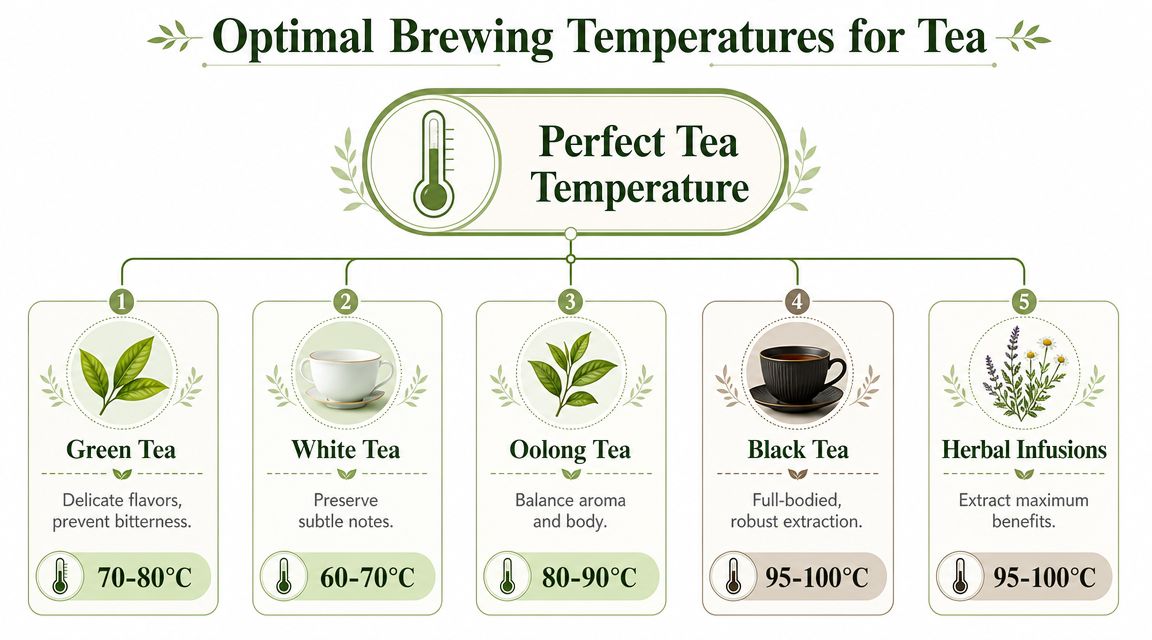
Ideal brewing temperatures for different teas
| Tea Type | Ideal Temperature (Celsius) |
|---|---|
| Green Tea | 70-80°C |
| White Tea | 60-70°C |
| Oolong Tea | 80-90°C |
| Black Tea | 95-100°C |
| Herbal Infusions | 95-100°C |
For tea lovers, a variable temperature kettle takes the guesswork out of this. Instead of waiting for boiled water to cool and hoping you've timed it right, you choose the temperature you want and brew with more confidence.
Why matcha lovers notice this first
Premium matcha rewards care. It's one of the clearest examples of why the kettle matters.
Water that sits around the gentler range often preserves a softer mouthfeel and lets the grassy, marine, sweet notes come through more clearly. When you overshoot the temperature, the bowl can taste stern rather than soothing.
That's why many tea drinkers move beyond basic on-off kettles and choose a model with finer control, such as an electric tea kettle with temperature control, especially if matcha is part of the daily routine.
Too much heat can make premium tea taste cheaper than it is.
Stability matters as much as the target temperature
There's another layer here. It isn't just about reaching the right heat once. It's about holding it steadily while you brew.
Coffee people talk about this often, and the lesson applies neatly to tea as well. This explanation of why temperature stability affects coffee is useful because it highlights a broader truth. Consistent heat supports consistent extraction. In tea, that means fewer surprise cups and more repeatable flavour.
If you serve guests, run a café, or want your morning matcha to taste the way it tasted yesterday, this consistency becomes part of the experience. It turns brewing from luck into method.
Choosing Your Kettle Material and Design
The kettle's body changes more than its look on the bench. Material influences taste, durability, weight, and how pleasant the kettle is to use every day.
Stainless steel, glass, or plastic
Each material has trade-offs. The right choice depends on what you value most.
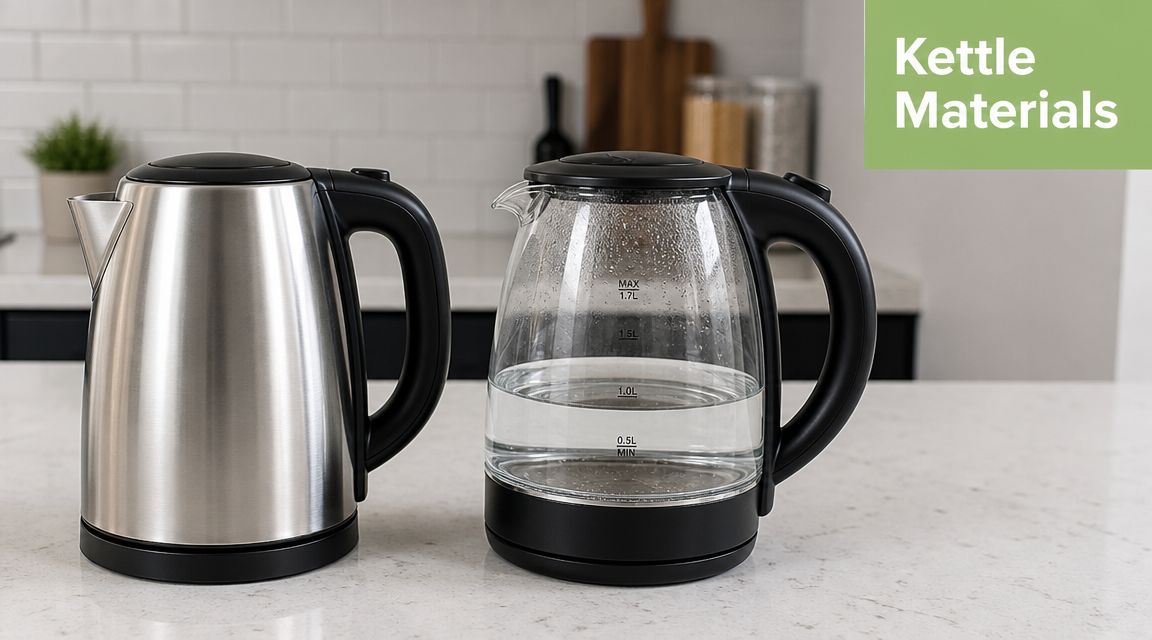
| Material | What it does well | What to watch for |
|---|---|---|
| Stainless steel | Durable, practical, often neutral for water taste | Exterior can feel more utilitarian than decorative |
| Glass | Lets you see the water, looks clean and refined | Can feel less forgiving in busy kitchens |
| Plastic | Lightweight and often budget-friendly | Some drinkers dislike the feel or worry about taste transfer |
For tea lovers, taste neutrality matters. If you're brewing delicate Japanese greens, white tea, or matcha water for whisking, you want the water to stay as clean and unobtrusive as possible. A kettle should help the tea speak, not add distractions.
What tea drinkers usually care about most
If your goal is pure flavour, focus on these questions:
- How does the water taste? Neutral water helps subtle tea notes come through.
- How easy is it to clean? A kettle that's awkward to clean can build up scale and affect flavour over time.
- How sturdy is it in daily use? Home kitchens, cafés, and office settings all create different kinds of wear.
- How does it feel to pour? Pour control matters more than many buyers expect.
A lot of buyers start by comparing appearance. Tea drinkers often end up caring more about pour behaviour.
Why spout design matters
A wide, fast pour is fine when you want hot water in a mug.
A gooseneck spout is different. It slows the flow and gives you control. That matters when you want to fill a small teapot gently, pour into a matcha bowl without splashing, or serve with more grace in front of guests. It also suits people who enjoy the ritual side of tea making, where the pour itself becomes part of the experience.
If you want to see that style in action, this Fellow Stagg EKG Electric Kettle guide is a useful example of how design and precision can work together for tea preparation.
A closer look at kettle form can help here:
Worth remembering: The best-looking kettle isn't always the best-brewing kettle.
Matching design to your routine
A tea drinker who prepares one careful matcha each morning may prefer elegance and precision.
A family kitchen may prioritise sturdiness and simple handling. A front-of-house café setup may need both visual appeal and repeatable performance. Good design isn't only about style. It's about fit. The right kettle feels natural in your hand and disappears into the ritual, which is exactly what a well-designed tea tool should do.
Understanding Australian Kettle Features and Standards
Australian buyers should pay attention to local power and everyday practicality, not just aesthetics. A kettle can look perfect online and still be annoying in a real kitchen if the features don't match local use.
What wattage means in Australia
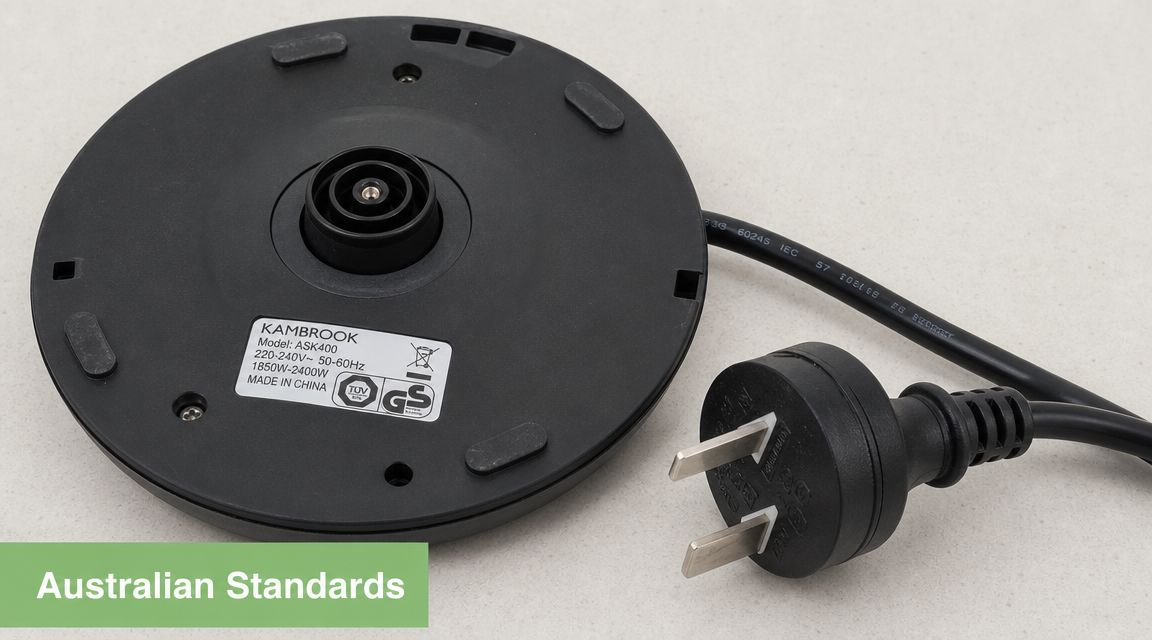
In Australia, a typical electric kettle is designed for 220-240V at 50Hz, with common power ratings around 1,850W to 2,400W, as shown in this Australian-market kettle example from Cuckoo Australia. In simple terms, that wattage range supports the quick boil many Australians expect during a busy morning.
Higher wattage usually means the kettle can heat water faster, but speed still depends on how much water you're heating and how the kettle is built. If you're only warming a small amount for one bowl of matcha, the experience may feel very different from filling a large household kettle to the top.
Safety features that matter in daily life
For most homes, two features matter immediately:
- Auto-shutoff keeps the kettle from continuing once the boil or selected cycle is complete.
- Boil-dry protection helps protect the unit if it's switched on without enough water.
These aren't flashy features, but they make the kettle easier to trust. In a home kitchen, that means less stress when the morning gets hectic. In hospitality, it helps staff move confidently between tasks.
Running costs are often less of a worry than people think
A lot of people hesitate over a powerful kettle because they assume it will be expensive to run.
According to CHOICE's kettle buying guide, boiling a full kettle a couple of times a day for a year costs about $32 at 40 cents per kWh, and CHOICE says most electric kettles are “not expensive to run”. The same guide notes kettle prices can range from around $15 for basic models to more than $200 for premium units, and measured boil noise can range from 47 dB to 65 dB.
That gives buyers useful perspective. A better kettle may cost more upfront, but running it day to day is still relatively modest.
A kettle's value often comes from flavour control and ease of use, not just boil speed.
Small details that improve the experience
When comparing kettles for the Australian market, look beyond the headline features and check the little things:
- Clear controls make temperature selection easier when you're half-awake.
- Comfortable handles matter if you pour often or serve guests.
- A stable base makes repeated use feel safer and smoother.
- Manageable noise can be a genuine quality-of-life feature in open-plan homes.
These are the details that separate a kettle you tolerate from one you enjoy using.
Finding the Right Electric Kettle for Your Needs
The right kettle depends on how you brew, who you're serving, and how much precision you want in daily life. One person wants a calm morning matcha ritual. Another wants fast, dependable hot water for a full household.
The matcha and tea purist
If tea quality is the main event, choose variable temperature control first and design second.
A gooseneck kettle usually suits this buyer well because the slower, more controlled pour feels deliberate. That's useful for matcha bowls, smaller teapots, and anyone who enjoys the ceremony of tea. If you're building a proper setup, a collection of matcha tea accessories can sit naturally alongside a precision kettle.
This is also the one place where a tea-focused retailer can make sense as part of your research. Pep Tea publishes tea and kettle resources for Australian users, which may help if you're trying to match brewing tools to premium matcha rather than buying a generic kitchen appliance blindly.
The busy Australian household
This buyer usually needs reliability more than ritual.
A practical household kettle should feel sturdy, easy to fill, simple to read, and safe to leave on the bench for everyone to use. Fast heating is helpful, but clear controls and easy handling often matter more over time. If several people use the kettle for different drinks, a temperature function can still be valuable even if only one person in the house is serious about tea.
Look for a model that doesn't make daily use feel fiddly.
The modern café owner
Cafés and hospitality venues need consistency. Staff need to move quickly, but the drinks still have to taste intentional.
For tea service, matcha lattes, and premium loose-leaf menus, control helps create a more repeatable result. Durability matters too. A kettle that feels elegant in a home may not hold up the same way under constant commercial rhythm. In front-of-house spaces, visual design also matters because guests notice the details.
Good hospitality often lives in the small tools guests rarely name but always feel.
The traveller, office worker, or small-space buyer
There's another category that doesn't get enough neutral guidance in Australia. Compact and portable kettles.
Search interest exists around smaller kettles and travel-friendly models, as noted in this discussion of small kettle Australia search demand and content gaps. The primary question isn't just whether a kettle is small. It's whether it makes sense for your use case.
A compact kettle can be practical for:
- Office use when you want your own tea setup
- Small apartments where bench space is limited
- Domestic travel when convenience matters
- Some overseas travel if voltage compatibility is appropriate
For many Australians, a travel kettle is a second kettle, not a main one. That distinction helps buyers avoid disappointment.
Keeping Your Kettle Clean and Limescale-Free
Even a brilliant kettle won't brew at its best if it's coated in scale.
Limescale is the chalky mineral build-up that forms inside kettles over time. In some parts of Australia, it appears faster than people expect. You may first notice it as cloudy marks, flakes, or a slightly dull taste in the water. For tea, that matters. Clean water is part of clean flavour.
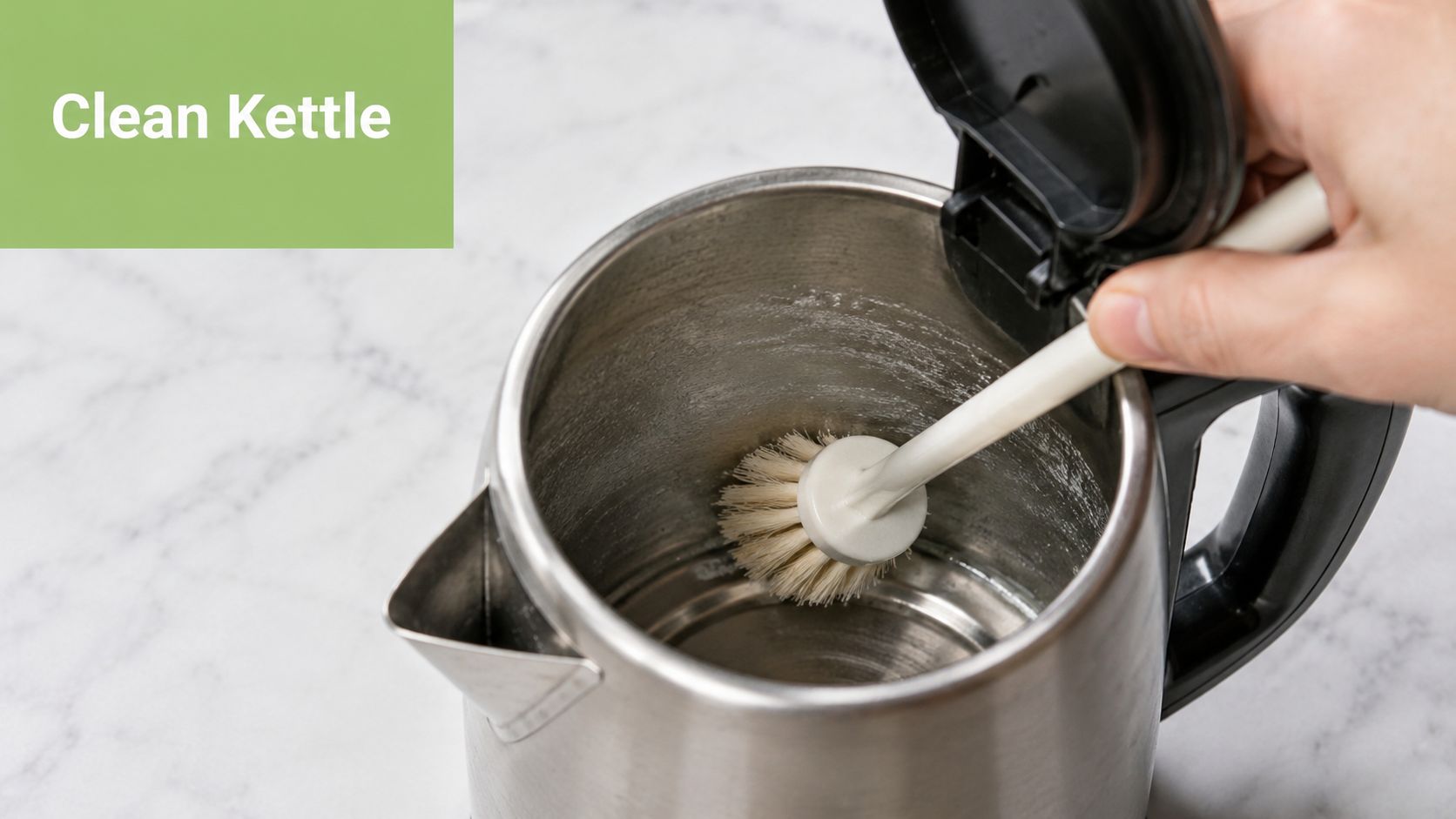
A simple natural cleaning routine
You don't need anything fancy. A gentle home method is often enough.
- Fill the kettle partway with a mix of water and white vinegar, or use lemon juice if you prefer.
- Let it sit long enough for the mineral build-up to loosen.
- Boil if your kettle instructions allow it, then leave it to settle briefly.
- Empty and rinse well so no cleaning taste remains.
- Boil fresh water once more and discard it before making tea.
Always check the manufacturer's care advice first, especially for premium finishes or specialised interiors.
Why this matters for flavour
Scale doesn't just look untidy. It can interfere with the clean taste you want from the water.
If you drink black tea with milk, you might notice this less. If you drink green tea, white tea, or matcha, stale or mineral-heavy water tends to show itself more clearly. The cleaner the kettle, the easier it is to taste the tea itself.
For a broader home-care walkthrough, this limescale removal guide offers practical context on removing build-up around the home.
Easy habits that help
A little regular care goes a long way:
- Empty standing water instead of leaving it in the kettle overnight.
- Rinse occasionally even when the kettle looks clean.
- Descale before build-up gets heavy because light maintenance is easier than deep cleaning.
- Wipe the outside and lid area so the whole kettle stays pleasant to use.
A clean kettle protects flavour and keeps the ritual feeling fresh.
Your Next Great Cup of Tea Awaits
The right kettle changes more than your bench setup. It changes what ends up in the cup.
For Australian tea drinkers, the best electric kettle Australia choice often comes down to one idea. Precision brings out quality. When you control temperature, choose suitable materials, and keep the kettle clean, you give your tea a fair chance to shine. That matters for a quiet bowl of matcha before work, a pot of green tea in the afternoon, or a polished tea service in a café.
A kettle can be fast and convenient. It can also be thoughtful.
That's the difference many people notice once they move from basic boiling to intentional brewing. You stop asking why your tea tastes inconsistent. You start enjoying the kind of flavour that made you buy good tea in the first place.
If you've invested in premium leaves or matcha, your water tool should respect that choice. Better brewing doesn't have to be complicated. It just has to be considered.
If you're refining your tea setup, Pep Tea is a useful place to explore organic matcha, brewing education, and tea tools that support a more precise daily ritual.