
Tag: best matcha cafes
A Guide to the Best Matcha Cafe Melbourne: 7 Top Spots
You feel the difference within the first sip. One café serves a matcha latte with real sweetness, fine foam, and enough structure to let the tea speak. Another gives you a flat, murky drink that tastes more like warm milk and spinach powder. Melbourne has plenty of places selling matcha. The good ones know how to handle it.
That difference usually comes down to a few practical choices: powder grade, water temperature, whisking technique, and whether the menu is built around tea or just using matcha for colour. For drinkers, that means a better cup. For café owners, it shapes workflow, cost, and how much flavour survives once milk, ice, and syrup enter the picture. If you want a quick primer on the different grades of matcha, it helps before you start ordering around town.
Melbourne’s matcha scene is broad now. You’ll find fast CBD counters pouring iced lattes for commuters, Japanese dessert bars working with stronger, sweeter profiles, and quieter neighbourhood cafés where the preparation is part of the draw. The challenge is choosing places that respect the tea itself.
I’ve approached this guide with that in mind. These are the cafés worth knowing if you care about flavour, texture, menu design, and the experience around the cup. Some are best for straight matcha. Some are stronger on desserts or lattes. A few also offer useful lessons for operators thinking about service flow, drink consistency, and how a smart bar setup supports both speed and quality, especially in a practical guide to cafe design.
1. Itteki – The Ceremonial Japanese Café
A rainy Melbourne afternoon is a good time to visit Itteki. Order a straight matcha, sit still for a minute, and the point of the place becomes clear. This is one of the better spots in the city for tasting matcha as tea first, not as flavouring.
Itteki keeps the focus tight. The room is compact, the style is restrained, and the menu rewards people who care about the cup itself. That makes it useful for two groups. Drinkers get a clearer sense of what good preparation tastes like, and café owners can see how a focused tea program changes service, pricing, and customer expectations.
The strongest part of the experience is how clearly the tea is presented. Staff can usually explain origin, grade, and preparation in plain language, which matters in a market where many venues still blur the line between everyday café matcha and more traditional service. If you want context before you order, this guide to different grades of matcha helps you read the menu with better judgment.
What to order
Start with the version that matches your palate, not the version you think you should like. A hot matcha latte is the sensible entry point if you usually drink coffee with milk or want a softer introduction. Straight matcha is the better test of quality because there is nowhere for bitterness, weak whisking, or tired powder to hide.
A few ordering notes make a real difference:
- Best first order: Hot matcha latte for a gentler start.
- Best quality check: Traditional straight matcha.
- Best visit window: Mid-morning or a quieter afternoon, when the small room feels calmer and staff have more space to talk.
One practical rule applies here. If a café presents itself as ceremonial, order at least one unsweetened drink. That is the fastest way to judge whether the tea itself is doing the work.
The trade-off
Itteki is strongest when you treat it as a tea destination. It is less suited to big groups, long brunches, or anyone hoping for a broad all-day café menu. The price point also reflects the specialty focus, which is reasonable given the product, but it places the experience in occasional-treat territory for some drinkers.
That trade-off is part of why Itteki works. It does not try to be everything at once. For anyone serious about matcha in Melbourne, that clarity is a strength.
2. Attakai

You finish a morning in Carlton and want a proper sit-down matcha with food. Later that same week, you are in the CBD between meetings and need something fast that still tastes like someone cared. Attakai handles both situations better than most.
Attakai has one advantage many cafés never solve properly. Its two locations serve different purposes. Carlton suits a slower visit, with enough room in the experience for brunch, sandos, and a drink you can pay attention to. Attakai Garden on Collins Street is built for city pace, where speed and convenience matter just as much as quality.
That split matters more than it might seem. A lot of venues try to run a full dine-in menu and a heavy takeaway queue through the same service model, and one side usually suffers. At Attakai, the format is clearer. For regular customers, that means you can choose the branch based on the kind of matcha experience you want. For aspiring café owners, it is a useful lesson in shop design. Menu quality is only part of the job. Service flow shapes how people judge the drink.
The matcha offering feels considered rather than added on to satisfy demand. You get Japanese-influenced drinks with enough range to suit different palates, but the menu does not drift into novelty for its own sake. That balance is harder to get right than it looks.
How to order well at each location
Carlton is the better place to test the fundamentals. Order a simpler matcha first, ideally something less sweet, and pair it with food if you are staying for a meal. If you make tea at home, this guide to mastering matcha tea preparation helps explain why texture, temperature, and sweetness level can change your impression of the same powder.
The Collins Street site rewards a more practical order. Iced drinks make sense there because they suit takeaway and hold up better if you are walking back to the office.
A useful way to choose:
- Pick Carlton for brunch, food pairing, and a more relaxed matcha stop.
- Pick Collins Street for quick service, takeaway, and CBD convenience.
- Order a simpler drink first if you want to judge the tea rather than the syrup or toppings.
- Expect busier conditions in Carlton on weekends, especially around brunch hours.
The trade-off
Attakai is at its best for drinkers who want good matcha without committing to a highly formal tea-house experience. That broader café comfort is part of the appeal. It also means the experience is less focused than a venue built entirely around ceremonial service. Carlton can get crowded, and the CBD site is geared toward efficiency, not lingering.
Used properly, though, that range is the point. Attakai shows that a strong matcha café in Melbourne does not need to choose between specialty standards and everyday usefulness. It just needs to be clear about what each location does well.
3. Kyo Tea House
You have been walking through the CBD or Chadstone, you want something cold, and a quiet bowl of usucha is not the brief. Kyo Tea House fits that moment well. It is one of the clearer examples in Melbourne of a matcha business built around dessert structure, not tea ceremony, and that distinction matters if you are judging quality properly.
The menu uses Uji matcha in formats that reward fat, sugar, and temperature control. In practice, that means parfaits, soft serve, and blended drinks can still carry a real tea note instead of collapsing into generic sweetness. For café owners, this is a useful case study. Matcha performs differently in dairy-heavy desserts than it does in a straight whisked serve, so powder choice and portioning need to match the format.
Order to the house style. The parfait is usually the best read on what they do well because it shows layering, bitterness, creaminess, and texture in one serve. Soft serve is the better pick if you want a quicker option with a cleaner finish. If intensity levels are offered, choose based on your tolerance for bitterness, not on the strongest option by default.
Cold drinks deserve a practical approach too. Ice and milk can flatten weaker matcha fast, which is why a good iced order depends on balance more than hype. If you want to test that balance at home, this guide on how to make an iced matcha latte is a solid reference.
What works best here
Kyo Tea House suits shoppers, families, and anyone introducing a friend to matcha through dessert first. It is accessible, easy to fit into a city day, and much less intimidating than a formal tea setting.
The trade-off is the environment. Shopping-centre energy brings noise, queues, and a faster pace. Anyone chasing quiet service, unsweetened drinking matcha, or a more ceremonial feel will get more value elsewhere.
Used for the right occasion, though, Kyo Tea House shows an important side of Melbourne’s matcha scene. A strong matcha experience does not always mean restraint. Sometimes it means understanding how to keep the tea present inside a rich, cold, highly visual dessert. For current locations, opening hours, and menu details, use the Kyo Tea House website.
4. Nana’s Green Tea (Melbourne CBD, Bourke St)
You are in the CBD, short on time, with one person asking for a proper matcha latte and another wanting dessert and something savoury. This is the kind of situation Nana’s Green Tea handles well.
Nana’s Green Tea is useful because it solves a real Melbourne problem. Plenty of places do one matcha item well. Fewer can serve a mixed group in a central location without turning the menu into a grab bag of unrelated ideas. Here, the range feels planned. Drinks, parfaits, cakes, and light meals all sit inside a clear Japanese café format.
That matters for matcha drinkers and for café operators paying attention. A good matcha experience is not only about ceremonial service or the darkest, most bitter bowl on the menu. It is also about consistency, menu design, and knowing how to present matcha in forms that different customers will order more than once.
What Nana’s gets right
The strength here is breadth with control. If I am vetting a place like this, I look for whether the tea still reads clearly across different formats. At Nana’s, the better orders are the ones that show that control. A latte for balance. A parfait if you want to test how well the kitchen handles sweetness, dairy, and texture without losing the tea.
Cold drinks are where weaker operators often slip because milk, syrup, and ice can bury the matcha fast. If you want to understand that balance more clearly, this guide on how to make an iced matcha latte is a useful reference after your visit.
Who should come here
Nana’s suits office workers, shoppers, students, and groups with mixed preferences. It is also one of the safer places to bring someone who is still figuring out whether they like matcha in straight drinking form or only in sweeter café-style builds.
The trade-off is atmosphere.
You come here for convenience, range, and repeatable execution, not for a quiet tea-room mood or a highly personal service style. During busy CBD periods, the experience can feel brisk. For some visitors, that is a downside. For others, especially people who want a dependable stop they can fit into a workday, it is exactly the point.
If your priority is a reliable city option with enough menu depth to teach you something about your own taste, Nana’s earns its place on this list.
5. Operator San
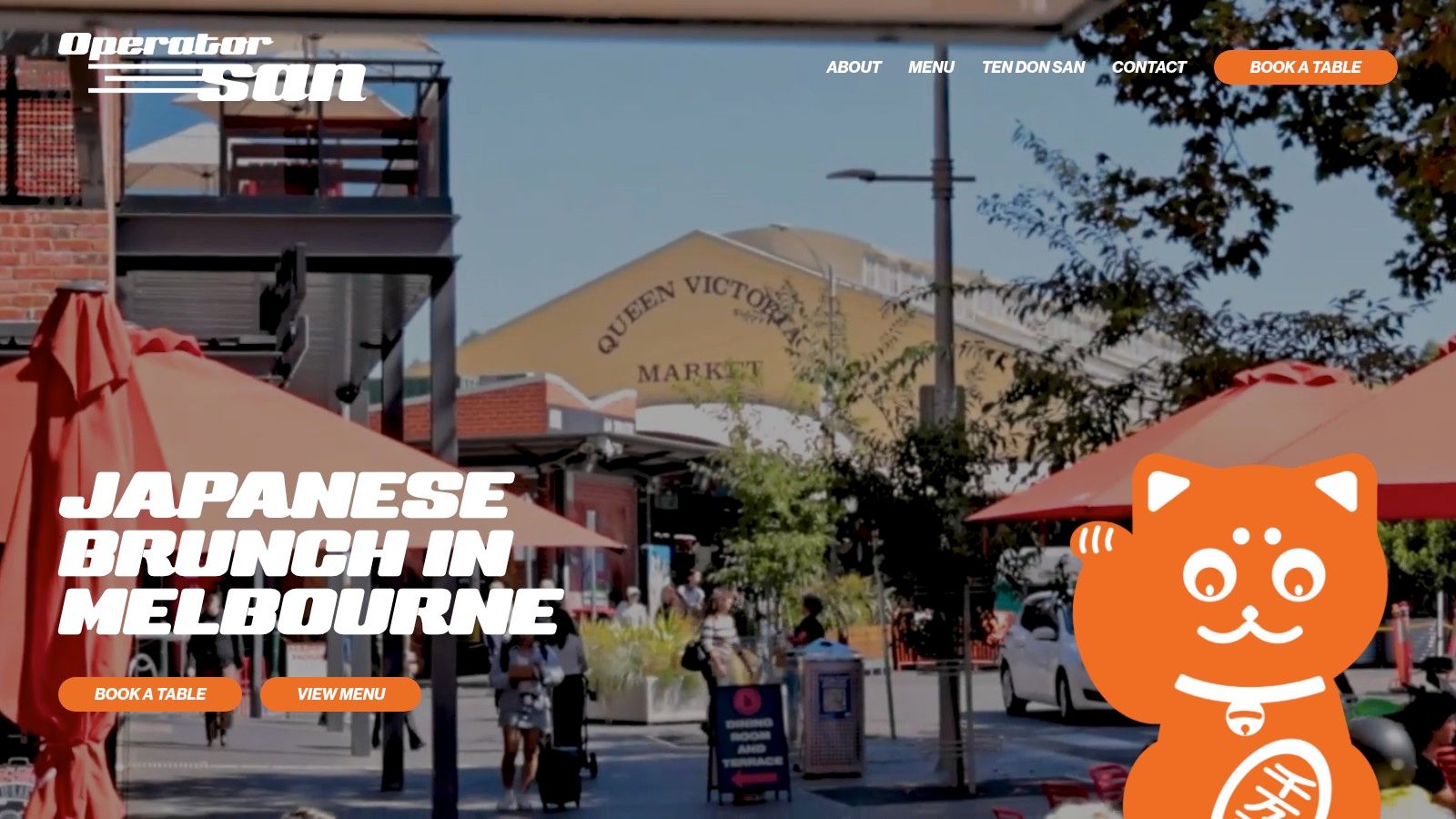
You finish a Queen Victoria Market run, want something better than a quick takeaway, and need a café that can satisfy both the brunch person and the matcha person at the same table. Operator San fits that job well. It treats matcha as a real menu category inside a busy modern café, which is a different skill from running a dedicated tea house.
That difference matters if you care about what makes a strong matcha offering in Melbourne. A café like this has to build drinks that still read clearly in a room driven by breakfast service, coffee orders, and fast table turnover. Operator San handles that better than many brunch-led venues. The menu has enough range to feel interesting, but it usually stops short of the overbuilt, sugar-heavy style that buries the tea.
The smart order here is a measured one. Pick either a classic matcha latte or one of the more playful signature drinks, then pair it with food that will not flatten your palate before the cup even arrives. Rich stacks of cream, syrup, and desserts can make any matcha taste vague. If you want to judge quality properly, start with the drink.
What I respect most here is restraint. The cloud-style and specialty builds are designed for broad café appeal, yet they still make sense if the kitchen and bar team keep the balance right. That is useful for café owners to study. Matcha does not need a ceremonial setting to earn loyalty. It needs consistency, sensible menu placement, and recipes that keep bitterness, sweetness, and milk in check.
Operator San is strongest for brunch with purpose. Come here if your group wants proper food and you still want a matcha order that feels considered rather than token. The trade-off is clear. The room can get lively, and the tea experience is shaped by the pace of a popular café, not by quiet service or slower preparation.
Check the Operator San website for current address, hours, and booking details before you go.
6. Deko Boko (Richmond)
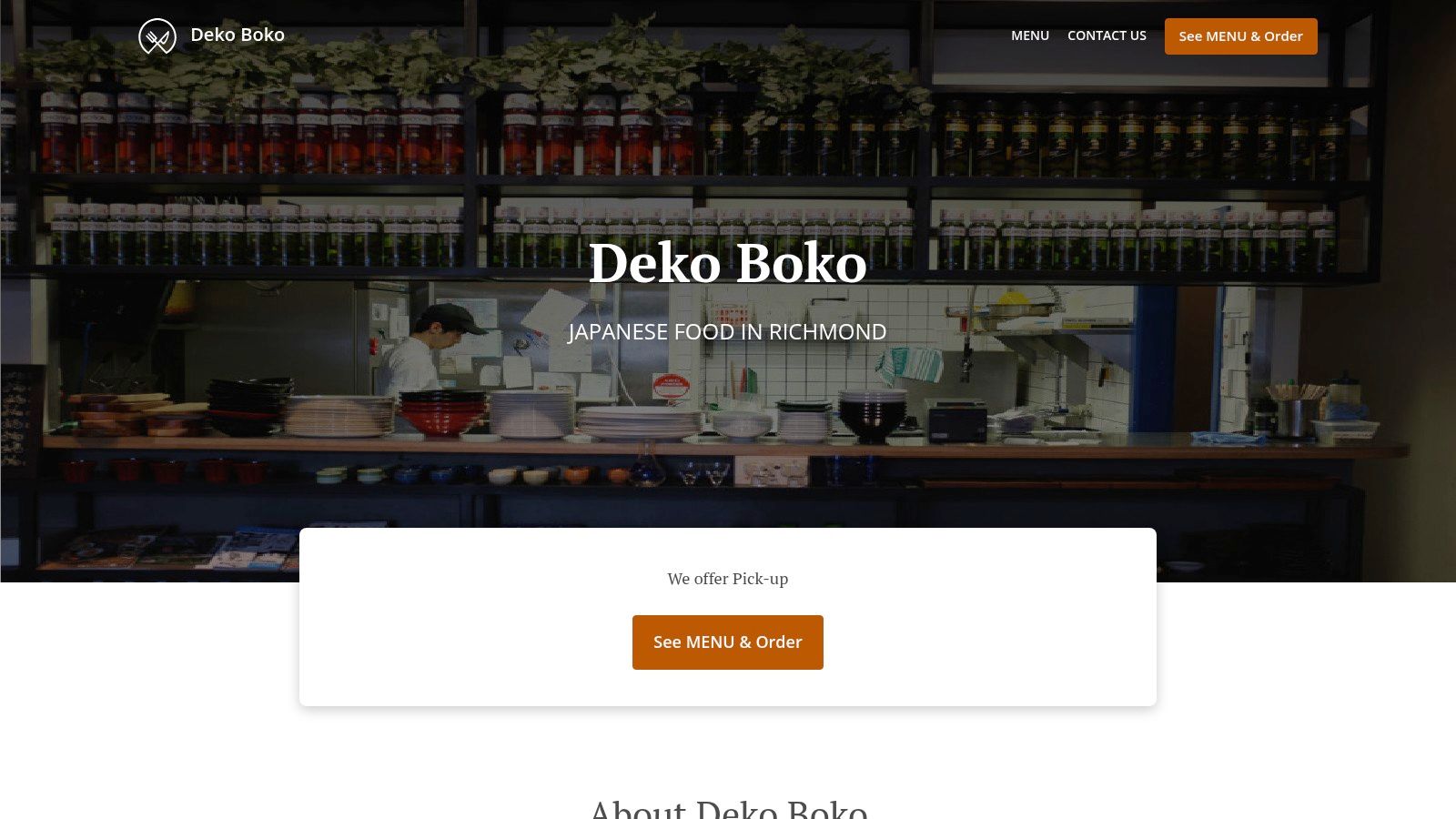
A rainy Richmond afternoon suits Deko Boko perfectly. This is the kind of place to choose when you want matcha with texture around it: handmade ceramics, a sweets cabinet that looks cared for, and a room that feels more intimate than the suburb’s louder brunch venues.
What Deko Boko does well is show how much the setting changes the way matcha is received. The tea is part of the experience, but the pastries and plated desserts are doing real work here too. If you care about café design or menu development, that matters. A good matcha program does not always need a long drinks list. Sometimes it needs a tight range, smart pairings, and desserts that support the tea instead of drowning it in sugar.
Order with that in mind.
The best move is one matcha drink and one house-made sweet. A latte with cheesecake, a matcha cake, or whatever has come out well that day usually makes more sense than trying to sample too broadly. This is a café where restraint pays off, because the appeal is balance and atmosphere rather than volume.
I rate it highly for dates, slower catch-ups, and anyone who enjoys the hospitality details. The ceramics, plating, and overall pacing give the visit a sense of care that many busier spots lose.
What stands out
Deko Boko earns its place because it understands its identity. It is strongest as a dessert-led Japanese café with a thoughtful matcha offering, not as a specialist tea bar. That distinction helps set expectations properly, and it is useful for café owners too. Matcha succeeds here because it fits the brand, the food, and the room.
A few practical notes matter before you go:
- Best reason to visit: House-made sweets give the matcha menu a clear purpose.
- Best for: Afternoon visits, quieter dates, and anyone who values presentation.
- Trade-off: Straight matcha drinkers looking for a broader tea-focused menu may want another stop.
- Practical downside: Parking in Richmond can be annoying, especially during busy periods.
Deko Boko is one of the most personable entries on this list. Go for the full pairing, not just the drink, and you will understand why it works.
7. Kintsugi Coffee (Parkville)
You step off the tram near the university, wanting a matcha that tastes like tea rather than sweet milk, and Kintsugi Coffee is exactly the sort of place that suits that mood.
Kintsugi Coffee works best for quiet visits. The Parkville location has a calm, campus-edge rhythm that makes sense for solo reading, low-key catch-ups, or a short reset between errands. I rate it highly for that reason alone. Plenty of Melbourne cafes serve decent matcha. Fewer give it a setting that lets you pay attention to it.
The key point here is clarity. Kintsugi states that it uses ceremonial matcha for both straight serves and lattes, and that matters. For drinkers, it usually means better aroma, less bitterness, and a finish that still comes through once milk is added. For cafe owners, it is a useful reminder that matcha quality is not just a menu label. Customers can taste the gap between powder chosen for cost control and powder chosen for flavour.
This is also a good example of sensible range design. The matcha offering is not huge, but it feels intentional. That restraint helps. A smaller menu is easier to execute well, especially when staff need to whisk consistently and hold quality through busy periods.
Order according to what you want to learn from the cup. A straight matcha is the best test of balance, texture, and freshness. An iced latte is the better pick on a warm day, and it still gives you enough of the tea to judge whether the cafe is using powder with real character. If you are only dropping in once, I would skip overcomplicating it.
A few practical points:
- Best for: Study breaks, weekday solo visits, and quieter conversations
- Best order: Straight ceremonial matcha, or an iced latte if you want something easier drinking
- What stands out: Clear tea-first positioning in a neighbourhood setting
- Trade-off: Limited hours can make timing less flexible, especially on weekends
Kintsugi earns its place because it understands what kind of matcha cafe it wants to be. It is not trying to win on size, novelty, or a long dessert menu. It focuses on a clean drink, a calm room, and a visit that feels measured. In Parkville, that is a strong combination.
Top 7 Matcha Cafes in Melbourne, Comparison
| Venue | Matcha Quality & Effectiveness ⭐ | Service Complexity & Resources 🔄 | Speed & Convenience ⚡ | Typical Outcomes / Experience 📊 | Ideal Use Cases 💡 | Key Advantages |
|---|---|---|---|---|---|---|
| Itteki – The Ceremonial Japanese Café | Ceremonial‑grade powder, straight & unsweetened options; clean umami ⭐⭐⭐⭐ | High, hand‑whisked service, staff education, intimate setup 🔄 | Lower, small venue, waits at peak; limited takeaway ⚡ | Deep, educational tea experience focused on technique 📊 | Matcha lessons, mindful slow breaks, tasting sessions 💡 | Authentic ceremony; high‑grade powder; strong matcha literacy |
| Attakai | Careful matcha program (Uji/quality focused) across formats ⭐⭐⭐ | Medium, dine‑in brunch kitchen + kiosk quick‑serve logistics 🔄 | High (CBD kiosk) to medium (Carlton dine‑in); clear takeaway options ⚡ | Versatile: quality matcha for both lingered brunch and grab‑and‑go 📊 | Brunch with friends; quick CBD stops; mixed groups 💡 | Two formats cover different needs; balanced brunch + tea menu |
| Kyo Tea House | Uji private blend tuned for desserts; intensity options for sweets ⭐⭐⭐ | Medium, dessert assembly, seasonal creations, mall operations 🔄 | High, major shopping centres, quick service but often busy ⚡ | Dessert‑forward, crowd‑friendly matcha indulgence 📊 | Shopping breaks, family treats, dessert seekers 💡 | Specialised matcha desserts; consistent mall presence; family appeal |
| Nana’s Green Tea (CBD) | Standardised global sourcing; reliable across traditional & modern drinks ⭐⭐⭐ | Low–Medium, chain processes, standard recipes and training 🔄 | Very high, central CBD hours, predictable service and menus ⚡ | Predictable, broad offerings suitable for many palates 📊 | Tourists, office workers, those wanting variety & reliability 💡 | Extensive menu; brand consistency; long opening hours |
| Operator San | Good matcha integrated into creative brunch items; inventive toppings ⭐⭐⭐ | Medium, brunch service with creative assembly and plating 🔄 | Medium, all‑day near market; busy at peak market times ⚡ | Brunch‑led, inventive matcha drinks with crossover appeal 📊 | Brunch outings, market visits, experimental drinkers 💡 | Creative menu; hospitality group reliability; brunch integration |
| Deko Boko (Richmond) | Solid matcha for lattes/cakes; likely culinary grade in bakes ⭐⭐⭐ | Medium, house‑made sweets, artisanal presentation and service 🔄 | Medium, neighbourhood spot with bookable tables; parking limits ⚡ | Intimate dessert pairing experience with strong presentation 📊 | Dessert dates, neighbourhood meetups, photo‑friendly visits 💡 | Handmade pastries; ceramics; distinctive local charm |
| Kintsugi Coffee (Parkville) | Explicit ceremonial‑grade matcha for straight tea and lattes ⭐⭐⭐⭐ | High, ceremonial prep available alongside specialty coffee program 🔄 | Medium, quiet campus edge, outdoor seating, limited hours ⚡ | Peaceful, studious tea break with authentic ceremonial notes 📊 | Study sessions, calm afternoons, ceremonial matcha seekers 💡 | True ceremonial focus; quiet atmosphere; quality coffee + tea |
Your Melbourne Matcha Journey Starts Here
You finish one matcha in the CBD and start thinking about the next stop. That is usually when Melbourne gets interesting. The city has enough range now that the right café depends less on hype and more on what kind of cup, room, and ritual you want.
If the goal is clarity, technique, and a closer link to Japanese tea service, start with Itteki or Kintsugi. If you want matcha worked into a strong brunch run, Attakai and Operator San handle that space well. If your ideal visit includes parfaits, soft serve, or plated sweets, Kyo Tea House and Deko Boko are better choices. If you need something central, consistent, and easy to fit into a workday, Nana’s Green Tea remains a practical pick.
That spread matters because a good matcha experience is never just about the powder. The best venues make a series of disciplined decisions: grade, storage, water temperature, whisking, milk choice, sweetness, cup size, and menu context. A dessert-led shop does not need to imitate a tea counter to be excellent. It needs to serve matcha in a way that suits its format. The same goes for a brunch café. If the drink tastes balanced and intentional, the concept is doing its job.
Melbourne drinkers are more informed now, and cafés can feel it. People notice grassy bitterness that reads stale rather than fresh. They notice lattes padded out with too much sweetener. They notice when the colour is bright but the finish is flat. For café owners, that is the essential standard to watch. Customers may not always use technical language, but they can tell when the cup has been handled with care.
Supply pressure has also changed the conversation, as noted earlier. Strong matcha programs now depend on smart sourcing, tighter portion control, and a clear sense of where premium powder makes a difference. A venue pouring straight matcha needs a different standard from one using it in bakes or soft serve. Owners who understand that trade-off usually build menus that hold up.
For drinkers, the smartest approach is simple. Try one straight matcha at a place that takes preparation seriously. Try one iced latte at a busy café and pay attention to texture, sweetness, and how much of the tea still comes through. Then try a dessert-led version. You will learn very quickly whether you love matcha most as a tea, a milk drink, or a broader flavour experience.
Home preparation matters too. A good daily bowl does not require a full café bench or ceremonial perfection. It requires fresh powder, clean water, a decent whisking technique, and repetition. If all this leaves you wanting to build that habit, Pep Tea is a practical place to start for premium organic Japanese matcha and Australian-brewed sugar-free organic kombucha.
Melbourne is one of the better cities in Australia for figuring out your matcha palate. The worth of this list is not only knowing where to go next. It is understanding why one cup works, why another falls flat, and what that teaches you as a drinker or café operator.